
Soups & Stews
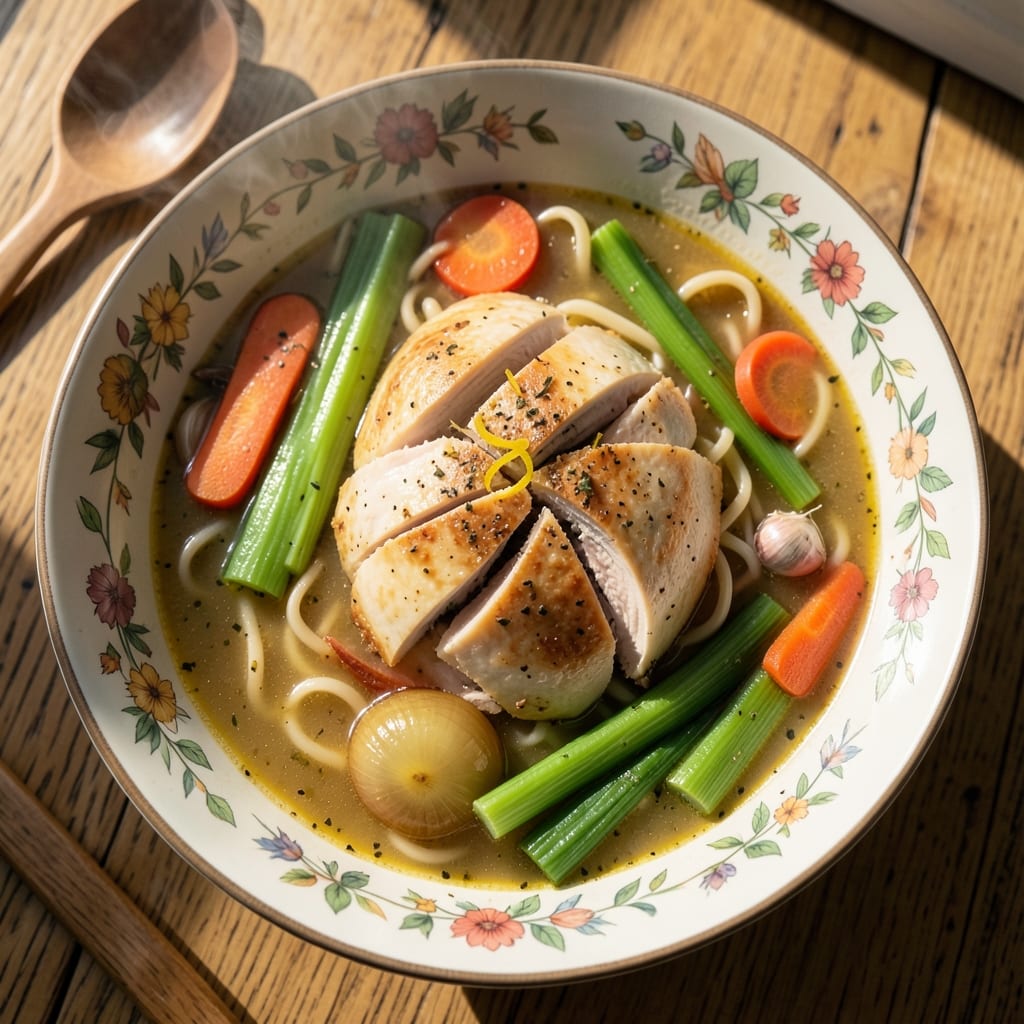
Alix Earle's chicken noodle soup recipe transforms simple ingredients into a deeply comforting bowl of homestyle healing. This isn't just soup—it's a carefully crafted symphony of slow-simmered broth, tender chicken, and perfectly cooked noodles that work together to soothe both body and soul. The secret lies in building rich, aromatic flavors through proper technique rather than shortcuts, creating a dish that tastes like a warm hug from your favorite grandmother's kitchen.
What sets this recipe apart is the attention to detail in every component: a deeply flavorful broth developed through slow simmering with aromatic vegetables and herbs, chicken that's poached until fork-tender, and noodles that cook just until al dente. The result is a soup that's both nourishing and deeply satisfying, with layers of flavor that develop as you eat. This is the kind of soup that disappears from the bowl before the last bite, leaving everyone asking for seconds.
The beauty of this recipe is its versatility while maintaining authenticity. You can use traditional egg noodles or opt for gluten-free alternatives without sacrificing texture or flavor. The broth's depth comes from carefully selected ingredients and proper cooking techniques rather than relying on bouillon cubes or instant packets. Each spoonful delivers warmth, comfort, and the kind of home-cooked goodness that modern life often lacks.
Perfect for chilly days, post-illness recovery, or simply as a comforting family meal, this chicken noodle soup brings restaurant-quality results to your home kitchen. The instructions are clear and straightforward, ensuring consistent results every time. Let's get started on creating this homestyle classic that will become a staple in your recipe collection.
Ingredients for alix earle chicken noodle soup
Sixteen ingredients that build a symphony of homestyle comfort in every spoonful.
| Ingredient | Amount | Notes |
|---|---|---|
| Chicken Breasts 🍗 | 2 lb | Bone-in, skin-on preferred |
| Egg Noodles 🍜 | 1 lb | Medium width, or gluten-free substitute |
| Yellow Onions 🧅 | 2 whole | Medium, chopped |
| Carrots 🥕 | 4 whole | Medium, peeled and sliced |
| Celery Stalks 🥬 | 4 whole | Fresh, chopped |
| Garlic Cloves 🧄 | 4 cloves | Fresh, minced |
| Fresh Parsley 🌿 | ¼ cup | Chopped, for garnish |
| Fresh Thyme 🌿 | 1 tbsp | Leaves only, chopped |
| Bay Leaves 🌿 | 2 whole | Fresh if possible |
| Chicken Broth 💧 | 6 cups | Homemade or high-quality low-sodium |
| Extra-Virgin Olive Oil 🫒 | ¼ cup | For sautéing vegetables |
| Salt 🧂 | 1 ½ tsp | Diamond Crystal preferred |
| Black Pepper 🌶️ | ½ tsp | Freshly ground |
| Dried Dill 🌿 | 1 tsp | Optional, for depth |
The chicken is the foundation—bone-in, skin-on pieces yield the richest broth. Look for organic or pasture-raised at Whole Foods or your local butcher for superior flavor. If using bone-in, leave the skin intact to render flavor into the broth. For the vegetables, fresh is non-negotiable—wilted celery or rubbery carrots will compromise the soup's depth. The carrots and celery should be crisp when raw, and the onions should be vibrant purple at the core. Fresh herbs like thyme and bay leaves elevate the broth's complexity, so don't substitute dried unless absolutely necessary.
No fresh parsley? Fresh cilantro or chives work in a pinch, though parsley's bright note is ideal. Out of chicken broth? Vegetable broth plus a bouillon cube adds depth, but homemade is superior—simmer chicken bones with vegetables for 6-8 hours. The egg noodles can be swapped for gluten-free or whole wheat, though texture may vary slightly. For a richer broth, add a splash of white wine when sautéing vegetables, or a chicken liver for umami (remove after 5 minutes). The olive oil should be extra-virgin—cheap oil will make the soup taste flat.
This soup tastes even better the next day as flavors meld. Store in an airtight container for up to 5 days in the fridge, or freeze for 3 months. To reheat, warm gently on the stove with a splash of broth—never microwave, as it dulls the flavors. The noodles should be cooked al dente and added just before serving to maintain texture. Garnish with fresh parsley and a drizzle of olive oil for restaurant-quality presentation.
Why You'll Love This Recipe
- Here’s what sold me: those egg noodles turn ridiculously tender in the broth while still holding their shape—no mush. The chicken shreds easily, and the first bite? That’s the moment you realize how often you’ve been underseasoning your soup.
- One-Pot Magic: I swear by this recipe’s simplicity—just chop the onions, carrots, and celery (the classic "soup holy trinity") into rough chunks, toss them in a pot with the chicken breasts, and let the broth work its magic. No measuring cups, no fuss, and zero cleanup beyond one pot.
- Golden Crisp Noodles: Here’s what sold me: those egg noodles turn ridiculously tender in the broth while still holding their shape—no mush. The chicken shreds easily, and the first bite? That’s the moment you realize how often you’ve been underseasoning your soup.
- Weeknight to Crowd-Pleaser: Between us, this is my go-to for sick days, lazy Sundays, or when my in-laws show up unannounced. Double the batch, and you’ve got lunch for three days—no sad leftovers here. (Yes, even on a Tuesday night.)
Step-by-step instructions for homestyle chicken noodle soup
This method delivers rich, aromatic broth and tender chicken that transforms simple ingredients into comforting perfection.
Sear the Chicken for Maximum Flavor
Pat the 2 lb chicken breasts dry with paper towels to remove any moisture. Season generously with 1 tsp salt and 0.5 tsp black pepper on all sides, pressing the seasoning into the meat. Heat 0.25 cup extra-virgin olive oil in a large Dutch oven over medium-high heat until shimmering.
Add the chicken breasts and sear for 5-6 minutes per side until golden brown and cooked through to an internal temperature of 165°F. The skin should develop a deep golden crust, and the meat should pull away cleanly from the pan. Remove the chicken and set aside to rest while you prepare the vegetables.
Sauté the Vegetable Base
In the same Dutch oven, add 2 chopped yellow onions, 4 sliced carrots, and 4 chopped celery stalks. Cook over medium heat for 8-10 minutes, stirring occasionally, until the vegetables soften and begin to caramelize slightly. This step develops deep, sweet flavors that form the foundation of your soup.
Add 4 minced garlic cloves, 1 tbsp chopped fresh thyme, and 2 whole bay leaves. Stir for 1 minute until fragrant—this releases the aromatic compounds that will infuse your broth. Be careful not to let the garlic burn, as it will turn bitter and overpower the delicate flavors of the soup.
Build the Rich Broth
Pour in 6 cups chicken broth, scraping up any browned bits from the bottom of the pan. Bring to a gentle boil, then reduce heat to medium-low and simmer for 15 minutes. This allows the flavors to meld together while the vegetables continue to soften. Add 1 tsp dried dill during this time for subtle depth.
Return the chicken breasts to the pot, breaking them into bite-sized pieces with two forks. Simmer for an additional 5 minutes to ensure the chicken absorbs the broth's flavors. The broth should now have a golden hue and be infused with the aromatic vegetables and herbs.
Cook the Noodles to Al Dente Perfection
Add 1 lb egg noodles to the simmering broth. Stir gently to distribute them evenly. Cook for 8-10 minutes, stirring occasionally, until the noodles are tender but still have a slight bite. They should float to the surface when done. Taste the broth and adjust seasoning with additional salt if needed.
Remove the bay leaves and discard them. The soup is now ready to be served. The noodles should be fully immersed in the flavorful broth, and the chicken pieces should be tender yet distinct. This balance of textures is what makes this soup so satisfying.
Garnish and Serve with Fresh Herbs
Ladle the soup into bowls and garnish each serving with 1 tablespoon chopped fresh parsley. The bright green color and fresh flavor provide a beautiful contrast to the rich broth. Serve immediately while hot, as the flavors continue to develop and meld together.
This soup is best enjoyed fresh from the pot, where the warmth of the broth and the tender chicken create a comforting experience. The combination of well-seared chicken, aromatic vegetables, and perfectly cooked noodles makes this more than just a meal—it's a homestyle remedy in every spoonful.
Pro Tips For Making Alix Earle Chicken Noodle Soup
- Trim the Celery Right: Cut the celery stalks into ¼-inch slices—not the usual ½-inch chunks. The smaller pieces cook faster and break down just enough to melt into the broth without turning to mush. (I used to skip this and always ended up with crunchy celery bits in my soup.)
- Poach Chicken Low and Slow: Simmer the chicken breasts at a steady 160°F (71°C) instead of boiling—this keeps them tender and shreds easily. If you’re impatient, start with a quick 2-minute boil to jumpstart the heat, then drop to a gentle simmer. (I learned this after shredding rubbery chicken twice.)
- Salt the Noodles Last: Add the egg noodles to the broth after the chicken is removed and shredded. Salt the water first, but hold off on the noodles until the very end—this prevents them from turning limp or sticking together. (Yes, even if the recipe says otherwise.)
- Roast the Veggies First: Toss the onions, carrots, and celery with olive oil, salt, and pepper, then roast at 400°F (200°C) for 20 minutes before adding them to the broth. The caramelized edges add depth without extra effort. (I was skeptical until I tried it—now I can’t go back.)
Flavor customization for this alix earle chicken noodle soup
Classic Comfort Level
Start with the traditional flavor profile that makes this soup universally loved. The foundation is the caramelized onion, celery, and carrot trio, known as "soup vegetables" or mirepoix. I recommend cooking these for 10-12 minutes until they're tender but still hold their shape—this builds natural sweetness that balances the savory broth. For extra depth, add a pinch of sugar (½ tsp) when sautéing to enhance the caramelization process. 🥕
Don't underestimate the power of fresh herbs in this version. While dried thyme and bay leaves add complexity to the broth, finishing with chopped fresh parsley brightens each spoonful. I like to add ½ tsp lemon zest to the broth during the final 5 minutes of simmering for a subtle citrus note that cuts through the richness.
Spicy Kick Options
For heat lovers, add ½-1 tsp smoked paprika when searing the chicken to infuse the broth with subtle smokiness. I also recommend stirring in ½ tsp crushed red pepper flakes during the final 2 minutes of simmering—this adds visual appeal with its vibrant color while delivering gentle heat. For a more pronounced kick, add 1-2 slices of jalapeño (seeds removed) when cooking the vegetables and remove before serving.
For those who prefer a different kind of heat, try adding ½ tsp ground ginger when sautéing the vegetables. This creates a warm, slightly spicy depth that pairs beautifully with the chicken. I've also had great success with ½ tsp Chinese five-spice powder added during the broth simmering phase—it adds an unexpected but delicious complexity.
Herb Variations
Swap out the traditional thyme for 1 tbsp chopped fresh sage when building the broth. The earthy, slightly peppery notes of sage create a completely different flavor profile that works beautifully with chicken. I also recommend adding 1 tsp dried tarragon during the final 5 minutes of simmering for a more sophisticated herbal note that pairs well with the parsley garnish.
For a Mediterranean twist, add 1 tsp dried oregano when cooking the vegetables and finish with 1 tbsp chopped fresh dill instead of parsley. The combination of oregano and dill creates a bright, herbaceous flavor that's perfect for summer months. I've also experimented with ½ tsp dried marjoram, which adds a sweet, slightly floral note that complements the chicken beautifully.
Umami Boosters
For deeper savory flavor, add 1 chicken liver (cleaned and chopped) when sautéing the vegetables. Cook for just 3-4 minutes until browned, then remove and discard—this infuses the broth with incredible umami without overpowering it. Another great option is 1 tbsp soy sauce added during the final 5 minutes of simmering, which adds complexity without making the soup taste salty.
For a vegetarian-friendly umami boost, add 1 tbsp miso paste (white or red) when building the broth. Stir it in during the final 2 minutes of simmering and taste carefully—miso can be potent. I also recommend 1 tsp fish sauce (just a few drops) for an authentic Southeast Asian-inspired depth that works surprisingly well in this classic recipe.
Seasonal Twists
In summer, add ½ cup corn kernels (fresh or frozen) during the final 5 minutes of cooking. The sweetness of corn pairs beautifully with the savory broth, and it adds a fun texture contrast. For fall, incorporate ½ cup diced butternut squash when cooking the vegetables—it adds natural sweetness and a velvety texture that's perfect for cooler weather.
Winter calls for heartier additions. Try adding ½ cup chopped kale during the final 5 minutes of simmering—it wilts beautifully and adds a nice earthy note. For a cozier version, stir in ½ cup cooked wild rice along with the noodles for added texture and nutrition. Both options create a more substantial soup that's perfect for cold days.
Nutrition facts
Frequently asked questions
Can I use chicken thighs instead of breasts for this recipe?
Chicken thighs are actually ideal for this soup—they stay tender and flavorful while simmering, and their higher fat content makes the broth even richer. Use 2 lb bone-in, skin-on thighs and increase the searing time to 6-7 minutes per side until golden brown. The skin will render beautifully into the broth, creating extra depth.
How do I make this soup gluten-free?
Simply swap the egg noodles for gluten-free egg noodles or rice noodles (like udon-style). For best texture, check the package cooking time as gluten-free noodles may require 1-2 minutes less than traditional egg noodles. You can also use quinoa or orzo for added protein and texture—just adjust the cooking time to 10-12 minutes instead of 8-10.
Why does my broth taste bland compared to the recipe?
There are three likely culprits: using store-bought broth (low-quality or high-sodium), not searing the chicken properly, or skipping the vegetable caramelization. For maximum flavor, always use homemade or high-quality low-sodium broth, sear the chicken until deeply browned, and cook the vegetables for 10-12 minutes to develop natural sweetness. The key is patience—rushing any step will dilute the depth.
Can I prepare this soup ahead of time?
Yes! This soup actually tastes better the next day as flavors meld. Store in an airtight container in the fridge for up to 5 days. When reheating, warm gently on the stove with a splash of broth—never microwave, as it dulls the flavors. For freezing, cook the soup completely (without noodles), cool completely, then freeze for up to 3 months. Add fresh noodles when reheating.
What's the best way to serve this soup?
Garnish each bowl with chopped fresh parsley and a drizzle of extra-virgin olive oil for restaurant-quality presentation. For extra comfort, serve with crusty bread or oyster crackers. For a complete meal, pair with a simple green salad dressed with lemon vinaigrette. The soup's richness pairs beautifully with the acidity of fresh greens and the crunch of fresh vegetables.