
Sauces & Condiments
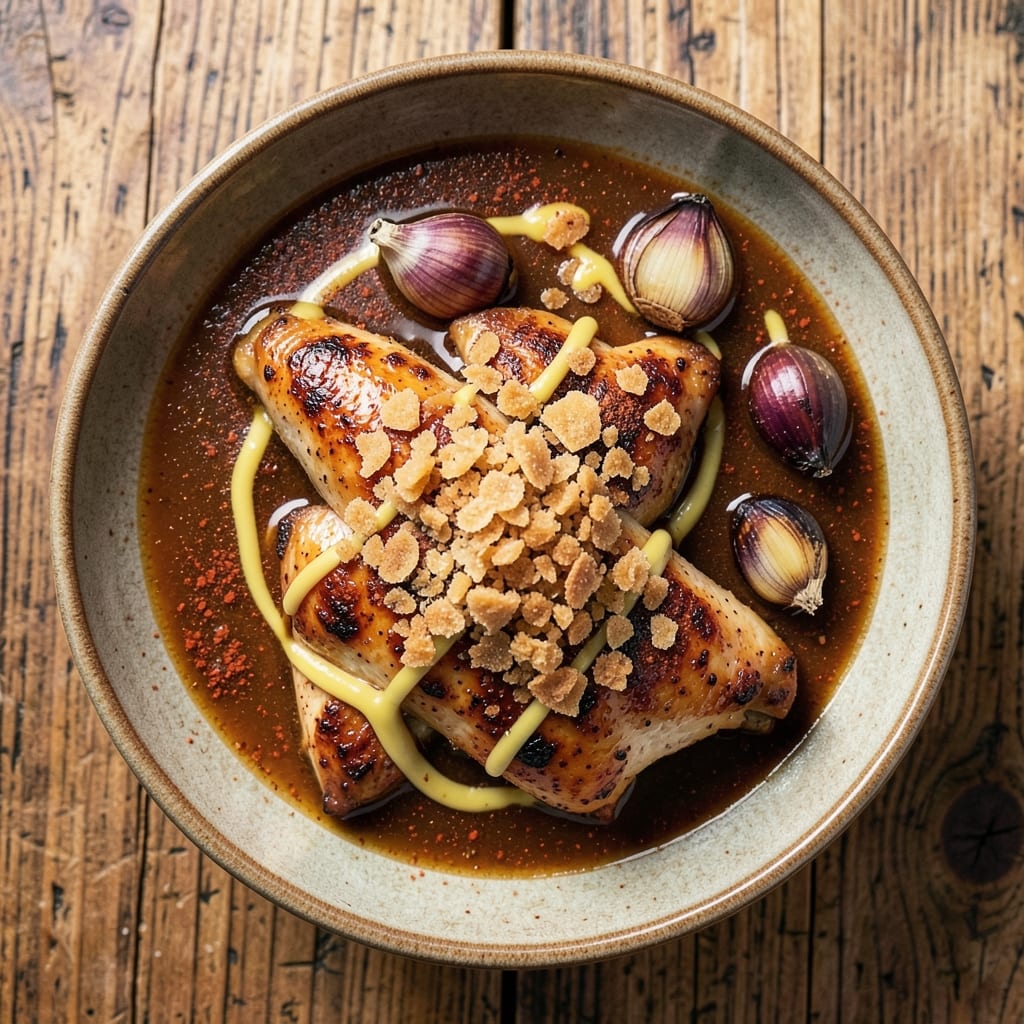
This apple cider chicken marinade transforms ordinary chicken into tender, caramelized perfection with just a few simple ingredients. The star is spiced apple cider, simmered until thick and sticky, creating a glaze that clings to every bite while infusing deep, autumnal warmth. I developed this marinade after years of experimenting with dry rubs and sauces—this one delivers restaurant-quality results without the fuss.
The secret lies in balancing sweet and savory: apple cider provides natural sweetness, while brown sugar and mustard add depth, and a touch of smoked paprika brings that signature fall flavor. Unlike store-bought glazes, this marinade caramelizes beautifully when brushed on chicken, creating a glossy, sticky finish that’s impossible to resist. It works equally well for grilled, baked, or pan-seared chicken.
What sets this marinade apart is its versatility—use it as a wet marinade for 4–12 hours or as a finishing glaze for the last 10 minutes of cooking. The spices (cinnamon, garlic powder, and black pepper) ensure every bite has layers of flavor, while the apple cider keeps it moist and tender. No special equipment needed; just a saucepan and patience for the caramelization.
The best part? This marinade stores beautifully in the fridge for up to 2 weeks, making it perfect for meal prep or holiday entertaining. Whether you’re cooking for a crowd or a cozy weeknight dinner, this glaze elevates chicken to something extraordinary. Let’s get started!
Ingredients for apple cider chicken marinade
Ten simple ingredients create a restaurant-quality glaze that transforms ordinary chicken into caramelized perfection.
| Ingredient | Amount | Notes |
|---|---|---|
| Unsweetened Apple Cider 🍎 | 1 ½ cups | 100% pure, no added sugar |
| Light Brown Sugar 🍚 | ½ cup | Packed firmly for caramelization |
| Dijon Mustard 🥬 | 1 tbsp | High-quality for tangy depth |
| Smoked Paprika 🌶️ | 1 tsp | For signature autumnal flavor |
| Ground Cinnamon 🍃 | ½ tsp | Freshly ground for warmth |
| Garlic Powder 🧄 | 1 tsp | Not garlic salt |
| Ground Black Pepper 🌶️ | ½ tsp | Freshly cracked for sharpness |
| Extra-Virgin Olive Oil 🫒 | 1 tbsp | For glossy finish and richness |
| Apple Cider Vinegar 🍶 | ½ tsp | Balances sweetness |
| Salt 🧂 | ½ tsp | Diamond Crystal preferred |
The apple cider is the foundation—Mott's or Woodchuck brands deliver the best flavor profile. Look for 100% pure, unsweetened varieties to avoid artificial sweetness that can interfere with caramelization. Brown sugar is non-negotiable here; white sugar won't develop the same rich, glossy texture. For the mustard, Grey Poupon or Maille provide that perfect tang without overpowering. Smoked paprika from Penzeys adds depth that store-brand versions can't match. The olive oil should be extra-virgin with noticeable peppery notes—California-based brands like Corto or Olea work beautifully.
No apple cider vinegar? White vinegar or lemon juice at half the amount works in a pinch, though it won't have the same apple-forward character. Substituting white sugar for brown sugar will result in a less caramelized finish—turbinado sugar at a 1:1 ratio is the next best option. Want more heat? Add a pinch of cayenne pepper. For a sweeter glaze, increase the brown sugar by 1 tablespoon. The garlic powder can be replaced with 1 fresh garlic clove minced if you prefer raw garlic flavor. Always use freshly ground spices—they make a noticeable difference in this delicate balance of flavors.
This marinade stores exceptionally well—2 weeks in the fridge in an airtight container, or 6 months in the freezer when portioned into ice cube trays. For best results, bring to room temperature before using. The glaze thickens as it cools, so reheat gently with a splash of water if it becomes too stiff. I recommend making a double batch—the extra always gets used on roasted vegetables or as a drizzle for brussels sprouts. The caramelization develops best when brushed on chicken just before the final cooking phase, creating that coveted sticky, glossy finish.
Why You'll Love This Recipe
- Five-Ingredient Magic: I swear by this combo—just toss everything in a bowl, stir, and let the chicken soak while you do dishes. No measuring cups, no stress, just pure simplicity with apple cider and brown sugar doing the heavy lifting.
- Fall in a Bite: The cinnamon and smoked paprika give it this cozy, autumnal depth that’s ridiculously addictive. That tangy Dijon mustard cut? It’s the secret weapon that keeps it from tasting like dessert.
- Weeknight to Dinner Party: Same marinade works for grilled chicken, slow-cooker shreds, or even roasted thighs. Honestly, I’ve used it for everything from Taco Tuesday to hosting my book club—no extra effort, just elevated flavor.
- Leftovers That Don’t Suck: Marinate extra chicken, then reheat it in the oven or air fryer—it stays juicy and caramelized, not dry. Between us, this is my go-to for meal prep because it actually tastes better the second day.
Step-by-step instructions for apple cider chicken marinade
This marinade delivers deep caramelized flavor with perfect balance—here's how to make it work every time.
Whisk Wet Ingredients for Even Distribution
In a medium bowl, combine the 1.5 cups unsweetened apple cider, 0.5 cup light brown sugar, 1 tablespoon Dijon mustard, and 0.5 teaspoon apple cider vinegar. Stir vigorously with a whisk until the sugar fully dissolves—you should hear a faint crackling sound as the sugar integrates completely. This step prevents graininess in your marinade and ensures even flavor distribution throughout the chicken.
The apple cider should take on a golden hue as the sugar caramelizes slightly from the vinegar's acidity. This is the foundation of your glaze, so don't rush this process. If you notice any sugar granules remaining after 30 seconds of whisking, add 1 teaspoon warm water to help dissolve them completely.
Incorporate Dry Seasonings for Depth
In a small bowl, measure out the 1 teaspoon smoked paprika, 0.5 teaspoon ground cinnamon, 1 teaspoon garlic powder, 0.5 teaspoon ground black pepper, and 0.5 teaspoon salt. Sift these spices together through a fine-mesh strainer to eliminate any clumps—this ensures a silky texture in your marinade. Gradually sprinkle the spice mixture into the wet ingredients while whisking continuously.
Watch for a subtle color change as the spices blend—the mixture should darken slightly and develop a warm, earthy aroma. The smoked paprika and cinnamon will contribute their signature autumnal notes, while the garlic powder and black pepper add sharpness to cut through the sweetness. Whisk for an additional 20 seconds to fully emulsify the mixture into a cohesive marinade.
Finish with Olive Oil for Gloss and Richness
Slowly drizzle in the 1 tablespoon extra-virgin olive oil while whisking continuously. The oil should create a glossy sheen on the surface of the marinade—this indicates proper emulsification. If the mixture separates or looks streaky, whisk more vigorously for 10-15 seconds until it achieves a uniform consistency. The olive oil not only adds richness but also helps the marinade cling to the chicken during cooking.
Taste the marinade at this stage and adjust seasoning if needed. The balance should be sweet, tangy, and slightly spicy with a warm cinnamon finish. If it tastes too sweet, add a pinch more salt; if it needs more depth, sprinkle in an extra ¼ teaspoon smoked paprika. Transfer the completed marinade to an airtight container and let it rest at room temperature for 10 minutes before using—this allows the flavors to meld completely.
Marinate and Caramelize for Maximum Flavor
Place chicken pieces in a resealable plastic bag or shallow dish and pour the marinade evenly over them, ensuring each piece is fully coated. Seal the bag or cover the dish and refrigerate for at least 4 hours, or preferably overnight. The acidity in the apple cider will begin tenderizing the chicken immediately, while the sugar and spices penetrate the surface for that signature caramelized crust.
When ready to cook, remove the chicken from the refrigerator and let it sit at room temperature for 15 minutes. Preheat your grill or oven to 400°F for grilling or 375°F for baking. Cook the chicken, basting with the reserved marinade every 5-7 minutes, until the internal temperature reaches 165°F and the edges develop a deep amber caramelization. The marinade should reduce to a glossy glaze that clings beautifully to the chicken.
Pro Tips For Making Apple Cider Chicken Marinade
- Reduce the Cider First: Simmer the unsweetened apple cider for 3–4 minutes before mixing in the sugar and spices. This cuts the sharpness and thickens it just enough to cling better to the chicken—no more slippery marinade running off the pan.
- Use Warm Mustard: Gently heat the Dijon mustard with the cider for 30 seconds until it’s barely warm. Cold mustard can stiffen when mixed with sugar, making the marinade grainy. Warm it up, and it blends like butter.
- Don’t Skip the Rest: After marinating, let the chicken sit uncovered in the fridge for 10 minutes before cooking. The sugar in the marinade caramelizes faster when cold, so this step prevents a sticky, uneven burn on the grill or skillet.
- Balance the Sugar: Taste the marinade before applying—if it’s too sweet, add ½ teaspoon of apple cider vinegar (yes, even if the recipe doesn’t call for it). The acid cuts through the sugar and lets the smoked paprika and cinnamon shine without overpowering.
Regional styles of this apple cider chicken marinade
New England Sweet Heat
In New England, apple cider chicken marinades take on a slightly spicier edge, reflecting the region's love for bold flavors. Add ½ teaspoon cayenne pepper and ¼ teaspoon ground cloves to the base recipe for a deeper, warming kick. I find that Woodchuck apple cider from Vermont adds a natural tartness that balances the heat beautifully. Serve with roasted sweet potatoes and crispy sage for a full autumnal experience. 🌶️
Southern Smoky Twist
Southern cooks often enhance this marinade with ½ teaspoon hot sauce (like Crystal or Tabasco) and ½ teaspoon liquid smoke for a smoky depth. The heat from the hot sauce pairs perfectly with the sweet apple cider, while the liquid smoke adds a campfire-like richness. I like to use this variation for grilled chicken thighs or slow-cooked chicken wings. Add a pinch of ground mustard seeds for extra texture. 🔥
Midwest Hearty Style
The Midwest loves hearty, comforting flavors, so this marinade often includes 1 teaspoon ground allspice and ½ teaspoon onion powder for extra warmth. Use local apple cider from regional orchards (like Michigan or Ohio varieties) for a more authentic taste. This version works exceptionally well with braised chicken or chicken pot pie. The allspice adds a subtle complexity that feels nostalgic and homey. 🏡
Pacific Northwest Tart Balance
In the Pacific Northwest, cooks often balance the sweetness with 1 teaspoon fresh lemon juice and ½ teaspoon dried thyme for a brighter, more refreshing profile. The region's crisp air pairs well with this lighter marinade, making it perfect for grilled chicken skewers or chicken salads. Use Washington State apple cider for a crisp, clean base. The thyme adds an earthy note that complements the apple beautifully. 🍋
Texas-Style Spicy Kick
Texas takes this marinade to another level by adding 1 teaspoon chipotle powder and ½ teaspoon smoked salt for a smoky, spicy twist. The chipotle powder brings a deep, smoky heat that pairs perfectly with the sweet apple cider. I love using this version for smoked chicken or chicken fajitas. The smoked salt enhances the caramelization, creating a richer, more complex flavor. 🌶️🔥
Nutrition facts
Frequently asked questions
Can I use this marinade on other meats besides chicken?
This apple cider marinade works beautifully on pork chops, turkey breasts, or even tofu for a vegetarian option. The sweet-spiced profile complements pork exceptionally well, while the acidity helps tenderize tougher cuts. For seafood, reduce the marinating time to 30-60 minutes max to prevent over-acidification.
Why does my marinade separate or look grainy?
This usually happens when sugar doesn't fully dissolve or when oil isn't properly emulsified. First, whisk the wet ingredients (especially the sugar) until completely dissolved—you should hear a faint crackling sound. Then, gradually add the olive oil while whisking continuously. If it still separates, blend briefly with an immersion blender or whisk vigorously for 20 seconds to combine.
How long should I marinate chicken for best results?
For maximum flavor and tenderness, marinate chicken for 4-12 hours in the refrigerator. The acidity in apple cider starts working immediately, but overnight (8-12 hours) gives the spices time to penetrate deeply. Never marinate longer than 24 hours—the acid can start breaking down the meat fibers and make it mushy.
Can I make this marinade ahead of time?
Yes! This marinade stores exceptionally well. Keep it in an airtight container in the fridge for up to 2 weeks or freeze for 6 months. When using frozen marinade, thaw it in the fridge overnight and give it a good stir before using. The flavors actually meld better with time, making it perfect for meal prep.
What's the best way to caramelize the glaze?
For that signature glossy finish, baste the chicken with reserved marinade every 5-7 minutes during the last 10-15 minutes of cooking. Use a pastry brush to spread the marinade evenly, focusing on edges and seams. For extra caramelization, broil for 2-3 minutes at the end—just watch closely to prevent burning!