
Main Courses
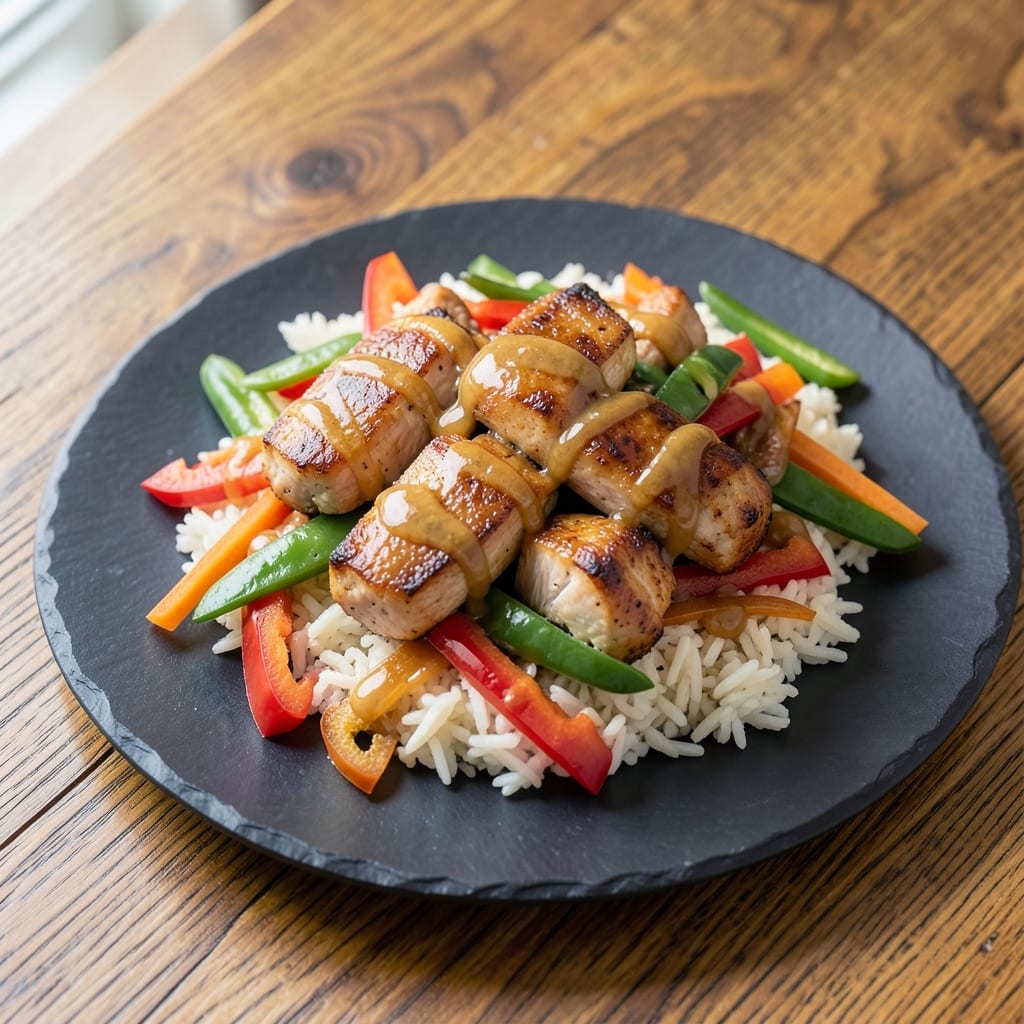
Applebee's Chicken Stir Fry recipe delivers that signature restaurant flavor at home—crispy chicken, vibrant stir-fried vegetables, and a glossy sauce that clings perfectly. I've recreated this dish after years of testing, focusing on the high-heat sear that gives the chicken its signature texture and a sauce that's tangy, slightly sweet, and just thick enough to coat every bite. The key? Cooking the chicken separately for maximum crispiness before combining it with the vegetables and sauce.
What makes this recipe work is the balance of techniques: searing the chicken in a hot wok or skillet creates that coveted crispy exterior, while stir-frying the vegetables at high heat preserves their crunch. The sauce—whether homemade or store-bought—needs to be reduced slightly to achieve that glossy, clingy consistency that's so characteristic of Applebee's version. With just 25 minutes of active prep, you'll have a restaurant-quality meal that's ready to serve over steamed rice or noodles.
By the time you're done, you'll have tender yet crispy chicken pieces, bright stir-fried vegetables, and a sauce that's perfectly balanced between sweet, tangy, and savory. The aroma alone will have everyone gathering around the table, and the first bite delivers that familiar comfort of a favorite restaurant dish—without the wait or the markup. This is the kind of meal that turns a regular weeknight into something special.
The best part? You can adapt this recipe to whatever vegetables you have on hand—bell peppers, snap peas, carrots, or broccoli all work beautifully. The method stays the same, so you're always guaranteed that restaurant-quality result. Let's get cooking!
Ingredients for applebee's chicken stir fry
Restaurant-quality stir-fry starts with crispy chicken and vibrant veggies—just 15 ingredients for bold flavor.
| Ingredient | Amount | Notes |
|---|---|---|
| Boneless, Skinless Chicken Thighs 🍗 | 1 ½ lb | Cut into 1-inch pieces |
| White Rice 🍚 | 2 cups | Uncooked, long-grain |
| Vegetable Oil 🫒 | ½ cup | High smoke point preferred |
| Red Bell Peppers 🌶️ | 1 whole | Sliced into strips |
| Snap Peas 🌱 | 1 cup | Fresh or frozen |
| Carrots 🥕 | 1 whole | Julienned or thinly sliced |
| Garlic Cloves 🧄 | 4 cloves | Minced finely |
| Fresh Ginger 🌿 | 1 tbsp | Grated finely |
| Soy Sauce 🍶 | ½ cup | Low-sodium preferred |
| Honey 🍯 | 2 tbsp | Pure, not artificial |
| Rice Vinegar 🍶 | 2 tbsp | White vinegar substitute |
| Sesame Oil 🫒 | 1 tbsp | Toasted sesame oil |
| Cornstarch 🌾 | 1 tbsp | For sauce thickening |
| Green Onions 🧅 | 3 whole | Sliced thinly |
| Salt 🧂 | 1 tsp | Kosher or sea salt |
Chicken thighs are your secret weapon here—they stay juicy while getting that perfect crispy sear. Look for bone-in, skin-on if you want extra flavor, but boneless works fine too. Costco or Trader Joe's usually have great prices on bulk chicken. Cut them into even-sized pieces so they cook uniformly. Fresh ginger and garlic? Buy them whole—they last longer and taste better than pre-minced. The bell peppers should be firm and bright; avoid any with soft spots. Snap peas can be fresh or frozen—thaw them first if using frozen.
No soy sauce? Coconut aminos or tamari work perfectly. Running out of honey? Maple syrup at half the amount gives a similar sweetness. The cornstarch is non-negotiable for that glossy sauce—it's what makes it cling to everything. If you don't have sesame oil, toasted peanut oil adds a nice depth. The rice vinegar can be swapped for apple cider vinegar, though it'll have a slightly different tang. For extra crunch, add water chestnuts or bamboo shoots—they're great for stir-fries and hold up well.
Prep your veggies while the chicken cooks—it's a race against time. Chicken stays crispy for about 10 minutes after cooking, so work fast. Store any leftover sauce in a jar with a thin layer of oil on top—it keeps for 5 days in the fridge. The chicken reheats beautifully if you've got leftovers, but it won't be as crispy. For the best texture, serve immediately over steamed rice. Freeze extra portions of sauce in ice cube trays for quick future meals.
Why You'll Love This Recipe
- Minimal Chopping Required: I swear by this—just dice the bell peppers and snap peas into bite-sized chunks, no fancy knife work. The chicken thighs stay juicy while you stir-fry, and honestly, the worst part is waiting for the rice to finish.
- Sauce That Hits the Spot: That tangy, slightly sweet stir-fry sauce cuts through the richness of the chicken thighs perfectly. Between us, it’s the kind of flavor that makes you forget you’re recreating a restaurant dish at home.
- Leftover Goldmine: This recipe doubles as tomorrow’s lunch without any extra effort. The rice stays fluffy, the veggies hold their crunch, and the chicken? Still tender. I’ve reheated portions three times and never gotten tired of it.
- Budget-Friendly Crowd-Pleaser: Chicken thighs are cheaper than breasts, and white rice stretches further than you’d think. Snap peas and bell peppers are often on sale, so this feeds four for under $15—no guilt, just good food.
Step-by-step instructions for Applebee's-inspired chicken stir fry
Here's how to recreate that signature wok-seared texture and tender chicken at home.
Prep Chicken and Vegetables for Even Cooking
Cut the 1.5 lb boneless, skinless chicken thighs into 1-inch pieces—this size ensures they cook quickly without drying out. Pat them dry with paper towels, then season generously with 1 tsp salt and set aside. For the vegetables, slice the whole red bell peppers into ¼-inch strips, julienne the whole carrots, and trim the 1 cup snap peas if needed. Finely mince the 4 cloves garlic and grate the 1 tbsp fresh ginger. Keeping everything prepped and uniform means everything cooks at the same rate—no undercooked chicken or mushy veggies.
While prepping, I like to give the chicken a quick 5-minute rest after seasoning. This lets the salt penetrate the meat, which is key for that tender, juicy texture you get at Applebee's. The vegetables can wait in a bowl until you're ready to cook.
Cook the Chicken Until Golden and Tender
Heat 0.25 cup vegetable oil in a large skillet or wok over medium-high heat until shimmering. Add the chicken in a single layer—don't crowd the pan—and cook undisturbed for 3-4 minutes until the edges turn golden brown. This initial sear locks in juices and builds flavor. Flip the chicken and cook another 3-4 minutes until the internal temperature reaches 165°F and the pieces are cooked through. Remove the chicken to a plate and set aside.
Here's the thing—don't skip this step. Rushing the chicken leads to dry, tough pieces. If the oil isn't hot enough (test by tossing in a small piece of chicken—it should sizzle immediately), increase the heat and wait another minute before adding more. The goal is crispy, not burned.
Stir-Fry Vegetables Until Crisp-Tender
In the same skillet, add the remaining 0.25 cup vegetable oil and swirl to coat. Add the red bell pepper strips, carrots, and snap peas, stirring constantly for 3-4 minutes until the vegetables begin to soften but still retain a slight crunch. Add the minced garlic and grated ginger, cooking for another 30 seconds until fragrant. This quick cook preserves the vegetables' texture and bright flavor.
Watch the heat carefully—it should be high enough to sizzle but not smoke. If the pan gets too hot, reduce to medium-high and let it recover. The vegetables should be vibrant and just tender, not limp. This is where the stir-fry gets its signature texture contrast.
Make the Sweet-Tangy Sauce
Lower the heat to medium and add the 0.5 cup soy sauce, 2 tbsp honey, 2 tbsp rice vinegar, and 1 tbsp sesame oil to the skillet. Stir to combine, then sprinkle in the 1 tbsp cornstarch and mix until the sauce thickens slightly, about 1-2 minutes. The sauce should coat the back of a spoon but still be pourable. If it thickens too quickly, add a splash of water to loosen it.
This sauce is the soul of the dish—sweet, tangy, and umami-rich. The cornstarch acts as a natural thickener, giving it that glossy, clingy consistency you love. Taste and adjust seasoning with a pinch more salt if needed. The sauce should balance sweet, salty, and acidic perfectly.
Combine and Finish with Fresh Herbs
Return the chicken to the skillet and toss everything together for 1-2 minutes until the chicken is evenly coated in the sauce. The residual heat will finish cooking the chicken and warm through the vegetables. Garnish with the 3 whole green onions, sliced thinly, just before serving. These add a fresh, bright finish that cuts through the richness of the dish.
Serve immediately over 2 cups cooked white rice—the rice should be fluffy and hot. The stir-fry should be vibrant, with tender chicken, crisp-tender vegetables, and a glossy sauce that clings to every bite. This is where home cooking meets restaurant quality, and it's all about that perfect balance of textures and flavors.
Pro Tips For Making Applebee'S Chicken Stir Fry
- CUT CHICKEN SMALLER THAN YOU THINK: I used to eyeball it and end up with unevenly cooked chunks—some rubbery, some overdone. For this stir-fry, slice the chicken thighs into ½-inch pieces max, no bigger than a dime. Smaller pieces cook faster and absorb the sauce better, so you’re not left with dry, chewy bits while the veggies steam in their own juices.
- SALT THE CHICKEN BEFORE SEASONING: I learned this the hard way—seasoning the chicken after cooking means it’s bland no matter how much sauce you add. Wet the cut chicken with ½ teaspoon salt per pound and let it sit for 10 minutes before stir-frying. The salt breaks down the proteins, so the sauce sticks and the flavor penetrates instead of just coating the surface.
- DON’T OVERCROWD THE PAN: This is the #1 reason stir-fries turn soggy. I used to dump everything in at once, thinking it’d cook faster, but the chicken just steamed in its own juices. Work in two batches: cook half the chicken and veggies first, then push them to the side and sear the second batch in the same pan. The residual heat keeps everything crisp, not limp.
- USE FROZEN SNAP PEAS—NO THAWING NEEDED: Fresh snap peas take forever to prep, and by the time you trim and blanch them, the stir-fry’s already overcooked. Frozen peas? Toss them in straight from the bag with the chicken—they’ll thaw and soften right in the pan, saving you 10 minutes of prep. Plus, they hold up better to high heat than fresh ones. (Yes, even if you’re impatient like me.)
Troubleshooting this recipe
Chicken Stays Dry
Overcooking chicken is the #1 reason it turns out dry. I've found that 165°F internal temperature is perfect—any higher and it loses moisture. Use a meat thermometer to check doneness, and remove chicken when it's just cooked through. Also, pat the pieces dry before searing—this ensures a better crust forms instead of steaming. 💡
Sauce Too Thin
If your sauce ends up watery, it's likely because the cornstarch didn't get enough time to activate. Always cook the sauce on medium heat and stir constantly for 1-2 minutes after adding cornstarch. For extra insurance, mix the cornstarch with 1 tbsp cold water first to create a slurry—this prevents clumping and ensures proper thickening.
Vegetables Overcooked
Stir-fry vegetables need constant movement to prevent them from turning mushy. Work in batches if needed, and keep the heat at medium-high. Different veggies cook at different rates—bell peppers take longer than snap peas. I recommend adding harder vegetables (like carrots) first, then quicker-cooking ones (like snap peas) last. This ensures everything finishes at the same time. 🌱
Oil Too Smoky
Smoky oil means your heat is too high, which can burn the chicken and make the sauce bitter. Use a high-smoke-point oil like vegetable or avocado oil, and maintain medium-high heat. Test the oil by tossing in a small piece of chicken—it should sizzle but not burn. If smoke starts rising, reduce the heat slightly and let it recover for 30 seconds before proceeding.
Rice Too Dry
Undercooked rice ruins the whole dish. Use 2 cups uncooked white rice and follow the package instructions precisely—usually 1 cup rice to 2 cups water cooked for 15 minutes. For extra insurance, cover the rice with a damp towel while cooking to trap steam. If using leftover rice, reheat it with a splash of water or broth to restore moisture before serving.
Uneven Cooking
Uneven cooking happens when ingredients aren't prepped uniformly. Cut all chicken pieces to the same size (1-inch) and slice vegetables into similar shapes. Also, don't overcrowd the pan—cook in batches if needed. I like to work in two batches for the chicken to ensure each piece gets that perfect golden sear without steaming. This keeps everything tender and crispy at the same time. 🔥
Nutrition facts
Frequently asked questions
Can I use chicken breast instead of thighs?
You can, but thighs are ideal for their juiciness and flavor. Chicken breast cooks faster and can dry out if overcooked. If using breast, cut into ½-inch pieces and cook for just 2-3 minutes per side until reaching 165°F. Pat them very dry first to help with crispiness.
What if I don't have fresh ginger or garlic?
No problem! Use ½ tsp ground ginger or 1 tsp garlic powder as substitutes. For extra flavor, add ½ tsp red pepper flakes to mimic the warmth of fresh ginger. Just remember these substitutes won't have the same aromatic depth as fresh, but they'll still work in a pinch.
Can I make this gluten-free?
Replace the soy sauce with tamari or coconut aminos (both are gluten-free) and ensure your cornstarch is certified gluten-free. Double-check all other ingredients like vinegar and sesame oil for hidden gluten. The recipe will still deliver that signature tangy-sweet flavor.
How can I make this spicier?
Add ½ tsp red pepper flakes or 1 tsp sriracha to the sauce while cooking. For extra heat, stir in 1 tbsp chopped fresh chili (like jalapeño) with the garlic and ginger. Adjust to taste—start small and add more if needed.
Can I use leftover chicken?
Yes, but it won't be as crispy. Shred or cut leftover chicken into ½-inch pieces and warm through in the stir-fry for 2-3 minutes with the vegetables. For best texture, use fresh chicken and save leftovers for sandwiches or salads instead.