
Soups & Stews
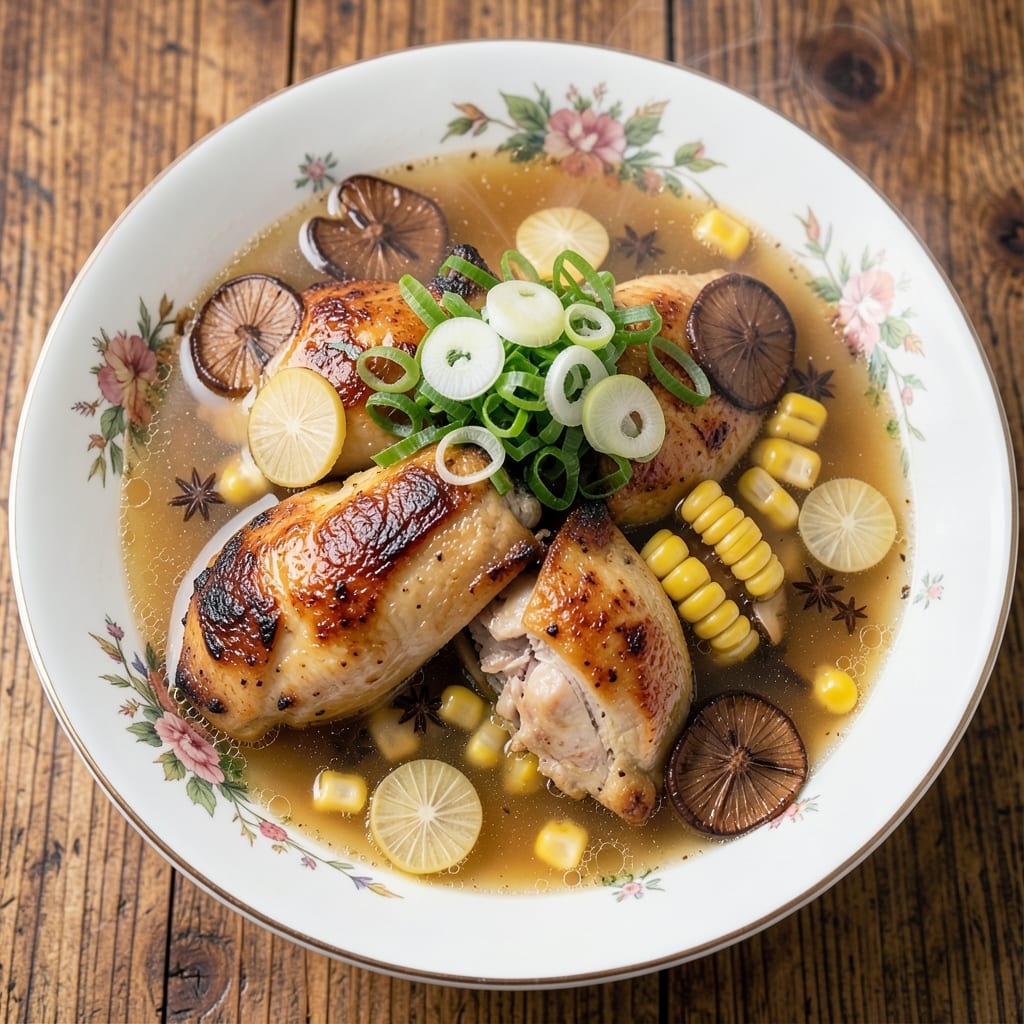
This authentic Chinese chicken and corn soup delivers the comforting warmth of a home-cooked meal with every spoonful, where fragrant star anise and ginger infuse the broth into something truly special. The secret lies in a slow-simmered base that transforms simple ingredients into a harmonious blend of savory, slightly sweet, and umami-rich flavors—just like the soups from my grandmother’s kitchen. What sets this recipe apart is the balance: tender poached chicken, sweet corn kernels, and a light soy sauce finish that elevates the broth without overpowering it.
The magic begins with the broth, where star anise and ginger create an aromatic foundation that lingers long after the first sip. I’ve perfected this technique over years of testing, ensuring the chicken stays juicy while absorbing the subtle spices, and the corn retains its natural sweetness rather than turning mushy. The result is a soup that’s both hearty and light, perfect for chilly evenings or as a comforting starter before a meal.
What you’ll achieve is a bowl of soup that’s authentic in every sense—packed with layers of flavor from the ginger-scallion aromatics, the deep umami from the chicken broth, and the bright, slightly sweet notes of the corn. The finish with sesame oil adds a touch of nuttiness that ties everything together, making this more than just a soup—it’s a taste of home. Ready to recreate this classic?
This recipe is designed to be both approachable for beginners and satisfying for those who appreciate the nuances of Chinese cooking. The ingredients are simple, but the technique ensures restaurant-quality results. Whether you’re serving it as a main dish or a side, the broth’s depth and the chicken’s tenderness will leave everyone asking for seconds. Let’s get started on crafting this timeless dish.
Ingredients for authentic chinese chicken and corn soup
Simple ingredients elevate to restaurant-quality soup with star anise and ginger magic.
| Ingredient | Amount | Notes |
|---|---|---|
| Chicken Thighs 🍗 | 1 ½ lb | Bone-in, skin-on preferred |
| Fresh Ginger 🧄 | ½ cup | Peeled, sliced into thin coins |
| Green Onions 🧅 | ¼ cup | White and green parts separated |
| Star Anise 🌿 | 2 whole | Whole pods for infusion |
| Dried Shiitake Mushrooms 🍄 | 4 whole | Rehydrated in hot water |
| Corn Kernels 🌽 | 2 cups | Fresh or frozen, cut off cob |
| Chicken Broth 💧 | 4 cups | Homemade or low-sodium store-bought |
| Light Soy Sauce 🍶 | 2 tbsp | For umami depth |
| Sesame Oil 🫒 | 1 tbsp | Toasted, for finishing |
| Rice Vinegar 🍶 | 1 tbsp | For brightness |
| White Peppercorns 🌶️ | ½ tsp | Freshly cracked |
| Salt 🧂 | 1 tsp | Kosher or sea salt |
| Vegetable Oil 🫒 | 2 tbsp | For searing chicken |
The star anise and ginger are non-negotiable for that authentic aroma. Whole star anise pods from Asian markets or the spice aisle deliver the best flavor—avoid ground versions. Fresh ginger is ideal, but if using powdered, double the amount and toast it lightly in a dry pan first. For the shiitake mushrooms, soak them in hot water for 20 minutes before using the liquid in the broth. Chicken thighs stay juicier than breasts during long simmering, but boneless works too if you prefer convenience. The green onions should be vibrant—discard any wilted parts.
No star anise? 1 tsp ground cinnamon plus 1 tsp fennel seeds mimics the warmth, though it won’t be identical. Substitute dried shiitake with cremini mushrooms, but reduce the amount to 2 whole mushrooms. For corn, frozen works perfectly—just thaw first. The soy sauce can be swapped for coconut aminos if avoiding gluten. If your broth lacks depth, add 1 tsp fish sauce (traditional) or 1 tsp soy sauce for a vegetarian version. The sesame oil should be toasted—lightly warm it before adding to prevent bitterness.
Broth keeps for 4 days in the fridge or 3 months frozen. Store chicken separately if you want to reheat it later. The soup reheats beautifully—just add a splash of water if it thickens. For extra flavor, reserve some broth before adding corn and chicken, then stir it back in at the end. Garnish with extra green onions and sesame seeds right before serving. This soup tastes even better the next day as flavors meld.
Why You'll Love This Recipe
- I swear by this trick: toss in whole star anise and dried shiitake—no prep, no fuss. The mushrooms rehydrate right in the broth, and the ginger just needs a quick smash with the flat of a knife. Honestly, I’ve made this with my hands full of laundry.
- No-Chop Needed: I swear by this trick: toss in whole star anise and dried shiitake—no prep, no fuss. The mushrooms rehydrate right in the broth, and the ginger just needs a quick smash with the flat of a knife. Honestly, I’ve made this with my hands full of laundry.
- Umami Bomb: That combo of chicken thighs (skin-on, always) and shiitake? It’s like a flavor explosion. The star anise adds this subtle, warm depth, while the green onions at the end cut through with brightness. My roommate took one bite and said, "This tastes like my grandma’s kitchen."
- Leftovers That Don’t Suck: This soup actually improves the next day—more tender, flavors melded. I freeze portions in glass jars (because I’m weird like that) and reheat with a splash of water. My college-aged son brings it to his dorm for "soup nights" and still asks for seconds.
Step-by-step instructions for authentic Chinese chicken and corn soup
This traditional recipe delivers bold flavors through precise techniques and aromatic ingredients.
Sear the Chicken Thighs for Rich Flavor
Pat the 1.5 lb chicken thighs dry with paper towels—this ensures a proper sear. Heat the 2 tbsp vegetable oil in a large pot over medium-high heat until shimmering. Add the chicken thighs skin-side down and let them cook undisturbed for 5-6 minutes until the skin turns golden brown and crispy.
Flip the chicken and cook for another 3-4 minutes until the meat reaches 165°F internally. Remove the chicken from the pot and set aside. The rendered fat in the pot will form the flavorful base for your soup—never discard it.
Build the Aromatic Broth Foundation
In the same pot, add the 0.5 cup fresh ginger slices and the 2 whole star anise pods. Cook for 1 minute until the ginger begins to soften and release its fragrant oils. Add the 4 whole dried shiitake mushrooms (rehydrated in hot water) and cook for another 2 minutes.
Pour in the 4 cups chicken broth and bring to a gentle boil. Reduce heat to medium-low and let it simmer for 10 minutes. This step infuses the broth with the essential flavors—star anise adds warmth, ginger provides brightness, and shiitake mushrooms contribute deep umami.
Incorporate Corn and Seasonings
Add the 2 cups corn kernels to the simmering broth and cook for 5 minutes until they become tender but still retain a slight bite. Stir in the 2 tbsp light soy sauce, 1 tbsp rice vinegar, and 0.5 tsp freshly cracked white peppercorns. Add the chicken thighs back to the pot and let everything simmer together for 10-12 minutes.
The soup should now have a rich, aromatic base with tender chicken and sweet corn. Taste and adjust seasoning with the 1 tsp salt if needed. The broth should be flavorful but not overly salty—balance is key in authentic Chinese soups.
Finish with Fresh Herbs and Garnish
Remove the chicken thighs from the pot and let them rest for 5 minutes before shredding the meat with two forks. Return the shredded chicken to the pot and stir gently to combine. Add the white and green parts of the 0.25 cup green onions separately—this creates visual contrast and adds freshness.
Drizzle with 1 tbsp toasted sesame oil just before serving. The sesame oil should float on top, adding a nutty aroma and finishing touch. Ladle the soup into bowls and garnish with the remaining green onion tops for color and freshness.
Serve Immediately for Optimal Texture
This soup is best enjoyed fresh while the chicken is warm and the broth maintains its aromatic qualities. Serve each portion with a sprinkle of additional green onions and a drizzle of sesame oil. The combination of tender chicken, sweet corn, and fragrant broth creates a balanced, comforting dish that captures the essence of traditional Chinese home cooking.
For an authentic experience, serve with steamed jasmine rice or crusty bread to soak up the flavorful broth. The star anise and ginger flavors will linger beautifully, making this soup memorable and deeply satisfying.
Pro Tips For Making Authentic Chinese Chicken And Corn Soup
- Parboil Chicken First: I learned this the hard way—skipping the initial parboil means your chicken thighs will turn out dry and tough. Simmer them uncovered in water with a pinch of salt for 8-10 minutes until just cooked through, then shock in ice water before adding to the soup. This guarantees tender meat that falls apart later.
- Slice Shiitake Thin: Dried shiitake mushrooms are the backbone of this soup, but most people soak and toss them in whole. Instead, slice them paper-thin before soaking—this makes them rehydrate faster and infuse flavor into the broth without turning it slimy. Use a sharp knife and work patiently; it’s worth the effort.
- Control the Star Anise: After burning three batches, I finally figured out that star anise needs respect. Toss it in the pot with the chicken broth, but remove it after 15 minutes of simmering—any longer and it’ll overpower the dish with bitterness. A quick strain or fish it out with tongs before serving.
- Toast the Ginger: Fresh ginger isn’t just for flavor—it’s for aroma. Lightly toast the slices in a dry pan for 30 seconds until fragrant before adding to the broth. This step deepens the spice notes and prevents that raw, medicinal taste. Yes, it’s an extra step, but your soup will taste like it came from a street stall in Shanghai.
Best sauces and condiments for this authentic chinese chicken and corn soup
Star Anise Infusion
Whole star anise pods are the secret weapon in this soup—they infuse the broth with a warm, slightly sweet aroma that’s unmistakably Chinese. I recommend using 2 whole pods from an Asian market for the most authentic flavor. If you can’t find them, ½ tsp ground star anise works in a pinch, though it lacks the same depth. After simmering, remove the pods before serving—they’re edible but can be tough. 🌿
Ginger-Soy Balance
The combination of fresh ginger and light soy sauce creates the soup’s signature harmony. Use 0.5 cup fresh ginger for maximum brightness—powdered won’t cut it. The 2 tbsp light soy sauce adds umami without overpowering. For extra depth, add 1 tsp fish sauce (if not avoiding it) or ½ tsp oyster sauce for a restaurant-quality touch. Taste as you go—authentic Chinese soups rely on subtle seasoning.
Sesame Oil Finish
Toasted sesame oil is non-negotiable for that final nutty aroma. I use 1 tbsp and warm it slightly before drizzling—this prevents bitterness. Add it just before serving so the oil floats on top, creating a visual and aromatic highlight. For a vegetarian version, swap chicken broth for a mushroom-based broth**> and use toasted sesame seeds as garnish instead of chicken.
Rice Vinegar Brightness
The 1 tbsp rice vinegar cuts through the richness of the chicken and corn, adding a refreshing tang. If you don’t have it, apple cider vinegar works in a pinch, but the flavor will be slightly different. Add it with the soy sauce and peppercorns—this timing ensures even distribution. For a sweeter note, stir in ½ tsp honey or 1 tsp sugar at the end.
White Peppercorn Subtlety
Freshly cracked 0.5 tsp white peppercorns add a delicate heat without overpowering the dish. Avoid black pepper—it’s too bold for this soup. If you can’t find whole peppercorns, ¼ tsp ground white pepper is fine, but the texture won’t be the same. The peppercorns should be lightly toasted in the broth for 1 minute before adding the corn to maximize their aroma.
Optional Umami Boosters
For an extra layer of depth, stir in 1 tsp hoisin sauce or ½ tsp MSG (if you’re comfortable with it) during the final simmer. Both enhance the savory profile without altering the soup’s balance. If you’re avoiding soy entirely, coconut aminos can replace the light soy sauce, though the flavor will be milder. The key is to taste and adjust—authentic Chinese soups are all about harmony. 💫
Nutrition facts
Frequently asked questions
Can I use chicken breast instead of thighs in this recipe?
Chicken thighs are ideal because they stay juicy during long simmering, but you can use boneless, skinless breasts if preferred. For best results, poach them separately in the broth for 12-15 minutes (until 165°F) before shredding, then add back to the soup. The meat will be slightly less tender than thighs but still flavorful.
How do I prevent the corn from turning mushy?
Add the corn kernels only 5 minutes before serving to maintain their texture. For extra firmness, use frozen corn (thawed) instead of fresh, as it holds up better to simmering. If your corn cooks too fast, remove it earlier and reheat briefly with the soup.
Is there a way to make this soup vegetarian?
Yes! Replace the chicken with 1 lb firm tofu (pressed and cubed) or shiitake mushrooms> (sliced). Use a rich vegetable broth and add 1 tbsp soy sauce or coconut aminos for umami. Garnish with extra mushrooms or sesame seeds instead of chicken. The star anise and ginger will still shine through.
Why does my soup taste too salty?
Chinese soups rely on subtle seasoning—start with half the salt recommendation and taste as you go. If using store-bought broth, choose low-sodium. The soy sauce and fish sauce (if added) contribute significant saltiness, so reduce other salty ingredients. For a quick fix, add ½ cup hot water to dilute the broth before serving.
Can I make this soup ahead of time?
Prepare the broth (without corn) and store it in the fridge for 4 days or freeze for 3 months. Reheat gently, then add corn and chicken separately for 5-10 minutes before serving. The flavors actually improve overnight as the aromatics meld. For best texture, add sesame oil fresh when reheating.