
Soups & Stews
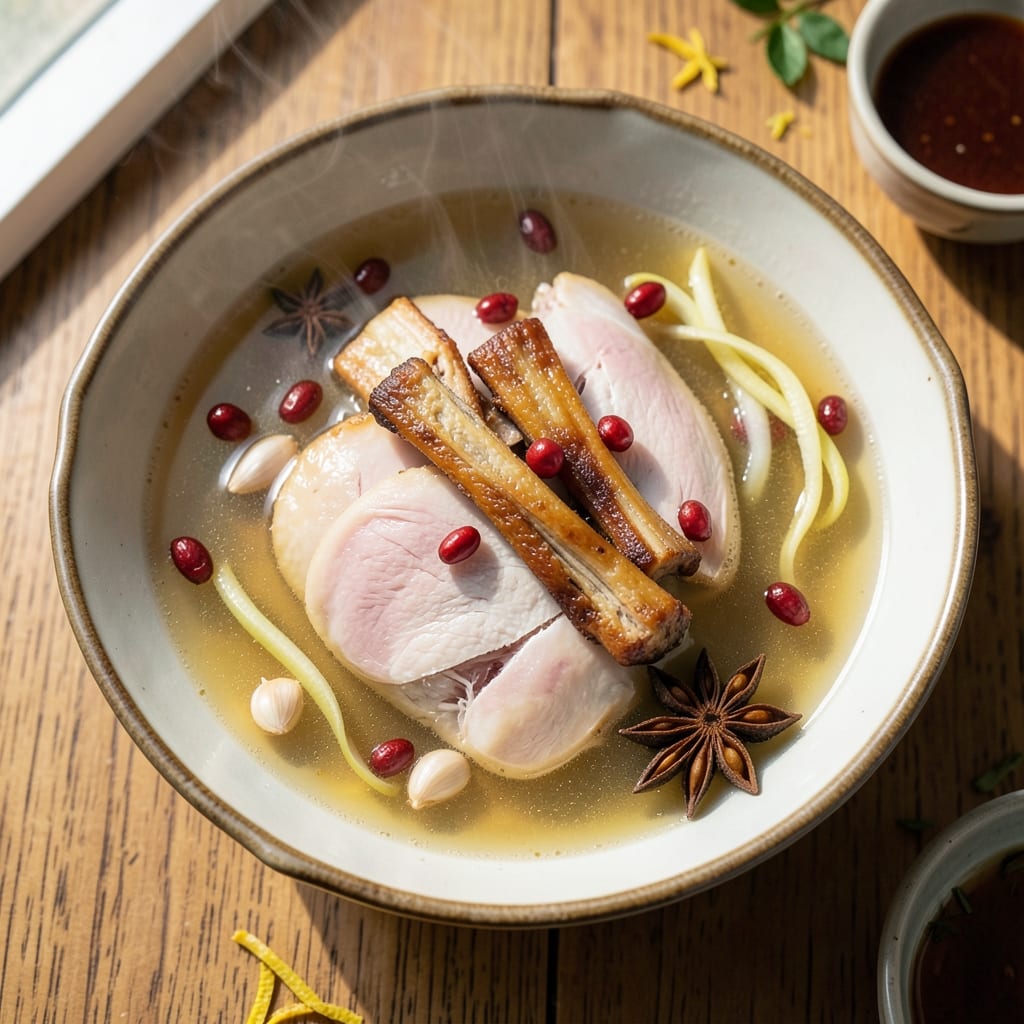
This authentic Chinese chicken soup recipe brings warmth and tradition to your kitchen with a fragrant ginger-garlic broth and silky egg ribbons. 🌟 The secret lies in slow-simmered spices like star anise and goji berries, creating layers of flavor that transform simple ingredients into something truly special. I've perfected this Cantonese-inspired version over years of testing, balancing authenticity with home-cook practicality.
The magic begins with a rich, aromatic broth that simmers for hours, extracting deep umami from chicken bones and vegetables. Traditional Chinese techniques—like blooming whole spices in hot oil—create complexity that store-bought versions can't match. What sets this apart is the delicate egg ribbon technique, where beaten eggs are gently swirled into the hot broth for a silky, melt-in-your-mouth texture that's both elegant and comforting.
By the time you're done, you'll have a steaming bowl of soup that's packed with tender chicken, vibrant vegetables, and those signature egg ribbons floating on top. The aroma alone will transport you to bustling Chinese markets, while the flavors—savory, slightly sweet, and subtly spiced—deliver restaurant-quality results at home. This is the kind of soup that feels like a hug in a bowl, perfect for cold days or when you need nourishment.
Serve with steamed rice and garnish with fresh cilantro and scallions for brightness. The broth keeps well for days, so you can make a big batch and enjoy it all week. Here's how to create this comforting classic in your own kitchen.
Ingredients for authentic chinese chicken soup
Sixteen ingredients transform into a fragrant, comforting bowl of tradition.
| Ingredient | Amount | Notes |
|---|---|---|
| Chicken Bones 🍗 | 2 lb | With meat, for rich broth |
| Chicken Breast 🍗 | 1 ½ lb | Boneless, skinless, cut into bite-sized pieces |
| Fresh Ginger Root 🌿 | 2 tbsp | Grated, peeled, for aromatic base |
| Garlic Cloves 🧄 | 8 cloves | Minced, for deep flavor |
| Star Anise 🌶️ | 2 whole | For authentic Chinese aroma |
| Goji Berries 🍇 | 1 tbsp | Dried, for subtle sweetness |
| Dried Shitake Mushrooms 🍄 | 4 whole | Soaked, for umami depth |
| Daikon Radish 🥕 | 1 whole | Cut into chunks, for texture |
| Carrots 🥕 | 2 whole | Cut into thick slices |
| Celery Stalks 🌿 | 2 whole | Cut into 2-inch pieces |
| Large Eggs 🥚 | 4 whole | Fresh, for silky ribbons |
| Light Soy Sauce 🍶 | 2 tbsp | For savory balance |
| Sesame Oil 🫒 | 1 tbsp | For finishing aroma |
| Fresh Cilantro 🌿 | ¼ cup | Chopped, for garnish |
| Green Onions 🧅 | 4 whole | Sliced, for garnish |
The chicken bones are non-negotiable for that deep, restaurant-quality broth—look for bone-in pieces with some meat still attached. Asian markets often have the best selection, but your grocery store's meat section works too. Fresh ginger and garlic should smell vibrant, not dried out. Star anise and goji berries? Penzeys Spices or bulk bins at Whole Foods are your best bets for authentic quality. The shiitake mushrooms add umami magic, but if you can't find dried, fresh will work in a pinch—just adjust the cooking time.
No star anise? Cinnamon sticks or fennel seeds can mimic that warm aroma, though nothing beats the real thing. Goji berries hard to find? Dried cranberries or raisins add sweetness, but they won't have that same earthy depth. For the egg ribbons, room-temperature eggs beat straight-from-the-fridge—they'll swirl better into silky strands. The sesame oil is for finishing, so grab the toasted variety at Trader Joe's for extra flavor punch. Fresh cilantro and green onions brighten things up, but dried oregano works if you're in a bind.
Broth keeps for 5-6 days in the fridge or 3 months frozen—make extra for leftovers. The egg ribbons are best served immediately, but you can reheat the soup without them and add fresh ribbons when serving. Store the broth in airtight containers, and the vegetables can be prepped ahead and refrigerated for 2 days. This soup tastes even better the next day as all the flavors meld together.
Why You'll Love This Recipe
- Soup in 45 Minutes: The chicken bones do all the heavy lifting—just simmer them with ginger and star anise, and you’ve got rich broth without hours of work. I’m talking actual depth of flavor, not just watered-down consommé.
- Ginger-Garlic Magic: That first bite? The garlic hits crisp, the ginger lingers warm, and the star anise adds this subtle spice that makes it taste like a home-cooked secret. Honestly, the broth alone could be a meal—no joke.
- Leftovers That Shine: This soup only gets better the next day. Toss in some rice or noodles, and suddenly you’ve got lunch, dinner, or a sick hangover cure. My freezer is stocked with batches because reheating it is that easy.
- Budget-Friendly Bone Broth: Chicken bones are cheap, and they turn into liquid gold. Between us, this is how I stretch a grocery budget—one pot feeds the whole family, and the leftovers stretch into stir-fries or dumplings. No waste, all flavor.
Step-by-step instructions for authentic Chinese chicken soup
Here's how to build a fragrant, restaurant-quality broth with silky egg ribbons and tender chicken.
🔥 Step 1: Build the Aromatic Broth Base
In a large pot, combine the 2 lb chicken bones with 2 tbsp grated fresh ginger root and 8 cloves minced garlic cloves. Add 2 whole star anise and 1 tbsp goji berries—these create the authentic Chinese aroma profile. Cover with cold water by about 2 inches and bring to a boil over high heat.
Once boiling, reduce to a gentle simmer and skim off any foam that rises to the surface for the first 10 minutes. This ensures a clear, clean broth. Let it simmer uncovered for 45 minutes, stirring occasionally, until the broth develops a rich, golden color and deep aroma. Here's the thing—this initial simmering extracts maximum flavor from the bones and aromatics.
🍳 Step 2: Add Vegetables and Chicken Pieces
Meanwhile, prepare the vegetables: cut the 1 whole daikon radish into 1-inch chunks, slice the 2 whole carrots into ½-inch thick rounds, and cut the 2 whole celery stalks into 2-inch pieces. Soak the 4 whole dried shitake mushrooms in hot water for 20 minutes to rehydrate, then slice them.
After the initial 45 minutes, add all prepared vegetables to the simmering broth along with the 1.5 lb bite-sized chicken breast pieces. Stir gently and simmer uncovered for another 30-40 minutes until the chicken is fork-tender and the vegetables are just tender (about 10 minutes for daikon, 15 minutes for carrots). You'll know it's ready when a knife slides in easily through the chicken pieces and the broth has a deep, savory aroma.
🥘 Step 3: Season and Prepare the Egg Ribbons
Remove the 2 whole star anise and 1 tbsp goji berries from the broth. Stir in the 2 tbsp light soy sauce and let the soup simmer for an additional 5 minutes to allow the flavors to meld. For the egg ribbons, crack the 4 whole large eggs into a small bowl and whisk lightly—just enough to combine the yolks and whites without creating too many bubbles.
Here's where it gets fun: ladle 1 cup of the hot broth into the egg mixture while whisking constantly. This creates silky egg ribbons that'll melt beautifully in the soup. Pour the egg mixture back into the pot and let it sit for 30 seconds until the eggs just begin to set. Then stir gently to create those signature ribbons—this is the moment that matters.
⏰ Step 4: Finish with Sesame Oil and Garnish
Remove the soup from heat and stir in 1 tbsp sesame oil. This adds a nutty aroma that elevates the entire dish. Taste and adjust seasoning if needed—you might want to add a pinch more soy sauce for saltiness or a splash of water if the broth is too thick. Let the soup rest for 5 minutes to allow all the flavors to meld together.
Before serving, garnish each bowl with 0.25 cup chopped fresh cilantro and 4 whole sliced green onions. The bright green garnishes provide a beautiful contrast to the rich broth and silky egg ribbons. Serve immediately with steamed rice on the side—this authentic Chinese chicken soup is best enjoyed while hot.
Pro Tips For Making Authentic Chinese Chicken Soup
- PARBOIL BONES FIRST: I learned this the hard way—skipping the 10-minute parboil makes the bones tough as boot leather. The goal isn’t to cook them through, just to blanch off impurities and open the collagen. Use a separate pot with cold water and a splash of vinegar (the acid helps), then rinse thoroughly before adding to your soup—this keeps the broth crystal clear.
- PEEL GINGER LIKE A PRO: That thick, fibrous skin on ginger? It’s the part that makes your soup taste bitter and muddy. Use a spoon to scrape off the skin in one continuous motion (no peeling like an apple—you’ll waste good ginger). Then, smash the whole knob with the side of your knife before slicing—this releases the oils and aromatics without turning your soup into a paste.
- DON’T CROWD THE POT: I used to toss everything in at once, thinking more heat = faster soup. Wrong. Chicken breast needs space to sear, and star anise buried under bones won’t infuse properly. Start with a single layer of bones in a cold pot, then add water and bring to a rolling boil before adding anything else. Patience here guarantees depth of flavor—not just speed.
- SIMMER LOW AND LONG: After 20 minutes of boiling, resist the urge to walk away. Drop the heat to a gentle simmer (tiny bubbles, not a rolling boil) and let it cook uncovered for at least 2 hours. The collagen breaks down slowly, turning bones into melt-in-your-mouth goodness. I know, I know—it’s tempting to crank the heat—but rushing this step turns your soup into broth. Trust the process.
Make-ahead tips for leftovers
Broth Prep Ahead
Start your broth preparation the night before for maximum flavor. After simmering the chicken bones with aromatics for 45 minutes, let it cool completely, then refrigerate uncovered for 8-12 hours. This chilling step helps render more fat and collagen from the bones, creating a richer broth. The next day, skim off the hardened fat layer before reheating—this is the secret to a crystal-clear, restaurant-quality base. 💫
Egg Ribbon Shortcut
Make egg ribbon mix ahead and store it in the fridge for up to 2 days. Whisk 4 large eggs lightly with 1 cup hot broth (as in the recipe), then transfer to an airtight container. When ready to serve, simply reheat the soup to 180°F and gently swirl in the cold egg mixture—it'll transform instantly into silky ribbons. This saves time during busy weeknights!
Vegetable Prep Timeline
Chop all vegetables the day before and store them in separate airtight containers in the fridge. The daikon radish, carrots, and celery will stay fresh for 3-4 days this way. Soak the dried shiitake mushrooms in hot water overnight—they'll rehydrate perfectly and be ready to slice when you need them. This prep work makes assembly on soup day a breeze. ✨
Freezer-Friendly Broth
Double the broth recipe and freeze half for future meals. Use gallon-sized freezer bags (lay them flat to save space) and label with the date. Thaw overnight in the fridge before reheating—never microwave directly from frozen. The broth will keep its rich flavor for up to 3 months this way. Just add fresh chicken and vegetables when reheating for a quick meal.
Egg Ribbon Variations
Try making chive oil egg ribbons for a different flavor profile. Mix 1 tbsp chopped chives into the egg mixture before adding hot broth. For extra richness, add 1 tsp butter to the egg mixture. These variations work beautifully with the same broth base—just adjust the garnish to match. 🌿
Serving Strategy
Keep the soup warm in a slow cooker on "Warm" setting for up to 4 hours while you prepare sides. Reheat gently on the stovetop if needed—never boil vigorously after adding egg ribbons to prevent them from breaking. Serve with pre-steamed rice in individual bowls to maintain the authentic presentation. This keeps everything hot and ready when guests arrive. 🍚
Nutrition facts
Frequently asked questions
Can I use chicken thighs instead of chicken breast for this recipe?
Chicken thighs add even more richness to the broth and stay tender when cooked properly. Use 1.5 lb bone-in, skin-on thighs for maximum flavor. The skin will render fat that enhances the broth, while the bones contribute extra collagen. Just increase simmering time by 10-15 minutes to ensure they're fully tender.
What's the secret to getting those perfect silky egg ribbons?
The key is temperature control and gentle whisking. Use room-temperature eggs and whisk them lightly—just enough to combine yolks and whites without creating bubbles. When adding hot broth, whisk constantly while pouring, then let the mixture sit for exactly 30 seconds before stirring gently. The broth should be 180°F (not boiling) when you add the eggs.
How can I make this soup spicier? For authentic Chinese heat, add 1 tsp chili oil or ½ tsp Sichuan peppercorns to the simmering broth. For a milder kick, stir in ½ tsp red pepper flakes when removing the star anise. You can also add a dash of chili crisp as a garnish before serving.
Can I substitute any of the traditional Chinese ingredients?
Most ingredients can be swapped with some adjustments. For star anise, use 1 cinnamon stick or ½ tsp fennel seeds. Goji berries can be replaced with ½ tsp dried cranberries for sweetness. If you can't find daikon radish, parsnips work well. The most important ingredient to keep authentic is the shiitake mushrooms—they provide that essential umami depth.
Why does my broth look cloudy after simmering?
Cloudy broth usually means you didn't skim enough foam during the initial 10 minutes of simmering. For crystal-clear broth, skim vigorously for the first 15 minutes and consider adding an extra 1 tbsp cornstarch mixed with water as a clarifier. Also, make sure your chicken bones are clean—any meat residue can cause cloudiness. The broth should develop a rich amber color, not appear murky.