
Side Dishes
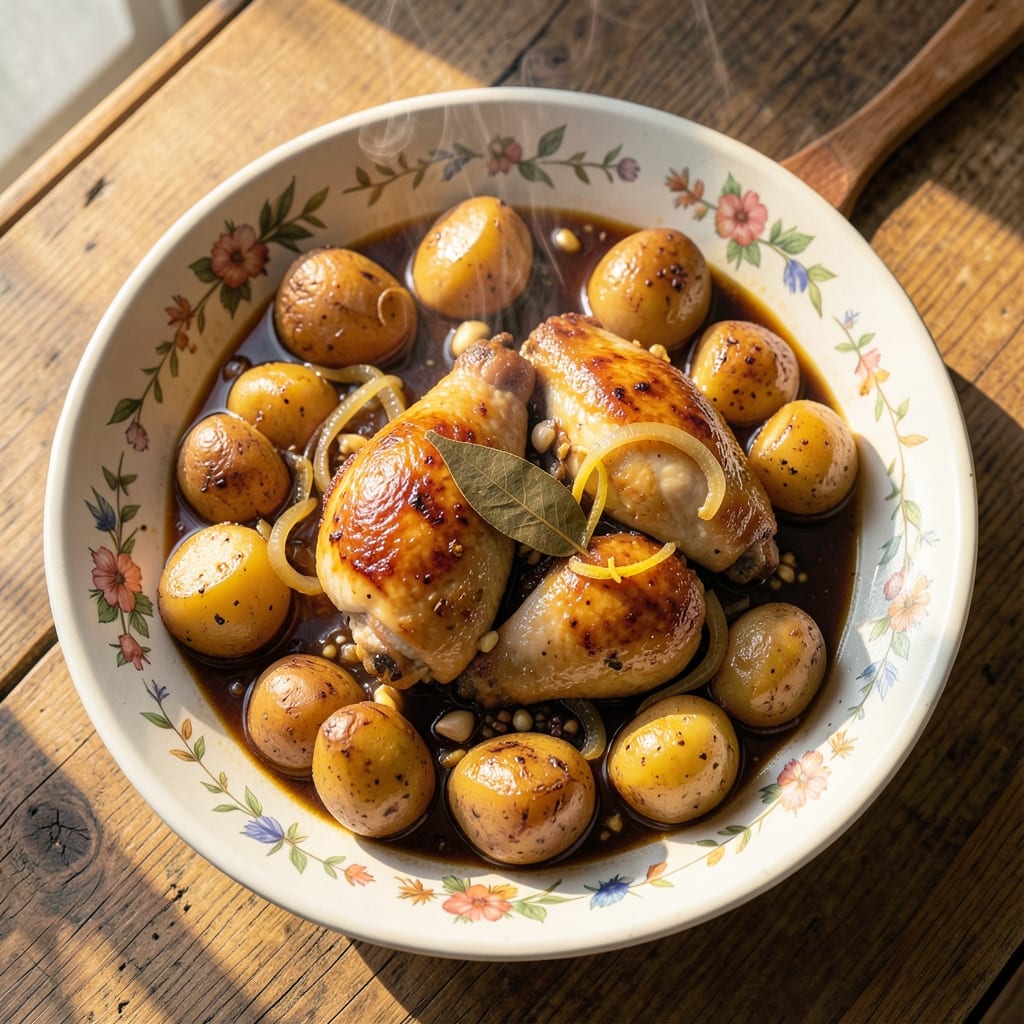
This authentic Filipino chicken adobo recipe with potatoes delivers the tangy, savory depth that makes it a comfort food staple across the Philippines. The secret lies in balancing vinegar and soy sauce, which tenderize the chicken while creating that signature caramelized sauce. I've perfected this version over years of testing—every bite delivers restaurant-quality flavor at home.
The dish transforms tough chicken thighs into melt-in-your-mouth tenderness through slow braising, while potatoes soak up the rich, slightly sweet-sour sauce. Authentic ingredients like garlic, bay leaves, and black peppercorns build layers of flavor that elevate this beyond a simple weeknight meal. The magic happens in the cooking process, where patience pays off with a dish that tastes like home.
What sets this recipe apart is the harmony of textures and flavors: crispy chicken edges, fork-tender meat, and potatoes that absorb just enough sauce to be flavorful without falling apart. The aroma alone—vinegar mingling with soy and garlic—will have your kitchen smelling like a Filipino karinderia (eatery) in minutes.
Perfect for feeding a crowd or meal prepping, this adobo keeps well for days, with flavors deepening as it rests. The versatility of the sauce also makes it adaptable—use it over rice, as a filling for lumpia, or even as a marinade. Here's how to make it authentically delicious.
Ingredients for authentic filipino chicken adobo recipe with potatoes
Six ingredients transform tough chicken into melt-in-your-mouth adobo magic with potatoes.
| Ingredient | Amount | Notes |
|---|---|---|
| Chicken Thighs, Bone-In 🍗 | 3 lb | Skin-on preferred for crispiness |
| White Vinegar 🍶 | 1 ½ cups | Distilled white vinegar preferred |
| Soy Sauce 🥫 | 1 cup | Filipino-style soy sauce if available |
| Yellow Onions 🧅 | 2 whole | Medium-sized, sliced into wedges |
| Garlic Cloves 🧄 | 8 cloves | Fresh, peeled and lightly crushed |
| Russet Potatoes 🥔 | 3 lb | Medium-sized, cut into chunks |
| Bay Leaves 🌿 | 2 whole | Dried, standard size |
| Black Peppercorns 🌶️ | 1 tsp | Whole, lightly crushed |
| Sugar 🍚 | 2 tbsp | White granulated sugar |
| Olive Oil 🫒 | 2 tbsp | Extra-virgin for richness |
| Salt 🧂 | 1 ½ tsp | Kosher or sea salt |
| Water 💧 | 1 cup | For initial deglazing |
The chicken thighs are non-negotiable here—bone-in, skin-on for that crispy texture you can't get with breasts. Filipino markets often carry pre-cut thighs at better prices, but any grocery store's butcher section works. Look for thighs with good marbling—they'll stay juicier during the long braise. I usually grab a 3-pound pack, but if you're feeding fewer, 2 pounds will work too. The potatoes? Russets hold up best—they soak up the sauce without falling apart. Cut them into even chunks so they cook at the same rate as the chicken. For the garlic, fresh is a must—dried won't give you that authentic depth of flavor.
No Filipino soy sauce? Regular soy sauce plus a splash of coconut aminos gets you close. Short on vinegar? White wine vinegar works in a pinch, but the flavor won't be quite as bright. The sugar might seem odd, but it's essential—it balances the acidity and helps caramelize the sauce. Brown sugar works too, but white keeps things cleaner. For the bay leaves, if you can't find them, dried thyme at half the amount is a decent swap. And that olive oil? Don't skip it—it helps build flavor in the sauce. If you're watching calories, reduce to 1 tbsp—it won't affect the taste much.
This dish tastes even better the next day, so make extra if you can. Store leftovers in the fridge for up to 5 days, or freeze portions for 3 months. The sauce thickens as it cools, so adding a splash of water when reheating works wonders. I always make this in a Dutch oven—it's perfect for the braising process. If you're prepping ahead, par-cook the potatoes and store them separately until ready to braise. The chicken can be marinated overnight too—just keep it in the fridge in a sealed bag.
Why You'll Love This Recipe
- One-Pan Magic: I swear by this—bone-in thighs, potatoes, and a splash of vinegar all simmer together. No chopping boards, no extra pots, just one pan that smells like heaven by the end.
- Tangy, Savory Crunch: That balance of vinegar’s sharp bite and soy’s umami depth? It’s the kind of flavor that sticks with you. The potatoes soak up the sauce perfectly, and the garlic? Oh, it’s there—in the best way.
- Leftovers That Beg for More: Honestly, I make this on Sundays just so I can eat it all week. The sauce thickens beautifully, and reheating it? It’s even better the second time—crispy edges on the chicken, tender potatoes every time.
- Pantry Staple Power: Between us, this recipe costs me about $12 for a full batch. Vinegar, soy sauce, onions, garlic—stuff I already have. It’s my go-to when I’m broke but refuse to eat boring food.
Step-by-step instructions for authentic Filipino chicken adobo with potatoes
Here's how to make this classic Filipino dish with perfectly tender chicken and potatoes.
Marinate the Chicken Overnight for Maximum Flavor
In a large bowl, combine the 3 lb chicken thighs, bone-in, with 1.5 cups white vinegar, 1 cup soy sauce, 2 tbsp sugar, 1.5 tsp salt, and 1 tsp black peppercorns. I like to press the peppercorns against the chicken skin so they release their flavor gradually. Add 2 whole bay leaves and 8 cloves garlic cloves (lightly crushed). Mix gently to coat the chicken evenly.
This marinade does double duty—it tenderizes the chicken and builds the rich, tangy-savory base of the adobo. Cover the bowl and refrigerate for at least 12 hours, or up to 24 hours for deeper flavor. The longer it marinates, the more complex the taste becomes, but even 8 hours will give you great results. Real talk: this waiting time is worth it for that authentic Filipino taste.
Sear the Chicken and Potatoes for Depth of Flavor
Remove the chicken from the marinade (reserve the marinade) and pat it dry with paper towels. Heat 2 tbsp olive oil in a large Dutch oven over medium-high heat. Working in batches if needed, sear the chicken thighs skin-side down for 4-5 minutes until the skin is golden brown and crispy. Flip and sear the other side for 3-4 minutes. Transfer the chicken to a plate and set aside.
In the same Dutch oven, add the 3 lb russet potatoes (cut into 1-inch chunks) and cook for 8-10 minutes, stirring occasionally, until they develop a golden crust in spots. Add the 2 whole yellow onions (sliced into wedges) and cook for another 3-4 minutes until softened. This step adds incredible texture and flavor—don't skip it. The potatoes will finish cooking later, but this head start ensures they're fully tender.
Simmer the Adobo Until Chicken is Fork-Tender
Return the chicken to the Dutch oven. Pour in the reserved marinade and add 1 cup water. Bring to a gentle boil over high heat, then reduce to a simmer. The mixture should bubble gently—if it boils too vigorously, the chicken will toughen instead of tenderize. Cover the pot and simmer for 45-50 minutes, turning the chicken occasionally, until the chicken is fork-tender and the sauce has thickened slightly.
Here's the thing—you want the sauce to coat the back of a spoon but still be slightly loose. If it reduces too much, add 2-3 tablespoons of water at a time until you reach the right consistency. The chicken is done when it pulls apart easily with a fork and the juices run clear. Don't rush this step; patience ensures that melt-in-your-mouth texture that makes adobo so special.
Finish with Garlic and Rest Before Serving
Remove the 2 whole bay leaves from the pot. Increase the heat to medium-high and add the 8 cloves garlic cloves (if not already in the pot). Cook for 1-2 minutes until the garlic is fragrant but not browned—this releases its sweet, mellow flavor without bitterness. Taste the sauce and adjust seasoning if needed; you might need a little more salt or sugar to balance the acidity.
Transfer the chicken and potatoes to a serving platter, spooning the sauce over the top. Let it rest for 5-10 minutes before serving. This resting time allows the juices to redistribute, ensuring every bite is moist and flavorful. Serve with steamed rice to soak up that delicious adobo sauce—it's the perfect pairing for this dish.
Pro Tips For Making Authentic Filipino Chicken Adobo Recipe With Potatoes
- CRANK THE HEAT FIRST: Start your chicken thighs in a dry, screaming-hot pan for 3-4 minutes—skin-side down—until deep golden. I used to simmer them gently, and the sauce never got that rich, caramelized depth. The Maillard reaction kicks in fast, and that’s where the real flavor lives.
- MINCE THAT GARLIC FINE: No, "chopped" isn’t enough. Pulse your garlic cloves in a food processor until it’s almost a paste—this way, it blends into the sauce instead of sitting as chunks. I learned this the hard way after biting into a garlic surprise mid-bite.
- DON’T DROWN THE POTATOES: Add them in the last 10 minutes of cooking, and use just enough liquid to barely cover them. Too much liquid = soggy spuds. I now eyeball the sauce level, aiming for "slightly under" rather than "fully submerged," and they come out perfectly tender.
- SALVAGE THE FIRST BATCH OF VINEGAR: Save the first splash of vinegar you add to deglaze the pan—it’s packed with flavor. Pour it into your sauce later, not down the drain. I was skeptical until I tasted the difference: that first hit of vinegar is where the tang really builds.
Common mistakes when making your authentic filipino chicken adobo recipe with potatoes
Skipping the Marinade
I cannot stress enough how critical the marinade is to authentic adobo flavor. Skipping it means missing out on the vinegar-soy sauce tenderizing magic that creates that signature tangy depth. The acid in the vinegar breaks down the chicken fibers, while the soy adds umami. If you're short on time, marinate for at least 4 hours—just don't skip it entirely. The flavor difference is night and day. 🍗
Using Chicken Breasts
Bone-in, skin-on chicken thighs are non-negotiable for authentic adobo. Chicken breasts cook faster and dry out during the long braising time. If you must use breasts, pound them to ½-inch thickness and reduce cooking time to 25-30 minutes after searing. I've tried this swap, and while it works in a pinch, the texture and flavor just aren't the same. Save the breasts for stir-fries where quick cooking is essential.
Overcrowding the Pot
Packing the Dutch oven too tightly with chicken and potatoes steams the food instead of searing it, leading to bland flavors. Leave ½-inch space between pieces when searing. If your pot is too small, work in batches—sear the chicken first, then the potatoes. I've made this mistake and ended up with soggy potatoes and chicken that absorbed too much sauce. The goal is crispy edges on the chicken and slightly caramelized potatoes, not a mushy pile.
Ignoring the Simmer
Boiling the adobo vigorously after adding the marinade creates tough, dry chicken. You want a gentle simmer—tiny bubbles breaking the surface, not a rolling boil. If your pot boils too hard, reduce the heat immediately. The slow simmer allows the chicken to tenderize properly while developing that rich, caramelized sauce. I've seen people rush this step and end up with chicken that's still chewy after an hour of cooking. Patience is key here.
Forgetting to Rest
Skipping the 5-10 minute rest after cooking means juices will spill everywhere when you cut into the chicken. This resting time lets the meat reabsorb its natural juices, resulting in moist, flavorful bites. I've served adobo immediately after cooking and regretted it every time—the first few bites are dry, then suddenly juicy. Trust the process and let it rest. It's worth the wait for that perfect texture. 💪
Using the Wrong Vinegar
White vinegar is essential for authentic adobo flavor. Apple cider or balsamic vinegar will change the taste profile dramatically. If you only have apple cider vinegar, use it, but reduce the amount to 1 cup and add ½ cup extra water to compensate for the milder acidity. The bright, sharp tang of white vinegar is what gives adobo its signature kick. I've experimented with other vinegars, and while they work, nothing beats the classic white vinegar for that authentic Filipino taste.
Nutrition facts
Frequently asked questions
Can I substitute chicken thighs with another cut?
While bone-in, skin-on chicken thighs are ideal for authentic adobo, you can use drumsticks if needed. Just reduce cooking time to 35-40 minutes after searing. For breasts, pound them to ½-inch thickness and cook for only 25-30 minutes—they'll dry out if left too long. The thigh's fat content keeps the meat juicy during the long braise.
How do I adjust the recipe for fewer servings?
For 4 servings, use 2 lb chicken thighs, 1 lb potatoes, 1 cup vinegar, and ½ cup soy sauce. Keep all other ingredients proportional. The key is maintaining the same ratio of vinegar to soy sauce (3:2) and garlic to chicken (1 clove per ½ lb meat). This ensures the signature tangy balance remains intact.
Why does my adobo sauce turn cloudy?
Cloudy sauce usually means the vinegar wasn't properly balanced with soy sauce or sugar. Add 1 tbsp sugar and 1 tsp soy sauce, then simmer for 5 minutes to clarify. Alternatively, strain the sauce through a fine-mesh sieve to remove any starch from the potatoes. For extra richness, whisk in 1 tbsp olive oil at the end.
Can I make adobo in an Instant Pot?
Yes! Sear the chicken and potatoes first, then add the marinade and 1 cup water. Cook on high pressure for 20 minutes, then quick-release. Finish by sautéing garlic for 1 minute to build flavor. The Instant Pot cuts cooking time but may yield slightly less caramelized sauce. For best results, use the sauté function to mimic the Dutch oven searing step.
What's the best way to reheat leftovers?
Gently reheat in a skillet over low heat with 2 tbsp water to prevent drying. For microwave reheating, cover with a damp paper towel and heat in 30-second intervals, stirring between each. Avoid boiling—this makes the sauce watery. The dish tastes even better reheated, as flavors meld further. Store leftovers for up to 5 days in the fridge.