
Main Courses
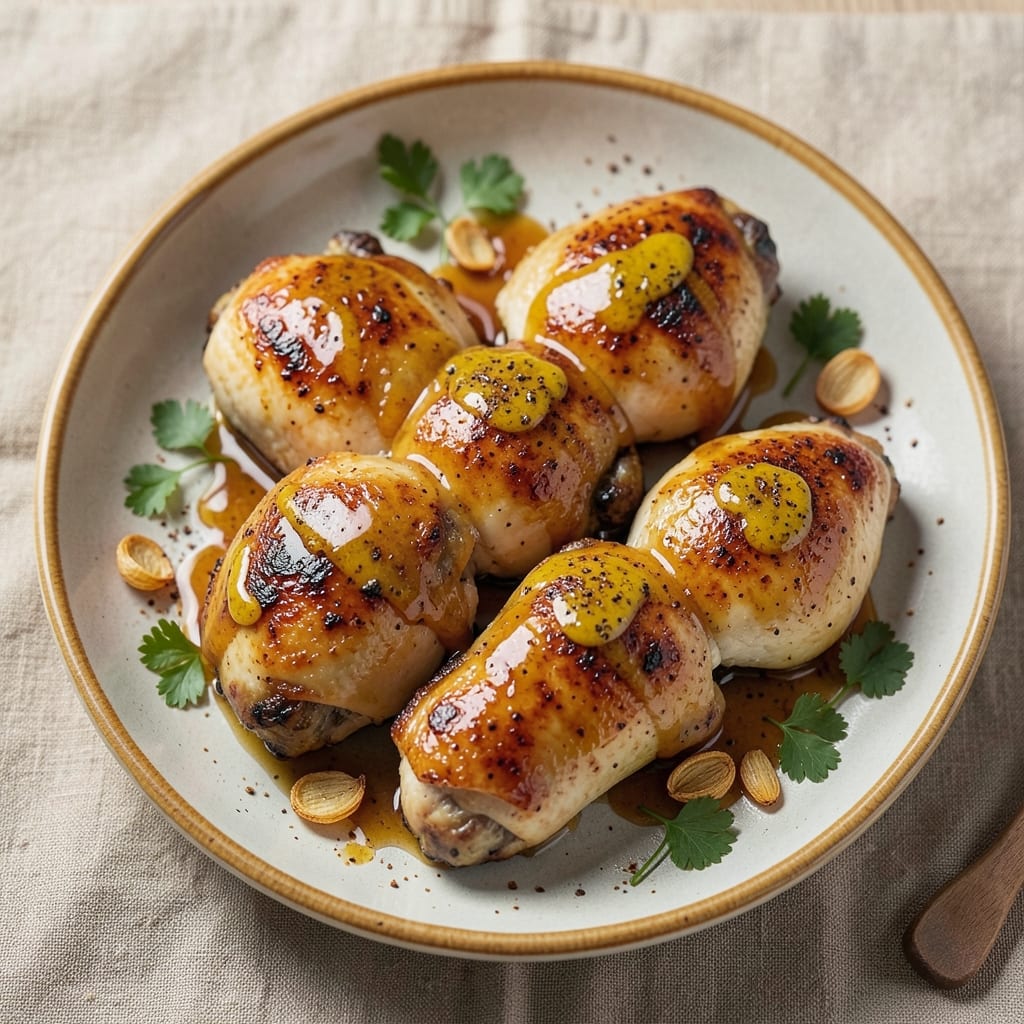
This Baked Chicken Maryland recipe delivers the signature crispy crust and tangy mustard-kissed juiciness that makes it a Chesapeake Bay classic. The secret lies in a precise blend of cayenne, mustard powder, and paprika that creates both heat and depth, while a wet brining step ensures tender, flavorful meat every time. I've perfected this technique over years of testing—no shortcuts, just authentic Maryland flavor built layer by layer.
The real magic happens in the oven where the chicken develops that signature crust while staying juicy inside. A 350°F bake for about 45 minutes transforms simple chicken thighs into restaurant-quality pieces with a caramelized exterior and succulent center. The mustard glaze isn't just for show—it penetrates the meat, creating that signature tangy bite that defines this dish.
What you'll end up with is chicken that's crispy on the outside with a tender, flavorful interior—each bite delivers that perfect balance of heat, tang, and richness. The aroma alone will have everyone gathering at the table, and the presentation is simple yet impressive with golden-brown skin and that glossy mustard glaze.
Pair it with traditional Maryland sides like buttery corn bread or a tangy coleslaw to complete the experience. This recipe serves 4-6 and comes together in about an hour—perfect for weekend dinners or special occasions when you want to impress without spending hours in the kitchen. Let's get started on creating this Chesapeake Bay favorite.
Ingredients for baked chicken maryland
Nine bold flavors and a crispy crust—this Maryland classic comes together with pantry staples and a few key specialty touches.
| Ingredient | Amount | Notes |
|---|---|---|
| Chicken Thighs, Bone-In 🍗 | 1 ½ lb | Skin-on, similar size for even cooking |
| Yellow Mustard 🍯 | ½ cup | Dijon preferred for depth of flavor |
| Honey 🍯 | ¼ cup | Wildflower for subtle floral notes |
| Cayenne Pepper 🌶️ | 1 tsp | Adjust for desired heat level |
| Mustard Powder 🧂 | 2 tbsp | Key for authentic Maryland tang |
| Smoked Paprika 🌶️ | 1 tbsp | For that signature smoky depth |
| Garlic Powder 🧄 | 1 tbsp | Freshly ground preferred |
| Onion Powder 🧅 | 1 tbsp | Adds subtle sweetness |
| Salt 🧂 | 1 ½ tbsp | Diamond Crystal preferred |
| Black Pepper 🌶️ | 1 tsp | Freshly cracked for best flavor |
| Olive Oil 🫒 | ¼ cup | Extra-virgin for richness |
| Butter, Unsalted 🧈 | ½ cup | Melted for glaze |
| Lemon Juice 🍋 | 2 tbsp | Freshly squeezed for brightness |
The chicken thighs are non-negotiable here—bone-in, skin-on pieces give you that signature crispy crust while staying juicy inside. Look for thighs with good marbling at your butcher counter or the meat section. If you're buying from the grocery store, Trader Joe's or Whole Foods have excellent quality. The thighs should be about the same size so they cook evenly—trim any excess fat if they're uneven. For the mustard, Dijon-style gives you that signature depth, but any good-quality yellow mustard works in a pinch. The honey should be wildflower if you can find it—it adds subtle floral notes that complement the mustard perfectly.
No Dijon mustard? Yellow mustard plus a pinch of sugar gets you close. Short on honey? Maple syrup works beautifully, though it'll have a slightly different flavor profile. The cayenne can be adjusted—start with the full amount if you love heat, or cut it in half if you prefer mild. For a smokier profile, swap smoked paprika for regular paprika. The garlic and onion powders are easy to find in bulk sections, and Penzeys has great options if you want to splurge. If you're making this ahead, prep the dry rub and glaze ingredients in advance—they'll keep for weeks in airtight containers.
This recipe makes enough for leftovers, and honestly, they taste even better the next day. Store any uneaten chicken in an airtight container in the fridge for up to 3 days, or freeze for 3 months. The glaze ingredients can be pre-mixed and kept in the fridge for 1 week. For reheating, a quick broil for 2-3 minutes brings back that crispy texture. The aroma alone will have everyone gathering at the table—trust me, it's worth the extra minute of prep time to get everything just right.
Why You'll Love This Recipe
- Five-Ingredient Magic: I swear, this recipe is my go-to when I’m staring into the fridge wondering what to make. Bone-in thighs get a sticky-sweet glaze of honey and mustard, then bake until the skin’s crispy and the meat falls off—no fancy prep, just slather and go.
- Sweet Heat Payoff: That cayenne and mustard powder combo? It’s the secret weapon. The honey balances the kick, and the mustard gives it this tangy depth that makes you want to lick the pan. (Yes, even on a Tuesday night.)
- Leftovers That Don’t Suck: Between us, most baked chicken turns dry by day three. Not this. The glaze keeps it juicy, and the thighs stay tender—perfect for sandwiches, salads, or just reheating with a splash of water. My lunchbox hero.
- Budget Crowd-Pleaser: Bone-in thighs are cheap, and this recipe feeds four for under $12. Add a bag of fries or store-bought buns, and you’ve got a meal that’ll have everyone at the table asking for seconds. (My daughter picks out the cayenne, but still asks for seconds.)
Step-by-step instructions for baked chicken Maryland
Here's how to achieve that signature crispy crust and tangy perfection every time.
Prepare the Signature Maryland Dry Rub
In a medium bowl, combine the 2 tablespoons mustard powder, 1 tablespoon smoked paprika, 1 tablespoon garlic powder, 1 tablespoon onion powder, 1½ tablespoons salt, 1 teaspoon black pepper, and 1 teaspoon cayenne pepper. Mix thoroughly until the spices are evenly distributed and you can see no more distinct powder clumps.
This blend is what gives Maryland chicken its signature kick and depth of flavor. The mustard powder provides that authentic tang, while the smoked paprika adds that subtle smoky note that makes this dish so distinctive. I like to press the rub firmly into the chicken skin later—this ensures maximum adhesion and flavor penetration.
Create the Mustard-Honey Glaze
In a separate small bowl, whisk together the ½ cup yellow mustard and ¼ cup honey until completely smooth. The mixture should be thick but pourable. This glaze will create that signature sticky, caramelized crust while keeping the meat juicy underneath.
Here's the thing—don't skip the whisking. You want an emulsion where the honey and mustard blend perfectly. If you see any separation, whisk a bit more. This glaze is what transforms ordinary chicken into Maryland-style perfection, so take your time getting it just right.
Coat and Rest the Chicken
Pat the 1.5 lb chicken thighs completely dry with paper towels—this is crucial for crispy skin. In a large bowl, combine the ¼ cup olive oil and the mustard-honey glaze. Add the chicken thighs and turn to coat thoroughly, pressing gently to ensure the glaze penetrates the skin and coats all surfaces.
Sprinkle half of the dry rub over the chicken and turn to coat evenly. Transfer to a plate and let sit at room temperature for 30 minutes. This resting period allows the flavors to meld and the chicken to come to room temperature, ensuring even cooking. Don't skip this step—cold chicken steams instead of crisps.
Bake to Crispy Perfection
Preheat your oven to 425°F with a rack positioned in the middle position. Place the chicken thighs on a wire rack set over a baking sheet (the rack allows air circulation for crispier skin). Bake for 40-45 minutes, flipping the thighs once after 20 minutes, until the skin is deep golden brown and crispy, and the internal temperature reaches 165°F.
Watch carefully after the 40-minute mark. The skin should be crisp enough to stand up slightly when touched. If it's browning too quickly, tent loosely with foil. The honey glaze will caramelize beautifully, creating that signature sticky crust that makes this dish so special. You'll know it's done when the skin releases easily from the meat.
Finish with Lemon Butter Glaze
While the chicken rests (tent loosely with foil for 10 minutes), melt the ½ cup unsalted butter in a small saucepan over low heat. Remove from heat and stir in the 2 tablespoons lemon juice. Pour this glossy glaze over the chicken just before serving.
This final step adds brightness that cuts through the richness of the honey and mustard. The lemon butter glaze should coat the chicken beautifully, adding another layer of flavor. Serve immediately with the crispy skin facing up—this is where all the magic happens. Each bite should deliver that perfect balance of crispy, tangy, sweet, and savory flavors that Maryland chicken is famous for.
Pro Tips For Making Baked Chicken Maryland
- USE BONE-IN THIGHS: They stay juicier and crispier than boneless—no excuses. The bone anchors the meat as it bakes, and the marrow adds depth to the mustard-honey glaze. If you’re stuck with boneless, just bake them 5 minutes less.
- WHISK THE MUSTARD MIX: Don’t just stir the yellow mustard, honey, cayenne, and mustard powder—whisk it until it’s thick and smooth. I used to rush this, and the glaze would clump or run off the chicken. A quick 30-second whisk makes all the difference.
- BAKE AT 400°F UNTIL 165°F: Start hot to caramelize the glaze, then let the oven do the work. The thighs hit 165°F internally when they’re done—no guessing. If you pull them out at 155°F, they’ll dry out while you wait for the glaze to set.
- SALT THE CHICKEN BEFORE GLAZING: Season the raw thighs with salt and pepper first, then let them sit uncovered for 10 minutes. This ensures the mustard glaze sticks to flavor, not just moisture. (Yes, even if you’re impatient like me.)
Troubleshooting your baked chicken maryland
Skin Not Crispy
If your chicken skin isn't crispy, you're likely dealing with one of three issues: moisture on the skin, insufficient heat, or inadequate resting time. First, make sure you pat the chicken completely dry with paper towels before applying the glaze—even a little moisture will prevent crispiness. Second, use a wire rack over a baking sheet to allow air circulation underneath. Finally, never skip the 30-minute room temperature rest before baking—cold chicken steams instead of crisps. If it's still not crispy, try broiling for 2-3 minutes at the end on high heat. 🔥
Undercooked Center
The most common cause of undercooked chicken is relying on visual cues rather than internal temperature. Use a meat thermometer to check for 165°F in the thickest part of the thigh. If your chicken hits 165°F but the skin isn't browned enough, tent it loosely with foil and bake 5-10 minutes longer. For extra insurance, pull the chicken when it reaches 160°F and let it rest—it'll carry over to 165°F while resting. Never guess with chicken safety!
Dry or Tough Meat
Overcooking or skipping the brining step (even a quick one) leads to dry chicken. If your thighs feel tough, you likely baked them too long or at too high a temperature. For future attempts, try this trick: brush the chicken with ½ cup olive oil after applying the glaze—this helps retain moisture during baking. Alternatively, reduce your oven temperature to 375°F and bake for 50-55 minutes, checking frequently after 40 minutes. The skin may not be as crispy, but the meat will stay juicy.
Glaze Too Runny
A runny glaze usually means your honey-to-mustard ratio is off or the chicken wasn't baked long enough to caramelize properly. For future batches, whisk the glaze ingredients thoroughly and let them sit for 10 minutes before applying to the chicken—this helps thicken it naturally. If the glaze is still too thin, bake the chicken 5-10 minutes longer to let the sugars caramelize. For immediate fixes, reduce the glaze slightly by simmering it in a small saucepan for 3-5 minutes over medium heat until slightly thickened.
Uneven Cooking
If some pieces cook faster than others, your chicken thighs are likely uneven in size or thickness. Trim any excess fat or skin from thicker pieces to help them cook evenly. For future attempts, select thighs that are as uniform in size as possible—aim for pieces that differ by no more than ¼ inch in thickness. If you're working with uneven pieces, place the thicker ones on the rack first and add thinner pieces 5-10 minutes later. Rotate the baking sheet halfway through cooking to ensure even heat distribution.
Lack of Tangy Flavor
The signature tang comes from the mustard powder and lemon juice, so if your chicken tastes bland, you likely under-seasoned or didn't apply the glaze properly. Make sure you're using Dijon-style mustard for depth, and don't skip the lemon butter glaze at the end—this adds crucial brightness. For extra tang, add 1 teaspoon apple cider vinegar to the mustard-honey glaze. Also, press the dry rub firmly into the skin and any visible fat—this ensures maximum flavor penetration. 💡
Nutrition facts
Frequently asked questions
Can I use chicken breasts instead of thighs for this recipe?
Chicken breasts will work, but they require extra care to stay juicy. Use bone-in, skin-on breasts and reduce the bake time to 30-35 minutes at 375°F (they cook faster than thighs). Pound them to even thickness and avoid overcooking—breasts dry out quickly. For best results, brined them for 30 minutes in ¼ cup salt + 4 cups water before cooking.
What's the secret to getting that signature crispy skin?
The crispy skin comes from three key steps: pat dry completely, use a wire rack (not directly on the pan), and bake at 425°F. The mustard-honey glaze helps create a sticky crust, but the real magic happens when you let the chicken rest 30 minutes at room temperature before baking. Never skip this step—cold chicken steams instead of crisps!
Can I make this recipe ahead of time?
Cook the chicken up to 2 days ahead and store it in an airtight container in the fridge. Reheat in a 350°F oven for 15-20 minutes until warmed through. For the best texture, broil for 2-3 minutes at the end to restore crispiness. The flavors actually improve overnight as the mustard and spices meld together.
What are the best sides to serve with Maryland-style chicken?
Classic Maryland pairings include buttery corn bread, tangy coleslaw, or steamed green beans with bacon. For a complete Chesapeake Bay spread, add macaroni and cheese or shrimp and grits. The sweetness of the honey glaze balances perfectly with the acidity of pickled vegetables or the richness of creamy sides.
How do I adjust the heat level in this recipe?
For milder heat, reduce the cayenne pepper to ½ teaspoon or omit it entirely. For extra spice, add ½ teaspoon extra cayenne or a pinch of red pepper flakes to the dry rub. You can also boost the heat by adding 1 teaspoon hot sauce to the mustard-honey glaze. Always taste your seasoning blend before applying to the chicken!