
Main Courses
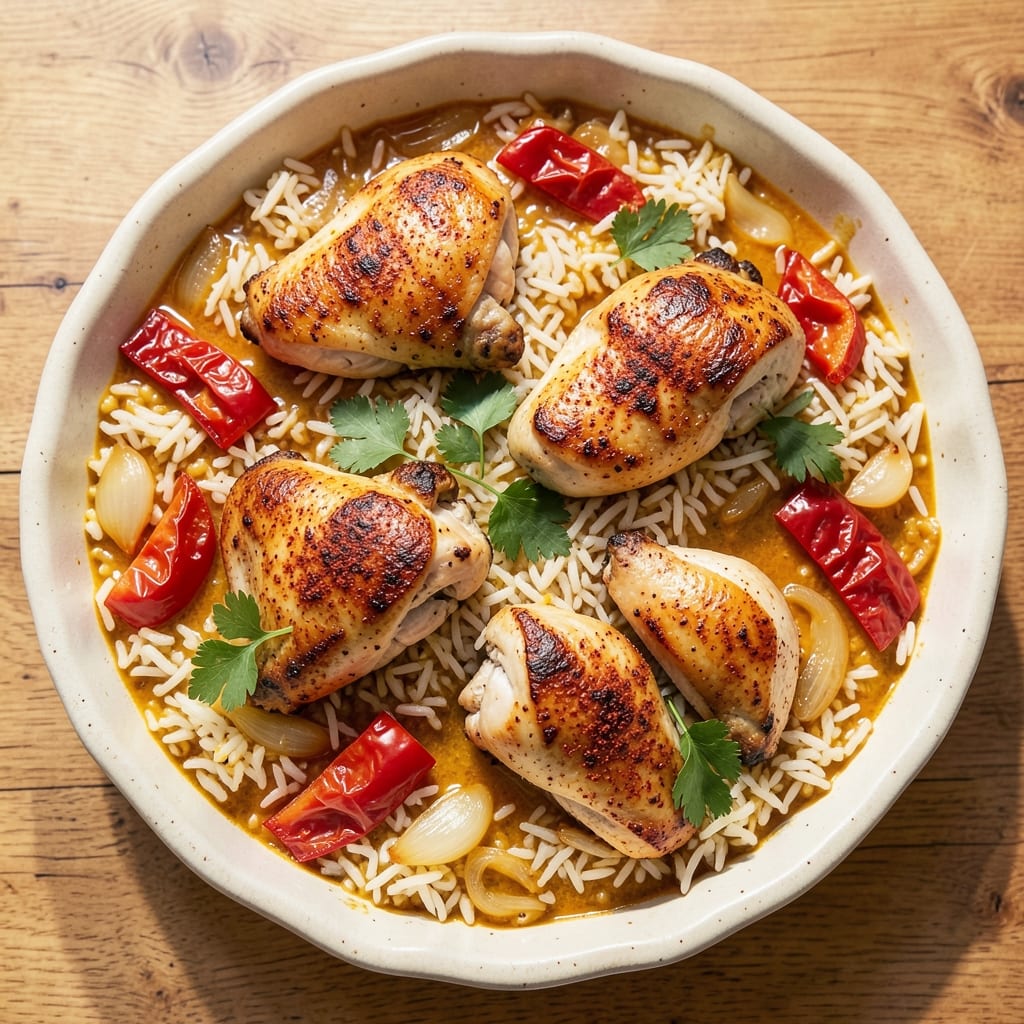
This baked chicken paella recipe delivers restaurant-quality Spanish flavors with a crispy socarrat—no stovetop required. The secret lies in layering ingredients perfectly and baking until the bottom transforms into golden, caramelized perfection. I've perfected this technique after years of trial and error, ensuring every bite delivers authentic paella texture and depth.
What sets this recipe apart is the balance of tender chicken, fragrant saffron rice, and vibrant vegetables all baked together in one dish. The chicken cooks just enough to stay juicy while absorbing the rich, spiced broth, while the rice develops that signature crispy crust at the bottom. This method eliminates the guesswork of stovetop timing while delivering professional results.
By the time you serve this paella, you'll have a dish that looks as impressive as it tastes—golden rice with crispy edges, perfectly cooked chicken, and colorful vegetables peeking through. The saffron-infused broth gives it that signature aroma and color, while the crispy bottom adds texture that makes it unforgettable.
The best part? This recipe scales beautifully for gatherings while keeping the technique accessible for home cooks. Whether you're serving a crowd or treating yourself to a special meal, this paella delivers authentic Spanish flavors with minimal effort. Let's get started on creating your perfect paella experience.
Ingredients for baked chicken paella
Authentic paella begins with these carefully selected ingredients for crispy socarrat and tender chicken.
| Ingredient | Amount | Notes |
|---|---|---|
| Boneless, Skinless Chicken Thighs 🍗 | 1 ½ lb | Cut into bite-sized pieces |
| Long-Grain White Rice 🍚 | 1 ½ cups | Uncooked, preferably Bomba or Calasparra |
| Saffron Threads 🌼 | ¼ tsp | High-quality, steeped in warm water |
| Chicken Broth 💧 | 2 cups | Low-sodium, homemade preferred |
| Red Bell Pepper 🌶️ | 1 whole | Diced, seeds removed |
| Yellow Onion 🧅 | 1 whole | Finely chopped |
| Garlic Cloves 🧄 | 4 cloves | Minced, fresh preferred |
| Frozen Peas 🌱 | ¾ cup | Thawed, for vibrant color |
| Extra-Virgin Olive Oil 🫒 | ½ cup | For crispy socarrat |
| Smoked Paprika 🌶️ | 1 tsp | For depth of flavor |
| Ground Cumin 🌿 | ½ tsp | Toasted for enhanced aroma |
| Bay Leaf 🍃 | 1 whole | For subtle herbal notes |
| Lemon Juice 🍋 | 1 tbsp | Freshly squeezed |
| Kosher Salt 🧂 | 1 ½ tsp | Diamond Crystal preferred |
| Ground Black Pepper 🌶️ | ½ tsp | Freshly ground |
The rice choice is non-negotiable for authentic paella. Bomba or Calasparra rice from specialty stores like La Tienda or Amazon delivers the perfect balance of absorbency and crispiness. If unavailable, long-grain white rice works, but expect slightly less texture. Saffron is the soul of this dish—Spanish saffron from La Mancha, available at gourmet markets or online, ensures vibrant color and authentic flavor. Chicken thighs stay juicier than breasts during baking, and cutting them into even pieces ensures consistent cooking. For the broth, homemade is ideal, but Pacific Foods or Kettle & Fire brands offer quality low-sodium options.
No saffron? Turmeric at one-quarter the amount mimics the color, though it lacks saffron's floral notes. Substitute bell peppers with zucchini or artichokes for variety, but keep the total vegetable volume consistent. Frozen peas work perfectly—just thaw them before adding. For extra depth, add a pinch of cinnamon or a splash of brandy to the broth. If you're short on time, pre-chopped frozen vegetable mixes from Trader Joe's save prep work without sacrificing quality. The key to crispy socarrat is patience—don't rush the baking time, even if the top looks dry.
Store any leftovers in an airtight container for up to 3 days, though this paella reheats best when partially thawed. The crispy bottom softens upon reheating, so consider baking a smaller batch if serving immediately. For make-ahead convenience, assemble the dish without baking, cover tightly, and refrigerate for up to 24 hours before baking. The flavors meld beautifully overnight, intensifying the saffron aroma. If freezing, bake first, then portion into single servings—3 months maximum for optimal texture.
Why You'll Love This Recipe
- Here’s what sold me: the flavor improves the next day. The rice softens just right, the chicken gets even more tender, and I’ve reheated portions straight from the fridge for lunch without a hitch. Budget-friendly, foolproof, and zero food waste.
- One-Pan Magic: I swear by this recipe because it’s literally one pan, one timer, and zero stress. The chicken thighs and rice bake together in the same dish—no stirring, no burning, just golden perfection when you pull it out. Honestly, I’ve made paella that took hours; this version feels like cheating.
- Saffron Magic: That little pinch of saffron threads? Everything. It turns the rice a gorgeous golden hue and adds this earthy, floral depth that makes the whole dish taste like a fancy restaurant. (Yes, even when I forget to soak them first—they still work.)
- Weeknight Crowd-Pleaser: Between us, this is my go-to for game nights, lazy Sundays, or when my in-laws show up unannounced. The chicken stays juicy, the bell pepper adds sweetness, and everyone—even the picky eaters—asks for seconds. No one will guess it’s "just" baked paella.
Step-by-step instructions for baked chicken paella
Master the art of paella with this saffron-infused method that delivers crispy socarrat every time.
Prepare the Saffron Infusion and Sauté Aromatics
In a small bowl, steep the 0.25 teaspoon saffron threads in 2 tablespoons hot water for 10 minutes to extract maximum color and flavor. This step is crucial—don't skip it. The saffron should transform from pale yellow to a vibrant orange hue.
Heat 0.25 cup extra-virgin olive oil in a large oven-safe skillet over medium heat. Add the finely chopped yellow onion and cook for 5 minutes until translucent. Stir in the minced garlic cloves, 1 teaspoon smoked paprika, and 0.5 teaspoon ground cumin, cooking for another 1 minute until fragrant. The spices should release their aromatic oils without burning.
Sear the Chicken and Toast the Rice
Push the aromatics to one side of the skillet and add the 1.5 pounds boneless, skinless chicken thighs cut into bite-sized pieces. Sear for 4-5 minutes until golden brown on all sides. Remove the chicken and set aside, leaving the rendered juices in the pan.
Return the skillet to medium heat and add the 1.5 cups long-grain white rice, stirring constantly for 2 minutes until the grains become translucent at the edges. This toasting step develops nutty flavors and prevents mushy rice. The rice should release its starches and create a light crust on the bottom of the pan.
Layer and Simmer the Paella
Pour the saffron infusion over the rice, followed by the 2 cups chicken broth. Add the diced red bell pepper, thawed frozen peas, whole bay leaf, 1.5 teaspoons kosher salt, and 0.5 teaspoon ground black pepper. Stir gently to combine, then return the chicken to the skillet.
Bring to a gentle simmer, then reduce heat to low. Cover with a tight-fitting lid and cook for 15 minutes without stirring. The rice should absorb the liquid gradually, developing a firm texture at the bottom while remaining tender at the top. If the liquid evaporates too quickly, add 2 tablespoons hot water to maintain moisture.
Develop the Socarrat and Finish
Remove the lid and increase heat to high. Cook uncovered for 10-15 minutes until the top layer of rice develops a deep golden-brown crust—this is the prized socarrat. The edges should crisp while the center remains slightly moist. You'll see steam rising from the surface and hear a faint crackling sound when it's ready.
Once the socarrat forms, remove the skillet from heat and let it rest for 5 minutes. Stir in the 1 tablespoon freshly squeezed lemon juice just before serving to brighten the flavors. The lemon acidity cuts through the richness of the chicken and saffron, creating a balanced finish. Serve immediately with additional lemon wedges on the side.
Pro Tips For Making Baked Chicken Paella
- CRACK THE CHICKEN FIRST: I learned this the hard way—skipping the 10-minute head start for your chicken thighs means they’ll steam instead of brown. Sear them hard in a hot pan with 1 tablespoon of oil until they develop a crust, then transfer to the baking dish. That crust is what keeps them juicy while the paella bakes.
- SOAK THE SAFFRON DRY: That little pinch of saffron threads isn’t just for color—it’s the soul of the dish. Crush them between your fingers (yes, even if it feels wasteful) and steep in ¼ cup warm broth for 10 minutes before adding to the rice. The threads release their flavor better this way, and you’ll actually taste the difference.
- DON’T STIR THE RICE: I used to think mixing the rice occasionally would help it cook evenly. Wrong. After burning three batches, I finally figured out: once the rice hits the broth, leave it alone. Just give it a gentle shake to distribute the liquid, then let it sit. Stirring breaks the grains and turns your paella into mush.
- UPGRADE THE BROTH FAST: Store-bought broth works, but if you’re in a pinch, use this trick: simmer 2 cups chicken broth with 1 crushed garlic clove, a bay leaf, and a pinch of smoked paprika for 5 minutes. Strain it, and suddenly your broth tastes homemade. (Your paella’s depth of flavor will thank you.)
Storing and reheating this recipe
Refrigerator Storage
Let your paella cool to room temperature for 30 minutes before transferring to an airtight container—I use a glass Le Creuset round dish with a tight lid. Store in the fridge for up to 3 days, but I recommend eating it within 2 days for the best texture. The socarrat will soften slightly, but the flavors deepen as the saffron and spices meld together. 💫
Freezer Preservation
For longer storage, bake the paella first, then cool completely before freezing. Portion into single-serving airtight containers or heavy-duty freezer bags, leaving ½ inch headspace for expansion. Label with the date and store for up to 3 months. When ready to reheat, thaw overnight in the fridge for optimal texture. Never refreeze paella once thawed.
Stovetop Reheating
My preferred method is stovetop reheating to preserve the socarrat's integrity. Place the paella in a skillet over medium-low heat and add 2 tablespoons water or broth to prevent drying. Cover with a lid and heat for 8-10 minutes, stirring gently once. The goal is to warm through without overcooking the rice. Add a splash of lemon juice at the end to revive the flavors. 🍋
Oven Crisping Method
For a restaurant-quality finish, transfer reheated paella to a baking dish and broil for 3-5 minutes until the top develops a crispy crust. Watch closely—broilers vary! This method restores some of the socarrat's texture. I use this technique when serving leftovers to guests and it always gets compliments. Just be prepared for a slightly drier texture than fresh paella.
Microwave Revival
When short on time, use the microwave with caution. Cover the paella with a damp paper towel and heat on 50% power for 2-3 minutes, stirring halfway. Add 1 tablespoon water if it looks dry. This method works best for reheating individual portions. The texture won't be perfect, but it's a quick solution for busy days. For best results, serve immediately after microwaving.
Pro Tip for Next-Day Paella
If you're making paella ahead for a special occasion, assemble it completely (without baking) and refrigerate overnight. The next day, bake as directed—this intensifies the saffron flavor and makes the socarrat even more dramatic. I've done this for holiday dinners and it's always a crowd-pleaser. Just add an extra 5-10 minutes to the final baking time to account for the cold start. ✨
Nutrition facts
Frequently asked questions about baked chicken paella
Why does my paella turn out mushy instead of crispy?
The key to crispy socarrat is patience! If your rice is mushy, you likely stirred too much or didn't let the liquid absorb fully. After the initial simmer, cook uncovered on high heat until the edges develop a golden crust—this can take 10-15 minutes. Also, use long-grain white rice (like Bomba) and avoid adding extra liquid once baking begins.
Can I substitute chicken breasts for thighs?
Chicken thighs stay juicier during baking, but breasts work if you adjust the method. Cut them into ½-inch pieces and bake for 5-7 minutes longer to ensure they're fully cooked. For extra moisture, add 1 tablespoon olive oil to the pan before searing. The texture will be slightly different but still delicious!
How do I make this paella vegetarian?
Swap the chicken for firm tofu, mushrooms, or artichokes (about 1.5 cups total). For extra protein, add ½ cup chickpeas or 1 block extra-firm tofu cut into cubes. Boost umami with 1 teaspoon soy sauce or ½ teaspoon smoked paprika in the broth. The socarrat will still form beautifully!
What's the best way to serve paella?
Serve paella directly from the skillet for an authentic experience! Use a large, shallow dish to showcase the crispy edges. Garnish with fresh parsley, lemon wedges, and a sprinkle of smoked paprika. For extra flair, add a side of garlic aioli or roasted red peppers. In Spain, it's traditional to eat paella with your hands—just be careful of the hot edges!
Can I make this in a regular oven instead of stovetop?
This recipe is designed for oven baking, but if you prefer stovetop, use a heavy-bottomed pot and follow the same steps. For the socarrat, transfer the skillet to the oven on broil setting for the final 5-7 minutes. Just watch closely—broilers vary in intensity! The baked method actually gives more even heat distribution.