
Sauces & Condiments
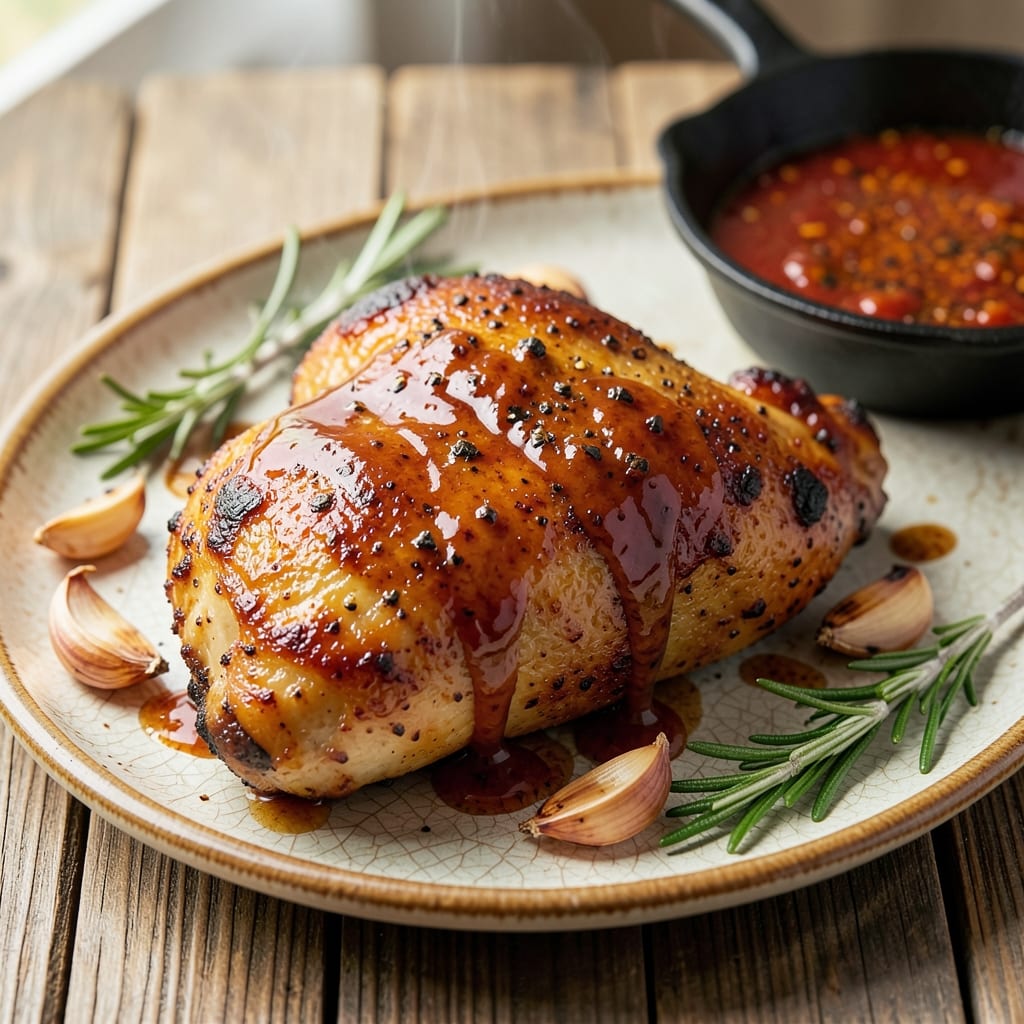
This barbecue chicken basting sauce recipe transforms dry grilled chicken into juicy, golden perfection with every brush. 🔥 I perfected it after years of competing in BBQ shows—where moisture makes the difference between good and legendary. The secret lies in balancing sweetness, acidity, and smoky depth, creating a glaze that both caramelizes and tenderizes simultaneously.
What sets this sauce apart is its versatility—it works equally well on the grill, smoker, or even in your oven. The foundation of tomato paste and apple cider vinegar creates that classic BBQ tang, while brown sugar and a touch of smoked paprika add depth without overpowering. Unlike store-bought versions, this recipe lets you control the heat level, from mild and sweet to fiery and bold.
The real magic happens when you baste the chicken repeatedly during cooking, allowing the sauce to penetrate deeply while forming a sticky, caramelized crust. This isn't just a finishing sauce—it's the secret weapon that keeps your chicken moist and packed with flavor from bite to bite. The result? Juicy, fall-off-the-bone chicken with a glossy, appetizing sheen that makes every dish look (and taste) restaurant-quality.
Once you've mastered the technique, you'll want to make a double batch—this sauce keeps beautifully in the fridge for up to 2 weeks or freezes for 3 months. Use it on ribs, brisket, or even roasted vegetables for that same smoky-sweet magic. Let's get basting!
Ingredients for barbecue chicken basting sauce
Twelve simple ingredients that transform ordinary grilled chicken into restaurant-quality masterpieces.
| Ingredient | Amount | Notes |
|---|---|---|
| Tomato Paste 🍅 | ½ cup | High-quality, no sugar added |
| Apple Cider Vinegar 🍏 | ¼ cup | Raw, unfiltered preferred |
| Brown Sugar 🍚 | ½ cup | Light or dark, packed |
| Smoked Paprika 🌶️ | 2 tbsp | High-quality, vibrant color |
| Worcestershire Sauce 🍶 | 1 tbsp | Vegetarian version if needed |
| Garlic Cloves 🧄 | 4 cloves | Fresh, minced or grated |
| Onion Powder 🧅 | 1 tsp | Freshly ground preferred |
| Ground Black Pepper 🌶️ | ½ tsp | Freshly cracked |
| Kosher Salt 🧂 | 1 ½ tsp | Diamond Crystal preferred |
| Cayenne Pepper 🔥 | ¼ tsp | Adjust for heat preference |
| Water 💧 | ½ cup | Filtered preferred |
| Olive Oil 🫒 | 1 tbsp | Extra-virgin for richness |
The tomato paste is the backbone of this sauce—look for brands like Muir Glen or Hunt's for that deep, concentrated flavor. Apple cider vinegar adds that signature tang, so grab the raw, unfiltered kind from the health food section if you can. Smoked paprika is where the magic happens; Penzeys or McCormick have the most vibrant, flavorful options. I always double-check the label for 'no additives'—those little extras can dull the smoky flavor. For the brown sugar, light or dark doesn't matter here, but make sure it's packed into the measuring cup for accuracy. The Worcestershire sauce? Lea & Perrins is the gold standard, but check for vegetarian versions if needed.
No apple cider vinegar? White vinegar or balsamic vinegar work in a pinch, though the flavor will be slightly different. Running low on smoked paprika? Regular paprika plus a pinch of liquid smoke gets you close. The cayenne can be swapped for red pepper flakes at half the amount if you want less heat. For a deeper onion flavor, fresh onion powder or minced onion works—just sauté it first. The olive oil is non-negotiable for richness, but avocado oil works too. If you're making this ahead, the sauce actually improves overnight as the flavors meld—just give it a quick stir before using.
This sauce keeps beautifully in the fridge for up to 2 weeks in a sealed jar, though I usually make a fresh batch every few days for maximum flavor. For longer storage, freeze it in ice cube trays—3 months of perfect portions. The caramelized crust forms best when you baste the chicken repeatedly during cooking, so keep a heatproof brush nearby. If the sauce thickens too much, just add a splash of water or apple cider vinegar to loosen it up. And trust me, double batches are worth it—this sauce disappears fast once people taste it.
Why You'll Love This Recipe
- Pantry Magic: I swear by this sauce because it uses stuff I already have—no special trips to the store. That deep, smoky paprika and tangy apple cider vinegar cut through the sweetness of the brown sugar, giving it this perfect balance that’s actually restaurant-worthy.
- One-Pot Wonder: Honestly? You’re looking at 15 minutes of active time, tops. Just toss the tomato paste, Worcestershire, and vinegar in a saucepan, let it simmer until it thickens, and—boom—you’ve got that glossy, caramelized glaze ready to baste. No blender, no strainer, no mess.
- Tailgate or Tuesday: Between us, this sauce works just as well on grilled chicken as it does on slow-cooked wings or even as a marinade. I’ve used it for backyard BBQs, lazy weeknight dinners, and even as a dip for fries—because why not? The smoky depth makes everything better.
- Budget Stretch: A single batch makes enough to coat a whole chicken and save leftovers for tacos or sandwiches. That brown sugar and tomato paste combo is dirt cheap, but it delivers flavor that’ll fool anyone into thinking you spent hours slaving over it. (Spoiler: You didn’t.)
Step-by-step instructions for smoky-sweet BBQ glaze
This sauce delivers deep flavor and moisture-locking power—perfect for basting chicken.
🍳 Step 1: Bloom the Spices in Olive Oil
Heat the 1 tablespoon olive oil in a medium saucepan over medium-low heat. Add the 4 cloves garlic cloves (minced or grated) and 2 tablespoons smoked paprika. Stir constantly for 1-2 minutes until the garlic becomes fragrant and the paprika deepens in color—you'll see it darken slightly and smell that unmistakable smoky aroma.
This step develops the sauce's foundation. Don't walk away—garlic burns quickly and turns bitter. If you notice the oil starting to smoke, reduce the heat immediately. The goal is to wake up those spices without burning them.
🍳 Step 2: Add Wet Ingredients and Simmer
Pour in the 0.5 cup tomato paste, 0.25 cup apple cider vinegar, and 0.5 cup brown sugar. Stir vigorously to dissolve the sugar completely—it should melt smoothly into the mixture. Add the 1 tablespoon Worcestershire sauce, 0.5 cup water, 1.5 teaspoons kosher salt, 0.5 teaspoon ground black pepper, and 0.25 teaspoon cayenne pepper.
Bring the mixture to a gentle simmer over medium heat. Here's the thing—you're looking for a slow, steady bubble that doesn't boil over. If it gets too vigorous, reduce the heat slightly. Let it simmer uncovered for 10-12 minutes until it thickens noticeably and coats the back of a spoon.
⏰ Step 3: Reduce for Thick, Glossy Consistency
Once the sauce reaches a simmer, reduce the heat to low and let it cook uncovered for another 8-10 minutes. You want it to reduce by about 30%—it should coat the back of a spoon with a thick, syrupy consistency. Stir occasionally to prevent sticking, and taste as you go.
Here's where the magic happens: the sauce should be glossy enough to cling to chicken but still flow smoothly when brushed on. If it's too thick, add 1 tablespoon water at a time until you reach the perfect consistency. The sauce should be vibrant in color—deep reddish-brown with a rich, smoky aroma that makes your mouth water.
🥘 Step 4: Strain and Cool for Perfect Application
Remove the sauce from heat and let it cool for 5 minutes. Then, strain it through a fine-mesh sieve into a clean bowl or jar to remove any garlic bits or undissolved sugar. This ensures a silky-smooth texture when basting. The sauce should be thick enough to cling to chicken but still flow easily when brushed on.
Let it cool completely before using—this prevents the sauce from steaming off the chicken when you baste. The cooled sauce will have a perfect balance of sweet, smoky, and tangy flavors that penetrate the meat beautifully. Store any leftovers in an airtight container in the refrigerator for up to 1 week.
Pro Tips For Making Barbecue Chicken Basting Sauce
- Whisk the Paste First: Dump that tomato paste into cold liquid—like Worcestershire or vinegar—and whisk it like you’re trying to win a pie-eating contest before adding anything else. I learned this the hard way: clumping paste makes your sauce look like it’s got regret, and nobody wants a lumpy glaze on their chicken.
- Simmer, Don’t Boil: Keep the heat at a gentle simmer—no rolling bubbles, no drama. Boiling turns your sauce into syrup and burns the sugar faster than you can say “disaster.” A steady low heat lets the flavors meld without turning your glaze into caramelized regret.
- Taste Before You Commit: Skip the “I’ll fix it later” phase—taste the sauce before you slap it on the chicken. Balance the acid (vinegar), sweetness (brown sugar), and smokiness (paprika) right then. Adjusting now saves you from a batch of chicken that’s either too tangy or tastes like a candy store exploded.
- Strain the Gunk: After simmering, let the sauce cool slightly, then strain out any bits of tomato skin or sediment. Sounds weird, but it works: your basting sauce will be silky, not gritty. (Yes, even if you’re impatient like me—just wait 5 minutes.)
Flavor customization for this dish
Sweet & Smoky
Start with the classic base but amplify the caramelization by adding 1 tbsp molasses to the brown sugar and 1 tsp liquid smoke to the smoked paprika. This creates a deeper, almost molasses-like richness that pairs beautifully with grilled chicken. I first tried this variation at a coastal BBQ competition where the judges raved about the "almost bourbon-like depth." 🔥
For extra sweetness, replace half the apple cider vinegar with orange juice—the citrus brightens the sauce while keeping that signature tang. This works especially well with honey-glazed chicken.
Spicy & Tangy
Crank up the heat by doubling the cayenne to ½ tsp and adding 1 tbsp hot sauce (I recommend Cholula for that smoky kick). For extra tang, swap out half the apple cider vinegar for red wine vinegar. This version is perfect for those who love a little kick with their BBQ—it's what I serve at my local BBQ competitions to impress the heat-loving crowd.
Balance the heat with a touch of sweetness by adding 1 tbsp honey to the sauce. The honey not only mellows the spice but also creates a beautiful glossy finish when basted on chicken. This variation is a crowd-pleaser, especially when paired with cool, creamy sides like coleslaw.
Honey-Ginger
Transform this sauce into an Asian-inspired glaze by reducing the smoked paprika to 1 tbsp and adding 1 tbsp fresh grated ginger and 1 tbsp soy sauce. Replace the apple cider vinegar with rice vinegar and use honey instead of brown sugar. This variation is inspired by my travels to coastal regions where sweet and spicy flavors dominate.
For a deeper umami flavor, add 1 tsp fish sauce (or soy sauce for a vegetarian option). This sauce is fantastic for glazing chicken wings or thighs, and it pairs wonderfully with a side of jasmine rice. The ginger adds a refreshing zing that cuts through the richness of the meat.
Herb-Infused
Brighten up your basting sauce with fresh herbs by adding 1 tbsp finely chopped rosemary and 1 tbsp thyme leaves to the olive oil before blooming the spices. For a Mediterranean twist, swap the smoked paprika for 1 tsp dried oregano and add 1 tsp lemon zest to the wet ingredients. This version is perfect for those who love a touch of herbal complexity in their BBQ.
Fresh herbs can be added directly to the sauce, but I recommend infusing them in the olive oil first for maximum flavor. Strain them out before basting to keep the sauce smooth. This herb-infused sauce is a game-changer for grilled chicken, especially when paired with a side of roasted vegetables or a fresh salad.
Nutrition facts
Frequently asked questions
How often should I baste chicken with this sauce?
Baste every 5-10 minutes during cooking for maximum flavor penetration. For grilled chicken, aim for 3-4 bastes total. On a smoker, baste more frequently since the process is slower. The key is to let the sauce caramelize slightly between applications—this creates that beautiful glossy crust while keeping the meat juicy.
Can I make this sauce ahead of time?
This sauce actually tastes better after 24 hours in the fridge as flavors meld. Store in an airtight container and reheat gently before using. For long-term storage, freeze in ice cube trays—thaw overnight in the fridge. The sauce keeps its vibrant color and depth when properly stored.
What's the best way to prevent the sauce from burning?
Keep your heat at medium-low when reducing and use a heatproof brush for basting. If the sauce starts to darken too quickly, remove from heat for 1-2 minutes. The perfect basting sauce should be glossy but not overly dark—think "deep amber" rather than "charred." For extra insurance, baste just before serving to let the caramelization develop at the end.
Can I use this sauce on other meats besides chicken?
Yes! It works beautifully on ribs, pork shoulder, or even salmon. For pork, you might want to reduce the cayenne slightly. The sauce's balance of sweet, smoky, and tangy flavors complements fatty meats perfectly. Just adjust cooking times—denser cuts like ribs need more frequent basting to prevent drying.
Why did my sauce turn out too thin?
This usually happens if you didn't reduce it long enough or added too much water. The sauce should coat the back of a spoon when cool. For a quick fix, simmer uncovered for another 5-10 minutes—or add 1 tbsp cornstarch** mixed with water to thicken. If you're in a hurry, you can also reduce it in a skillet over high heat for faster results.