
Main Courses
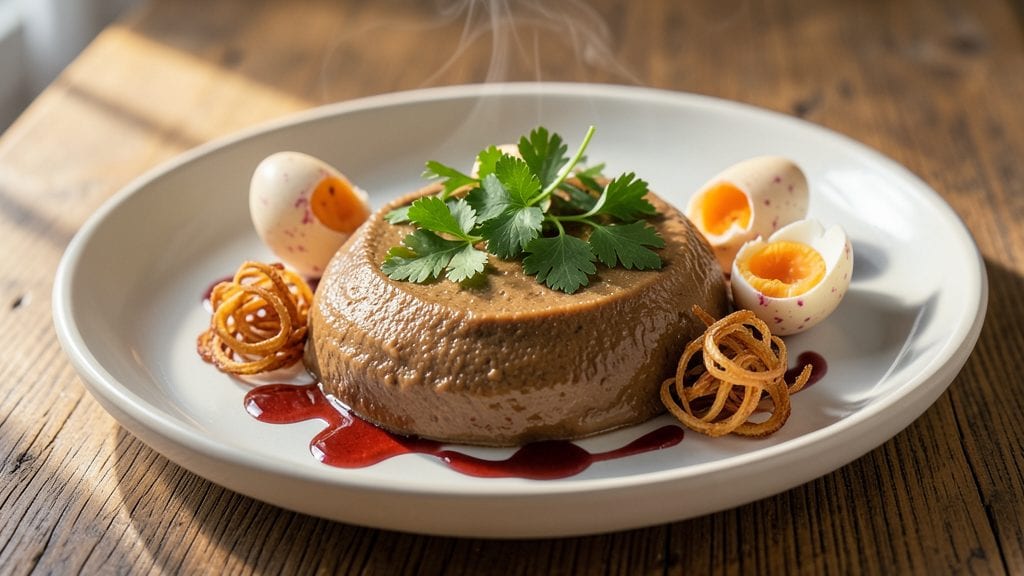
Mastering a basic chicken liver pâté recipe transforms humble ingredients into a velvety, aromatic spread that elevates any gathering. My first attempt ended in a lumpy disaster—until I learned the secrets of proper liver preparation and fat ratios.
This recipe delivers a silky texture with just the right herbal depth, perfect for those who appreciate refined flavors without fuss.
The foundation lies in carefully searing or poaching the livers to remove any bitterness, then blending them with rendered fat until perfectly smooth. A touch of shallot, thyme, and white wine vinegar adds complexity, while a brief bake in the oven ensures safety and enhances the flavors.
The result? A pâté that's rich yet balanced, with a finish that lingers.
What you'll achieve is a spread so luxurious it feels like a restaurant creation, yet requires only a few key ingredients and about 45 minutes of active time. Serve it chilled on crisp crackers, with fresh bread, or as a sophisticated starter alongside charcuterie.
The texture is unmatched—creamy yet firm enough to pipe, with layers of herbal brightness cutting through the richness.
This recipe also excels as a make-ahead dish, perfect for holiday entertaining or gifting. Store it properly, and the flavors deepen over time. For those new to pâté, I'll walk you through every step—from liver prep to plating—so you can achieve professional results in your own kitchen.
Ingredients for basic chicken liver pate
Fourteen ingredients transform into a velvety pâté with restaurant-quality depth.
| Ingredient | Amount | Notes |
|---|---|---|
| Chicken Livers 🍗 | 1 lb | Fresh, trimmed of connective tissue |
| Unsalted Butter 🧈 | ½ cup | Cold, cut into small cubes |
| Shallots 🧅 | 3 whole | Finely minced, about 0.25 cup |
| Fresh Thyme 🌿 | 1 tbsp | Leaves only, finely chopped |
| White Wine Vinegar 🍷 | 1 tbsp | High-quality, dry variety |
| Fresh Parsley 🌿 | 2 tbsp | Finely chopped, for garnish |
| Diamond Crystal Kosher Salt 🧂 | ½ tsp | Fine grain, for seasoning |
| Freshly Ground Black Pepper 🌶️ | ¼ tsp | Freshly cracked for intensity |
| Heavy Cream 🥛 | ¼ cup | Cold, for blending |
| Extra-Virgin Olive Oil 🫒 | 1 tbsp | For finishing drizzle |
The chicken livers demand careful selection—look for bright red, moist livers at your local butcher shop or high-end grocery like Whole Foods. Trim away any connective tissue or silver skin immediately after purchase, as these can impart bitterness. Organic Valley or Bell & Evans are reliable brands for quality poultry. For optimal texture, keep the livers cold until ready to use. The butter should be unsalted and cold, as salted varieties can disrupt the delicate flavor balance. If you're using frozen livers, thaw them in cold water with a change every 30 minutes to preserve texture.
No fresh thyme? Dried thyme at half the amount works in a pinch, though fresh leaves provide superior aroma. Substitute shallots with finely minced red onion, though shallots offer a more refined sweetness. For a richer texture, replace the heavy cream with an additional 0.25 cup of cold butter. The white wine vinegar can be swapped for lemon juice, though it will alter the acidity profile. If you prefer a smoother finish, blend in 1 tbsp of crème fraîche at the end. Always taste as you go—this pâté should be rich but not overpowering, with a harmonious balance of herbal brightness.
This pâté keeps beautifully for 5 days in the refrigerator when stored in an airtight container. For longer storage, portion into small containers and freeze for up to 3 months. Thaw overnight in the fridge before serving. The flavors deepen with time, so making it a day ahead is ideal. Serve chilled on water crackers or toasted baguette slices, garnished with the reserved parsley and a drizzle of olive oil. For a festive touch, pipe into decorative shapes using a pastry bag fitted with a star tip.
Why You'll Love This Recipe
- Fewer Ingredients, Bigger Bang: I swear by this—just five things transform into something rich and buttery. No fancy gadgets, no last-minute store runs. The shallots caramelize while you chop thyme, and that vinegar brightens everything up like a secret handshake.
- Rich Without Trying: That first bite? Pure umami payoff. The butter melts into the livers, the thyme adds earthy warmth, and the vinegar cuts through the richness—like a well-made charcuterie board in spreadable form. Honestly, it’s the kind of flavor that makes you pause mid-spoonful.
- Weeknight to Party Upgrade: Slather it on crusty bread for a lazy dinner or pipe it into puff pastry for holiday appetizers. I’ve even used it to jazz up scrambled eggs when I’m in a rush. The same simple prep turns into whatever you need—no stress, just versatility.
- Leftovers That Don’t Suffer: Most pâtés get dry or sad after day one, but this one? Stays silky for days. I keep a jar in the fridge for quick snacks—on crackers, in sandwiches, or straight from the spoon. And if you’re pinching pennies, livers stretch farther than you’d think. Win-win.
Step-by-step instructions for basic chicken liver pâté
Transform rich chicken livers into a velvety pâté with precise technique and aromatic balance.
Prepare and Blanch the Chicken Livers
Rinse the 1 lb chicken livers under cold water and pat completely dry with paper towels. Remove any connective tissue or gallbladder remnants. This step ensures a clean, smooth texture in your finished pâté.
Cut the chicken livers into ½-inch pieces and place them in a saucepan. Cover with cold water by about 1 inch. Bring to a gentle simmer over medium heat and cook for exactly 3 minutes. Immediately drain and rinse with cold water to stop cooking. This blanching removes any bitterness and prepares the livers for silky blending.
Sauté Shallots and Thyme
Heat 1 tablespoon of the 0.5 cup unsalted butter in a skillet over medium-low heat. Add the 3 whole shallots (finely minced) and cook for 5-6 minutes until completely translucent but not browned. Add the 1 tablespoon fresh thyme leaves and cook for an additional 30 seconds until fragrant.
Remove the skillet from heat and let the shallot mixture cool for 2 minutes. This prevents the butter from seizing when you blend later. The shallots should be soft but still retain their color, forming the aromatic base of your pâté.
Blend Ingredients to Perfection
Transfer the blanched chicken livers, sautéed shallot mixture, and remaining 0.4 cup unsalted butter to a food processor. Add the 0.5 tsp diamond crystal kosher salt and 0.25 tsp freshly ground black pepper. Pulse until the mixture becomes coarse but still slightly textured.
With the food processor running, slowly drizzle in the 0.25 cup heavy cream through the feed tube. This gradual addition creates a stable emulsion rather than breaking the fat. Process until completely smooth, scraping down the sides as needed. The mixture should resemble thick, velvety mayonnaise.
Finish and Emulsify
Transfer the pâté to a heatproof bowl and place it over a pot of barely simmering water (bain-marie), ensuring the bowl doesn't touch the water. Stir in the 1 tablespoon white wine vinegar and continue stirring gently for 5 minutes. This gentle heat helps emulsify the fats and creates a luxurious, glossy texture.
Remove from heat and let cool to room temperature, stirring occasionally. The pâté should thicken slightly as it cools. For serving, drizzle with 1 tablespoon extra-virgin olive oil and garnish with the 2 tablespoon finely chopped fresh parsley. Serve chilled or at room temperature with crusty bread.
Pro Tips For Making Basic Chicken Liver Pate
- Sear the Livers Hard: Get that pan screaming hot—cast iron or stainless steel—and cook the livers in batches for 2-3 minutes per side until deeply browned. I learned this the hard way: skipping this step leaves you with a mushy, gray pate that tastes like it was poached instead of seared. The crust is what carries the flavor.
- Soak Livers First: Rinse the livers in cold water, pat them very dry, then soak in cold milk or water for 30 minutes. This removes that metallic, blood-like taste that ruins a good pate. (Yes, it’s an extra step, but your guests won’t notice the effort—just the result.)
- Sweat Shallots Low: Don’t rush the shallots—cook them on low heat for 8-10 minutes until they’re translucent but not browned. Browning them too soon burns their sweetness and adds bitterness. Think of it as the foundation: if it’s off, the whole pate suffers.
- Whisk the Butter Cold: Use cold, cubed butter (not melted) when blending the livers with thyme and vinegar. Warm butter emulsifies better, but cold butter keeps the texture smooth and prevents a greasy mess. Stir in the vinegar last—it brightens the flavor but can break the emulsion if added too early.
Pro cooking tips for great basic chicken liver pate
Livers First
Never skip the blanching step—this is where most home cooks go wrong. I’ve seen pâtés turn bitter or grainy when livers aren’t properly prepped. Use cold water only for blanching and cook for exactly 3 minutes—no more, no less.
After draining, rinse immediately with ice water to halt cooking. This removes blood and bitterness while keeping the texture silky. I keep a bowl of ice water ready in my kitchen for this exact purpose. 💡
Fat Ratio Matters
The secret to a velvety texture lies in the fat-to-liver ratio. Use ½ cup unsalted butter per 1 lb livers—this creates the perfect emulsion. Cold butter blends more smoothly than room-temperature fat. I like to cut my butter into ½-inch cubes and add it gradually during blending.
If your mixture looks too thick, add 1 tbsp heavy cream at a time until you reach the desired consistency.
Emulsify Like a Pro
The bain-marie step is non-negotiable for professional results. Place your pâté bowl over barely simmering water (never boiling) and stir constantly for 5 minutes. This gentle heat helps the fats emulsify properly, creating that signature glossy finish.
I use a double boiler for precision—it’s the only way to maintain even temperature. If the mixture separates, simply whisk vigorously and return to the bain-marie for another 2 minutes.
Herb Timing
Fresh thyme and parsley should be added at the very end—never during blending. The thyme gets sautéed with shallots to release its oils, while parsley is reserved for garnish. I find that adding herbs too early can make the pâté taste grassy.
For extra depth, I sometimes add a pinch of smoked paprika during the sautéing stage, but keep it to ¼ tsp to avoid overpowering the delicate flavors. 🌿
Texture Troubleshooting
If your pâté turns out grainy, you likely didn’t blend long enough. Pulse the food processor until completely smooth, scraping down the sides every 30 seconds. For a richer texture, replace half the heavy cream with crème fraîche—it adds tanginess and stability.
If the pâté is too thin, chill it for 1 hour before serving. The fat will firm up slightly, giving you that perfect spreadable consistency.
Safety First
Chicken livers are rich in iron, which can promote bacterial growth if not handled properly. Always cook livers to an internal temperature of 165°F—the blanching step ensures this. Store your finished pâté in an airtight container and refrigerate within 2 hours of preparation.
For serving, bring to room temperature for 30 minutes before plating—this enhances the flavors and makes it more spreadable. Never leave pâté at room temperature for more than 2 hours.
Nutrition facts
Frequently asked questions
Why do I need to blanch the chicken livers before making pâté?
Blanching removes bitterness and blood from the livers, creating a smooth, clean flavor base. The 3-minute cold water bath gently cooks them just enough to prepare for blending while preserving texture. Skipping this step risks a grainy, metallic-tasting pâté. Always rinse with ice water immediately after to stop cooking completely.
Can I substitute butter with another fat for this recipe?
You can use duck fat or lard for richer flavor, but butter creates the perfect balance of richness and smoothness. For a lighter version, try olive oil (replace half the butter), though texture may be slightly less stable. Never use margarine—the artificial fats will compromise flavor and emulsion. Always keep your fat cold when blending.
How do I fix a pâté that separated during blending?
If your mixture breaks, whisk vigorously to recombine, then return to the bain-marie for 2-3 minutes while stirring constantly. For extra insurance, add 1 tsp cold heavy cream and blend again. The key is gentle heat—never boil the mixture. If it still separates, chill for 1 hour to firm up, then re-emulsify with a hand mixer.
Can I make this pâté ahead of time?
This recipe makes an excellent make-ahead dish! Store in an airtight container in the fridge for up to 5 days, or freeze for 3 months. The flavors actually deepen over time. Thaw overnight in the fridge before serving, and bring to room temperature for 30 minutes before plating for best texture. Perfect for holiday entertaining!
What's the best way to serve chicken liver pâté?
Serve chilled or at room temperature on crisp water crackers, toasted baguette slices, or endive leaves for an elegant presentation. For a rustic touch, spread on grilled bread with a drizzle of honey. Garnish with fresh parsley and a swirl of olive oil. It also makes a stunning appetizer when piped into decorative shapes on a platter.