
Soups & Stews
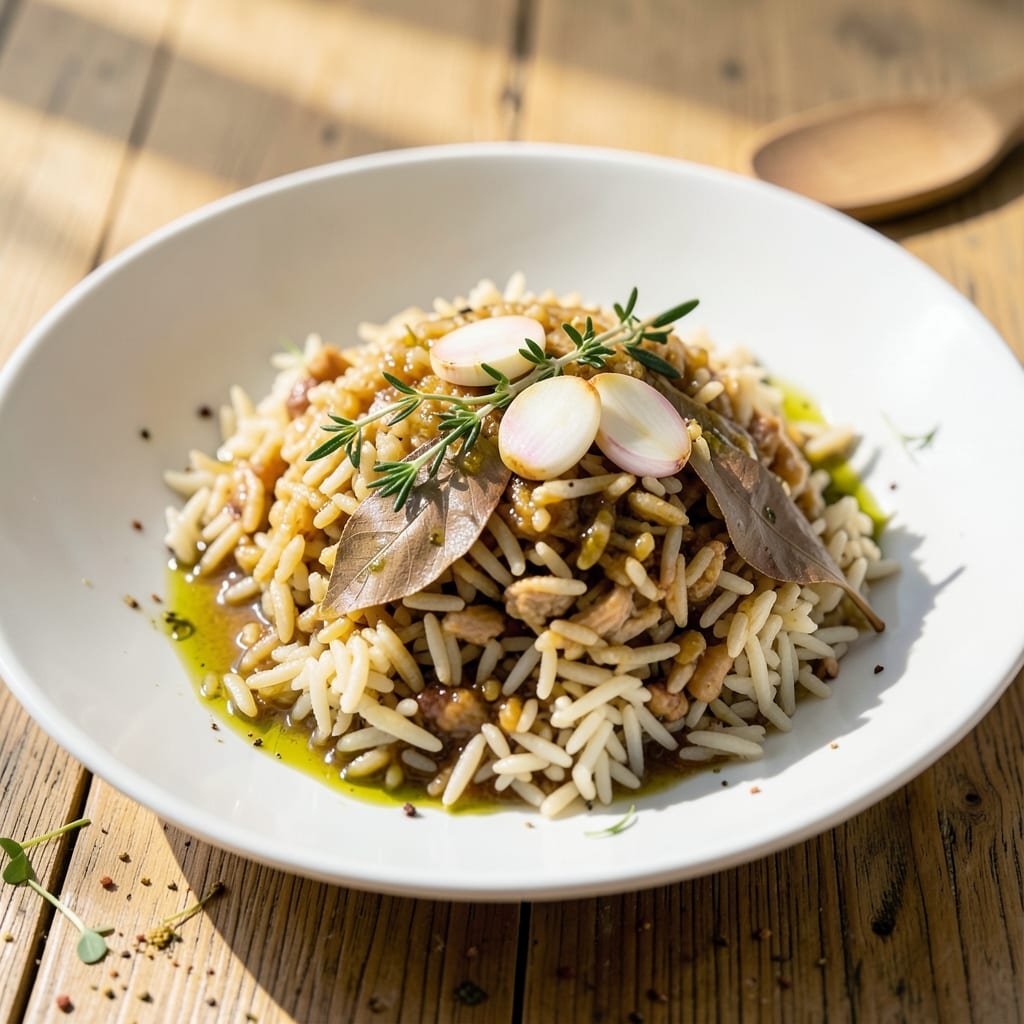
This basmati rice recipe chicken broth transforms simple grains into a fragrant, savory side that elevates any meal. The secret lies in cooking basmati rice directly in rich chicken broth, where each grain absorbs layers of flavor while maintaining its signature fluffiness. Unlike traditional white rice, this method delivers restaurant-quality texture with minimal effort—just 20 minutes of hands-off simmering time.
The process is straightforward but precise: a 1:1.5 rice-to-broth ratio ensures perfectly tender grains without mushiness, while a tight lid traps steam for even cooking. Optional aromatics like bay leaves or thyme infuse the broth with depth, creating a dish that pairs beautifully with grilled proteins or stands alone as a comforting bowl. This technique also works as a base for soups or pilafs, offering versatility for any menu.
What makes this recipe stand out is the balance of simplicity and sophistication. The basmati's natural aroma combines with the savory notes of chicken broth, resulting in grains that are fragrant, tender, and packed with flavor. The result is a dish that feels indulgent yet requires no special skills—just patience and a few pantry staples. Perfect for weeknight dinners or special occasions, it’s a foolproof way to elevate rice from side dish to star.
Once mastered, this method opens doors to endless variations: stir in herbs for freshness, add spices for warmth, or top with toasted nuts for crunch. The possibilities are limited only by your imagination. Ready to transform your rice game? Let’s begin with the foundational technique that makes it all possible.
Ingredients for basmati rice recipe chicken broth
These eleven ingredients transform ordinary basmati rice into restaurant-quality grains infused with savory chicken broth depth.
| Ingredient | Amount | Notes |
|---|---|---|
| Long-Grain Basmati Rice 🍚 | 1 cup | Uncooked, rinsed thoroughly |
| Chicken Broth 🍲 | 1 ½ cups | Homemade or high-quality store-bought |
| Bay Leaves 🌿 | 2 whole | Dried, for aromatic infusion |
| Fresh Thyme Sprigs 🌿 | 2 whole | Or 1 tsp dried thyme |
| Garlic Cloves 🧄 | 2 cloves | Minced for subtle depth |
| Extra-Virgin Olive Oil 🫒 | 1 tbsp | For even cooking |
| Salt 🧂 | ½ tsp | Kosher or sea salt |
| Black Peppercorns 🌶️ | ¼ tsp | Freshly cracked |
| Fresh Parsley 🌿 | ¼ cup | Chopped, for garnish |
| Lemon Wedges 🍋 | 2 whole | For finishing touch |
| Toasted Almond Slices 🥜 | ¼ cup | Optional crunch topping |
The quality of your broth is non-negotiable here—homemade or premium store-bought brands like Pacific Foods or Swanson make all the difference. Basmati rice from a specialty store (like Patel Brothers or Whole Foods) has superior aroma and texture. Bay leaves and thyme should be fresh; dried works but lacks complexity. The garlic cloves can be peeled ahead and refrigerated for convenience. For the olive oil, California Extra Virgin brands deliver the best balance of fruity notes without overpowering the dish.
No fresh thyme? Dried thyme at half the amount works in a pinch, though fresh is preferred. Swap the almonds for toasted cashews or pistachios if you prefer. The lemon wedges can be omitted if serving immediately, but they brighten flavors when added at the table. For a richer finish, stir in 1 tbsp of butter or ghee after cooking. If you're making this ahead, cook the rice completely and refrigerate—reheat with a splash of broth to restore moisture. The rice-to-broth ratio is precise: 1 cup rice to 1.5 cups broth ensures perfect texture without mushiness.
Once cooked, basmati rice keeps for 4-5 days in an airtight container in the fridge. For longer storage, freeze portions for up to 3 months—reheat with an extra splash of broth to revive texture. Garnish with parsley and lemon just before serving to maintain freshness. The toasted almonds should be prepared separately and added at the last moment to prevent sogginess. This method also works beautifully with vegetable broth for a vegetarian adaptation, though the flavor profile will differ subtly.
Why You'll Love This Recipe
- One-Pot Magic: I swear by this recipe when I’m too tired to wash a million bowls. Just toss the rice, broth, and whole garlic cloves (yes, unpeeled—they’re easier to fish out later) into a pot, add the bay leaf and thyme, and let it simmer. No measuring cups, no straining—just hands-off perfection.
- Thyme for Adventure: That first whiff of thyme and garlic steeping in the broth? It’s the kind of aroma that makes me pause mid-chop. The bay leaf adds this deep, earthy backbone, while the basmati soaks up the flavor like a sponge, giving you grains that taste like they’ve been slow-cooked all day—not just 20 minutes.
- Leftover Lifesaver: Between us, this is my go-to for lunches all week. The rice stays fluffy for days if you store it right (airtight container, duh), and the broth keeps the grains moist. Reheat with a splash of water, and it’s like you’re eating fresh again—no sad, dry rice here.
- Budget-Buster Combo: Honestly, chicken broth is my pantry MVP. A big batch costs pennies, and you can use it for this, soups, or even a quick pasta sauce. The basmati’s long grains stretch forever, so you’re not left with half a cup of rice that’ll never feed anyone. Plus, thyme and bay leaves are cheap but smell like you slaved over it.
Step-by-step instructions for fragrant basmati rice with savory chicken broth
Transform simple ingredients into restaurant-quality rice with this precise method.
Prepare the Aromatics and Toast the Rice
Heat the 1 tablespoon extra-virgin olive oil in a medium saucepan over medium heat until shimmering but not smoking. Add the 2 whole bay leaves, 2 whole fresh thyme sprigs, and 2 minced garlic cloves. Cook for 1 minute until the garlic becomes fragrant and just begins to color at the edges.
Add the 1 cup long-grain basmati rice and toast for 2 minutes, stirring constantly with a wooden spoon. This step develops the rice's nutty flavor and prevents gumminess. You'll notice the rice turns slightly translucent at the edges—that's your signal to move to the next step. The aromatic herbs will infuse the rice with their essential oils, creating layers of flavor.
Infuse the Broth and Begin Cooking
Pour in the 1.5 cups chicken broth and bring to a gentle boil. Once boiling, reduce heat to low and stir once to distribute the rice evenly. The liquid should just barely cover the rice—this is crucial for perfect texture. Place a tight-fitting lid on the pan and cook for 12 minutes without stirring.
During this time, the rice will absorb the broth and begin steaming in its own moisture. I press down gently on the lid with a clean kitchen towel to create a better seal, which helps maintain consistent heat. After 12 minutes, you'll see the rice has absorbed most of the liquid but still has a slight sheen—this indicates it's ready for the resting phase.
Rest and Finish with Seasoning
Remove the pan from heat and let it sit, covered, for 10 minutes. This resting period allows the rice to complete cooking evenly and develop its characteristic fluffiness. The residual heat will finish cooking the grains while redistributing any remaining moisture.
After resting, discard the bay leaves and thyme sprigs. Stir in the 0.5 teaspoon salt and 0.25 teaspoon freshly cracked black peppercorns to taste. The rice should be tender with a slight bite—if it's still firm, return it to low heat for 1-2 minutes with a splash of water. Fluff gently with a fork to separate the grains.
Garnish and Serve with Fresh Elements
Transfer the rice to a serving dish and arrange the 0.25 cup chopped fresh parsley and 2 lemon wedges on top. The bright parsley adds freshness while the lemon provides a citrusy contrast to the savory rice. For added texture, sprinkle the 0.25 cup toasted almond slices over each serving—they add a delightful crunch that balances the soft rice.
Serve immediately while still warm. The rice should be distinct yet tender grains with a delicate floral aroma from the basmati variety. Each bite should deliver the savory depth of the chicken broth, the herbal notes from the thyme and bay leaves, and the bright finish from the lemon and parsley. For best results, serve with grilled proteins or roasted vegetables to complement the dish's savory profile.
Pro Tips For Making Basmati Rice Recipe Chicken Broth
- TOAST THE RICE FIRST: I learned this the hard way—skipping the quick toast in a dry pot ruins the texture. Heat your rice over medium-high for 2-3 minutes until it smells nutty and the edges turn just slightly translucent. This step locks in flavor and prevents mushy rice when the broth hits.
- USE WHOLE BAY LEAVES: Tear those bay leaves into quarters before adding them—whole leaves can turn your rice bitter and leave weird, chewy bits. Fresh thyme sprigs? Snip them roughly too, so their oils infuse properly. (Yes, even if you’re impatient like me.)
- STIR ONCE, THEN STOP: The moment you add rice to boiling broth, give it one quick stir to separate the grains. After that? Leave it alone. Poking around releases starch and turns your perfect rice into glue. Cover and simmer undisturbed—this is the thing that matters most.
- SALT THE BROTH LATE: If your chicken broth isn’t already seasoned, wait until the rice has absorbed half the liquid before adding salt. This prevents uneven seasoning and lets the rice plump up properly. (Pro move: Add a pinch of salt directly to the rice before toasting—it makes a real difference.)
Make-ahead tips for this recipe
Prep Ahead Strategy
Cook the rice completely and store it in an airtight container in the fridge for up to 4 days. The flavors actually deepen overnight as the broth and herbs meld together. When reheating, add 2-3 tablespoons of fresh chicken broth per cup of rice to restore moisture and prevent dryness. This method works perfectly for meal prep—just reheat on the stovetop over medium-low heat for 5-7 minutes, stirring occasionally. 💡
Freezer-Friendly Method
For longer storage, freeze the cooked rice in single-serving portions in quart-sized freezer bags with 1 inch of headspace to prevent expansion cracks. Label with the date and freeze for up to 3 months. Thaw overnight in the fridge, then reheat with extra broth. I like to portion it into individual containers before freezing so I can grab just what I need without thawing the whole batch. ❄️
Herb Infusion Shortcut
Make a double batch of the aromatic broth base (olive oil, bay leaves, thyme, garlic) and store it in the fridge for up to 3 days. When ready to cook, simply add the rice and broth to the pre-toasted aromatics—this saves 5 minutes of prep time while keeping the flavors consistent. I keep a small jar of the dried herbs on hand for quick infusions when I'm short on time. 🌿
Broth Prep Efficiency
Use homemade chicken broth for maximum flavor, but if time is tight, opt for premium store-bought brands like Pacific Foods or Swanson. Simmer the broth with the aromatics for 10 minutes before adding rice to extract deeper flavors. I often make 2 cups extra broth while cooking the rice, which I then use for soups or sauces later in the week. This reduces waste and adds efficiency to your meal prep. 🍲
Garnish Prep Ahead
Toast the almond slices in advance and store them in an airtight container at room temperature for up to 1 week. Chop the parsley and store it in a small container with a damp paper towel to maintain freshness. Keep lemon wedges refrigerated and add them just before serving to prevent drying out. This way, you can assemble the dish quickly with minimal last-minute prep. 🍋
Reheating Perfection
For restaurant-quality reheating, transfer the rice to a heavy-bottomed saucepan with 2 tablespoons of fresh broth per cup. Heat over medium-low heat for 5-7 minutes, stirring occasionally, until warmed through. Avoid microwaving as it can make the rice gummy. If the rice seems dry, add more broth 1 tablespoon at a time until it reaches the desired consistency. The key is gentle heat and moisture control. 🔥
Nutrition facts
Frequently asked questions
Can I use this method with jasmine rice instead of basmati?
While you can substitute jasmine rice, the texture and flavor won't be identical. Basmati's long grains stay distinct and maintain their floral aroma when cooked in broth. Jasmine rice tends to be stickier and has a sweeter, more pronounced fragrance. If you must use it, reduce the broth to 1.25 cups for 1 cup rice and cook for 15 minutes instead of 12. The result will be softer but still flavorful.
How do I adjust the recipe for a larger group?
This ratio works perfectly for scaling up: maintain the 1:1.5 rice-to-broth ratio. For 6 servings, use 1.5 cups rice and 2.25 cups broth. Double the aromatics (bay leaves, thyme, garlic) and adjust seasoning to taste. Cook time remains the same (12 minutes simmering), but use a larger, heavy-bottomed pot to prevent boiling over. A Dutch oven works beautifully for batches of 4+ cups rice.
What if my rice turns out mushy?
Mushy rice usually means one of three things: too much liquid, insufficient toasting, or improper resting. For future attempts, rinse the rice thoroughly before cooking to remove excess starch, toast it for the full 2 minutes, and use a tight lid during simmering. If it's still too soft, spread it on a baking sheet and bake at 300°F for 10 minutes to dry it out. The key is precision—1.5 cups broth per cup rice is non-negotiable for perfect texture.
Can I make this vegetarian?
Replace the chicken broth with vegetable broth and enhance the flavor with 1 tsp soy sauce or 1/2 tsp smoked paprika. Add 1/4 cup diced mushrooms or 1/2 cup frozen peas to the pot during the 12-minute simmer for extra depth. The broth's umami will still infuse the rice beautifully, though the flavor profile will be more earthy than savory. Garnish with fresh herbs instead of almonds for a lighter touch.
Why does my rice stick to the pan?
Sticking happens when the rice isn't toasted enough or the pan isn't properly seasoned. Always toast the rice for 2 full minutes to develop its outer layer, and use a heavy-bottomed pot (like stainless steel or cast iron) that's well-seasoned. If it still sticks, try adding 1/2 teaspoon of butter or ghee to the oil before toasting the rice. Never use nonstick pans—they don't distribute heat evenly, leading to uneven cooking and sticking.