
Main Courses
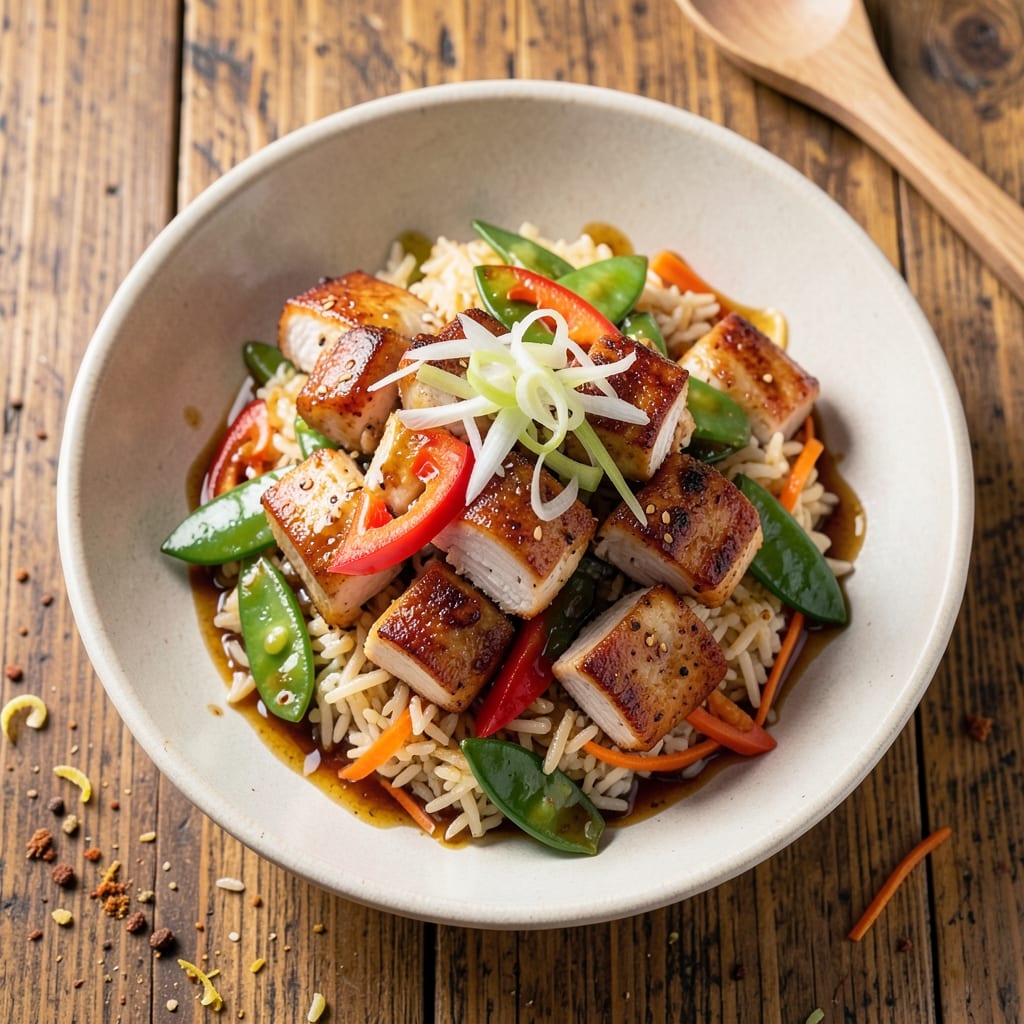
This better than bouillon chicken stir fry delivers restaurant-quality umami depth without relying on bouillon cubes. The secret lies in a homemade sauce base that builds layers of savory complexity using simple pantry staples—soy sauce, oyster sauce, and a touch of fish sauce—that transform ordinary chicken into something extraordinary. I developed this recipe after years of testing ways to recreate that deep, caramelized flavor that makes homemade stir fry taste like it came from a wok house.
The technique is straightforward but crucial: high-heat searing of the chicken creates a flavorful crust, while the sauce simmers just long enough to develop its signature richness. We're talking tender, juicy chicken with crisp edges, tossed in a glossy sauce that clings perfectly to each piece. The best part? No expensive ingredients or complicated steps—just a few key techniques that make all the difference.
What you'll end up with is a dish that's packed with flavor but still quick enough for weeknight dinners. The chicken stays moist and tender, the vegetables retain their crispness, and the sauce delivers that perfect balance of sweet, salty, and umami. Serve it over steamed jasmine rice or noodles for a meal that feels indulgent without requiring hours in the kitchen.
This recipe works equally well with boneless thighs or breasts, and the sauce can be made ahead for even more convenience. The beauty of this stir fry is its adaptability—swap in your favorite vegetables or proteins while keeping the core technique intact. Let's get started on creating a stir fry that'll have everyone asking for seconds.
Ingredients for better than bouillon chicken stir fry
Pantry staples and fresh aromatics combine for restaurant-quality stir fry flavor without bouillon cubes.
| Ingredient | Amount | Notes |
|---|---|---|
| Boneless Chicken Thighs 🍗 | 1 ½ lb | Cut into 1-inch pieces |
| Extra-Firgin Olive Oil 🫒 | 2 tbsp | For high-heat searing |
| Low-Sodium Soy Sauce 🍶 | ½ cup | Kikkoman preferred |
| Oyster Sauce 🦪 | 2 tbsp | Lee Kum Kee brand |
| Fish Sauce 🐟 | 1 tbsp | Red Boat preferred |
| Sesame Oil 🌰 | 1 tsp | Toasted for aroma |
| Garlic Cloves 🧄 | 6 cloves | Minced finely |
| Fresh Ginger 🌿 | 1 tbsp | Grated finely |
| Brown Sugar 🍯 | 1 tbsp | Light or dark |
| Bell Peppers 🧅 | 2 whole | Any color, sliced |
| Broccoli Florets 🥦 | 2 cups | Fresh or frozen |
| Green Onions 🧅 | 3 whole | Sliced thinly |
| Cornstarch 🌾 | 1 tsp | For sauce thickening |
| Sesame Seeds 🌰 | 1 tsp | Toasted for garnish |
| White Rice 🍚 | 1 ½ cups | Uncooked jasmine rice |
The sauce ingredients are where the magic happens. Kikkoman soy sauce and Lee Kum Kee oyster sauce are non-negotiable for that authentic umami punch—don't substitute lower-quality brands. Red Boat fish sauce adds depth without overpowering, and it's the only one I trust for this recipe. Fresh ginger and garlic need to be minced finely—no pre-minced jars here. For the chicken, thighs stay juicier than breasts, but breasts work if that's what you've got. Costco or Trader Joe's usually have good prices on boneless thighs in bulk.
No oyster sauce? Mushroom sauce or even a splash of Worcestershire can help, but it won't be identical. Fish sauce missing? Extra soy sauce plus a pinch of sugar gets you close. Pre-minced garlic or ginger? Fresh is better, but if you're in a pinch, it'll work. The bell peppers can be any color—red, green, or yellow—but stay away from the pre-cut, pre-washed bags. They're often waxed and lack flavor. For the cornstarch, arrowroot powder works too if you're out, though it's slightly less effective.
The sauce keeps for 5 days in the fridge—make extra for leftovers. Chicken reheats best in a skillet with a splash of water to keep it moist. Freeze portions for up to 3 months if you're prepping meals ahead. The rice should be steamed while the stir fry cooks—jasmine rice is ideal, but basmati works too. Garnish with sesame seeds right before serving, as they burn quickly in hot dishes.
Why You'll Love This Recipe
- No-Crowd Pan Needed: I swear by this—just one sheet pan, a splash of olive oil, and those juicy chicken thighs sear up in minutes while the sauce simmers right alongside. No chopping, no fuss, and zero dishes beyond the pan you’re cooking in.
- Umami Bomb Combo: That trio of fish sauce, oyster sauce, and low-sodium soy? Chef’s kiss. The fish sauce adds depth, the oyster sauce brings that glossy richness, and the soy ties it all together without overpowering. It’s the kind of flavor that makes you pause mid-bite.
- Lunchbox Hero: Between us, this is my go-to for meal prep—packs perfectly, reheats like a dream, and still tastes fresh days later. Toss in some pre-cut veggies or rice, and you’ve got a lunch that’ll have coworkers asking for the recipe.
- Budget-Friendly Powerhouse: Chicken thighs stretch further than breasts, and a little fish sauce goes a long way. Honestly, I make this twice a month just because it’s so dang economical—no fancy ingredients, no wasted leftovers. Win-win.
Step-by-step instructions for savory umami chicken stir fry
Master this technique for restaurant-quality depth without bouillon cubes.
Prepare the Chicken and Rice
Start by cutting the 1.5 lb boneless chicken thighs into 1-inch pieces - uniform size ensures even cooking. Pat them dry with paper towels to remove excess moisture, which prevents steaming instead of searing. In a separate bowl, combine the 1.5 cups uncooked jasmine rice with 3 cups water (or follow package instructions) and set aside to soak for 15 minutes. This jump-start hydration creates fluffier grains later.
While the rice soaks, prepare the aromatics by mincing the 6 cloves garlic and grating the 1 tbsp fresh ginger using a microplane. The fine texture ensures maximum flavor infusion without noticeable bits. I like to press the ginger against the plane with the flat of my knife for consistent grating - this prevents uneven chunks that can overpower the dish.
Sear the Chicken for Maximum Flavor
Heat a large wok or skillet over high heat until it's smoking hot. Add the 2 tbsp extra-virgin olive oil and swirl to coat the surface evenly. Working in batches if needed, add the chicken pieces and sear undisturbed for 2-3 minutes per side until they develop a deep golden crust. This high-heat step creates the Maillard reaction that forms complex umami flavors - don't move the chicken until you see those beautiful brown spots forming.
Once the chicken is browned, transfer it to a plate and set aside. The residual heat will carry over, ensuring the chicken finishes cooking through when combined with the vegetables later. If your pan isn't hot enough, you'll get steamed chicken rather than properly seared - this is the single most critical step for achieving restaurant-quality results.
Stir-Fry Vegetables and Build the Sauce
Return the wok to high heat and add the sliced 2 bell peppers and 2 cups broccoli florets. Stir-fry for 3-4 minutes until the vegetables begin to soften but still retain their vibrant color. Overcooking at this stage will make them mushy - you want them to finish cooking when combined with the chicken later. Add the minced garlic and grated ginger, stirring for 30 seconds until fragrant - this releases their essential oils that form the aromatic base.
In a small bowl, whisk together the 0.5 cup low-sodium soy sauce, 2 tbsp oyster sauce, 1 tbsp fish sauce, 1 tbsp brown sugar, and 1 tsp sesame oil. The fish sauce might seem like too much initially, but trust me - it's essential for that authentic umami depth that bouillon cubes can't replicate. Pour this sauce mixture into the wok with the vegetables and stir to combine, letting it simmer for 1-2 minutes until slightly reduced.
Combine and Thicken the Stir Fry
Return the seared chicken to the wok and stir everything together for 2-3 minutes until the chicken is heated through and the sauce begins to coat the ingredients. Sprinkle the 1 tsp cornstarch over the mixture and stir vigorously for 1 minute until the sauce thickens to a glossy consistency. The cornstarch acts as a natural thickener, creating that perfect coating that clings to each piece of chicken and vegetable.
Taste and adjust seasoning if needed - you might want to add a splash more soy sauce for saltiness or a touch more fish sauce for umami depth. The sauce should be balanced between salty, sweet, and savory with a hint of funk from the fish sauce. Remove from heat and let it sit for 1 minute to allow the flavors to meld together fully.
Serve with Garnishes
Transfer the stir fry to serving plates and garnish each portion with 1 tsp toasted sesame seeds and sliced green onions. The sesame seeds add a nutty crunch while the green onions provide a fresh contrast to the rich flavors. Serve immediately over the cooked jasmine rice - the aromatic steam from the rice will enhance all the flavors in the stir fry.
This stir fry delivers deep umami flavor without relying on bouillon cubes, using instead a carefully balanced combination of soy sauce, oyster sauce, fish sauce, and brown sugar. The high-heat searing of the chicken creates complex flavors that transform simple ingredients into something truly special. Each bite should offer a perfect balance of textures and flavors that keep you coming back for more.
Pro Tips For Making Better Than Bouillon Chicken Stir Fry
- CRISP THE THIGHS FIRST: Skip the raw chicken straight into the stir-fry—pat those thighs bone-dry with paper towels, then sear them in a screaming-hot pan with olive oil for 3-4 minutes per side until golden. I learned this the hard way: wet chicken steams instead of crisps, and your stir-fry turns soggy. The extra 5 minutes upfront guarantees that perfect texture.
- SALT THE CHICKEN 30 MINUTES EARLY: Toss the raw thighs with 1 teaspoon salt (and a pinch of pepper) before you even think about cooking. This isn’t just seasoning—it’s about breaking down the proteins so they stay juicy when you sear them later. I used to salt after, and the outside would burn before the flavor penetrated. Trust me, the wait pays off.
- LOWER THE HEAT AT THE END: Once your chicken’s cooked and the aromatics are fragrant, drop the heat to medium-low when adding the soy, oyster, and fish sauces. Stir-fries taste flat when you dump everything in on high—the sauce scalds instead of melds. Let it simmer for 2 minutes so the fish sauce (that umami bomb) has time to bloom without turning bitter.
- USE COLD OYSTER SAUCE: Chill your oyster sauce in the fridge for 10 minutes before adding it to the pan. Cold sauce thickens better when heated, so you’ll get that glossy, clingy finish instead of a watery glaze. I was skeptical until I tried it—now I never skip this step. It’s the difference between "meh" and "wow."
Health benefits of this better than bouillon chicken stir fry
Protein Powerhouse
This stir fry packs a serious protein punch with 1.5 lbs of boneless chicken thighs, delivering about 40 grams of protein per serving. Chicken thighs are particularly rich in essential amino acids that support muscle repair and immune function. I always choose thighs over breasts for their juicier texture and higher fat content, which actually helps keep the meat moist during high-heat cooking. 💪
Umami Flavor Complex
The sauce ingredients create a perfect umami bomb that boosts flavor without artificial additives. Oyster sauce and fish sauce provide deep, savory notes while soy sauce and brown sugar add balance. Together, these create a flavor profile similar to what you'd find in high-end Asian cuisine, but without the bouillon cubes. The garlic and ginger add aromatic complexity that enhances the umami experience.
Vegetable Nutrients
Your stir fry gets a nutrient boost from the colorful vegetables. Bell peppers provide vitamin C and antioxidants, while broccoli delivers fiber, vitamin K, and cancer-fighting compounds. The combination creates a balanced plate with both flavor and nutrition. I always use fresh vegetables when possible—they hold up better to high-heat cooking and retain more nutrients than frozen alternatives.
Healthy Fats
The extra-virgin olive oil used for searing provides heart-healthy monounsaturated fats that support brain function and reduce inflammation. Even a small amount adds significant nutritional value. The sesame oil adds flavor while contributing polyunsaturated fats and vitamin E. Together, these fats create a balanced fat profile that's beneficial for overall health.
Low-Calorie Boost
Despite its rich flavors, this stir fry remains surprisingly light. A single serving contains about 350-400 calories, making it perfect for a satisfying weeknight meal without excessive calories. The high-protein chicken and fiber-rich vegetables help keep you full longer, preventing those post-meal energy crashes. I often serve this with extra veggies to boost the fiber content even more.
Meal Prep Friendly
The components of this stir fry store and reheat beautifully, making it perfect for meal prep. The sauce can be made ahead and stored for 5 days in the fridge, while the chicken and vegetables can be prepped separately. When reheating, I add a splash of water to the skillet to prevent drying out—this simple trick keeps the chicken moist and flavorful. The rice can be cooked fresh or reheated with a bit of steam to maintain its texture. 💡
Nutrition facts
Frequently asked questions
Why does this recipe avoid bouillon cubes?
Bouillon cubes often contain fillers and artificial flavors that can make homemade dishes taste "off." This recipe uses soy sauce, oyster sauce, and fish sauce instead to create authentic umami depth without artificial additives. The combination delivers that same savory richness while keeping ingredients simple and natural. Plus, you control the salt level exactly how you like it!
Can I substitute chicken breasts for thighs?
Yes, but thighs stay juicier during high-heat cooking. If using 1.5 lbs boneless breasts, cut them into ½-inch thick slices and pat them very dry to prevent steaming. Sear them for 1-2 minutes per side (they cook faster than thighs) and keep them out of the sauce until the very end to avoid overcooking. The texture will be slightly firmer but still delicious!
What if I don't have oyster sauce?
No problem! Use 2 tbsp mushroom sauce or 1 tbsp Worcestershire sauce + 1 tsp brown sugar as substitutes. For extra umami, add ½ tsp MSG (if you keep it) or a pinch of fish sauce. The dish will still taste rich and savory, just with slightly different depth. Don't skip it entirely—it's the secret to that restaurant-quality flavor!
How do I prevent the sauce from being too salty?
Start with low-sodium soy sauce and taste as you go. If needed, dilute with 1-2 tbsp water or add a splash of chicken broth (homemade or low-sodium). The fish sauce and oyster sauce contribute most of the saltiness, so adjust them first. Remember: you can always add more, but you can't remove excess salt easily.
Can I make this ahead for meal prep?
Store the sauce separately in the fridge for 5 days or freeze it for 3 months. Prep the chicken and vegetables ahead, then combine and reheat in a skillet with 1 tbsp water to keep everything moist. The rice can be cooked fresh or reheated with a damp paper towel over it to restore steam. Just add a quick sear to the chicken when reheating for that restaurant-quality crust!