
Sauces & Condiments
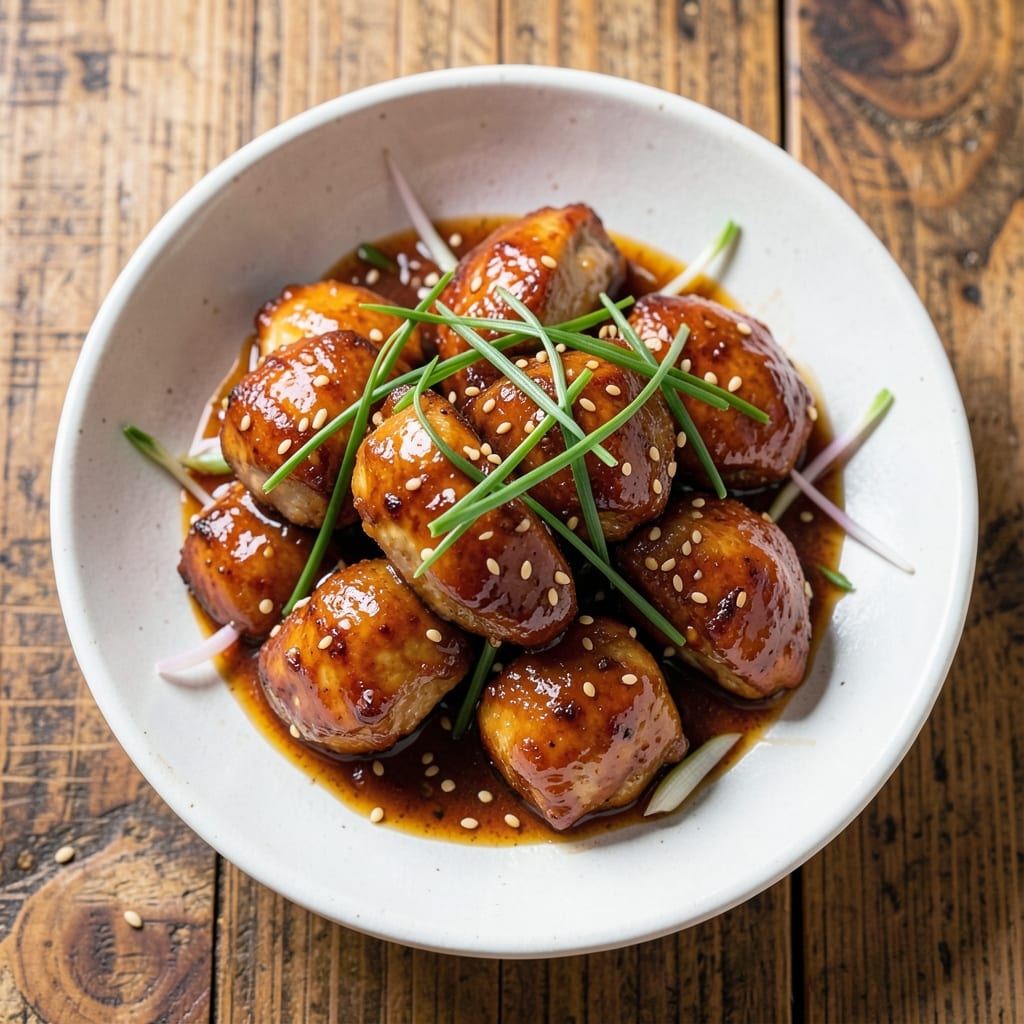
This Bibigo Korean BBQ sauce chicken recipe delivers restaurant-quality results with a sweet-spicy glaze that caramelizes to golden perfection. The secret lies in marinating the chicken for at least 4 hours (overnight is ideal) to ensure deep flavor penetration, then grilling or broiling until the sauce forms a sticky, glossy crust. Every bite combines tender, juicy meat with that signature Korean sweetness and smoky depth.
The process is straightforward but requires attention to detail—basting the chicken with the sauce as it cooks creates that signature caramelized finish. This method transforms simple chicken thighs into a dish worthy of a Korean BBQ feast, with minimal effort. The sauce's natural sugars concentrate during cooking, creating a complex balance of flavors that's both bold and approachable.
What you'll achieve is perfectly caramelized chicken with crispy edges and tender centers, all coated in a glossy, sweet-spicy glaze. The aroma alone will have everyone gathering around the table, and the first bite delivers that perfect harmony of textures and flavors. This recipe serves as both a weeknight dinner solution and an impressive dish for entertaining.
Serve with steamed rice and quick-pickled vegetables to complete the meal. The caramelized chicken pairs beautifully with the tangy crunch of pickles, balancing the richness of the glaze. Let's get started on creating this standout dish that's sure to become a family favorite.
Ingredients for bibigo korean bbq sauce chicken
Fourteen ingredients transform simple chicken into restaurant-quality Korean BBQ perfection.
| Ingredient | Amount | Notes |
|---|---|---|
| Boneless, Skinless Chicken Thighs 🍗 | 1 ½ lb | Cut into 1-inch pieces for even cooking |
| Bibigo Korean BBQ Sauce 🍶 | 1 cup | Original flavor preferred for authentic taste |
| Sesame Oil 🫒 | 1 tbsp | Toasted for nutty aroma |
| Minced Garlic 🧄 | 4 cloves | Freshly minced for pungent flavor |
| Fresh Ginger 🌿 | 1 tbsp | Grated, for zesty depth |
| Soy Sauce 🍶 | 1 tbsp | Korean or Japanese preferred |
| Honey 🍯 | 1 tbsp | For caramelization |
| Rice Vinegar 🍶 | 1 tbsp | White vinegar substitute |
| Toasted Sesame Seeds 🌾 | 1 tbsp | For garnish and texture |
| Vegetable Oil 🫒 | 1 tbsp | High smoke point for grilling |
| Diamond Crystal Kosher Salt 🧂 | ½ tsp | For seasoning |
| Ground Black Pepper 🌶️ | ¼ tsp | Freshly ground for heat |
| Green Onions 🧅 | 2 whole | Sliced, for garnish |
| Steamed White Rice 🍚 | 2 cups | Prepared separately |
The Bibigo sauce is the heart of this dish—grab the original flavor from the Asian aisle, not the sweetened varieties. Korean grocery stores like H Mart or Costco stock it in bulk, saving you money for larger batches. For the chicken, bone-in, skin-on thighs yield the juiciest results, but boneless works in a pinch. If using frozen, thaw overnight in the fridge—never under running water, as it dries out the meat. The garlic and ginger should be freshly grated or minced for maximum flavor; pre-minced jarred versions lack the same punch. Toast your sesame seeds in a dry pan for 30 seconds until fragrant—they’ll add depth to both the glaze and garnish.
No Bibigo sauce? Mix ½ cup soy sauce, ¼ cup honey, 2 tbsp rice vinegar, 1 tbsp gochujang, and 1 tbsp sesame oil for a quick substitute. Substitute maple syrup for honey if avoiding refined sugar, though the caramelization won’t be as pronounced. Fresh ginger can be swapped for 1 tsp ground ginger, but you’ll lose that bright, zesty kick. The green onions can be omitted if you prefer a cleaner presentation, but they add a fresh contrast to the rich glaze. For an extra-smoky flavor, add ½ tsp smoked paprika to the marinade. If grilling outdoors isn’t an option, broil on high for 5-7 minutes, basting frequently to achieve that glossy crust.
Marinate the chicken for at least 4 hours (overnight is ideal) in the fridge—this ensures deep flavor penetration. Portion the sauce into small containers if not using immediately; it keeps for up to 2 weeks in the fridge or 6 months frozen. The caramelized chicken reheats beautifully—cover with foil and warm in a 350°F oven for 10 minutes to retain moisture. Store leftovers in an airtight container with a paper towel pressed on top to absorb excess moisture. For meal prep, double the batch and freeze half—thaw overnight in the fridge before reheating. The rice can be prepped ahead and reheated with a splash of water to steam.
Why You'll Love This Recipe
- One-Pan Magic: I swear by this recipe when I’m too tired to wash extra dishes. Toss the chicken thighs in Bibigo sauce, a splash of sesame oil, and a quick sear—then let the oven do the rest. No flipping, no fuss, just sticky-sweet chicken that practically falls off the bone.
- Umami Bomb: That Bibigo sauce isn’t just sweet—it’s got this deep, savory punch from fermented soy and gochujang that makes every bite ridiculously good. Add a glug of sesame oil at the end? Instant crispy edges and a nutty finish that’ll have you reaching for seconds.
- Lunchbox Hero: Between us, this is my go-to for meal prep. Cook a big batch on Sunday, slice it up, and pack it with rice or lettuce wraps for the week. The sauce clings to the chicken so well, it stays flavorful even after three days—no sad, dry leftovers here.
- Budget Win: Chicken thighs are cheaper than breasts, and Bibigo sauce stretches far enough to feed four for under $10. Honestly, I’ve made this on grocery-store paychecks, and it’s still the star of my weeknight table. Plus, the ginger and garlic are pantry staples—no extra splurges needed.
Step-by-step instructions for Bibigo Korean BBQ sauce chicken
Master this method and you'll achieve restaurant-quality caramelized glaze every time.
Marinate the Chicken for Maximum Flavor
Cut the 1.5 lb boneless, skinless chicken thighs into 1-inch pieces for even cooking. In a large bowl, combine the chicken with 1 cup Bibigo Korean BBQ sauce, 1 tbsp soy sauce, 1 tbsp honey, 1 tbsp rice vinegar, 4 cloves minced garlic, 1 tbsp fresh ginger, 0.5 tsp Diamond Crystal kosher salt, and 0.25 tsp ground black pepper. Use your hands to coat each piece thoroughly—this ensures the sauce penetrates deeply and creates that signature sticky glaze.
Transfer the mixture to a resealable plastic bag or airtight container and refrigerate for at least 30 minutes (I prefer 2 hours for maximum flavor infusion). The longer it marinates, the more tender and flavorful the chicken becomes. If you're short on time, a 15-minute marinade still works, but the glaze won't be as developed.
Sear the Chicken for Crispy Texture
Heat 1 tbsp vegetable oil in a large skillet over medium-high heat until shimmering. Remove the chicken from the marinade (reserve the liquid) and pat dry with paper towels—this step is crucial for achieving a good sear. Working in batches to avoid crowding, add the chicken to the skillet and cook for 3-4 minutes per side until golden brown and cooked through to an internal temperature of 165°F. The chicken should release easily from the pan when ready.
As the chicken cooks, you'll notice the marinade caramelizing in the pan. This is where the magic happens—those browned bits pack serious flavor. Don't skip this step; it's what gives the dish its depth. Transfer the cooked chicken to a plate and tent loosely with foil to keep warm while you prepare the sauce.
Build the Glazed Sauce
Return the skillet to medium heat and add the reserved marinade. Bring to a simmer and let it cook uncovered for 5-6 minutes, stirring occasionally, until it reduces by about half and becomes slightly thickened. You're looking for a glossy, syrupy consistency that will beautifully coat the chicken. If the sauce thickens too quickly, add 1-2 tablespoons of water to loosen it.
Stir in 1 tbsp sesame oil and let it heat through for 30 seconds. The sesame oil adds a nutty aroma that complements the sweet-spicy profile of the BBQ sauce. Taste and adjust seasoning if needed—this is your chance to balance the sweetness and heat to your preference. The sauce should coat the back of a spoon and cling to the chicken when tossed together.
Combine and Garnish
Return the chicken to the skillet and toss to coat evenly in the glaze. Cook for an additional 1-2 minutes until the sauce fully adheres and the chicken is heated through. The chicken should be sticky and glossy, with a beautiful caramelized sheen. If the sauce seems too thin, let it simmer for another 30 seconds to thicken slightly.
Remove from heat and transfer to a serving platter. Garnish with 1 tbsp toasted sesame seeds and 2 whole green onions, sliced diagonally. The sesame seeds add texture while the green onions provide a fresh contrast to the rich, sweet-spicy flavors. Serve immediately over 2 cups steamed white rice to soak up every last drop of that delicious glaze.
Pro Tips For Making Bibigo Korean Bbq Sauce Chicken
- CRACK THE HEAT IN STAGES: I learned this the hard way—blasting chicken thighs on high heat with Bibigo sauce makes it dry and bitter. Start with medium-high to sear the outside (2-3 minutes per side), then drop to medium-low, cover the pan, and let the sauce reduce with the chicken. The sauce thickens faster when it’s working with the meat’s natural juices, not against them.
- GINGER: GRATE, DON’T MINCE: Fresh ginger loses its punch when finely minced for this recipe. Use a microplane or the largest holes of a box grater—you want visible flecks, not paste. Toss those flecks into the sauce after the chicken’s cooked, so they infuse without turning to mush (yes, even if you’re impatient like me).
- SAUCE IT UP LAST: Adding Bibigo sauce too early means you’re boiling chicken instead of caramelizing it. Wait until the thighs are golden and just starting to pull away from the pan—then pour in the sauce. Let it bubble for 30 seconds uncovered to burn off the alcohol, then cover to steam the flavors together. Trust me, your chicken won’t taste like a sad marinade.
- GARLIC: TOAST IT FIRST: Raw minced garlic in this sauce just burns and turns bitter. Heat 1 tsp sesame oil in the same pan after removing the chicken, toss in the garlic, and cook for 20 seconds until fragrant but not brown. Let it cool, then mix it back into the sauce—it’ll add depth without overpowering the smoky-sweet Bibigo flavor. (Your future self will thank you.)
Serving suggestions for this dish
Rice Pairings
Steamed jasmine rice or short-grain white rice is the classic choice—its mild, slightly sticky texture soaks up the caramelized glaze beautifully. For extra flair, try brown rice or forbidden black rice to add visual contrast and nutty depth. I like serving it in individual bowls with a small scoop of kimchi on the side to cut through the sweetness. 🍚
Fresh Vegetable Sides
Quick-pickled cucumber and carrot salad balances the richness perfectly. Thinly slice 1 English cucumber and 2 carrots, then toss with 2 tbsp rice vinegar, 1 tsp sugar, and a pinch of salt. For a crunchier option, serve steamed bok choy or blanched green beans with a sprinkle of toasted sesame seeds. The acidity and crunch refresh your palate between bites.
Protein Additions
Round out the meal with grilled pork belly or bulgogi beef for a full Korean feast. Both proteins complement the chicken’s sweet-spicy profile while adding variety. If you prefer lighter options, miso-glazed tofu or crispy fried mandu (dumplings) work wonderfully. I often serve these as family-style dishes so everyone can build their own plate. 🍖
Dipping Sauces
Offer a small bowl of soy-ginger dipping sauce made with 2 tbsp soy sauce, 1 tbsp rice vinegar, 1 tsp grated ginger, and a drizzle of sesame oil. For spice lovers, mix 1 tbsp gochujang with 1 tsp honey and a splash of water. These sauces let guests customize their flavor experience. 🌶️
Presentation Tips
Garnish the chicken with extra sesame seeds and thinly sliced scallions for a restaurant-worthy finish. Serve on a wooden platter or ceramic dish to elevate the presentation. For a modern twist, arrange the chicken in a skillet and bring it straight to the table—this keeps the glaze intact and makes for an interactive dining experience. The caramelized edges look stunning when photographed too! ✨
Nutrition facts
Frequently asked questions
Can I use chicken breast instead of thighs for this recipe?
Yes, but with adjustments! Chicken breast cooks faster and dries out more easily. Use 1 lb boneless breasts, cut into ½-inch pieces, and reduce marinating time to 1-2 hours max. Cook at medium heat for 2-3 minutes per side only—overcooking will make them rubbery. The glaze will still stick beautifully, but the texture will be lighter.
What if I don't have Bibigo sauce? Can I substitute?
Mix ½ cup soy sauce, ¼ cup honey, 2 tbsp rice vinegar, 1 tbsp gochujang, and 1 tbsp sesame oil for a quick substitute. For extra depth, add 1 tsp grated ginger and 1 minced garlic clove. The homemade version will be slightly less sweet but still delicious. For heat lovers, add ½ tsp red pepper flakes.
How do I prevent the chicken from drying out when grilling?
Pat the chicken very dry before cooking and don't overcrowd the grill. Use medium heat (not high) and cook in single layers. Baste frequently with the marinade during the last 5 minutes of cooking. For extra juiciness, marinate for overnight and cook immediately after removing from the fridge. If using a grill, close the lid to retain moisture.
Can I make this recipe in an air fryer?
Yes! Preheat the air fryer to 375°F and cook the chicken in single layers for 12-15 minutes, shaking the basket every 5 minutes. For the glaze, pour 2 tbsp sauce into the basket and toss the chicken until fully coated. Air frying gives slightly crispier edges while keeping the chicken juicy. Reduce the sauce by half before tossing if it's too thin.
Why is my sauce too thin after cooking?
This usually happens if you didn't reduce the sauce enough. Simmer uncovered for 3-5 extra minutes to thicken it naturally. If it's still too thin, mix 1 tsp cornstarch with 1 tbsp water, stir into the sauce, and cook for 1 more minute. For a quicker fix, chill the sauce for 10 minutes**—it will thicken as it cools. Always taste as you go!