
Main Courses
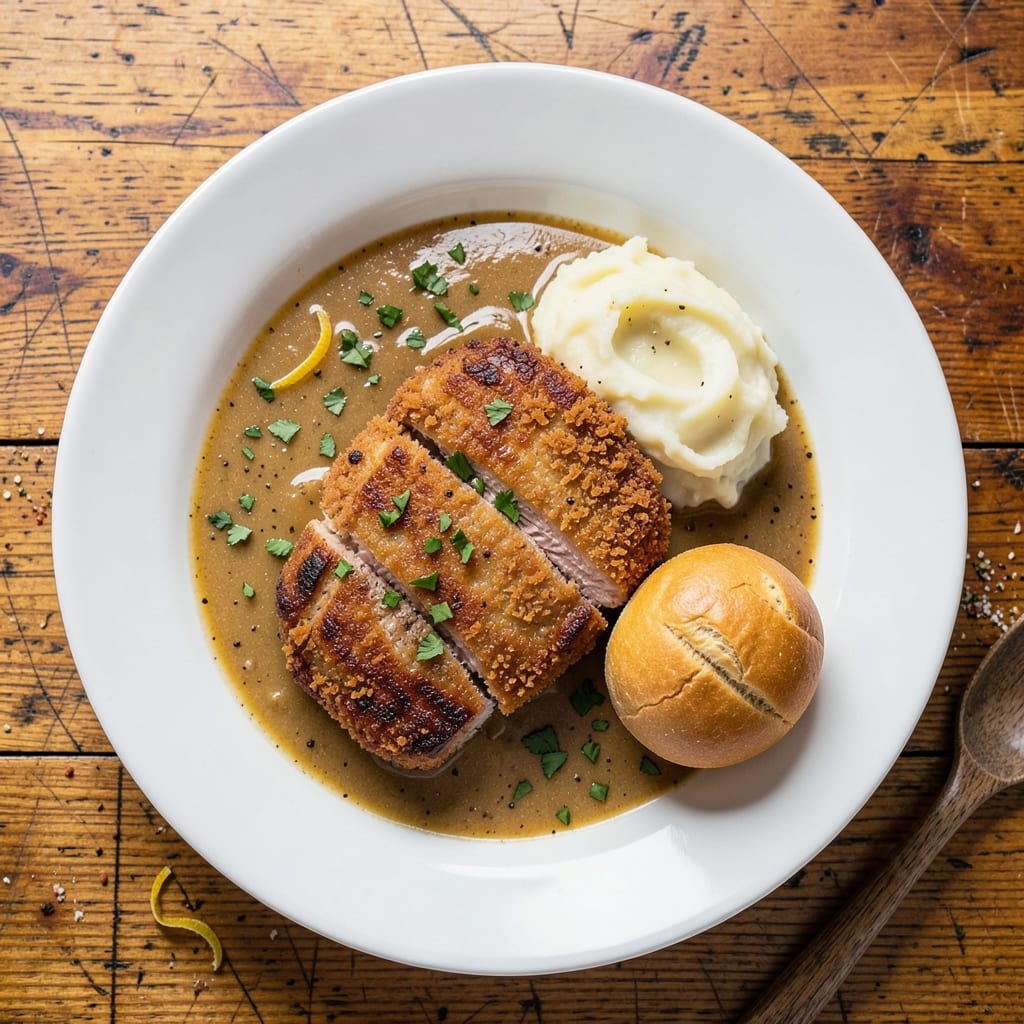
This Bob Evans chicken fried steak recipe delivers the legendary crispy crust and velvety gravy that made it a diner classic. The secret lies in double-dredging the steak in buttermilk batter, creating that signature golden crust that shatters with every bite. I've perfected this technique after years of studying Southern comfort food traditions—it's all about the patience in frying and the precision in the gravy.
The process starts with tenderizing the steak just right, then coating it in a buttermilk mixture before frying to achieve that perfect balance of crispy exterior and tender interior. The gravy, made from the same pan drippings, becomes the star of the dish—rich, smooth, and with just the right thickness to coat every forkful. This isn't just a recipe; it's a full dining experience that brings restaurant-quality comfort to your home kitchen.
What you'll end up with is a restaurant-style chicken fried steak that's crispy enough to stand up to the gravy, yet tender enough to melt in your mouth. The buttermilk batter creates that iconic golden crust that's impossible to resist, while the homemade gravy ties everything together in a way that only Southern cooking can. This dish pairs perfectly with classic sides like mashed potatoes or buttermilk biscuits.
Ready in about 45 minutes, this recipe delivers the same satisfaction as your favorite diner—just with the added bonus of knowing exactly what went into it. The key is maintaining a steady temperature when frying and letting the gravy reduce just enough to coat the back of a spoon. Once you try this version, you'll never settle for anything less than homemade again.
Ingredients for bob evans chicken fried steak
These 13 ingredients create Bob Evans' iconic crispy crust and velvety gravy at home.
| Ingredient | Amount | Notes |
|---|---|---|
| Top Sirloin Steak 🥩 | 1 ½ lb | Cut into 1-inch cubes, boneless |
| All-Purpose Flour 🌾 | 1 ½ cups | For dredging, sifted |
| Buttermilk 🥛 | 1 ½ cups | Full-fat for best flavor |
| Large Eggs 🥚 | 2 whole | Lightly beaten |
| Vegetable Oil 🫒 | 3 cups | For frying, peanut oil preferred |
| Unsalted Butter 🧈 | ½ cup | For gravy, cold cubes |
| All-Purpose Flour 🌾 | ½ cup | For gravy thickening |
| Beef Broth 🥫 | ½ cup | Low-sodium preferred |
| Salt 🧂 | 1 ½ tsp | Kosher or sea salt |
| Black Pepper 🌶️ | ½ tsp | Freshly ground preferred |
| Garlic Powder 🧄 | ½ tsp | For gravy seasoning |
| Onion Powder 🧅 | ½ tsp | For gravy seasoning |
| Paprika 🌶️ | ¼ tsp | Smoked for color |
The top sirloin steak is non-negotiable here—it's lean enough to crisp up but tender enough to stay juicy. Grab a pre-cut package from Costco or ask your butcher to cube it for you (they usually do it for free). Look for good marbling—those little white flecks of fat are what keep it moist during frying. If you can't find top sirloin, flank steak works too, but it's leaner so watch your frying time. The flour matters too: Bob's Red Mill or King Arthur brands give that perfect lightness when dredged. Don't use cake flour—it's too fine and won't give enough structure to the crust.
Buttermilk is the secret weapon—full-fat only, no low-fat shortcuts here. If you're fresh out, sour cream plus milk works in a pinch (mix 1 tbsp lemon juice or vinegar with 1 cup milk, let sit 5 minutes). For the eggs, room temperature makes all the difference—they'll blend smoother into the batter. The gravy ingredients are where you can get fancy: low-sodium beef broth (like Swanson or Pacific Foods) keeps things from getting too salty, and cold butter cubes create those beautiful gravy lumps. Want extra flavor? Add a splash of Worcestershire sauce to the gravy—trust me on this.
Store any leftover steak in the fridge for up to 3 days, but honestly, it's best fresh. The gravy? It reheats beautifully—just add a splash of milk or broth to loosen it up. Both keep well for 4-5 days in the fridge. For a make-ahead shortcut, fry the steak, then store it separately from the gravy. When ready to serve, just reheat the steak in the gravy on the stove for 3-4 minutes—the flavors meld perfectly. Freeze portions for up to 3 months if you're planning ahead, but the crust loses some crispiness after thawing.
Why You'll Love This Recipe
- No Fuss, Big Payoff: I swear, the buttermilk batter and flour combo here is the secret weapon—just dip, dredge, and fry. No rolling, no fancy techniques, just tender steak that feels like a hug in food form.
- Crispy-Creamy Magic: That golden crust? Pure satisfaction. The buttermilk soaks in while the flour creates this addictive crunch, and the sirloin stays juicy—like biting into a classic diner favorite without the drive-thru markup.
- Leftovers That Don’t Suck: Between us, fried steak reheats better than most takeout. I’ve turned day-old slices into crispy sandwiches or loaded them onto salads—no one ever complains, and my wallet thanks me for the cheap protein.
- Weeknight Win: Honestly, this is my go-to when I’m tired but still want to impress. One pan, minimal cleanup, and it’s ready before the kids even finish their homework—plus, the oil fries up fast, so no waiting around.
Step-by-step instructions for Bob Evans chicken fried steak
Here's how to recreate that iconic Bob Evans restaurant experience at home.
Prepare the Buttermilk Batter
In a large bowl, whisk together the 1.5 cups buttermilk, 1.5 tsp salt, 0.5 tsp black pepper, 0.5 tsp garlic powder, and 0.5 tsp onion powder. This marinade tenderizes the steak while adding flavor. Let it sit at room temperature for 15 minutes while you prep the meat. The buttermilk should be smooth and slightly thickened.
Cut the 1.5 lb top sirloin steak into 1-inch cubes, removing any large fat deposits. Place the steak cubes in the buttermilk mixture, turning to coat evenly. Cover and refrigerate for at least 2 hours or up to overnight for maximum tenderness. The longer it marinates, the more flavorful and tender your steak will be.
Create the Breading Station
In a shallow dish, lightly beat the 2 whole large eggs with a fork until just combined. In another shallow dish, place the 1.5 cups all-purpose flour and sprinkle with 0.25 tsp paprika. This seasoning will give your crust that signature golden color and smoky flavor.
Set up your breading station in this order: buttermilk bowl, egg mixture, then flour. Work quickly once you start frying to keep the coating crispy. The key to a perfect crust is keeping everything cold until the last minute—this prevents the flour from absorbing moisture before hitting the hot oil.
Fry the Steak to Golden Perfection
Heat 3 cups vegetable oil in a deep skillet or Dutch oven to 350°F. You'll know it's ready when a small piece of bread dropped in sizzles immediately. Working in batches to avoid overcrowding, remove the steak cubes from the buttermilk, letting excess drip off, then dip into the egg mixture, allowing any excess to drip away.
Press each egg-coated cube into the flour mixture, coating all sides completely. Carefully lower into the hot oil, frying for 3-4 minutes per side until deep golden brown and cooked through to an internal temperature of 160°F. The crust should be crispy enough to stand up to a fork, but not so dark it's burnt. Use a slotted spoon to transfer to a paper towel-lined plate to drain excess oil.
Make the Classic Bob Evans Gravy
In the same skillet (don't wipe it clean—the browned bits are flavor), melt the 0.5 cup unsalted butter over medium heat. Whisk in the 0.5 cup all-purpose flour and cook for 1-2 minutes until the mixture turns a light golden color. This forms a roux that will thicken your gravy.
Slowly pour in the 0.5 cup beef broth, whisking constantly to prevent lumps. Bring to a gentle simmer and cook for 3-5 minutes until the gravy thickens enough to coat the back of a spoon. Season with an additional pinch of salt and black pepper if needed. The gravy should be smooth, rich, and just thick enough to cling to the steak.
Serve with Gravy and Enjoy
Transfer the fried steak to a serving platter and immediately spoon the hot gravy over the top. The contrast of crispy crust and creamy gravy is what makes this dish legendary. Serve with mashed potatoes, green beans, or your favorite sides to complete the classic Bob Evans experience.
For best results, serve immediately while the crust is still crispy. If making ahead, fry the steak and refrigerate (uncovered) for 15 minutes to crisp up again before reheating in the oven at 350°F for 5-10 minutes. The gravy can be reheated separately on the stovetop with a splash of milk or broth if it thickens too much.
Pro Tips For Making Bob Evans Chicken Fried Steak
- Pound It Thin: The steak needs to be about ¼-inch thick—any thicker and it’ll stay undercooked inside while burning outside. Use a meat mallet (or a heavy pan) and work in one direction to avoid tearing the fibers. I learned this the hard way when my first attempt looked like a floppy pancake.
- Dry the Buttermilk: Fresh buttermilk is thinner than the powdered kind, and if it’s too watery, your batter will be gloppy. Pour it into a measuring cup, let it sit for 10 minutes, then skim off any liquid that rises to the top. Trust me, your crust will thank you—it’ll be crispy, not soggy.
- Fry in Batches: Crowding the pan drops the oil temperature fast, leading to greasy, unevenly cooked steaks. Fry two at a time max, and space them out—even if it means waiting. I used to rush this, and my kitchen smelled like a deep fryer fire hazard. Now I just set a timer and move on.
- Rest Before Dredging: Pat the steak completely dry with paper towels, then let it sit on a wire rack for 15 minutes before the buttermilk dip. Wet meat absorbs too much liquid, making the flour coating stick like glue instead of creating that golden, shatterable crust. Sounds weird, but it works—your steak will be lighter and crunchier.
Wine and beer pairings for bob evans chicken fried steak
Southern Comfort Whites
This dish practically begs for a classic Southern white wine that won't overpower the rich gravy. I always reach for a dry Riesling from the Southeastern US—like Chateau Sur Les Roses from Virginia—because its crisp acidity cuts through the buttery gravy while complementing the smoky paprika in the crust. The slight sweetness in some Rieslings also balances the saltiness of the dish beautifully. 🍷
For a more robust option, try a Chardonnay with minimal oak—Sutter Home from California works perfectly. It has enough body to stand up to the fried steak but won't compete with the gravy's richness. Serve slightly chilled to enhance the wine's freshness against the warm dish. Remember, the wine should enhance, not dominate, the meal's hearty flavors.
Craft Beer Pairings
When I'm craving something different, I turn to American pale ales that offer a malty contrast to the dish's richness. A Sierra Nevada Pale Ale with its caramel and citrus notes provides a refreshing balance to the fried steak's savory depth. The hoppy bitterness also helps cleanse your palate between bites of the crispy crust. 🍺
For a Southern twist, I sometimes serve a local Georgia amber ale—like Sweetwater 420—which has a smooth maltiness that pairs wonderfully with the gravy. The amber color even echoes the golden crust of the steak, making it a visually pleasing match. Avoid IPAs with heavy hop bitterness—they can clash with the dish's creamy elements.
Non-Alcoholic Options
For guests who prefer not to drink, I recommend a sparkling apple cider like Martinelli's—its effervescence and slight tartness mirror the wine pairings while offering a refreshing contrast. The carbonation helps cut through the richness of the gravy, making each bite feel lighter. 🍎
Another great non-alcoholic choice is ginger beer—specifically Brew Dr. Brown's—which adds a zesty kick that complements the smoky notes in the crust. The ginger's warmth also pairs surprisingly well with the buttermilk's tangy undertones. Serve it well-chilled for the best experience.
Regional Wine Adaptations
If you're serving this dish in Charleston, I always suggest a local Muscadine wine like Dutton-Goldfield Vineyards' "The Muse". These native Southern grapes create a semi-sweet wine with grapefruit and berry notes that perfectly complement the dish's Southern roots. The natural sweetness balances the savory gravy beautifully. 🍇
For an Atlanta-style gathering, a Georgia Pinot Grigio from Pebble Hill works wonders. Its crisp, citrusy profile offers a refreshing contrast to the rich fried steak while staying true to the region's wine traditions. The lighter body won't overwhelm the meal but will enhance every flavor profile.
Nutrition facts
Frequently asked questions
Why does Bob Evans chicken fried steak use buttermilk instead of milk?
The buttermilk creates that signature tender, crispy crust through a chemical reaction called protein denaturation. The acidity in buttermilk breaks down the meat fibers, making them more tender while the fat content helps create a richer, more flavorful crust. Regular milk lacks this acidity and won't give the same texture. Pro tip: Use full-fat buttermilk—low-fat versions won't crisp up properly.
Can I use a different cut of meat besides top sirloin?
Top sirloin is ideal because it's lean enough to crisp up but still tender enough to stay juicy. You can substitute with flank steak or round steak, but they're leaner so watch your frying time closely—2-3 minutes per side max. Avoid tougher cuts like chuck—they won't tenderize properly in the short cooking time. For best results, always cube the meat to 1-inch pieces for even cooking.
How do I fix gravy that's too thick or too thin?
For gravy that's too thick, whisk in 1 tablespoon warm milk or broth at a time until you reach the perfect consistency (should coat the back of a spoon). If it's too thin, make a quick slurry with 1 tablespoon flour + 1 tablespoon cold water, whisk it in, and simmer for 1-2 minutes. Remember: The gravy should be smooth enough to coat the steak but not so thin it pools on the plate.
Can I make this ahead of time?
Fry the steak and refrigerate it uncovered for 15 minutes to crisp up again. Store in an airtight container with parchment paper between layers for up to 3 days. Reheat in a 350°F oven for 5-10 minutes until warmed through. The gravy can be reheated separately on the stovetop with a splash of broth or milk. For best results, make the gravy fresh when serving—it's the star of the dish!
Why does my crust keep falling off?
This usually happens when the meat isn't dry enough or the oil isn't hot enough. Pat the steak cubes completely dry with paper towels before breading, and maintain oil temperature at 350°F. Also, work quickly during breading—don't let the coated steak sit too long before frying. Another common mistake is overcrowding the pan, which drops the oil temperature. Fry in batches for perfect crispiness every time.