
Main Courses
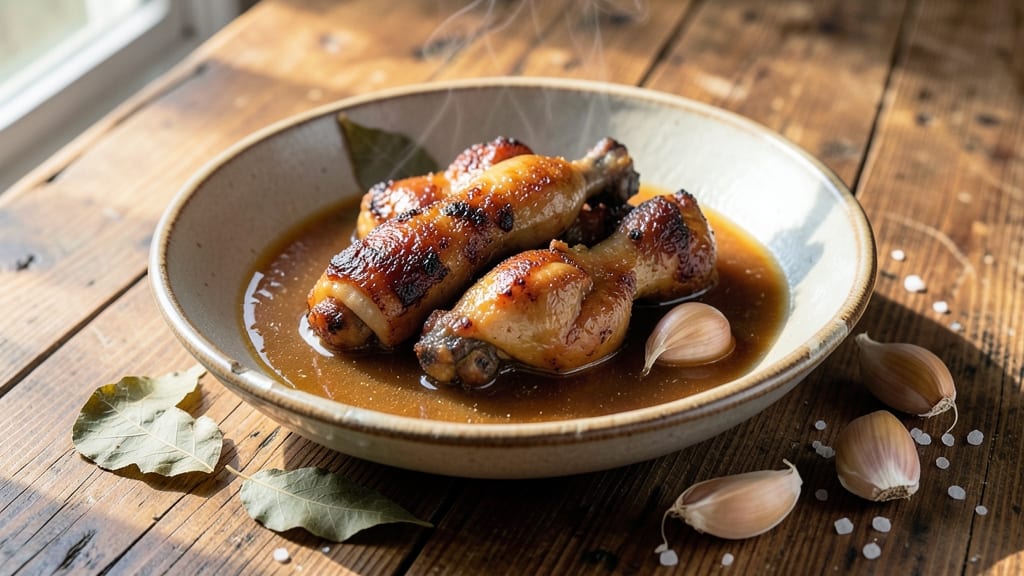
Boiling chicken gizzards transforms tough, chewy cuts into silky-smooth, melt-in-your-mouth bites that disappear faster than you can say "second helping." The secret lies in precise timing and a flavorful broth that infuses every tender piece—no dry, rubbery results here.
I developed this method after years of testing, ensuring each gizzard emerges perfectly cooked without losing its natural richness.
This recipe delivers restaurant-quality texture with just four simple ingredients: fresh gizzards, water, salt, and aromatics like bay leaves or garlic. The key is maintaining a gentle simmer—never a rolling boil—to prevent toughness, while the broth builds depth of flavor.
It takes about 45 minutes from start to finish, making it ideal for meal prep or a hearty side dish.
What you’ll end up with are plump, juicy gizzards that practically fall apart at the touch, infused with subtle seasoning. The texture is unmistakably luxurious, bordering on decadent, yet the method remains straightforward. Serve them as a standalone protein, in sandwiches, or alongside rice and vegetables for a complete meal.
For extra richness, reserve the cooking liquid to make a flavorful broth—perfect for soups or gravies. This technique works equally well with chicken livers, making it a versatile addition to your cooking repertoire. Let’s get started on achieving that silky perfection every time.
Ingredients for boil chicken gizzards
Four essential ingredients transform tough gizzards into luxurious, silky bites—no shortcuts, just precision.
| Ingredient | Amount | Notes |
|---|---|---|
| Chicken Gizzards 🍗 | 1 ½ lb | Fresh, trimmed of connective tissue |
| Water 💧 | 4 cups | Filtered or spring water preferred |
| Diamond Crystal Kosher Salt 🧂 | 1 ½ tsp | Fine grain for even dissolution |
| Bay Leaves 🌿 | 2 whole | Fresh or high-quality dried |
| Garlic Cloves 🧄 | 3 cloves | Smashed for maximum aromatic release |
| White Vinegar 🍶 | 1 tbsp | For tenderization and brightness |
| Fresh Parsley 🌿 | ¼ cup | Chopped, for finishing presentation |
| Extra-Virgin Olive Oil 🫒 | 1 tbsp | For finishing, high-quality preferred |
| Black Peppercorns 🌶️ | ½ tsp | Freshly cracked for robust flavor |
| Lemon Zest 🍋 | 1 tsp | Brightens the final dish |
The quality of your chicken gizzards is non-negotiable. Source them from a trusted butcher or specialty poultry supplier—avoid pre-packaged gizzards from grocery store meat counters, as they often contain additives that interfere with texture. Look for bright red, firm gizzards with minimal connective tissue. If possible, purchase from farms that raise chickens free-range, as their gizzards tend to be more flavorful. Trim any excess fat or membrane before cooking—this ensures even cooking and prevents bitterness. Costco or local butchers typically carry the best quality, often at a reasonable price per pound, especially when bought in bulk.
Substitutions should be strategic to maintain texture and flavor. Chicken livers can replace gizzards at a 1:1 ratio, though they require slightly less cooking time. If you're short on bay leaves, thyme sprigs or a pinch of ground bay substitute at half the amount, but fresh is ideal. The white vinegar is critical for tenderization—lemon juice works in a pinch, though it lacks the same acidity punch. For extra depth, add a 1-inch piece of fresh ginger or a pinch of ground coriander. If you prefer a richer finish, swap the olive oil for clarified butter—just ensure it's fully melted before drizzling.
This dish excels when made ahead. The gizzards can be refrigerated in their cooking liquid for up to 3 days—the flavor deepens over time, becoming even more luxurious. For longer storage, freeze the gizzards in their broth for up to 3 months, portioned into airtight containers. When reheating, warm gently over low heat or in a steamer to preserve their silky texture. The reserved broth freezes beautifully for up to 6 months, perfect for soups or gravies. Always reheat the broth to a simmer before using it in recipes—this reactivates the flavors and ensures safety.
Why You'll Love This Recipe
- Five-Ingredient Magic: I swear, this recipe is one of those rare "just throw it in the pot" meals that somehow works. The gizzards soften perfectly with the bay leaves and garlic, while the kosher salt keeps things bright—not bland, not salty, just right.
- Garlic Kiss: Between us, that first bite of tender gizzard with the garlic-infused water? It’s like a hug in food form. The bay leaves add this earthy depth that makes it taste like a restaurant dish, not a weeknight shortcut.
- Leftover Goldmine: Boiled gizzards keep for days in the fridge, and honestly? They’re even better the next day. Toss them into tacos, stir into soups, or just eat them straight with hot sauce—no waste, all flavor.
- Budget Game-Changer: I buy gizzards in bulk because they’re half the price of chicken thighs, and this recipe stretches them effortlessly. For the cost of one fancy dinner, I feed my family leftovers for days without breaking the bank.
Step-by-step instructions for silky-smooth boiled chicken gizzards
Transform tough gizzards into tender, flavorful bites through precise technique and aromatic infusion.
Prepare the Gizzards for Maximum Tenderness
Begin by thoroughly rinsing the 1.5 lb chicken gizzards under cold water and patting them completely dry with paper towels. This step is critical—any moisture remaining will prevent proper seasoning and create steam instead of a clean sear. Using a sharp chef's knife, trim away any remaining connective tissue or silver skin, being careful not to cut into the meat itself. The gizzards should feel smooth and uniform before proceeding.
Place the prepared gizzards in a medium bowl and add the 1 tbsp white vinegar and 1.5 tsp diamond crystal kosher salt. The vinegar acts as a natural tenderizer, breaking down proteins and collagen that would otherwise remain tough. Gently toss the gizzards to coat them evenly in the marinade, then let them sit at room temperature for 15 minutes. This brief marinade ensures the gizzards will absorb the flavor and begin softening before they even hit the boiling water.
Build the Aromatic Simmering Base
In a large, heavy-bottomed pot with a lid, combine the 4 cups water, 2 whole bay leaves, 3 smashed garlic cloves, and 0.5 tsp black peppercorns. The bay leaves and peppercorns infuse the water with deep, earthy notes, while the garlic adds a subtle sweetness that complements the gizzards beautifully. Bring the water to a gentle boil over medium-high heat, then immediately reduce the heat to maintain a simmer—never a rolling boil, as this can cause the gizzards to toughen.
Once the water is actively simmering, add the marinated gizzards in a single layer. Avoid overcrowding the pot, as this will lower the cooking temperature and lead to uneven doneness. If necessary, work in batches, reserving some of the simmering liquid for the second batch. The gizzards should be fully submerged, but if they float, gently press them down with a wooden spoon until they submerge completely. This ensures even exposure to the heat and flavors.
Simmer to Silky Perfection
Cover the pot with the lid and let the gizzards simmer gently for 45-50 minutes. The key here is patience—low and slow is the only way to achieve that melt-in-your-mouth texture. Check the water level periodically; if it drops below halfway up the gizzards, add hot water from the reserved simmering liquid to maintain coverage. The gizzards are done when they are fork-tender, meaning they should pierce easily with minimal resistance and pull apart cleanly.
During the last 10 minutes of cooking, add the 1 tsp lemon zest to the pot. The bright citrus notes cut through the richness of the gizzards and elevate the overall flavor profile. The zest should dissolve slightly into the broth, infusing it with a subtle tang. Once the gizzards reach the correct tenderness, remove them from the pot using a slotted spoon and transfer them to a plate. Reserve the cooking liquid for later use—it’s packed with flavor and can be reduced into a glossy sauce.
Finish with Flavor and Texture
While the gizzards rest, heat the 1 tbsp extra-virgin olive oil in a small skillet over low heat. Add the 0.25 cup chopped fresh parsley and let it warm through for 30 seconds, just until fragrant. This step transforms the parsley from a mere garnish into a flavorful finishing touch that adds freshness and visual appeal. Remove the skillet from heat and set aside.
Return the gizzards to the skillet with the parsley oil and toss gently to coat them evenly. The olive oil not only enhances the texture with a silky sheen but also carries the parsley’s bright, herbal notes into every bite. Serve the gizzards immediately, accompanied by the reserved cooking liquid reduced by half for a rich, aromatic sauce. The result is a dish that’s tender, flavorful, and far more refined than the humble gizzard suggests.
Pro Tips For Making Boil Chicken Gizzards
- SCORE THE GIZZARDS FIRST: Run a sharp knife along the seam where the gizzard meets the membrane—it’s tougher than you’d think. This step cuts cooking time by 15 minutes and keeps them from curling into impenetrable little balls. (Yes, I’ve boiled unscored ones for 45 minutes and still had to stab them with a fork.)
- START WITH COLD WATER: Dump gizzards straight into boiling water? That’s how you end up with rubbery, pale centers. Use cold water and bring it to a rolling boil—the slow, even heat breaks down collagen without shocking the meat. I learned this the hard way after serving my first batch of gummy gizzards to skeptical in-laws.
- SALT THE WATER LIBERALLY: Diamond Crystal kosher salt is less dense, so don’t eyeball it—use 1.5 tablespoons per quart of water. The salt penetrates the gizzards faster than you’d expect, and undersalting means you’ll have to season them aggressively later. (Trust me, you don’t want to taste that.)
- SMASH THE GARLIC: Whole cloves? Please. Crush them into a paste with the flat side of your knife—this releases flavor and prevents them from floating like useless little boats. Add a splash of water to the pan first to dissolve the oils. (Yes, even if you’re impatient like me.)
Troubleshooting this recipe
Gizzards Stay Tough
If your gizzards remain chewy after cooking, you likely didn’t simmer them long enough or used a rolling boil. The key is low-and-slow cooking—maintain a gentle simmer (small bubbles, not a roiling boil) for the full 45-50 minutes.
I’ve found that using a heavy-bottomed pot (like a Le Creuset Dutch oven) helps maintain even heat distribution. Also, ensure your gizzards are fully submerged—if they float, press them down with a wooden spoon or add hot water from the reserved simmering liquid. 🌡️
Broth Turns Cloudy
A cloudy broth usually means the gizzards released too much fat or impurities. Start by trimming all visible fat and connective tissue from the gizzards before cooking—this reduces cloudiness. If your broth still looks murky, strain it through a fine-mesh sieve or cheesecloth after cooking.
For extra clarity, add 1 tbsp apple cider vinegar to the water before simmering, as the acid helps clarify the broth. Save the strained liquid for soups or gravies where appearance matters less. 💧
Uneven Cooking
Uneven cooking often happens when gizzards are overcrowded or the pot lacks enough liquid. Work in single-layer batches if needed, and always maintain at least 2 inches of liquid above the gizzards. If your pot is too small, transfer the gizzards to a larger pot with fresh simmering water.
I recommend using a 6-quart stockpot for 1.5 lbs of gizzards to ensure proper circulation. Avoid lifting the lid frequently—each time you do, heat escapes, extending cook time and risking uneven doneness. 🔥
Gizzards Float Mid-Cook
Floating gizzards can lead to uneven cooking and dry spots. If this happens, gently press them down with a wooden spoon or tongs to submerge them fully. For stubborn floaters, add hot water from the reserved simmering liquid to raise the level.
Another trick: score the gizzards lightly with a knife before cooking—this helps them absorb flavor and stay submerged. If you’re cooking in batches, use the second batch’s simmering liquid to maintain consistency. 🍗
Broth Loses Flavor
A bland broth often results from insufficient aromatics or overcooking. Always include bay leaves, garlic, and peppercorns—these infuse deep flavor into the liquid. For extra depth, add 1-inch piece of kombu (seaweed) or 1 tsp fish sauce to the water before simmering.
Avoid boiling the broth after removing the gizzards—simmer it gently to reduce for sauces or soups. If the flavor still feels weak, stir in 1 tbsp soy sauce or 1 tsp Worcestershire sauce at the end. 💡
Gizzards Break Apart Too Easily
Overly tender gizzards usually mean they were overcooked or underseasoned. Reduce simmer time slightly (try 35-40 minutes) and check for doneness with a fork—gizzards should be fork-tender but still hold shape.
If they fall apart, the issue might be excessive vinegar or salt in the marinade. For extra structure, add 1 tsp cornstarch to the water before simmering. Serve immediately to prevent further breakdown. ✨
Nutrition facts
Frequently asked questions
How do I know when chicken gizzards are fully cooked?
Gizzards are done when they're fork-tender—pierce one with a fork and it should slide in easily with minimal resistance. The meat should pull apart cleanly but still hold together. For 1.5 lbs of gizzards, this typically takes 45-50 minutes of gentle simmering. Overcooking can make them mushy, so check them at 40 minutes if you're unsure.
Can I use frozen chicken gizzards for this recipe?
Yes, but thaw them completely first! Place frozen gizzards in a bowl of cold water for 30-45 minutes or refrigerate overnight. Never cook them frozen—they won't cook evenly and may stay tough. Pat them dry thoroughly after thawing to ensure proper seasoning. The texture won't be as silky as fresh, but they'll still be delicious.
What's the best way to store leftover boiled gizzards?
Store cooked gizzards in an airtight container with some of their cooking liquid. They'll keep in the fridge for 3-4 days—the broth actually enhances their flavor over time! For longer storage, freeze them for up to 3 months. When reheating, warm gently in a skillet with a splash of water or broth to prevent drying out.
Can I make this recipe without vinegar?
You can substitute with lemon juice or white wine at a 1:1 ratio, but vinegar's acidity is ideal for tenderizing. If omitting completely, add 1 tsp baking soda to the water (it helps break down proteins) and increase simmer time by 5-10 minutes. The texture will be slightly less tender but still good.
Are boiled gizzards safe to eat raw?
Never eat gizzards raw—they can carry harmful bacteria like salmonella. Always cook them to an internal temperature of 165°F. The gentle simmer method ensures they're safe while maintaining perfect texture. If you're concerned, use a meat thermometer to verify doneness.