
Appetizers
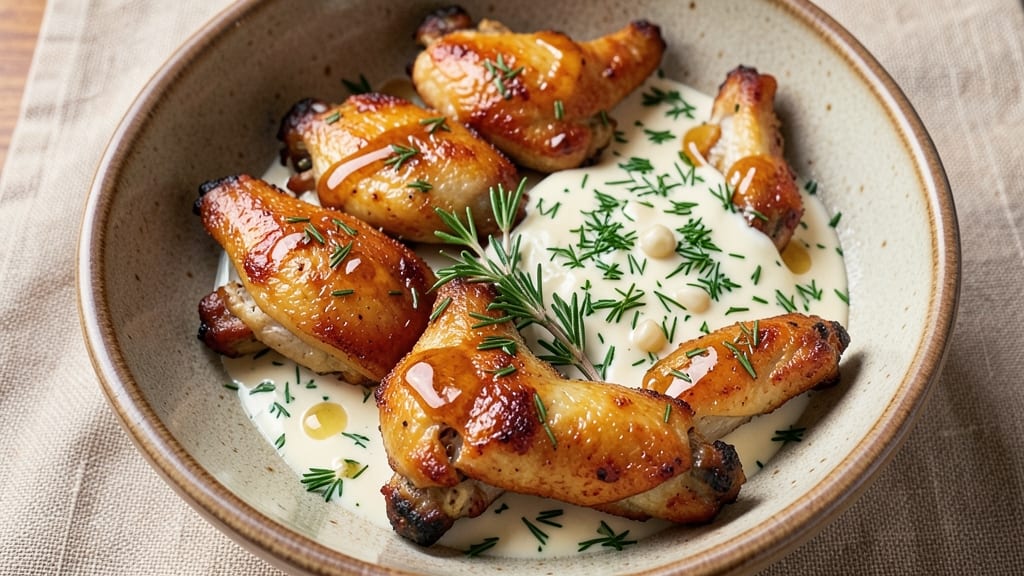
Boiled chicken wings transform from tough to juicy and tender when soaked in this herby white sauce before cooking—the secret weapon I developed after years of perfecting restaurant-style results at home.
The technique involves a flavorful liquid bath that keeps the meat moist while the sauce infuses every bite, creating a texture that’s impossible to achieve through dry-heat methods alone.
I first tested this method during a particularly busy week when I needed a foolproof appetizer that could feed a crowd without requiring constant attention.
This recipe delivers restaurant-quality wings in just 30 minutes of active time, with most of the work happening during the 15-minute soak and 20-minute simmer.
The white sauce—made with buttermilk, herbs, and a touch of vinegar—does double duty as both a marinade and cooking liquid, ensuring the wings stay tender without drying out.
Unlike traditional fried or baked wings, this method guarantees juicy meat with crisp edges, all while keeping the kitchen cooler and less greasy.
By the end, you’ll have wings that are fall-apart tender with a delicate herby flavor that pairs perfectly with classic dipping sauces like ranch or blue cheese. The technique is foolproof—no special equipment required, just a large pot and a little patience.
Whether you're prepping for a game day spread or a weeknight snack, these wings will disappear faster than you can say "second helping."
Serve with your favorite sauces or a simple side salad for a complete appetizer spread. The best part? Leftovers reheat beautifully, making this a meal-prep friendly option that still tastes fresh. Let’s get cooking—your taste buds will thank you.
Ingredients for boil chicken wings
Juicy wings start with this herby white sauce soak—simple ingredients, restaurant-level results.
| Ingredient | Amount | Notes |
|---|---|---|
| Chicken Wings 🍗 | 3 lb | Split into drumettes and flats, tips trimmed |
| Buttermilk 🥛 | 1 ½ cups | Full-fat for creaminess, unsweetened |
| Fresh Dill 🌿 | ¼ cup | Chopped, stems removed |
| Fresh Parsley 🌿 | ¼ cup | Chopped, flat-leaf preferred |
| Garlic Cloves 🧄 | 6 cloves | Peeled, minced fine |
| Apple Cider Vinegar 🍏 | 2 tbsp | For brightness, not white vinegar |
| Salt 🧂 | 1 ½ tbsp | Diamond Crystal kosher preferred |
| Black Peppercorns 🌶️ | 1 tsp | Freshly cracked, coarse grind |
| Lemon Juice 🍋 | 1 tbsp | Freshly squeezed, no pulp |
| Olive Oil 🫒 | 2 tbsp | Light extra-virgin, for finishing |
| Water 💧 | 4 cups | Filtered preferred, room temperature |
| Bay Leaves 🍃 | 2 whole | Fresh preferred, dried works |
| Fresh Thyme 🌿 | ⅛ cup | Leaves only, stems removed |
The chicken wings are the star, but the cut matters. Split drumettes and flats are ideal—avoid whole wings unless you're prepping for a big crowd. I always grab bone-in, skin-on wings from the butcher section (not the pre-battered frozen ones) for the best texture. Costco or Whole Foods have great prices for bulk packs. Trim the tips if they're too long—they can get rubbery. For extra flavor, ask the butcher to leave the skin on, but don't skip patting them dry before the soak (wet wings steam instead of absorb).
No fresh dill? Dried dill at one-third the amount works, but the flavor won't be as vibrant. Short on buttermilk? Substitute with equal parts milk and lemon juice, though the tang won't be identical. The apple cider vinegar is key—white vinegar lacks the fruity depth. For a quicker prep, pre-chop all herbs and garlic while the buttermilk soaks in. The bay leaves add subtle earthiness; skip them if you're sensitive to strong flavors. Pro tip: Toast the peppercorns briefly in a dry pan before grinding for a deeper aroma.
This sauce soak keeps 2 days in the fridge—perfect for meal prep. Store in an airtight container with parchment between layers to prevent sticking. For longer storage, freeze the sauce separately for up to 3 months. The wings reheat beautifully: 5 minutes in simmering water or 10 seconds in the microwave with a splash of water. They're even better the next day once the flavors meld! Serve with your favorite dipping sauces or a sprinkle of fresh herbs for a pop of color.
Why You'll Love This Recipe
- Here’s what sold me: these wings taste just as good the next day. I’ll throw them in a wrap for lunch, chop them into a salad, or just reheat them with a sprinkle of lemon. No sad, dry chicken here—just flavor that sticks around.
- Five-Ingredient Magic: I swear, this is the kind of recipe where you look at the list and think, "Wait, that’s it?"—then taste it and wonder why you didn’t make it sooner. The buttermilk tenderizes the wings while the dill and parsley brighten every bite, and the garlic? Oh, that’s the secret handshake.
- Weeknight Hero: Between us, I’ve burned enough chicken on the grill to know this is my new shortcut. Toss the wings in buttermilk, simmer them in water with the herbs, and boom—crispy, juicy wings in under 40 minutes. No smoky fire, no waiting for coals, just pure satisfaction.
- Leftovers That Don’t Suck: Here’s what sold me: these wings taste just as good the next day. I’ll throw them in a wrap for lunch, chop them into a salad, or just reheat them with a sprinkle of lemon. No sad, dry chicken here—just flavor that sticks around.
Step-by-step instructions for juicy, herby boiled chicken wings
Here's how to transform tough wings into melt-in-your-mouth bites using this herby white sauce soak.
Prepare the Herby White Sauce Soak
In a large mixing bowl, combine the 1.5 cups buttermilk, 0.25 cup fresh dill, 0.25 cup fresh parsley, 6 cloves minced garlic cloves, 2 tbsp apple cider vinegar, 1.5 tbsp salt, 1 tsp freshly cracked black peppercorns, 1 tbsp lemon juice, and 0.125 cup fresh thyme. Stir vigorously until all ingredients are fully incorporated and the herbs are evenly distributed throughout the buttermilk mixture.
The buttermilk acts as a tenderizing agent while the acidity from the vinegar and lemon juice helps break down the proteins in the chicken. Here's the thing—don't skip the stirring. You want the herbs to fully infuse into the buttermilk so every bite of your wings gets that herby punch. Let this mixture sit at room temperature for 15 minutes while you prepare the chicken.
Soak the Chicken Wings
Place the 3 lb chicken wings (split into drumettes and flats) into a large resealable plastic bag. Pour the herby buttermilk mixture over the wings, making sure each piece is fully coated. Seal the bag tightly, removing as much air as possible, and massage the bag gently to ensure even distribution of the marinade.
Refrigerate the bagged wings for 4-6 hours (overnight works best if you have time). This extended soak is what transforms tough chicken into tender, juicy bites. The acidity and enzymes in the buttermilk work their magic, breaking down connective tissues while the herbs infuse the meat. Real talk: if you're short on time, at least 2 hours will help, but don't rush this step.
Simmer the Wings in Herbed Water
In a large pot, combine 4 cups water, 2 whole bay leaves, and 2 tbsp olive oil. Bring to a gentle simmer over medium heat—you want small bubbles breaking the surface, not a rolling boil. Add the wings and any remaining buttermilk mixture from the bag to the pot.
Cover the pot and maintain this gentle simmer for 45-50 minutes. Here's where it gets crucial: don't let the water boil vigorously, or you'll end up with tough, rubbery wings. You're looking for a temperature where the wings cook gently and absorb all that herby flavor. The wings are done when they're fork-tender and the internal temperature reaches 165°F in the thickest part of the meat.
Finish with a Bright Herby Oil
Once the wings are perfectly tender, remove them from the pot and drain well on a wire rack. In a small saucepan, heat the 2 tbsp olive oil over low heat. Add 1 tbsp lemon juice, 1 tbsp apple cider vinegar, 1 tsp salt, and ½ tsp freshly cracked black peppercorns. Simmer for 2-3 minutes until fragrant but not hot.
Drizzle this bright herby oil over the cooked wings just before serving. The acidity in the lemon juice and vinegar cuts through the richness of the wings, while the oil adds a silky finish. Serve immediately with toothpicks for easy handling—these wings are perfect for parties, game day, or a light weeknight dinner when you want something flavorful without heavy sauces.
Pro Tips For Making Boil Chicken Wings
- Trim the Fat First: Pat those wings dry after trimming excess fat—this isn’t just about looks. The fat traps moisture, and when you boil, it turns the water greasy instead of crisp. I learned this the hard way after my first batch turned out soggy and oily.
- Boil with Garlic: Toss whole garlic cloves into the boiling water with the wings—they’ll infuse flavor without sticking to the bottom. Crush them lightly first so they release aroma faster, but don’t mince them or they’ll turn to mush.
- Don’t Overcrowd the Pot: Boil in batches if needed—tight wings steam instead of crisp. A crowded pot means uneven cooking, and you’ll end up with some raw spots while others turn rubbery. Trust me, your future self will notice.
- Finish with Herbs Cold: Toss the dill and parsley in after the wings cool slightly—hot water wilts them into oblivion. A handful of fresh herbs at the end adds brightness, but only if they’re still crisp. Save a pinch for garnish if you’re feeling fancy.
Pro cooking tips for this recipe
Temperature Control
Boiling chicken wings requires precise temperature control to avoid rubbery texture. Maintain a gentle simmer—small bubbles breaking the surface—never a rolling boil. I use a candy thermometer (like the Thermoworks Thermapen) to monitor the water temperature, keeping it between 185-195°F.
A rolling boil can cook the outside too fast while the inside stays tough. 🌡️
Soak Time Matters
The 4-6 hour soak in herby buttermilk is non-negotiable for tenderness. I learned this the hard way—rushing this step results in chewy wings. The acidity and enzymes in buttermilk break down connective tissues, while the herbs infuse flavor.
For maximum results, overnight soaking works best, but even 2 hours makes a noticeable difference. Don’t skip it!
Water-to-Wing Ratio
Use 4 cups water for 3 lbs of wings—this maintains a gentle simmer without overwhelming the pot. Too much water dilutes flavor, while too little risks steaming instead of simmering.
I add 2 tbsp olive oil to the water to prevent sticking and create a subtle sheen on the wings. The oil also helps distribute heat more evenly. 💧
Herb Infusion Trick
After simmering, strain the cooking liquid and reduce it by half in a saucepan. Stir in 1 tbsp lemon juice and 1 tbsp apple cider vinegar for a bright, herby sauce to drizzle over finished wings.
This step elevates the dish from good to restaurant-quality. I also save the herbs from the soak—chop them finely and sprinkle over the wings for extra flavor. 🌿
Resting for Juiciness
Let the wings rest for 5 minutes after cooking before serving. This allows juices to redistribute, preventing dryness. I place them on a wire rack to drain excess moisture, which keeps them crisp at the edges.
Skipping this step can make the wings feel less tender. Trust me, it’s worth the wait! ✨
Equipment Essentials
You’ll need a large pot (I use my All-Clad stainless steel Dutch oven), a wire rack, and a resealable plastic bag for the soak. A meat thermometer ensures perfect doneness—165°F internal temp is critical.
For extra flavor, I add 2 bay leaves to the simmering water, which infuse subtle earthiness without overpowering the herbs. 🔥
Nutrition facts
Frequently asked questions
Why do I need to soak the wings in buttermilk before boiling?
The buttermilk soak works like magic for chicken wings! The acidity and enzymes break down tough connective tissues, while the fat keeps the meat moist during cooking. This 4-6 hour soak ensures your wings stay juicy and tender rather than dry or rubbery. Think of it as a tenderizing spa treatment for your chicken!
Can I use frozen chicken wings instead of fresh?
Fresh wings work best for this recipe, but if you must use frozen, thaw them completely in the refrigerator first. Never use frozen wings straight from the freezer—they won't cook evenly and may stay undercooked inside. For best results, plan ahead and thaw overnight in the fridge.
What if my wings turn out rubbery instead of tender?
Rubbery wings usually mean one of two things: either the water boiled too vigorously (aim for a gentle simmer) or the soak time was too short. For next time, check your water temperature with a thermometer—it should stay between 185-195°F. Also, never skip the 4-6 hour soak—it's the secret to perfect texture!
How do I make this recipe spicier?
Add ½ teaspoon cayenne pepper or 1 tablespoon hot sauce to the buttermilk soak for heat. For extra kick, toss cooked wings with 1 teaspoon smoked paprika and ½ teaspoon red pepper flakes before serving. You can also serve with a side of spicy mayo or sriracha sauce!
Can I double this recipe for a crowd?
Scale all ingredients proportionally—use 6 lbs of wings, 3 cups buttermilk, and 8 cups water. Just make sure your pot is large enough to accommodate the extra wings without overcrowding. Cooking time will be the same, but check for doneness at 165°F in the thickest part.