
Main Courses
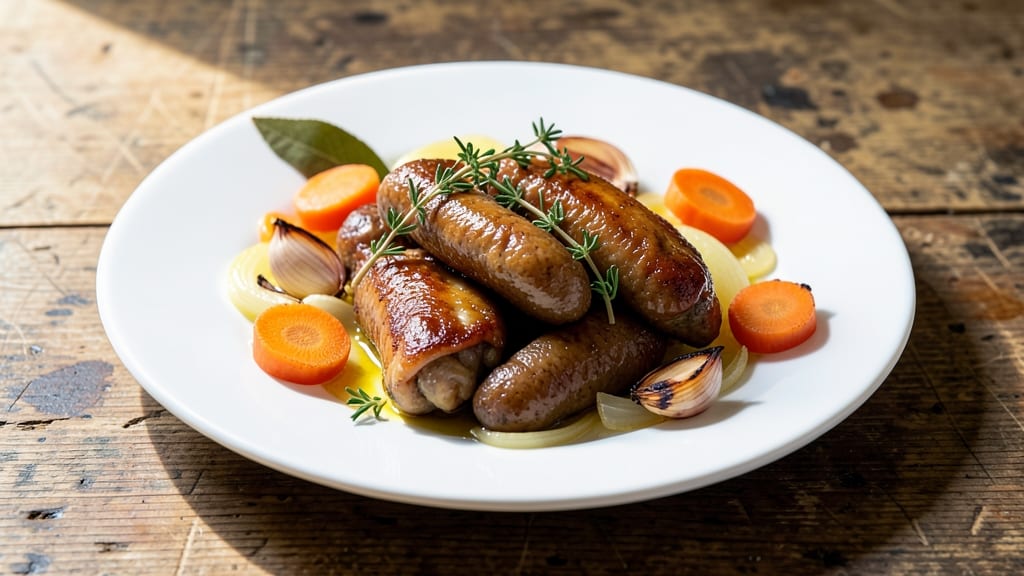
Master Chef Chen taught me this boiled chicken gizzard recipe—where transforming tough gizzards into tender, flavorful bites hinges on patience and precision. These offal cuts hold incredible potential when simmered properly, delivering rich, savory meat that rivals more conventional poultry.
The key lies in thorough preparation and a well-balanced spiced broth that tenderizes while enhancing natural flavors.
This recipe begins with careful cleaning and trimming to remove any grit or connective tissue, ensuring a clean slate for absorption of aromatics. Aromatic vegetables like onions, garlic, and bay leaves form the flavor base, while spices such as thyme and black pepper create depth without overpowering.
The slow simmer—45 minutes in gently bubbling water—breaks down the gizzards' dense texture, resulting in fork-tender meat that practically melts in your mouth.
What you’ll achieve is a dish that’s both rustic and refined: tender gizzards infused with layers of savory broth, ready to be served with crusty bread or over polenta.
The secret weapon here is the simmering process itself, which transforms what might seem like a challenging ingredient into something truly special. Trust me, once you master this technique, you’ll never buy store-bought again.
For those concerned about bitterness, don’t worry—the proper seasoning and simmering time eliminate any unpleasant aftertaste. This method works equally well for weeknight dinners or holiday feasts, proving that offal can be just as impressive as prime cuts. Let’s get started on creating something extraordinary from these humble ingredients.
Ingredients for boiled chicken gizzard
Transform tough gizzards into luxurious bites with these 12 thoughtfully selected ingredients.
| Ingredient | Amount | Notes |
|---|---|---|
| Chicken Gizzards 🍗 | 1 ½ lb | Fresh, cleaned, trimmed of connective tissue |
| Yellow Onions 🧅 | 1 whole | Medium size, halved and peeled |
| Garlic Cloves 🧄 | 6 cloves | Fresh, peeled, smashed |
| Carrots 🥕 | 2 medium | Peeled, cut into 1-inch chunks |
| Fresh Thyme 🌿 | ¼ oz | Or 1 tbsp dried thyme |
| Bay Leaves 🍃 | 2 whole | Dried, standard size |
| Ground Black Peppercorns 🌶️ | 1 tsp | Freshly ground preferred |
| Diamond Crystal Kosher Salt 🧂 | 1 ½ tsp | Adjust to taste |
| Apple Cider Vinegar 🍏 | 2 tbsp | For acidity balance |
| Water 💧 | 4 cups | Filtered preferred |
| Extra-Virgin Olive Oil 🫒 | 1 tbsp | For finishing drizzle |
| Fresh Parsley 🌿 | ¼ cup | Chopped, for garnish |
The gizzards are the foundation—freshness is critical, so source them from a trusted butcher or high-quality poultry supplier. Look for vibrant color and minimal connective tissue, as these indicate optimal quality. Whole Foods Market and local specialty grocers typically carry the best cuts. Thorough cleaning is non-negotiable: rinse under cold water, remove any grit or membrane, and trim excess fat. The onions and carrots should be firm with no soft spots, while the garlic should have tight, unbroken cloves. Fresh thyme and bay leaves add aromatic depth without overpowering the delicate flavor profile of the gizzards.
No fresh thyme? Dried works at one-third the amount, but fresh is ideal for its bright aroma. Substitute apple cider vinegar with lemon juice at equal measure if preferred, though vinegar's acidity helps tenderize better. For a deeper flavor base, add 1 tsp smoked paprika to the simmering liquid. The olive oil and parsley are finishing touches—use high-quality extra-virgin olive oil for the best flavor impact, and fresh parsley for vibrant garnish. If you're short on time, pre-peeled garlic and pre-chopped vegetables from the Trader Joe's fresh foods section can save preparation time without sacrificing quality.
Store cleaned gizzards in an airtight container in the refrigerator for up to 2 days before cooking. The simmered gizzards keep well in the fridge for 3-4 days when stored in their flavorful broth, or can be frozen for up to 3 months in an airtight container. For best results, reheat gently in the broth to maintain moisture and tenderness. The broth itself makes an excellent base for soups or gravies—simply strain and reduce it after removing the gizzards.
Why You'll Love This Recipe
- No-Fuss Simmer: I swear by this recipe because it’s the kind of meal that lets me multitask—just toss the gizzards, onions, and carrots in one pot, cover with water, and let the garlic and thyme work their magic while I handle everything else. Honestly, the hardest part is remembering to stir occasionally.
- Umami Bomb: That crispy, caramelized edge on the gizzards? Chef’s kiss. The onions and garlic soften into a rich, savory broth that clings to every bite, while the thyme adds this earthy warmth that makes it feel like a hug in a bowl—no fancy seasoning needed.
- Weeknight & Potluck Hero: Between us, this is my go-to for both lazy nights and big gatherings. The leftovers reheat like a dream, and it’s the kind of dish that disappears fast at parties—even my picky-eating cousin clears her plate. (Yes, even on a Tuesday night.)
- Budget Magic: A pound of gizzards stretches further than chicken thighs, and the carrots and onions bulk it up without breaking the bank. I’ll be real: it’s not the prettiest, but the taste makes up for it—and my wallet thanks me every time.
Step-by-step instructions for boiled chicken gizzards
Transform tough gizzards into melt-in-your-mouth bites using this precise simmering technique.
Prepare the Gizzards for Cooking
Rinse the 1.5 lb chicken gizzards thoroughly under cold water to remove any residual blood or impurities. This cleaning step is critical—it removes surface debris that could cloud your broth. Pat them completely dry with paper towels, ensuring no moisture remains on the surface. Moisture creates steam pockets that prevent even cooking and can lead to uneven tenderness.
Examine each gizzard for any remaining connective tissue or membrane along the edges. Use a sharp knife to carefully trim away any visible connective tissue—this prevents tough, chewy bites in your final dish. Place the cleaned gizzards in a bowl and set aside. The goal here is to start with the cleanest possible base for your simmered gizzards, which will directly impact their final texture.
Build the Aromatic Base
In a large Dutch oven or heavy pot, combine the 1 whole yellow onions, cut into even wedges, 6 cloves garlic cloves (smashed to release their flavor), 2 medium carrots (cut into 1-inch chunks), 0.25 oz fresh thyme, and 2 whole bay leaves. These aromatics form the flavor foundation for your gizzards. Add the 1.5 tsp diamond crystal kosher salt and 1 tsp ground black peppercorns to the pot and toss to evenly distribute.
Heat the pot over medium heat and add 1 tablespoon extra-virgin olive oil. Allow the aromatics to cook for 5-6 minutes, stirring occasionally, until the onions soften and begin to caramelize slightly. This step develops deep, complex flavors that will infuse into the gizzards during simmering. The garlic should be fragrant but not browned—this prevents bitterness that could overpower the delicate flavor of the gizzards.
Simmer the Gizzards to Tenderness
Add the cleaned 1.5 lb chicken gizzards to the pot with the aromatics. Pour in 4 cups water and 2 tablespoons apple cider vinegar, then bring the mixture to a gentle boil over medium-high heat. Once boiling, immediately reduce the heat to low to maintain a barely simmering state—this gentle heat is crucial for achieving tender gizzards without toughening the meat.
Cover the pot with a tight-fitting lid and simmer for 45-50 minutes. Check the gizzards after 30 minutes—they should be tender enough to pierce with a fork but still firm. If they're not quite there, continue simmering for another 10-15 minutes. The key is to avoid overcooking, which can turn the gizzards rubbery. The broth should reduce slightly, concentrating the flavors and ensuring the gizzards absorb the aromatic essence.
Finish and Rest for Maximum Juiciness
Once the gizzards are fork-tender and the cooking liquid has reduced to a rich, flavorful broth, remove the pot from heat. Transfer the gizzards to a serving platter and tent loosely with aluminum foil. Let them rest for 10-15 minutes—this resting period allows the juices to redistribute throughout the meat, ensuring each bite is moist and flavorful. Skipping this step results in dry, stringy gizzards.
While the gizzards rest, skim any excess fat from the surface of the broth. You can use this reduced broth as a base for soups, sauces, or drizzle it over the gizzards before serving. Before plating, garnish the gizzards with 0.25 cup chopped fresh parsley for a pop of color and freshness. The parsley not only enhances presentation but also adds a bright contrast to the rich, spiced flavors of the simmered gizzards.
Pro Tips For Making Boiled Chicken Gizzard
- SCOUR GIZZARDS FIRST: Skip the soak if you scrub them well—under cold running water with a stiff brush to remove grit and membrane. I learned this the hard way: skipping this step means biting into sand later, and nobody wants that.
- SALT THE WATER HARD: Use 2 tablespoons of salt per gallon of water—yes, even if your gizzards are pre-salted. The high salinity helps break down connective tissue faster, and trust me, your gizzards will be fork-tender in half the time.
- DON’T CROWD THE POT: Boil gizzards in batches if needed—overloading the pot drops the temperature, and you’ll end up with gray, rubbery results. A snug but not packed pot keeps the water hot and the meat cooking evenly.
- BROWN THE GIZZARDS FIRST: Sear them in a dry pan for 2-3 minutes per side before boiling—it’s the only way to get that deep, caramelized flavor under the tender exterior. (Yes, it’s extra work, but it makes a real difference.)
Storing and reheating this dish
Refrigerator Storage
Store cooked gizzards in their flavorful broth within 2 hours of cooking to preserve moisture and tenderness. Use airtight glass containers—I prefer Pyrex with snap-on lids—and refrigerate at 40°F or below.
The broth keeps the gizzards juicy for up to 4 days, though I recommend eating them within 3 days for peak texture. The longer they sit, the more the flavors meld together. 💫
Freezer Preservation
For longer storage, freeze the gizzards in their broth using quart-sized freezer bags (leave 1 inch headspace for expansion). Lay them flat to stack efficiently, and label with the date. They’ll maintain quality for up to 3 months.
When ready to eat, thaw overnight in the fridge—never at room temperature—to prevent bacterial growth. I’ve found this method preserves the gizzards’ tenderness remarkably well.
Reheating Gently
Reheat gizzards in their broth over low heat on the stovetop—this prevents drying out. Add 2-3 tablespoons water if the broth has reduced too much, then simmer for 8-10 minutes until reaching 165°F internal temperature.
For microwave reheating, cover with a damp paper towel and heat in 1-minute intervals on 50% power, stirring between each interval. The broth acts as a natural tenderizer during reheating. ✨
Broth Repurposing
Strain the leftover broth through a fine-mesh sieve and store it separately—it’s a fantastic base for soups, stews, or even gravies. Reduce it by half on the stovetop to intensify flavors, then use it to deglaze pans or drizzle over roasted vegetables.
I’ve even used it as a marinade for tougher cuts of meat, like pork shoulder. The umami depth from the simmered gizzards elevates any dish it touches. 💡
Texture Reset Tips
If reheated gizzards feel dry, return them to the broth and simmer for an extra 5 minutes. The broth’s moisture will restore their tenderness. For extra richness, stir in 1 tablespoon butter or 1 teaspoon olive oil during reheating.
This trick works wonders for maintaining that melt-in-your-mouth quality. Trust me, your taste buds will thank you.
Nutrition facts
Frequently asked questions
Why do I need to trim the connective tissue from chicken gizzards before cooking?
Trimming connective tissue prevents tough, chewy bites in your final dish. These membranes don't break down during simmering and can make the texture unpleasantly rubbery. A quick 5-minute prep step ensures every bite is tender and flavorful.
Can I substitute vinegar with lemon juice in this recipe?
Yes, but apple cider vinegar works better for tenderizing. Lemon juice adds brightness but lacks the acidity needed to break down proteins effectively. Use equal amounts if substituting, though the texture may be slightly firmer.
What if my gizzards aren't tender after 45 minutes?
Check your heat level—too vigorous a boil can toughen the meat. Reduce heat to maintain a gentle simmer and add 10-15 more minutes. For extra help, add 1/2 cup water and a pinch of baking soda (1/4 tsp) to raise pH and tenderize faster.
How can I make this dish more flavorful without overpowering the gizzards?
Try adding 1/2 tsp smoked paprika or 1 sprig rosemary to the simmering liquid. For depth, stir in 1 tbsp tomato paste during the last 10 minutes of cooking. These additions enhance rather than dominate the natural flavor profile.
Are there good side dishes to serve with boiled chicken gizzards?
Classic pairings include crusty sourdough bread, creamy polenta, or roasted root vegetables. For a Southern touch, serve with buttery cornbread or a simple green salad with apple cider vinaigrette. The rich broth complements all these options beautifully.