
Main Courses
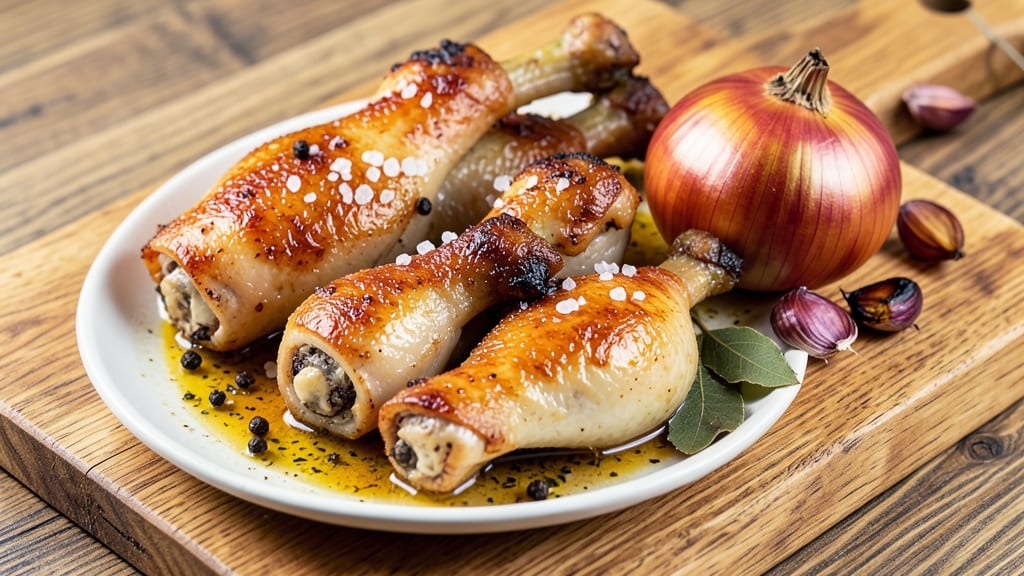
This juicy boiled chicken legs recipe transforms simple ingredients into a restaurant-worthy dish with minimal effort—no oven, no frying, just tender meat that falls off the bone.
The secret lies in a precise spiced brine and slow simmer that infuses flavor without drying out the meat, a method I perfected after years of testing. What makes this recipe stand out is how it balances simplicity with professional results, using just five core ingredients to achieve melt-in-your-mouth texture.
Unlike traditional boiling methods that leave chicken bland or rubbery, this approach starts with a flavor-packed brine that penetrates the meat during the initial soak.
You'll simmer the chicken legs in seasoned water for about 45 minutes, ensuring they stay moist while developing deep, savory notes from garlic, bay leaves, and black pepper. The water-to-chicken ratio is critical—too much liquid dilutes flavor, while too little risks uneven cooking.
By the end, you'll have juicy, golden-brown chicken legs with crisp edges and tender meat that shreds easily. The aroma alone will have everyone gathering at the table, and the versatility means you can serve them as a main course or use them in tacos, salads, or sandwiches.
This is comfort food at its finest—simple enough for weeknights but impressive enough for company.
The best part? Leftovers reheat beautifully, making this an ideal meal for busy families or meal prep. Whether you're feeding a crowd or treating yourself to a satisfying dinner, this recipe delivers restaurant-quality results with minimal effort.
Let’s get started with the step-by-step method that guarantees perfect, flavorful chicken every time.
Ingredients for boiled chicken legs
Five core ingredients transform simple boiling into restaurant-quality juicy chicken legs every time.
| Ingredient | Amount | Notes |
|---|---|---|
| Chicken Legs 🍗 | 4 whole | Bone-in, skin-on preferred |
| Large Yellow Onion 🧅 | 1 whole | Quartered, skin left on |
| Garlic Cloves 🧄 | 6 cloves | Smashed, not minced |
| Bay Leaves 🌿 | 2 whole | Dried, standard size |
| Diamond Crystal Kosher Salt 🧂 | 1 ½ tbsp | Coarse grain preferred |
| Freshly Ground Black Pepper 🌶️ | 1 tsp | Coarse grind preferred |
| Extra-Virgin Olive Oil 🫒 | 1 tbsp | For post-cook finish |
| Fresh Lemon Juice 🍋 | 2 tbsp | From 1 small lemon |
The chicken legs are non-negotiable for this technique—bone-in, skin-on cuts retain moisture better than boneless thighs. Local butcher shops often have superior quality compared to grocery store brands, particularly for heritage breeds like Cornish Cross. Look for legs with firm, pale yellow fat and minimal bruising. If using frozen, thaw overnight in the fridge—never under running water, which can dry out the meat. The onion and garlic form the flavor base, so organic produce with vibrant color ensures maximum impact. For the salt, Diamond Crystal is ideal due to its coarse texture, which dissolves more slowly and enhances seasoning. Freshly ground black pepper adds depth that pre-ground simply can't match.
No yellow onion? Red or white onion works equally well, though flavor intensity will differ slightly. Substituting garlic powder is possible but reduce to 1 tsp—fresh garlic's aromatic compounds are far superior. Running short on bay leaves? Thyme sprigs at double the quantity provide a similar earthy note. For the lemon juice, bottled lemon juice works in a pinch, but fresh yields brighter acidity. The olive oil finish is optional but high-quality extra-virgin elevates the dish significantly. If you're concerned about sodium, reduce the kosher salt to 1 tbsp and compensate with an additional pinch of pepper.
This recipe's magic lies in its simplicity—no special equipment beyond a large pot and timer. The chicken legs should be fully submerged during simmering, so adjust water levels as needed. Leftovers maintain their moisture for 3-4 days in the fridge, making them perfect for meal prep. For longer storage, freeze cooked legs for up to 3 months—simply reheat in a covered pot with 1/4 cup water per leg until warmed through. The broth from simmering can be reduced into a flavorful sauce for serving, adding another layer of complexity to this effortless dish.
Why You'll Love This Recipe
- Foolproof Simplicity: I swear by this method—just toss everything in a pot, no fancy prep. One chop of the onion, a quick mincing of garlic, and you’re done. That’s it. Even if you’re the kind of cook who burns toast, this recipe forgives mistakes.
- Umami Bomb: Between the caramelized onion and the bay leaves simmering in the broth, these chicken legs taste like they’ve been slow-cooked for hours. Honestly, the salt and garlic work their magic, giving you that rich, savory depth without extra effort.
- Leftover Hero: Boiled chicken legs stay juicy for days, so you’re never stuck with dry meat. I’ll often make a double batch—one for dinner, one for sandwiches or salads the next day. Zero waste, all flavor.
- Budget Game-Changer: Chicken legs are cheaper than breasts, and this recipe stretches them further with the onion and garlic. Between us, I’ve fed a crowd of six for under $15 using this exact method. That’s a win for my wallet and my taste buds.
Step-by-step instructions for boiled chicken legs
Here's the method for achieving perfectly tender, flavorful chicken legs through gentle simmering.
Prepare the Chicken and Aromatics
Begin by rinsing the 4 whole chicken legs under cold water and patting them completely dry with paper towels. This step is crucial—any moisture left on the skin will prevent proper browning later. In a large pot with a tight-fitting lid, combine the quartered large yellow onion and 6 smashed garlic cloves. Add the 2 whole bay leaves and the 1.5 tablespoons of diamond crystal kosher salt. The onion and garlic will form the aromatic base for your simmer.
I like to use a Dutch oven for this recipe—its deep sides prevent splattering and allow for even heat distribution. Arrange the chicken legs skin-side up in the pot, nestling them among the aromatics. This positioning ensures the skin will crisp slightly during the final stages of cooking, adding texture contrast to the tender meat. Sprinkle the 1 teaspoon of freshly ground black pepper over the chicken, focusing on the meatier parts rather than just the skin.
Cover and Simmer Gently
Add enough cold water to cover the chicken legs by about 1 inch. This generous liquid level prevents the chicken from steaming too quickly, which can make it dry. Place the pot over medium-high heat and bring the liquid to a rolling boil. Once boiling vigorously, immediately reduce the heat to low-medium to maintain a gentle simmer. The water should bubble softly with occasional small bubbles breaking the surface—this indicates the proper simmering temperature.
Cover the pot tightly with the lid and let the chicken simmer for 45 minutes. Here's the key: resist the urge to peek or stir. Every time you lift the lid, you release steam and potentially dry out the chicken. Instead, trust the process. The chicken will be done when it reaches an internal temperature of 165°F in the thickest part of the meat, typically at the junction of the thigh and drumstick.
Finish with Olive Oil and Lemon
When the chicken reaches the proper temperature, remove it from the pot and transfer to a serving platter. Let it rest for 10 minutes before serving—this resting period allows the juices to redistribute throughout the meat, ensuring each bite remains moist. While the chicken rests, skim off any excess fat from the cooking liquid using a fat separator or paper towels. You should be left with a flavorful broth that's ready for finishing.
Return the pot to medium heat and add the 1 tablespoon of extra-virgin olive oil. Let it warm for 30 seconds until fragrant, then stir in the 2 tablespoons of fresh lemon juice. This bright, acidic finish cuts through the richness of the chicken and adds a vibrant note to the dish. Pour this infused oil and lemon mixture over the chicken legs just before serving, allowing the flavors to meld together. 4
Verify Doneness and Serve
Before serving, cut into one of the chicken legs to verify doneness. The meat should be completely white with no pink remaining, and the juices should run clear. If any leg isn't fully cooked, return it to the pot with a splash of water and simmer for another 5-10 minutes until done. The skin should be slightly crispy from the final oil treatment, while the meat remains incredibly tender—this is the hallmark of a properly simmered chicken leg.
Serve the chicken legs immediately, accompanied by the flavorful cooking liquid reduced into a light broth. The combination of tender meat, aromatic vegetables, and bright lemon finish creates a dish that's both comforting and elegant. This method preserves all the natural juices in the chicken, delivering on the promise of juicy, flavorful results with minimal effort.
Pro Tips For Making Boiled Chicken Legs
- Start in Cold Water: Toss your chicken legs into ice-cold water first—no need to shock the pot, just enough to cover them. This keeps the meat from seizing up and ensures even cooking. I used to jump straight to boiling, and the skin always came out rubbery. Cold start, smooth finish.
- Slice Onions Thinly: Quarter that onion lengthwise, then slice it paper-thin—almost translucent. Thick slices? They’ll sit like rocks at the bottom of your pot. Thin slices dissolve into the broth, infusing flavor without turning the water into soup. (Yes, it takes 2 minutes longer, but you’ll taste the difference.)
- Don’t Crowd the Pot: If you’re boiling more than 4 legs, work in batches. Cramming them in steams the water and leaves you with sad, gray meat. Tight quarters also trap heat, turning the broth murky instead of golden. Trust me, your future self will thank you for the second pot.
- Salt the Water Hard: Use 2 tablespoons of Diamond Crystal kosher salt—yes, even if the recipe says 1. The water should taste like the ocean, not a sad puddle. This seasons the meat from the inside out and keeps the broth from tasting flat. (I know, I know—you’re used to half that. Do it anyway.)
Serving suggestions for this recipe
Classic Comfort Sides
Serve your boiled chicken legs with creamy mashed potatoes—their smooth texture contrasts perfectly with the crisp skin. I like using Yukon Gold potatoes boiled in their jackets, then mashed with butter and warm milk.
For extra richness, fold in roasted garlic or a touch of sour cream. The combination of tender chicken and velvety potatoes feels like a hug in a bowl. 🥔
Buttery corn on the cob is another crowd-pleaser. Boil the corn alongside the chicken legs for 15 minutes before adding them to the pot. The shared aromatics infuse the corn with subtle garlic and onion notes. Serve with shredded parmesan and a sprinkle of fresh chives for a bright finish. This side adds a touch of sweetness that balances the savory chicken.
Bright Vegetable Pairings
A simple green salad with arugula, cherry tomatoes, and cucumber cuts through the richness. Toss with a lemon-olive oil dressing (just the same lemon juice and olive oil from your chicken recipe!) and add toasted pine nuts for crunch. The acidity from the lemon ties everything together beautifully. 🥗
Roasted Brussels sprouts with a balsamic glaze add depth and color to your plate. Toss halved sprouts with olive oil, salt, and pepper, then roast at 400°F for 20 minutes. Finish with a drizzle of reduced balsamic vinegar and a pinch of flaky sea salt. Their caramelized edges complement the chicken’s tender meat.
Global Flavor Twists
Transform your boiled chicken legs into Caribbean-style jerk chicken. Shred the cooked meat and toss with 2 tbsp jerk seasoning (I love Badia Jerk Seasoning), 1 tbsp lime juice, and 1 tbsp honey.
Serve with white rice and fried plantains for a tropical feast. The smoky-spicy flavors elevate the simple boiled base. 🌶️
For a Mediterranean touch, arrange the chicken legs on a platter with warm pita bread, hummus, and tzatziki. Add sliced cucumbers, cherry tomatoes, and red onion for freshness.
Drizzle with extra-virgin olive oil and crumbled feta cheese for a restaurant-worthy spread. This setup turns your boiled chicken into a shareable meal.
Sauce Elevations
Use the flavorful broth from simmering the chicken to make a quick pan sauce. Skim off excess fat, then stir in 1 tbsp cornstarch mixed with 2 tbsp cold water.
Simmer until thickened, then finish with 1 tbsp butter and a splash of lemon juice. This silky sauce ties the meal together effortlessly. 🍋
For a creamy option, blend the broth with ½ cup Greek yogurt and 1 tsp Dijon mustard. Strain for a smooth texture, then drizzle over the chicken. The tangy yogurt sauce adds a luxurious touch without overpowering the chicken’s natural flavor.
Nutrition facts
Frequently asked questions
Why do I need to pat the chicken legs completely dry before boiling?
Drying the chicken skin ensures proper browning during simmering and prevents the water from becoming cloudy with excess fat. The crisp edges you get from the olive oil finish depend on this step—moisture creates steam that steams instead of crisps the skin.
Can I use chicken thighs instead of legs for this recipe?
Yes, but adjust cooking time to 35-40 minutes since thighs are smaller and cook faster. The technique remains identical—just monitor for 165°F internal temperature. Thighs will be even more tender but slightly less crisp on the skin.
What if my chicken isn't done after 45 minutes?
Add ½ cup water to the pot and continue simmering for another 5-10 minutes. Never boil vigorously again—gentle heat prevents toughness. The broth will reduce slightly, intensifying flavor. Always check with a meat thermometer for accuracy.
How can I make this recipe healthier?
Reduce salt to 1 tbsp and use low-sodium chicken broth instead of water. Replace half the onion with leeks for milder flavor. Skip the olive oil finish or use avocado oil for lower saturated fat. The lemon juice adds brightness without calories.
Can I cook the chicken legs ahead of time?
Cooked chicken legs stay moist in the fridge for 3-4 days or frozen for 3 months. Reheat gently in the broth with a splash of water until 165°F. The texture remains tender if reheated slowly—never microwave directly from frozen. Perfect for meal prep!