
Main Courses
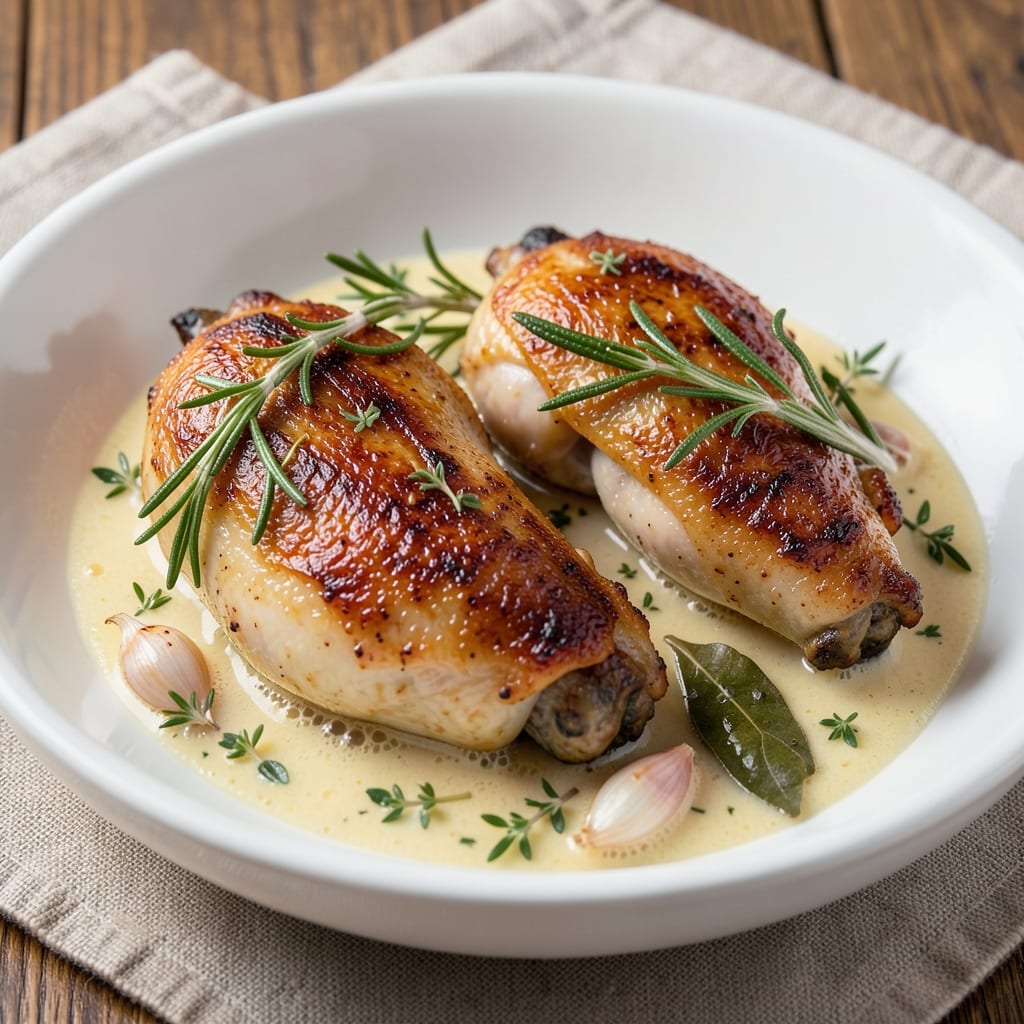
This herbed butter poaching method transforms simple boiled chicken thighs into restaurant-quality, juicy centerpieces that require just 30 minutes of active time. After years of perfecting this technique—starting with my grandmother's Sunday roast—I've developed a fail-safe method that guarantees tender, flavorful results every time, no matter your skill level in the kitchen.
The secret lies in the herbed butter poaching liquid, which infuses the chicken with rich flavor while keeping it impossibly tender. Unlike dry-heat methods that risk overcooking, this gentle poaching approach maintains moisture, resulting in meat that practically melts in your mouth. The process is straightforward: season the thighs, simmer them in flavorful liquid, and finish with a crispy golden-brown crust.
By the time you're done, you'll have chicken thighs that are juicy throughout with a slightly crisp exterior, all infused with aromatic herbs and butter. This method works beautifully for family dinners, meal prep, or when you need a reliable protein that won't disappoint. The best part? Leftovers reheat perfectly, making this a true weeknight hero.
Pair with roasted vegetables, crusty bread, or a simple green salad for a complete meal that feels special without the fuss. Let's get started—this technique will change how you cook chicken thighs forever.
Ingredients for boiled chicken thigh
Herbed butter and aromatic poaching liquid transform ordinary chicken thighs into melt-in-your-mouth masterpieces.
| Ingredient | Amount | Notes |
|---|---|---|
| Chicken Thighs, Bone-In 🍗 | 1 ½ lb | Skin-on, similar size for even cooking |
| Unsalted Butter 🧈 | ½ cup | Cold, cut into 1-inch cubes |
| Fresh Rosemary 🌿 | 2 tbsp | Chopped, stems removed |
| Fresh Thyme 🌿 | 1 tbsp | Leaves only, stems discarded |
| Garlic Cloves 🧄 | 4 cloves | Smashed, not minced |
| Bay Leaves 🌿 | 2 whole | Fresh preferred, but dried works |
| Diamond Crystal Kosher Salt 🧂 | 1 ½ tsp | For seasoning chicken and poaching liquid |
| Black Peppercorns 🌶️ | ½ tsp | Freshly cracked, not ground |
| Water 💧 | 2 cups | Filtered or spring water preferred |
| Lemon Zest 🍋 | 1 tsp | From 1 organic lemon |
| Extra-Virgin Olive Oil 🫒 | 1 tbsp | For finishing crispy skin |
| Fresh Parsley 🌿 | ¼ cup | Chopped, for garnish |
The chicken thighs are the star—look for bone-in, skin-on cuts at Whole Foods or your butcher, as they stay juicier. Trader Joe's often has pre-trimmed thighs that save time. Size matters too: aim for similar-sized pieces so they cook evenly. If using frozen, thaw overnight in the fridge—never at room temperature. The butter should be cold and cubed for maximum flavor infusion during poaching. Fresh herbs like rosemary and thyme elevate this dish, but dried will work in a pinch (use half the amount). For the garlic, smashing the cloves releases more flavor without turning bitter.
No fresh herbs? Dried thyme and rosemary at one-third the amount still deliver great flavor. Short on butter? Olive oil works too—just reduce by 1 tbsp to maintain balance. The water can be substituted with low-sodium chicken broth for extra depth. If you're prepping ahead, par-cook the thighs in the poaching liquid, then finish later. For a citrus twist, add a splash of lemon juice instead of zest. The kosher salt is crucial—it enhances the natural flavor of the chicken without overpowering it. If you prefer a milder seasoning, reduce to 1 tsp total** (split between chicken and liquid).
This dish reheats beautifully—simmer gently in the poaching liquid for 2-3 minutes to restore moisture. Store leftovers in an airtight container for up to 4 days in the fridge or 3 months in the freezer. For meal prep, portion the thighs with some of the poaching liquid to keep them moist. The herbed butter poaching liquid freezes well too—save it for future batches or use it as a base for soups. If you make extra, crisp the skin in a hot pan with olive oil before serving for a restaurant-worthy finish.
Why You'll Love This Recipe
- Foolproof Timing: I swear by this method—just simmer the bone-in thighs until they’re tender, about 30 minutes. No hovering, no guesswork, and the butter and herbs infuse the broth while you’re doing anything else.
- Rich, Layered Taste: That crispy skin and tender meat? Unmatched. The rosemary and thyme steep into the butter, melting into the chicken like a hug—simple ingredients, but the flavor is ridiculously good.
- Weeknight to Potluck: Same recipe, endless uses. Serve it with crusty bread and a salad for a lazy dinner, or slice it for sandwiches when you’re in a rush. Honestly, I’ve even used it in tacos—yes, even on a Tuesday night.
- Budget-Friendly Leftovers: Bone-in thighs stretch further than breasts, and the flavor only gets better the next day. I make a double batch, reheat the leftovers in the broth, and still have filling lunches for days. My wallet thanks me.
Step-by-step instructions for herbed butter poached chicken thighs
Transform simple poaching into restaurant-quality results with this aromatic technique.
Prepare the Herbed Butter and Poaching Liquid
In a large, deep skillet or Dutch oven, combine the 1.5 lb bone-in chicken thighs, skin-side down. Add the 0.5 cup cold unsalted butter cut into cubes, spreading them evenly over the chicken. This butter will render slowly and create a luxurious finish.
In a separate small bowl, finely chop the 2 tbsp fresh rosemary and 1 tbsp fresh thyme, then add the 4 smashed garlic cloves, 2 whole bay leaves, 1.5 tsp kosher salt, 0.5 tsp cracked black peppercorns, and 1 tsp lemon zest. Sprinkle this aromatic blend evenly over the chicken and butter.
Pour in the 2 cups water, ensuring it covers the chicken by about 1 inch. Bring to a gentle simmer over medium-low heat—you should see small bubbles forming but no vigorous boiling. This controlled temperature prevents toughening and keeps the meat tender.
Poach Until Tender and Juicy
Once the liquid reaches a simmer, cover the skillet with a tight-fitting lid and reduce heat to low. Poach the chicken for 30-35 minutes, maintaining a gentle simmer. The chicken is done when it reaches an internal temperature of 165°F and the meat pulls away from the bone with minimal resistance.
Here's the secret: I check for doneness by gently lifting a thigh with tongs and pressing lightly—the meat should feel firm but still springy, not rubbery. If the liquid reduces too quickly, add a splash of hot water to maintain the proper moisture level for even cooking.
Finish with Crispy Skin and Herb Infusion
Remove the chicken from the poaching liquid and transfer it to a serving platter. Tent loosely with foil to keep warm while you prepare the finishing touches. The skin should be tender but still intact—if it's too soft, we'll crisp it up now.
Increase heat to medium-high and skim off any excess fat from the poaching liquid. Add the 1 tbsp extra-virgin olive oil and swirl to coat the bottom of the pan. Return the chicken, skin-side down, to the skillet and cook for 2-3 minutes until the skin becomes golden and crispy.
Garnish and Serve Immediately
Transfer the chicken to a cutting board and let it rest for 5 minutes before serving. This brief rest ensures the juices redistribute, making each bite impossibly tender. Meanwhile, strain the poaching liquid through a fine-mesh sieve to remove any herb bits, then return it to the skillet.
Reduce the liquid over medium heat for 3-4 minutes until it thickens slightly into a fragrant, herbed butter sauce. Spoon this luxurious sauce over the chicken and garnish with the 0.25 cup chopped fresh parsley. Serve immediately with crusty bread or your favorite sides to capture all that juicy goodness.
Pro Tips For Making Boiled Chicken Thigh
- Start Skin-Side Down: You’re not making soup—you’re rendering fat and flavor. Place the thighs skin-side down in the pot first, then add butter and herbs. The skin crisps slightly, infusing the broth with richness before you flip them. I learned this the hard way after a batch of bland, greasy thighs.
- Skip the Overcrowding: Bone-in thighs need room to breathe. If you pile them in, they’ll steam instead of sear, and the butter won’t brown properly. Cook in batches if needed—your future self will taste the difference in that crispy skin and aromatic butter.
- Salt Before Butter: Toss the raw thighs with salt before adding butter and herbs. The salt draws out moisture, helping the skin render cleanly and the butter cling to the meat instead of floating away like a lazy afternoon. Trust me, it’s non-negotiable.
- Finish with Garlic: Don’t toss the garlic in with the herbs at the start—it’ll burn before the thighs are done. Instead, add the whole cloves (peeled or unpeeled, your call) in the last 5 minutes of cooking. They’ll soften just enough to perfume the butter without turning bitter. (Yes, even if you’re impatient like me.)
Best sauces and condiments for this boiled chicken thigh
Herbed Butter Sauce
This is the star of your dish—the fragrant, golden sauce that comes from the poaching liquid. After removing the chicken, strain the liquid through a fine-mesh sieve to remove any herb bits. Return it to the skillet and reduce over medium heat for 3-4 minutes until it thickens into a glossy, herbed butter sauce. The butter cubes you started with melt into this sauce, creating a rich, velvety finish. I love drizzling this over the chicken just before serving—it adds a luxurious touch that makes this dish feel special. 💛
Lemon-Herb Marinade
For an extra burst of flavor, try marinating the chicken thighs in a mix of 1 tbsp olive oil, 1 tbsp lemon juice, 1 tsp lemon zest, 1 tsp chopped rosemary, and ½ tsp cracked black pepper for 30 minutes before poaching. This brightens the chicken and adds a citrusy contrast to the rich herbed butter. I often do this when I want to serve the dish with a lighter side, like a fresh salad. The marinade also helps tenderize the meat slightly, making it even more succulent.
Garlic-White Wine Sauce
If you have leftover poaching liquid or want to elevate the dish further, make a quick garlic-white wine sauce. Deglaze the skillet with ¼ cup dry white wine after removing the chicken, then add 2 minced garlic cloves and 1 tbsp butter. Simmer for 2-3 minutes until slightly reduced. This sauce pairs beautifully with the herbed butter poached chicken and adds a sophisticated touch. I recommend a crisp Sauvignon Blanc for this—it complements the herbs and garlic perfectly. 🍷
Spicy Honey Glaze
For a sweet and spicy twist, mix 2 tbsp honey, 1 tsp soy sauce, and ½ tsp red pepper flakes in a small bowl. After poaching the chicken, brush this glaze over the thighs and finish them under the broiler for 1-2 minutes to caramelize the sugars. The heat from the broiler also crisps the skin beautifully. This glaze works especially well if you're serving the chicken with roasted vegetables or a simple grain like quinoa. It’s a crowd-pleaser, especially for those who enjoy a little heat. 🌶️
Creamy Dill Sauce
For a creamy, tangy contrast, whip together ½ cup sour cream, 1 tbsp chopped fresh dill, 1 tsp lemon juice, and a pinch of salt. Serve this sauce on the side for dipping or drizzle it over the chicken before serving. The coolness of the sauce balances the richness of the herbed butter, making each bite even more satisfying. I often make this when I’m serving the chicken with a hearty side like mashed potatoes or crusty bread. It’s a simple but effective way to add variety to the meal. 🥗
Pan Sauce with Herbs
After poaching, don’t discard the liquid! Strain it, then return it to the skillet with 1 tbsp butter and 1 tbsp chopped parsley. Simmer for 2-3 minutes until slightly thickened. This pan sauce is packed with flavor and can be used to drizzle over the chicken or served on the side. It’s a great way to use up every bit of flavor from the poaching process. I love this method because it feels like you’re making a restaurant-quality dish with minimal effort. 💡
Nutrition facts
Frequently asked questions
Why do you recommend bone-in, skin-on chicken thighs?
Bone-in thighs stay juicier during cooking because the bone acts as a natural insulator, while the skin adds flavor and crispiness when finished properly. Skin-on thighs also help retain moisture better than boneless cuts, resulting in that melt-in-your-mouth texture. For even cooking, select thighs of similar size—this ensures they all finish at the same time.
Can I use chicken breast instead of thighs?
I don't recommend it! Chicken breast has less fat and connective tissue, making it prone to drying out during the long poaching process. Thighs are more forgiving and stay tender even with gentle cooking. If you're determined to use breast, try a shorter cooking time (15-20 minutes) and slice against the grain after cooking.
What if my poaching liquid boils over?
This usually happens if the heat is too high. Reduce to low heat and maintain just a gentle simmer—small bubbles should form without vigorous boiling. If it's already boiling, turn off the heat for 2-3 minutes to let it cool slightly, then resume at a lower temperature. Keeping the lid slightly ajar can help prevent overflow while still allowing steam to escape.
How do I know when the chicken is fully cooked?
Use a meat thermometer to check for 165°F at the thickest part of the thigh. Alternatively, press gently with tongs—the meat should feel firm but still springy, not rubbery. The juices should run clear when you cut into it. If using thighs of similar size, they should all finish cooking at roughly the same time.
Can I make this recipe in a slow cooker?
Yes! Combine all ingredients in your slow cooker and cook on low for 4-5 hours or high for 2-3 hours. The skin may not crisp as well, so finish it in a hot skillet with olive oil for 2-3 minutes per side before serving. The slow cooker method is perfect for hands-off meal prep or when you're busy during the day.