
Soups & Stews
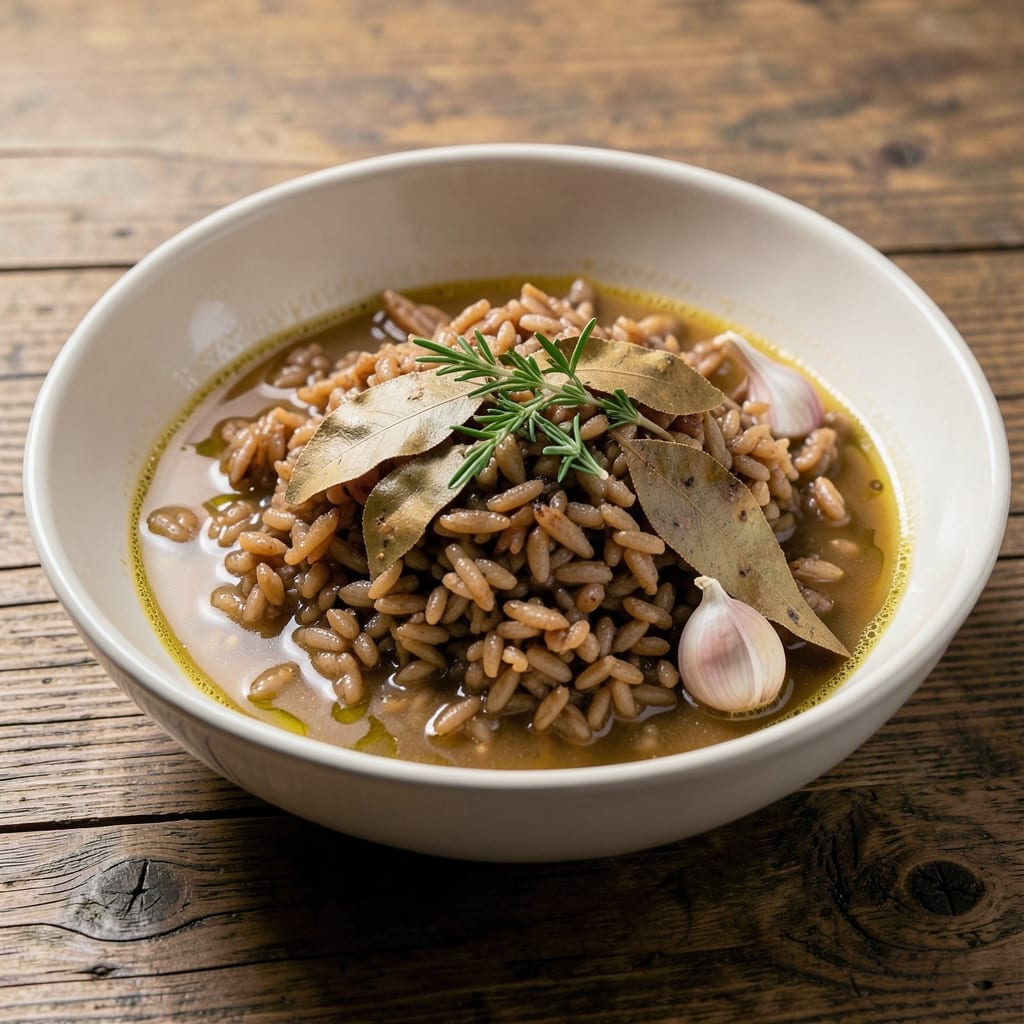
This brown rice and chicken broth recipe transforms simple pantry staples into a deeply flavorful, one-pot meal that simmers with aromatic herbed depth. The secret lies in cooking brown rice directly in rich chicken broth, allowing the grains to absorb all that savory goodness while developing a nutty, satisfying texture. I developed this method after realizing how much more flavorful rice becomes when cooked in broth instead of water—it's a game-changer for weeknight dinners.
What makes this recipe truly special is its simplicity and versatility. With just a few basic ingredients—brown rice, chicken broth, and aromatic herbs—you'll create a dish that's hearty enough for a main course but flexible enough to work as a side. The long simmering process (about 45 minutes) infuses the rice with layers of flavor, resulting in perfectly tender grains that hold up beautifully when reheated. This is restaurant-quality comfort food without the fuss.
The result is a fragrant, golden-brown dish with rice that's tender yet maintains its satisfying bite, all infused with the rich, savory notes of the chicken broth. The herbed depth comes from simple additions like thyme, bay leaves, and a touch of garlic, which elevate the humble rice into something extraordinary. Each bite delivers that perfect balance of nutty rice, savory broth, and aromatic herbs—a combination that's impossible to resist.
This one-pot wonder is perfect for busy weeknights when you need a nourishing meal with minimal cleanup. Serve it as a standalone dish or pair it with grilled vegetables, roasted chicken, or a simple green salad. The possibilities are endless, but the execution remains effortlessly simple. Let's get cooking!
Ingredients for brown rice and chicken broth
Simple pantry staples transform into restaurant-quality rice with just a few aromatic touches.
| Ingredient | Amount | Notes |
|---|---|---|
| Long-Grain Brown Rice 🍚 | 1 cup | Uncooked, rinsed thoroughly |
| Chicken Broth 🍲 | 3 cups | Low-sodium preferred, homemade or quality store-bought |
| Fresh Thyme Leaves 🌿 | 1 tbsp | Or 1 tsp dried thyme |
| Bay Leaves 🍃 | 2 whole | Standard dried leaves |
| Garlic Cloves 🧄 | 3 cloves | Minced or finely chopped |
| Olive Oil 🫒 | 1 tbsp | Extra-virgin for richness |
| Salt 🧂 | ½ tsp | Kosher or sea salt |
| Black Pepper 🌶️ | ¼ tsp | Freshly ground preferred |
| Onion 🧅 | ½ whole | Medium, diced |
| Fresh Parsley 🌿 | ¼ cup | Chopped, for garnish |
| Lemon Juice 🍋 | 1 tbsp | Freshly squeezed |
| Butter 🧈 | 1 tbsp | Unsalted, optional for finishing |
The chicken broth is non-negotiable here—homemade or high-quality store-bought makes all the difference. Pacific Foods or Swanson are solid choices if you prefer convenience. For the rice, jasmine or long-grain brown holds up best to the long simmer. The thyme and bay leaves should be fresh or recently opened—dried thyme loses potency after 6 months. Garlic cloves can be peeled ahead and stored in the fridge for up to 1 week, but fresh is always better. If you're using dried herbs, measure carefully—dried is 3x stronger than fresh.
No fresh thyme? Dried works at one-third the amount, but fresh has that bright, piney aroma that's hard to beat. Short on bay leaves? One large leaf equals two small ones. The onion adds sweetness as it cooks—yellow or red both work. For extra depth, add a pinch of smoked paprika to the broth. The lemon juice brightens everything at the end—don't skip this step. Butter finishing is optional but adds a luxurious touch—use unsalted to control seasoning. Prefer a different herb? Rosemary or tarragon work beautifully too.
This dish tastes even better the next day—reheats perfectly in the microwave or on the stovetop. Store leftovers in an airtight container for up to 5 days or freeze for 3 months. For meal prep, double the recipe and portion into containers. The rice keeps its texture well when reheated with a splash of water or broth. Garnish with extra parsley before serving—it adds color and freshness. If you're using this as a side, cook it in a smaller pot so the grains stay distinct.
Why You'll Love This Recipe
- Five-Ingredient Magic: I swear, this is the kind of recipe where you measure, pour, and forget about it—literally. Brown rice and broth? That’s it. No fancy steps, no watching the clock. Just let the garlic and thyme steep while you sip your coffee.
- Thyme for Something Special: Between us, that fresh thyme and bay leaf combo transforms simple broth into something ridiculously good. The garlic cloves? They caramelize just enough to add this deep, savory punch that makes you want to lick the pot.
- Meal Prep MVP: Honestly, this is my go-to for lunches all week. Cook a big batch on Sunday, and suddenly you’ve got a protein-free base for stir-fries, grain bowls, or even stuffed peppers. The rice stays firm and flavorful for days—no sad, mushy leftovers here.
- Budget-Friendly Powerhouse: Brown rice is cheap. Broth is cheap. Herbs? A few sprigs go a long way. This recipe feeds four for under $5, and the leftovers stretch into another meal. It’s the kind of dish that makes you feel like you’re eating gourmet without breaking the bank.
Step-by-step instructions for brown rice and chicken broth simmer
Transform simple ingredients into aromatic, flavorful brown rice with this straightforward one-pot method.
Sauté Aromatics in Olive Oil
Heat the 1 tablespoon olive oil in a medium saucepan over medium heat. Add the ½ whole onion and cook for 4-5 minutes until softened and translucent. The onion should release its natural sweetness and begin to caramelize slightly at the edges.
Add the 3 cloves garlic cloves and cook for 30 seconds until fragrant. Here's the thing—don't let the garlic burn. It should smell sweet and nutty, not bitter. Immediately add the 1 tablespoon fresh thyme leaves and 2 whole bay leaves to the pan, stirring to combine with the onions and garlic.
Toast the Brown Rice
Add the 1 cup long-grain brown rice to the saucepan and stir to coat evenly in the oil and aromatics. Cook for 2 minutes while stirring constantly. This toasting step develops nutty flavors in the rice and prevents it from sticking to the bottom of the pan.
I like to press the rice gently against the pan with a wooden spoon during this step. This ensures even contact with the hot surface, which creates a subtle toasted flavor. The rice should look dry and slightly glossy from the olive oil.
Simmer with Chicken Broth
Pour in the 3 cups chicken broth, then add the ½ teaspoon salt and ¼ teaspoon black pepper. Bring the mixture to a gentle boil over medium-high heat, then immediately reduce the heat to low. Cover the saucepan with a tight-fitting lid and let it simmer for 45 minutes.
Resist the temptation to peek or stir during this cooking time. The rice needs undisturbed heat to absorb the broth evenly. After 45 minutes, check the rice—it should be tender but still have a slight bite. If needed, simmer uncovered for another 5-10 minutes until the rice is fully tender and the liquid is mostly absorbed.
Finish with Lemon and Butter
Once the rice is tender, remove the saucepan from heat and let it sit uncovered for 2 minutes to allow any remaining steam to escape. Stir in the 1 tablespoon lemon juice and 1 tablespoon butter, if using. The lemon brightens the dish while the butter adds richness and helps create a creamy texture.
Remove the 2 whole bay leaves from the rice. They've done their job infusing flavor and can be discarded. Taste the rice and adjust seasoning if needed—you might want to add a pinch more salt or a splash of lemon juice for brightness. The rice should be perfectly seasoned with herbed depth from the thyme and bay leaves.
Garnish and Serve
Transfer the rice to a serving dish and sprinkle with the ¼ cup fresh parsley. The parsley adds a fresh, vibrant contrast to the rich, herbed rice. Serve immediately while still warm, enjoying the aromatic blend of thyme, bay, and lemon that elevates this simple one-pot dish.
The rice should be tender with a slight chew, perfectly seasoned, and infused with the savory depth of the chicken broth and aromatic herbs. This method ensures every grain absorbs the flavorful liquid, resulting in a satisfying, restaurant-quality side dish.
Pro Tips For Making Brown Rice And Chicken Broth
- TOAST THE RICE FIRST: I used to skip this step and ended up with bland, mushy rice—don’t. Heat a dry pot over medium-high for 1-2 minutes until you smell that nutty aroma. It deepens the flavor and prevents gummy texture. (Yes, even if you’re impatient like me.)
- USE HALF THE BROTH: Brown rice absorbs liquid differently than white—start with just enough broth to cover the grains, then add more as it cooks. Dumping in all 4 cups upfront guarantees soggy rice. I learned this the hard way after burning through three batches.
- SMASH THE GARLIC: Minced garlic burns faster than you think. Crush the cloves flat with the side of your knife first, then chop—this keeps them from turning bitter. Pro tip: Add the garlic to the pot after the broth starts simmering, not at the beginning.
- STRAIN THE BROTH: Homemade broth often has bits of chicken skin or herbs. Strain it through a fine-mesh sieve before using—it makes the final dish cleaner and more elegant. (I know, it’s an extra step, but your rice will taste like it’s from a restaurant.)
Health benefits of this recipe
Rich Protein Source
Brown rice cooked in chicken broth becomes a protein powerhouse—each 1-cup serving delivers about 5 grams of protein from the rice itself, plus additional protein from the broth. Using low-sodium chicken broth (like Pacific Foods) ensures you get the benefits without excess salt. This makes it a great option for vegetarians or anyone looking to boost their protein intake without meat. 💪
Fiber for Digestion
Brown rice is a whole grain, meaning it retains its fiber-rich bran layer. A 1-cup serving provides about 3.5 grams of fiber, which supports healthy digestion and keeps you feeling full longer. The long simmering process in broth actually enhances the rice's fiber content, making it even more satisfying. I notice my energy levels stay steady after meals with this dish.
Herbal Antioxidants
The aromatic herbs like thyme and bay leaves add more than just flavor—they're packed with antioxidants. Thyme contains thymol, which has antimicrobial properties, while bay leaves provide eugenol, a compound linked to anti-inflammatory benefits. Using fresh herbs maximizes these benefits, but dried works too if stored properly. 🌿
Low-Calorie Comfort
This dish is surprisingly light yet filling—a 1-cup serving contains about 220 calories when made with broth instead of water. The broth adds richness without adding many calories, making it perfect for those watching their waistline while still enjoying a hearty meal. The lemon juice at the end adds a bright, refreshing note that keeps it from feeling heavy.
Bone-Strengthening Minerals
Chicken broth is naturally rich in calcium, magnesium, and phosphorus—minerals essential for bone health. The long simmering process helps extract these minerals from the broth, making them more bioavailable. For extra calcium, I sometimes add a pinch of nutritional yeast when serving, which also adds a cheesy flavor. This makes the dish especially beneficial for anyone concerned about bone density.
Meal Prep Friendly
The nutritional benefits actually improve over time—this dish tastes even better the next day as flavors meld together. The fiber and protein combination makes it perfect for meal prep, keeping you full and energized throughout the day. I often make double batches and store them in airtight containers for up to 5 days in the refrigerator. The reheated rice maintains its texture beautifully, making it a convenient yet nutritious option for busy weeks. ✨
Nutrition facts
Frequently asked questions
Can I substitute white rice for brown rice in this recipe?
While you can use white rice, the texture and flavor will be different. Brown rice maintains its nutty flavor and chewy texture when cooked in broth, while white rice becomes softer and absorbs more liquid. If you prefer white rice, reduce the cooking time to 30 minutes and use 2 cups broth instead of 3. The dish will still be delicious but less hearty.
What if I don't have fresh thyme or bay leaves?
No problem! Use 1 teaspoon dried thyme (one-third the amount of fresh) and 1 whole bay leaf instead. For extra depth, try dried rosemary or tarragon—both work beautifully. If you're missing bay leaves entirely, a pinch of smoked paprika adds a similar earthy note. The dish will still be flavorful, just with a slightly different herbal profile.
How do I prevent the rice from sticking to the bottom of the pan?
Toast the rice for 2 minutes in the olive oil before adding broth—this creates a light crust that prevents sticking. Stir the rice occasionally during the 45-minute simmer if you notice it clinging, but avoid stirring too much to maintain even cooking. A heavy-bottomed saucepan also helps distribute heat evenly. If it does stick, add a splash of broth and gently scrape with a wooden spoon.
Can I make this recipe in an Instant Pot or rice cooker?
For an Instant Pot, sauté the aromatics first, then add rice, broth, and seasonings. Cook on high pressure for 25 minutes, then let the pressure release naturally. For a rice cooker, follow the same steps but use the white rice setting (about 45 minutes
What's the best way to reheat leftovers?
Reheat in the microwave with a splash of water or broth to restore moisture. For best texture, cover and heat on medium-high for 2-3 minutes, stirring halfway. On the stovetop, warm in a saucepan over low heat with 1-2 tablespoons broth until hot. Avoid high heat—it can dry out the rice. Leftovers taste even better the next day as flavors meld!