
Soups & Stews
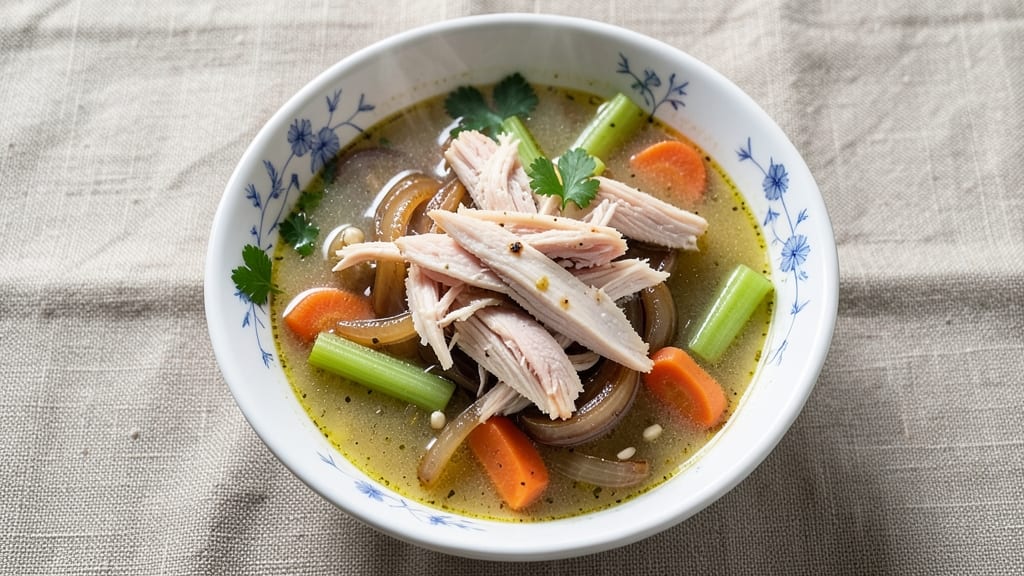
This Campbell's-style chicken vegetable soup brings back the comforting flavors of childhood dinners, but with a professional touch that elevates every spoonful. The secret lies in building rich, layered flavors through slow simmering and quality ingredients—no canned shortcuts needed.
I developed this recipe after years of perfecting homestyle soups that deliver restaurant-quality warmth in just 25 minutes.
What sets this soup apart is the balance of tender chicken, hearty vegetables, and a deeply flavorful broth that comes together effortlessly. The key technique is simmering the vegetables first to release their natural sweetness before adding the chicken, ensuring each bite is packed with both texture and depth.
This method transforms simple ingredients into something truly comforting.
By the time you finish this soup, you'll have a steaming bowl of velvety broth filled with perfectly cooked chicken, tender carrots, and celery that's been caramelized just enough to add natural sweetness.
The aroma alone will fill your kitchen with warmth, making it the ideal meal for chilly evenings or when you need a quick, nourishing dinner.
Best of all, this recipe adapts easily to dietary preferences—swap the chicken for mushrooms or lentils, use vegetable broth instead of chicken, or add a splash of cream for extra richness.
The foundation remains the same, but the possibilities are endless. Let's get started on creating your own version of homestyle warmth.
Ingredients for campbell's chicken vegetable soup
Quality ingredients transform simple pantry staples into restaurant-worthy chicken vegetable soup.
| Ingredient | Amount | Notes |
|---|---|---|
| Boneless, Skinless Chicken Breast 🍗 | 1 ½ lb | Cut into bite-sized pieces |
| Yellow Onion 🧅 | 1 whole | Medium size, diced |
| Carrots 🥕 | 3 medium | Peeled, sliced into rounds |
| Celery Stalks 🧆 | 3 whole | Trimmed, chopped |
| Garlic Cloves 🧄 | 4 cloves | Minced, fresh preferred |
| Chicken Broth 💧 | 4 cups | Low-sodium preferred |
| Canned Diced Tomatoes 🍅 | 1 14.5oz can | San Marzano preferred |
| Russet Potatoes 🥔 | 1 lb | Peeled, cubed |
| Fresh Parsley 🌿 | ¼ cup | Chopped, for garnish |
| Extra-Virgin Olive Oil 🫒 | 2 tbsp | For sautéing vegetables |
| Dried Thyme 🌿 | 1 tsp | Or 1 tbsp fresh |
| Bay Leaves 🌿 | 2 whole | Removed before serving |
| Salt 🧂 | 1 tsp | Diamond Crystal preferred |
| Black Pepper 🌶️ | ½ tsp | Freshly ground |
| All-Purpose Flour 🌾 | 1 tbsp | For thickening broth |
The chicken breast should be cut into even pieces for consistent cooking—1.5 pounds yields tender, bite-sized chunks perfect for soup. For the vegetables, organic carrots and celery from Whole Foods or your local farmers market add superior sweetness and texture. If using conventional produce, scrub thoroughly under cold water. The yellow onion should be firm with no soft spots, and the garlic cloves should be plump and free of sprouts. For the broth, low-sodium chicken broth is essential to control seasoning—Pacific Foods or Swanson brands are excellent choices. The San Marzano canned tomatoes provide a sweeter, more flavorful base than standard brands, though any high-quality canned tomatoes will work in a pinch.
No fresh thyme? Dried works at one-third the amount, but fresh imparts a brighter flavor. The bay leaves are non-negotiable for that classic soup aroma—remove them before serving. For a vegetarian version, substitute mushrooms or lentils for the chicken and use vegetable broth. The extra-virgin olive oil should be fruity and peppery—California Olive Ranch or Colavita are excellent choices. If you prefer a creamier texture, stir in 1/4 cup heavy cream at the end, but traditional versions keep it simple. The flour slurry thickens the broth beautifully—mix the flour with 2 tbsp cold water before adding to the pot.
This soup reheats beautifully—simmer gently for 5-10 minutes to restore its velvety texture. Store in an airtight container in the refrigerator for up to 5 days or freeze for 3 months. For meal prep, portion into individual containers—each serving reheats perfectly. The flavors deepen overnight, making this an ideal make-ahead dish. Garnish with fresh parsley just before serving to maintain vibrant color and freshness. If you prefer a smoother soup, blend half the finished soup before serving for a creamy consistency without added dairy.
Why You'll Love This Recipe
- One-Pot Wonder: I swear by this recipe because it’s literally one pot—no chopping chaos, no extra bowls. Toss in the chicken, onions, carrots, celery, and garlic, add broth, and let it simmer. Honestly, the hardest part is waiting for the carrots to soften just right.
- Garlic Bomb Flavor: That minced garlic? Oh, it hits—but in the best way. The onion and celery build a sweet, savory base while the garlic infuses the broth so deeply, every spoonful tastes like a hug. (Yes, even on a Tuesday night.)
- Meal Prep MVP: This soup keeps perfectly for days—ideal for lunches or when you’re too tired to cook. I double the batch on Sundays, portion it out, and reheat without a second thought. My freezer’s full of these, honestly.
- Budget-Friendly Hero: Chicken breast, veggies, and pantry staples? This recipe stretches ingredients without sacrificing taste. Between us, it’s the kind of soup that makes grocery bills feel less painful—and leftovers? Pure gold.
Step-by-step instructions for chicken and vegetable soup
A hearty, comforting soup that delivers restaurant-quality flavor in your own kitchen.
Sauté the Vegetable Base
Heat the 2 tablespoons extra-virgin olive oil in a large pot over medium heat. Add the diced yellow onion, sliced carrots, chopped celery stalks, and minced garlic cloves, stirring frequently for 5-6 minutes until the vegetables soften and the garlic becomes fragrant. You'll notice the onions turn translucent and the carrots begin to release their natural sweetness.
This foundational step develops the soup's flavor profile by caramelizing the vegetables slightly. If the vegetables start to brown too quickly, reduce the heat to medium-low to prevent burning. The aromatic compounds released during this process form the flavor base for your entire soup.
Brown the Chicken and Add Liquid
Push the vegetable mixture to one side of the pot and add the 1.5 lb boneless, skinless chicken breast cut into bite-sized pieces. Cook for 4-5 minutes until the chicken develops a golden-brown crust on all sides. This browning step creates the Maillard reaction, which adds depth of flavor to your soup.
Once the chicken is browned, stir it back into the vegetable mixture. Add the 4 cups chicken broth, 1 14.5oz can canned diced tomatoes, 1 teaspoon dried thyme, 2 whole bay leaves, 1 teaspoon salt, and 0.5 teaspoon black pepper. Bring the mixture to a gentle boil over high heat, then immediately reduce to medium-low heat to maintain a simmer.
Simmer and Cook the Potatoes
Add the 1 lb peeled and cubed russet potatoes to the pot. The potatoes will take 12-15 minutes to cook until fork-tender. You'll know they're ready when a knife slides in easily and the edges begin to soften. During this time, the chicken will continue cooking in the broth, becoming tender and absorbing the flavors.
Real talk: Your oven might run hot, so start checking at the 12-minute mark. The potatoes should be soft but not falling apart. If they're cooking too quickly, reduce the heat slightly to medium-low. This step is crucial for achieving the perfect texture—potatoes that are too mushy will make your soup watery.
Thicken the Broth and Finish Cooking
Once the potatoes are tender, remove the 2 whole bay leaves from the pot. Sprinkle the 1 tablespoon all-purpose flour over the soup and stir vigorously for 1-2 minutes to create a light roux. This will help thicken the broth slightly, giving your soup a more substantial texture without being gluey.
Let the soup simmer for an additional 5 minutes to allow the flavors to meld together. The chicken should now be fully cooked, with no pink remaining in the center. Taste the broth and adjust seasoning if needed—this is your opportunity to ensure the soup is perfectly balanced in flavor.
Garnish and Serve
Remove the pot from heat and discard any remaining bay leaves. Ladle the soup into bowls and garnish each serving with 0.25 cup chopped fresh parsley. The parsley not only adds a pop of color but also brightens the soup with its fresh, slightly peppery notes.
Serve immediately while the soup is piping hot. The chicken should be tender enough to pull apart with a fork, and the vegetables should be soft but still retain some bite. This soup is best enjoyed fresh, as the flavors continue to develop even after it's served.
Pro Tips For Making Campbell'S Chicken Vegetable Soup
- Sear the Chicken First: Toss that raw chicken breast in a dry skillet over medium-high heat for 2-3 minutes per side before adding broth. I learned this the hard way—skipping it leaves the soup bland and the chicken rubbery, even when you simmer it later. The crust adds flavor and keeps the meat from drying out.
- Dice the Onions Small: Cut the yellow onion into 1/4-inch pieces, not thick slices. Thick onions stay tough and turn to mush instead of melting into the broth. I used to rush this, but smaller pieces dissolve evenly and sweeten the soup naturally.
- Don’t Overcrowd the Pot: Simmer the chicken and veggies in batches if needed—packing the pot too tight steams the ingredients instead of cooking them. I’ve seen carrots and celery turn to gray mush when the broth can’t circulate. Give them space, even if it means two pans.
- Add Garlic Late: Crush the garlic cloves and toss them in the last 5 minutes of simmering, not at the start. Burning garlic ruins the whole dish, and raw garlic tastes harsh. This way, it infuses without overpowering—trust me, it makes a real difference.
Serving suggestions for this dish
Classic Bread Pairing
Nothing complements this soup like a warm, crusty loaf of bread. I reach for a sourdough baguette from my local bakery in Atlanta—its chewy interior and crisp crust soak up the broth beautifully.
For extra indulgence, toast slices until golden and rub with a garlic clove. A whole wheat or rye bread also works well, especially if you prefer a nuttier flavor profile. 🥖
Cheesy Toppings
Add a dollop of sharp cheddar or Gruyère to each bowl for a comforting twist. I like to sprinkle it on top during the last 2 minutes of simmering so it melts perfectly into the soup.
For a vegetarian option, swap the chicken for mushrooms and top with feta cheese instead. The salty tang cuts through the soup's richness wonderfully.
Fresh Herb Garnishes
Fresh herbs elevate this soup to restaurant-quality. Alongside the parsley, try chopped chives or thyme leaves for a bright, aromatic finish. I also like adding a few lemon wedges on the side—just a squeeze brightens the entire bowl.
For a smoky touch, sprinkle with crumbled bacon or crispy fried shallots after serving. 🌿
Crunchy Add-Ins
For texture contrast, stir in toasted breadcrumbs or crispy fried onions during the final 5 minutes of cooking. I keep a stash of dried panko in my pantry—just toast it in olive oil until golden and sprinkle over the top.
If you prefer a vegan option, crispy chickpeas add a satisfying crunch without dairy.
Side Dish Pairings
Serve this soup alongside garlic butter green beans or a simple Caesar salad for a complete meal. I often pair it with crusty roasted potatoes tossed in rosemary and olive oil.
For a lighter option, a mixed greens salad with a lemon vinaigrette balances the heartiness of the soup perfectly. 🥗
Beverage Recommendations
A crisp white wine like Sauvignon Blanc or Pinot Grigio complements the soup's bright, herbaceous notes. For non-alcoholic options, sparkling water with lemon or iced hibiscus tea refreshes the palate. If you prefer beer, a light lager or wheat beer keeps the meal light and refreshing. 🍷
Nutrition facts
Frequently asked questions
Can I make this soup without chicken?
For a vegetarian version, replace the chicken with 1.5 cups cooked lentils or 8 oz mushrooms (sliced). Use vegetable broth instead of chicken broth, and add an extra 1/2 teaspoon garlic powder for depth. The soup will still be hearty and flavorful, just with a different protein source.
Why does my homemade soup taste different from Campbell's?
Campbell's uses a blend of spices and preservatives for consistency, while homemade versions rely on fresh ingredients and simmering time. The key difference is in the flavor development—simmering your soup for 20-25 minutes allows the ingredients to meld together naturally, creating a more complex taste than canned options.
How can I make this soup creamier without dairy?
Blend half the finished soup until smooth, then stir it back in for a velvety texture. For extra richness, add 2 tablespoons coconut milk or 1/4 cup cashew cream at the end. The flour slurry already thickens the broth, but blending creates that signature creamy consistency without dairy.
Can I prep this soup ahead of time?
This soup tastes even better the next day! Store leftovers in an airtight container in the fridge for up to 5 days or freeze for 3 months. Reheat gently on the stove over medium-low heat for 5-10 minutes, stirring occasionally. The flavors deepen as it sits, making it perfect for meal prep.
What if my potatoes get mushy?
Mushy potatoes happen when they overcook. To prevent this, add them later in the cooking process (after 10 minutes of simmering) and check for doneness at 12 minutes. If they're already too soft, drain some broth and mash them slightly to restore texture. For next time, try Yukon Gold potatoes—they hold up better than russets.