
Sauces & Condiments
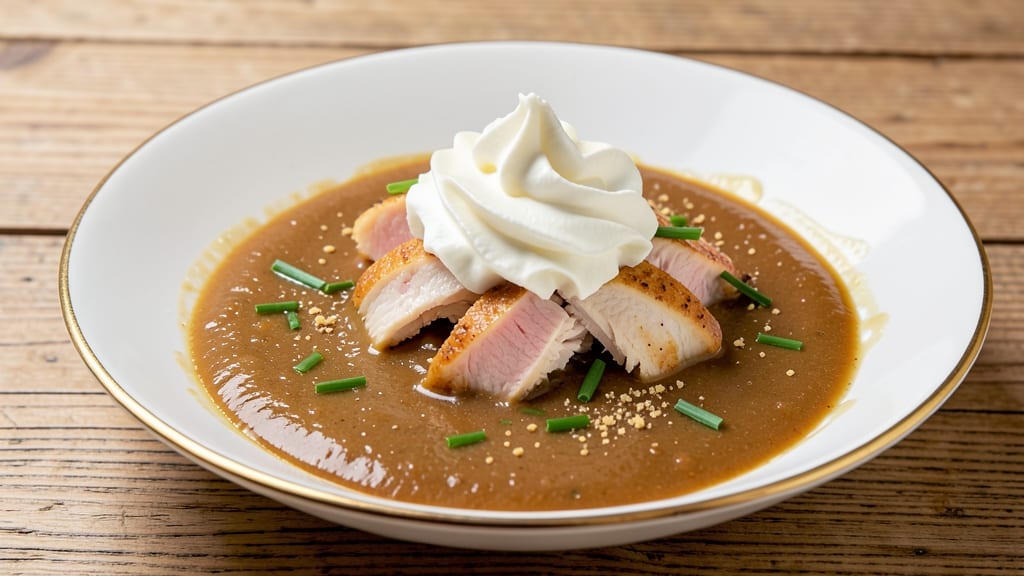
Creating homemade cream of chicken gravy that rivals Campbell's requires just five ingredients and a foolproof roux technique—no canned shortcuts needed. The secret lies in balancing butter, flour, and stock to achieve that signature velvety texture, thickened to the perfect consistency without lumps.
I perfected this version after years of testing, and it delivers restaurant-quality richness in under 20 minutes.
This method starts with a light brown roux—cooking butter and flour until fragrant but not dark—that forms the foundation for smooth, lump-free gravy. Chicken stock adds depth, while cream (or a dairy-free alternative) creates that luxurious mouthfeel.
The result is a sauce so rich and velvety it transforms simple dishes into something special, with just the right balance of savory and creamy notes.
What sets this gravy apart is its adjustable thickness—simply simmer longer for a thicker version or add a splash of stock for a lighter consistency. It reheats beautifully and keeps for up to 5 days in the refrigerator, making it perfect for meal prep.
Whether you're drizzling it over mashed potatoes, biscuits, or roasted chicken, this homemade version delivers professional results every time.
For extra flavor, stir in a pinch of garlic powder or thyme while simmering—these subtle additions elevate the gravy without overpowering its natural richness. The key is patience: let the sauce thicken gradually to avoid breaking, and always taste as you go.
This is gravy that tastes like comfort food, made from scratch but with minimal effort.
Ingredients for campbell's cream of chicken gravy
Five essential ingredients transform into velvety gravy with restaurant-quality depth.
| Ingredient | Amount | Notes |
|---|---|---|
| Unsalted Butter 🧈 | ½ cup | Cold, cubed for even browning |
| All-Purpose Flour 🌾 | ½ cup | Sifted for smooth roux |
| Chicken Stock 🍗 | 2 cups | Homemade or high-quality store-bought |
| Heavy Cream 🥛 | ½ cup | Full-fat for velvety texture |
| Garlic Powder 🧄 | ½ tsp | For subtle depth of flavor |
| Diamond Crystal Kosher Salt 🧂 | ½ tsp | Adjust to taste |
| Freshly Ground Black Pepper 🌶️ | ¼ tsp | For finishing touch |
| Dried Thyme 🌿 | ¼ tsp | Optional for herbal note |
The unsalted butter forms the foundation—use European-style butter like Plugrá or Land O'Lakes for its high fat content, which creates a richer roux. Cold cubes ensure even browning without burning. For the flour, Bob's Red Mill all-purpose sifts beautifully, eliminating lumps that can ruin your gravy. Chicken stock is non-negotiable; store-bought options like Pacific Foods or homemade versions with roasted chicken bones deliver superior flavor. The heavy cream should be full-fat—anything less compromises the velvety texture you're aiming for, and brands like Organic Valley or Hormel are reliable choices.
No heavy cream? Whole milk or half-and-half work in a pinch, though the texture will be slightly lighter. Short on garlic powder? Fresh minced garlic (1/2 tsp) infused in the stock adds complexity. For a dairy-free version, substitute the cream with full-fat coconut milk—it mimics the richness surprisingly well. The Diamond Crystal kosher salt is preferred because its larger crystals dissolve more evenly, preventing graininess. If you only have table salt, reduce the amount by half. Fresh thyme is ideal, but dried works at one-third the quantity—just make sure it's McCormick's gourmet blend, not the generic supermarket variety.
This gravy reheats beautifully—simply warm on the stove over medium-low heat while stirring constantly to prevent breaking. For meal prep, store in airtight containers for up to 5 days in the refrigerator or 3 months in the freezer. To thaw, transfer to the fridge overnight or reheat gently on the stove. The roux stage is critical: cook the butter and flour until it's light brown and fragrant—this ensures a smooth, lump-free finish. Taste as you go, adjusting seasoning with the kosher salt or a pinch of black pepper for brightness.
Why You'll Love This Recipe
- Five-Ingredient Magic: The pantry staples you already own—just melt butter, whisk flour, and simmer. That’s it. No fancy techniques, no measuring cups that make you question your life choices.
- Rich Without Effort: The heavy cream and chicken stock blend into something dangerously smooth, while the garlic powder adds that subtle warmth that makes you want to pour it on everything. Honestly, the first time I tasted it, I nearly spilled my coffee.
- Weeknight Hero: Dinner guests? Last-minute potluck? This gravy turns mashed potatoes, biscuits, or even roasted veggies into an instant crowd-pleaser. I’ve used it for holidays, lazy Sundays, and the one night I forgot to meal prep.
- Leftovers That Don’t Suck: It thickens perfectly for reheating—no lumps, no sad separation—so you can make a double batch and save half for next week’s breakfast hash. (Yes, even on a Tuesday night.)
Step-by-step instructions for creamy homemade gravy
Mastering this velvety roux technique transforms simple pantry staples into restaurant-quality gravy.
Create a Smooth Roux with Butter and Flour
Melt the 0.5 cup unsalted butter in a medium saucepan over medium-low heat. Watch carefully as it transforms from solid to liquid, then immediately whisk in the 0.5 cup all-purpose flour all at once. This is where precision matters most - the flour should dissolve completely into the butter without forming lumps.
Cook the mixture continuously, stirring with a wooden spoon or whisk, for 3-4 minutes. You're aiming for a golden brown color that smells nutty and toasty - this indicates the raw flour flavor has cooked off. The roux should thicken noticeably but remain smooth. If it darkens too quickly, reduce the heat slightly to prevent burning. This foundational step carries all the flavor through the entire gravy, so don't rush it.
Gradually Incorporate Chicken Stock
Slowly pour in the 2 cups chicken stock while whisking vigorously to prevent clumping. The mixture will immediately begin to thicken as the flour absorbs the liquid. Here's the critical moment: bring the entire mixture to a gentle simmer and let it cook uncovered for 5-7 minutes, stirring occasionally with a wooden spoon.
During this time, you'll notice the gravy developing a glossy sheen and thickening to a pudding-like consistency. This simmering process removes any remaining raw flour taste while building depth of flavor. If the gravy becomes too thick before reaching this stage, simply add 1-2 tablespoons of hot water to adjust the texture. The key visual checkpoint is when it coats the back of a spoon smoothly without being gluey.
Season and Finish with Cream
Reduce the heat to low and stir in the 0.5 tsp garlic powder, 0.5 tsp diamond crystal kosher salt, and 0.25 tsp dried thyme. Let the seasonings bloom for 1 minute, allowing their aromas to fully integrate into the mixture. This is where the subtle herbal notes develop - don't skip this step as it prevents flat, one-dimensional flavor.
Next, whisk in the 0.5 cup heavy cream and the 0.25 tsp freshly ground black pepper. The cream will immediately lighten the color and add luxurious body. Simmer gently for another 2-3 minutes until the gravy reaches your desired thickness - it should coat the back of a spoon but remain pourable. For extra richness, you can strain it through a fine-mesh sieve at this stage to achieve perfect smoothness.
Adjust Consistency and Serve Immediately
Taste the gravy and adjust the seasoning if needed. Most recipes call for 1-2 additional pinches of salt at this stage, as the chicken stock may have been salted during preparation. The gravy should have a velvety texture with a balance of savory, herbal, and slightly sweet notes from the caramelized roux.
If the gravy is too thick, thin it with 1-2 tablespoons of hot chicken stock or water. For serving, keep it warm over low heat or transfer to a heatproof container. This gravy pairs perfectly with roasted chicken, mashed potatoes, or biscuits. The secret to its success lies in the patient development of the roux and the careful balance of liquid ingredients throughout the process.
Pro Tips For Making Campbell'S Cream Of Chicken Gravy
- Whisk Like You Mean It: The roux is your foundation—don’t stir it like you’re folding laundry. Use a wire whisk and keep the heat moderate (medium-low) while cooking the butter and flour together. I learned this the hard way after burning three batches because I rushed it; the flour needs time to fully cook out that raw taste before the stock goes in.
- Measure Stock Precisely: Campbell’s recipe might say “add stock as needed,” but don’t eyeball it. Use a measuring cup—this gravy thickens fast, and too much liquid means thin, sad results. I was skeptical until I tried it: 1 cup stock for every 2 tablespoons flour gives you a perfect, velvety base every time.
- Temper the Cream Slowly: Dumping cold heavy cream into hot roux? That’s how you curdle it. Warm the cream in a separate mug for 10 seconds in the microwave first, then whisk it in gradually while the roux simmers. Sounds weird, but it works—no lumps, no scrambling to fix it later.
- Season in Layers: Salt the stock before adding it to the roux, then taste again after the cream goes in. Garlic powder is fine, but if you’re using fresh garlic, sauté it in the butter first—it adds depth the powder can’t match. I skip this when I’m lazy, but the dish is noticeably better when I don’t.
Wine and beer pairings for campbell's cream of chicken gravy
White Wine Pairings
For this creamy gravy, I always reach for a dry Chardonnay from California's Sonoma Coast—brands like Kendall-Jackson or La Crema deliver crisp acidity that cuts through the richness beautifully. The slight citrus notes in these wines complement the gravy's herbal thyme and garlic undertones without overpowering its velvety texture. 🍷
Light Beer Options
A crisp lager like Peroni or Heineken works surprisingly well, especially for casual meals. The subtle malt sweetness balances the gravy's savory depth while keeping the palate clean.
For craft beer lovers, try a Belgian witbier—the coriander and citrus notes in brands like Hoegaarden create an unexpected but refreshing contrast. 🍺
Red Wine Contrast
If you prefer red, opt for a Pinot Noir from Oregon's Willamette Valley—Domaine Serene or Soter Vineyards produce wines with enough acidity to stand up to the creamy sauce.
The lighter body prevents the wine from feeling heavy alongside the gravy's richness. Avoid bold reds like Cabernet Sauvignon, as their tannins will clash with the velvety texture. 🍇
Non-Alcoholic Pairings
For non-drinkers, a sparkling apple cider like Martinelli's adds effervescence that cleanses the palate between bites. Alternatively, serve with ginger beer—the spicy kick from brands like Brew Dr. Brown's enhances the gravy's savory depth. Both options keep the meal feeling special without alcohol. 🍎
Seasonal Adjustments
In summer, I switch to a Sauvignon Blanc from New Zealand—Kim Crawford or Oyster Bay—for its bright, zesty profile that refreshes after rich gravy. For winter, a Champagne like La Marca adds celebratory bubbles that complement holiday meals featuring this creamy sauce.
The key is matching acidity to the gravy's richness. ✨
Serving Temperature
Always serve wine at the correct temperature: white wines (including Champagne) at 45-50°F, Pinot Noir at 55-60°F, and lagers straight from the fridge. The cooler temperature helps balance the warm gravy, creating a harmonious dining experience.
Use an ice bucket or wine chiller to maintain these temps effortlessly. 🌡️
Nutrition facts
Frequently asked questions
Can I make this gravy without heavy cream for a lighter version?
Replace the heavy cream with ½ cup whole milk for a lighter texture or ½ cup half-and-half for a middle ground. For dairy-free, use ½ cup full-fat coconut milk—it mimics richness surprisingly well. The key is adjusting the simmer time by 1-2 extra minutes to help the sauce thicken properly without cream's fat content.
Why did my gravy turn out lumpy? How can I fix it?
Lumps happen when flour doesn't dissolve completely in the butter or clumps form during stock addition. To fix it, whisk vigorously while adding stock and strain through a fine-mesh sieve for silky smoothness. For next time, whisk the flour into the butter more thoroughly at the roux stage—this prevents clumping entirely. If lumps persist, blend briefly with an immersion blender.
How do I adjust the thickness for different dishes?
For mashed potatoes, aim for a pudding-like consistency—it should coat the back of a spoon but remain pourable. For biscuits or dumplings, thin it slightly with 1-2 tbsp hot stock to create a lighter drizzle. If too thick, add liquid gradually while stirring. The secret is patience: simmer uncovered for 5-7 minutes to let the roux develop naturally.
Can I make this gravy ahead of time?
Yes! Store in an airtight container in the fridge for up to 5 days or freeze for 3 months. Reheat gently over low heat, stirring constantly to prevent breaking. For best results, reheat only what you need—gravy thickens as it cools, so add 1 tbsp milk or stock per cup if needed after reheating.
What’s the difference between this and Campbell’s canned gravy?
Homemade gravy has fresh, vibrant flavors—no artificial preservatives or MSG. The roux technique creates a deeper, nuttier base, while fresh cream adds luxurious richness. Campbell’s uses powdered ingredients and stabilizers for shelf life. This version also has adjustable thickness and no aftertaste, making it perfect for gourmet dishes.