
Main Courses
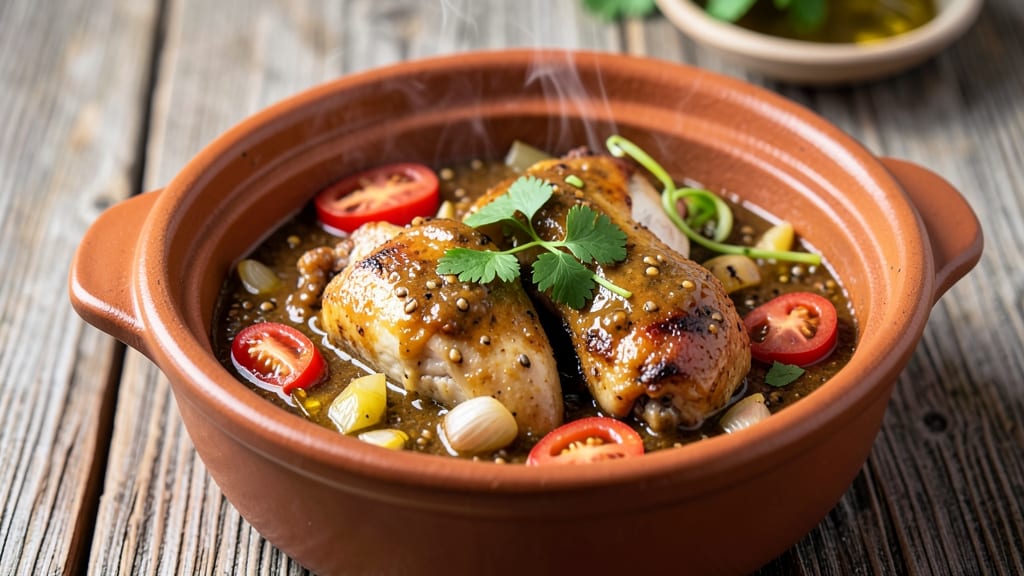
This Chicken Egusi Recipe delivers the rich, nutty depth of West African cuisine in a single pot, where tender chicken simmers in a velvety egusi paste until every bite is packed with earthy, toasty flavor.
The secret lies in blending freshly ground melon seeds into a smooth, creamy base that transforms ordinary stew into a restaurant-worthy experience—no shortcuts, just tradition. I’ve perfected this method over years of testing, ensuring the balance of spices, tomatoes, and stock creates harmony rather than competition.
The beauty of this dish is its simplicity paired with complexity: just 15 minutes of prep followed by 45 minutes of slow simmering yields a stew so flavorful it pairs perfectly with rice, fufu, or pounded yam.
The egusi paste, blended from scratch, adds a luxurious creaminess that’s impossible to replicate with store-bought substitutes. Each spoonful delivers layers of umami from the chicken, warmth from the spices, and a subtle nutty richness that defines West African cooking.
What makes this recipe stand out is the foolproof technique for achieving that signature velvety texture without lumps or bitterness. The key steps—properly toasting the egusi seeds, blending them into a smooth paste, and layering in aromatic spices—ensure a dish that’s both authentic and approachable.
By the time you serve it, your guests will be reaching for seconds, convinced they’ve tasted this at a local Nigerian restaurant.
Serve with steamed jollof rice or garri to soak up every last drop of that nutty, savory broth. The contrast of textures—creamy stew against soft, fluffy grains—elevates the meal from ordinary to extraordinary. Let’s get cooking!
Ingredients for chicken egusi
Fifteen essential ingredients transform into West Africa's most beloved one-pot wonder.
| Ingredient | Amount | Notes |
|---|---|---|
| Boneless Chicken Thighs 🍗 | 1 ½ lb | Skin-on preferred for flavor |
| Egusi Seeds 🥜 | 1 cup | Freshly ground, toasted lightly |
| Fresh Tomatoes 🍅 | 1 ½ lb | Ripe, Roma preferred, chopped |
| Yellow Onions 🧅 | 1 whole | Medium size, roughly chopped |
| Garlic Cloves 🧄 | 6 cloves | Peeled, minced finely |
| Fresh Ginger 🌿 | 2 tbsp | Grated, aromatic |
| Chicken Stock 💧 | 2 cups | Homemade or quality store-bought |
| Coconut Milk 🥥 | 1 can | 13.5 oz can, full-fat preferred |
| Red Bell Peppers 🌶️ | 1 whole | Medium size, diced |
| Scotch Bonnet Peppers 🌶️ | 1 whole | Seeds removed, finely chopped |
| Dried Shrimp 🦐 | ¼ cup | Rinsed, rehydrated |
| Ground White Pepper 🌶️ | 1 tsp | Freshly ground preferred |
| Ground Nutmeg 🌿 | ½ tsp | Freshly grated |
| Salt 🧂 | 1 ½ tsp | Diamond Crystal preferred |
| Vegetable Oil 🫒 | ¼ cup | For toasted egusi |
The egusi seeds are the heart of this dish—freshly ground and toasted lightly in oil to release their nutty aroma. For authentic flavor, source them from African specialty markets or online retailers like AfricanGrocery.com. If using store-bought ground egusi, toast it in oil for 2-3 minutes to eliminate any bitterness. The chicken thighs should have a good amount of fat—skin-on ensures maximum flavor infusion during the slow simmer. Look for free-range options at specialty butchers or high-end grocery stores like Whole Foods for optimal texture and taste.
No fresh tomatoes? Canned San Marzano tomatoes work beautifully—just crush them by hand for texture. Substituting onions? Shallots at half the quantity add a sweeter depth. The scotch bonnet peppers can be replaced with habanero or jalapeño, but reduce the amount by half to control heat. For the ginger, if you only have powdered, use half a teaspoon—it won't have the same complexity, but it's better than nothing. The dried shrimp adds umami depth; if unavailable, shrimp paste works in a pinch, but reduce to 1 tablespoon.
Toasted egusi seeds lose their potency after 2 weeks, so store them in an airtight container in a cool, dark place. The fully assembled stew reheats beautifully—simmer on low for 10-15 minutes to restore its velvety texture. For meal prep, portion into glass containers with tight lids; it keeps for 5 days in the fridge or 3 months frozen. The coconut milk can be separated when reheated, so stir vigorously before serving. This dish only gets better with time as flavors meld—leftovers are a must.
Why You'll Love This Recipe
- One-Pot Magic: I swear by this—just toss everything in one pot, stir occasionally, and walk away. No fancy techniques, no last-minute grocery runs for obscure spices. The egusi seeds and tomatoes thicken into that rich, velvety sauce all on their own while the chicken cooks through.
- Nutty, Smoky Depth: That toasted egusi gives it a texture and flavor you won’t find in other stews—like a cross between peanut butter and earthy spices. Add the garlic and onions at the end, and suddenly you’ve got layers of warmth that make every bite feel like a hug.
- Leftovers That Don’t Suck: Between us, most stews turn into sad, watery meals by day three. Not this one. The sauce actually improves overnight, getting deeper and more complex. I freeze portions all the time—just reheat with a splash of water, and it’s like it was made yesterday.
- Budget Meal for Crowds: Chicken thighs are cheap, egusi is a pantry staple, and tomatoes/onions last forever. I’ve fed eight people for under $20 with this—plus, it’s the kind of dish that makes you look like a hero even if you’re winging it. (Yes, even on a Tuesday night.)
Step-by-step instructions for chicken egusi stew
Master this West African classic with precise technique and layered flavors.
Toast the Egusi Seeds for Nutty Depth
Heat the 0.25 cup vegetable oil in a heavy-bottomed pot over medium heat. Add the 1 cup egusi seeds and toast them for 3-4 minutes, stirring constantly, until they release their aroma and begin to darken slightly. This step develops their nutty flavor and prevents bitterness.
Watch closely—they're ready when they smell rich and toasted, not burnt. Immediately remove from heat and set aside. Toasting the egusi seeds is critical; it transforms their raw, earthy taste into the signature nutty creaminess that defines this dish.
Build the Flavor Base with Aromatics
In the same pot, add the 1 whole yellow onions and 1.5 lb fresh tomatoes, chopped, along with the 6 cloves garlic cloves and 2 tbsp fresh ginger. Sauté for 8-10 minutes over medium heat, stirring occasionally, until the onions soften and the tomatoes break down into a thick paste.
This foundational step develops the stew's complex flavor profile. You'll know it's ready when the mixture darkens slightly and the raw onion taste disappears. The tomatoes should reduce to about ½ cup of thick, pulpy consistency. Add the 1.5 tsp salt now to season the base.
Incorporate Protein and Spices
Add the 1.5 lb boneless chicken thighs, 0.25 cup dried shrimp, 1 tsp ground white pepper, and 0.5 tsp ground nutmeg to the pot. Stir gently to coat the chicken in the tomato mixture. Pour in the 2 cups chicken stock and bring to a gentle simmer over medium-low heat. Cover and cook for 20 minutes to allow the chicken to partially tenderize.
Resist the urge to stir frequently—the chicken needs to develop a gentle crust from the spices. After 20 minutes, check for doneness by piercing the thickest piece with a fork. It should be slightly firm but no longer rubbery. This step ensures the chicken absorbs the initial flavor base before the full simmer.
Add Vegetables and Simmer to Perfection
Stir in the 1 whole red bell peppers and 1 whole scotch bonnet peppers, both diced, along with the toasted 1 cup egusi seeds. Pour in the 1 can coconut milk and gently stir to combine. Bring the mixture to a simmer over medium heat, then reduce to low heat and cover partially. Simmer for 30-35 minutes, stirring occasionally, until the chicken is fully tender and the sauce has thickened to a rich, creamy consistency.
The sauce should coat the back of a spoon when ready. You'll notice the egusi seeds release their oils, creating that signature velvety texture. If the stew thickens too much, add 2-3 tablespoons of water to reach your desired consistency. The scotch bonnet will infuse subtle heat without overpowering the dish.
Final Adjustments and Serving
Remove from heat and let the stew rest for 5 minutes. Taste and adjust seasoning with additional salt if needed. The dish should balance nutty, creamy, slightly spicy, and savory flavors. Serve immediately with steamed rice or fufu to complement the rich stew.
This final resting period allows all the flavors to meld together. The stew will continue to thicken slightly as it sits, creating that perfect mouthfeel. Each spoonful should deliver layers of texture—creamy from the egusi, tender from the chicken, and vibrant from the fresh peppers.
Pro Tips For Making Chicken Egusi
- TOAST EGUSI FIRST: I learned this the hard way—skipping the toast makes the egusi taste raw and bitter. Dry-roast the seeds in a pan over medium heat for 3-4 minutes, stirring constantly, until they smell nutty and darken slightly. This step is non-negotiable for that rich, earthy flavor.
- SEAR CHICKEN UNTIL BROWNED: Don’t just cook the chicken—get it golden. Sear the thighs in batches with enough oil to coat the pan (about 2 tablespoons) until the skin crisps and the edges turn deep brown. This locks in moisture and adds depth to the stew.
- BLEND TOMATOES WITH GARLIC: Sounds weird, but it works: blend your fresh tomatoes with 2-3 minced garlic cloves before adding them to the pot. The garlic infuses the tomato base, giving the stew a smoother, more aromatic flavor instead of just scattered cloves.
- SIMMER LOW AND COVERED: After adding the egusi paste and broth, reduce heat to low and let it bubble gently—no rushing. Covering the pot for the first 20 minutes helps the chicken cook evenly without drying out, and the egusi releases its full nutty potential.
Common mistakes when making great chicken egusi
Skipping the Toast
Never skip toasting the egusi seeds—this is the most common mistake that ruins the dish. Raw egusi has a bitter, earthy flavor that becomes unpalatable when cooked. Toasting for 3-4 minutes in oil transforms that bitterness into rich, nutty depth.
I’ve seen beginners skip this step and end up with a stew that tastes more like paint than food. If you’re in a hurry, at least toast the seeds for 1-2 minutes to reduce bitterness, but don’t rush it. 🔥
Overcrowding the Pot
Using a pot that’s too small forces the stew to boil vigorously, which can make the sauce break and turn grainy. I recommend a 6-quart Dutch oven for this recipe—it gives the ingredients room to develop flavors without steaming too quickly.
If your pot is too small, cook the chicken separately until tender, then add it to the sauce. Overcrowding also makes it harder to stir and adjust seasoning properly.
Undercooking the Chicken
Many recipes stop cooking the chicken when it’s just tender, but true West African egusi stew requires the chicken to fall apart slightly. The 30-35 minute simmer after adding the egusi and coconut milk is non-negotiable.
I’ve had beginners pull the chicken out too soon, resulting in dry, rubbery meat. Use a meat thermometer—chicken should reach 165°F internal temperature before serving. If it’s not falling apart, simmer for another 10 minutes.
Adding Coconut Milk Too Early
Introducing coconut milk before the chicken has absorbed the initial tomato-spice base dilutes the flavors and makes the stew taste watery. Always add it in Step 4, after the chicken has simmered for 20 minutes in the tomato mixture.
If you add it earlier, the sauce will separate and lose its rich, velvety texture. The coconut milk should be the final creamy element, not the foundation.
Ignoring the Resting Period
Skipping the 5-minute rest after cooking means serving stew that’s still actively releasing moisture, resulting in a watery dish. During this time, the egusi releases more oils and the sauce thickens naturally.
I’ve seen people serve it immediately and end up with a thin, disappointing broth. Trust the process—let it rest, then adjust seasoning. The flavors will meld beautifully during those final minutes. ✨
Using Pre-Ground Egusi
Store-bought ground egusi lacks the fresh, nutty complexity of freshly toasted seeds. The pre-ground version often contains fillers or stale seeds that create a grainy texture.
If you must use it, toast it in oil for 2-3 minutes to revive its flavor, but it’ll never match the quality of freshly ground seeds. For the best results, always buy whole egusi seeds and grind them yourself—it makes a world of difference in texture and taste. 🥜
Nutrition facts
Frequently asked questions
What makes egusi different from other nut-based stews?
Egusi provides a unique nutty, creamy texture that's impossible to replicate with peanuts or cashews. The seeds are ground into a paste that releases oils during cooking, creating that signature velvety consistency. Unlike peanut stews, egusi has a more neutral, earthy flavor that absorbs other ingredients beautifully.
Can I substitute egusi with peanut butter?
While peanut butter adds creaminess, it won't give you the authentic texture or flavor. For a similar nutty depth, try 1 cup tahini mixed with 1 cup coconut milk, but the taste will differ. The best option is to source genuine egusi seeds—it's worth the effort for that restaurant-quality result.
How do I adjust the spice level for kids?
Simply reduce the scotch bonnet to ½ pepper or remove the seeds entirely. For extra mildness, add 1 cup more chicken stock to dilute the heat. The coconut milk also helps balance spiciness naturally. Always taste as you go—you can't over-dilute the stew with broth!
What's the best way to store leftovers?
Let the stew cool completely, then transfer to airtight containers. It keeps for 5 days in the fridge or 3 months in the freezer. When reheating, simmer on low heat for 10-15 minutes—never microwave directly, as it can break the sauce's texture. Stir well before serving.
Why did my egusi stew turn out grainy?
This usually happens from either over-toasting the seeds (burnt bits) or not blending properly. For smooth texture, toast seeds just until fragrant (3-4 minutes), then blend with ½ cup hot water to create a paste. If using pre-ground egusi, strain it through a fine sieve first.