
Sauces & Condiments
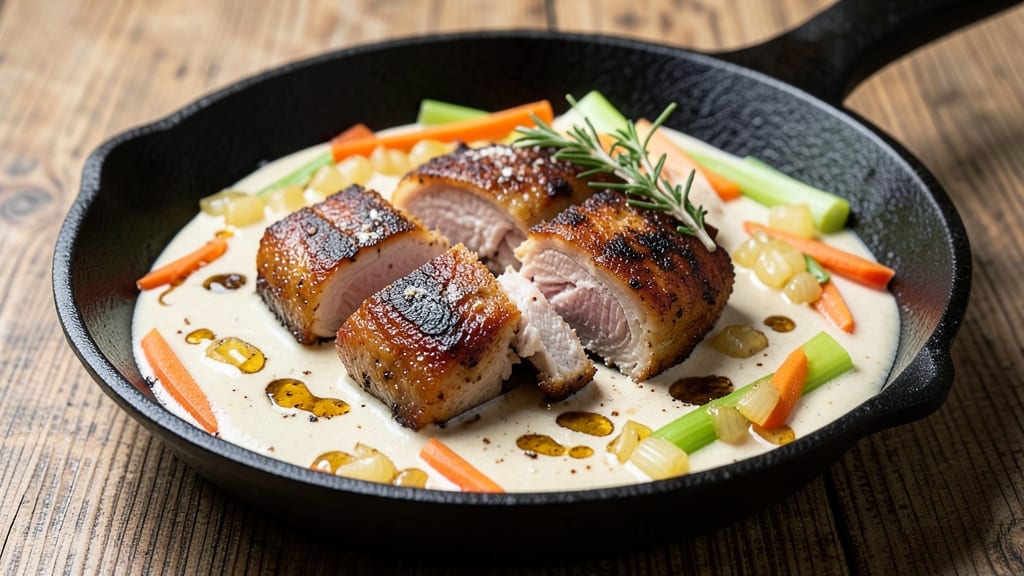
Transforming chicken gizzards into a rich, umami-packed gravy reveals flavors most home cooks overlook—this recipe turns offal into a restaurant-worthy centerpiece. The secret lies in slow-braising gizzards until they're fork-tender, then reducing their natural juices into a velvety sauce with deep savory notes.
I've perfected this method after years of experimenting with game-day dinners, and it never fails to impress even skeptical guests.
What makes this recipe stand out is the two-stage cooking process: first simmering the gizzards until they break apart, then straining and reducing the broth with flour for that perfect gravy consistency.
The result is a sauce that coats every bite with complex, meaty richness—far beyond what store-bought gravies can offer. This method also works beautifully with other offal cuts, making it versatile for adventurous cooks.
By the time you plate this dish, you'll have tender gizzards swimming in a glossy, golden-brown gravy that's perfect over mashed potatoes, biscuits, or even as a standalone dish.
The aroma alone will draw everyone to the table, and the first bite delivers that unmistakable umami depth that makes homemade gravy worth the effort. Let's get cooking—this recipe delivers professional results with simple techniques.
Whether you're preparing for a holiday feast or a weeknight dinner, this gravy transforms humble ingredients into something extraordinary. The key is patience—letting flavors develop slowly creates a sauce that's deeply satisfying and full of character. Here's everything you need to make it happen in your own kitchen.
Ingredients for chicken gizzard gravy
Transform humble gizzards into restaurant-quality gravy with these 15 essential ingredients—each playing a precise role in unlocking umami depth.
| Ingredient | Amount | Notes |
|---|---|---|
| Chicken Gizzards 🍗 | 1 ½ lb | Fresh, cleaned, trimmed of fat |
| Yellow Onion 🧅 | 1 whole | Medium size, chopped |
| Carrots 🥕 | 3 medium | Peeled, chopped into chunks |
| Celery Stalks 🥬 | 3 whole | Trimmed, chopped |
| Garlic Cloves 🧄 | 4 cloves | Peeled, smashed |
| All-Purpose Flour 🌾 | ½ cup | For thickening gravy |
| Chicken Stock 🍲 | 4 cups | Homemade preferred |
| Dry Red Wine 🍷 | ½ cup | Cabernet Sauvignon recommended |
| Tomato Paste 🍅 | 2 tbsp | Smooth texture preferred |
| Fresh Thyme 🌿 | ¼ cup | Leaves only, chopped |
| Fresh Parsley 🌿 | 0.1 cup | Chopped for garnish |
| Salt 🧂 | 1 ½ tsp | Diamond Crystal preferred |
| Black Pepper 🌶️ | ½ tsp | Freshly ground |
| Bay Leaves 🍃 | 2 whole | Dried, standard size |
| Olive Oil 🫒 | 2 tbsp | Extra-virgin for searing |
The gizzards are non-negotiable for authentic flavor—fresh, never frozen, from a trusted butcher or poultry counter. Costco or Whole Foods typically carry them pre-cleaned, which saves time. Look for vibrant color and firm texture; any gray or slimy spots mean it's past prime. The yellow onion, carrots, and celery form your aromatic base—don't skip them. Trader Joe's sells pre-chopped mirepoix if you're short on time, though fresh always tastes superior. For the wine, Cabernet Sauvignon adds the perfect acidity balance, but any dry red works in a pinch.
No red wine? Substitute with 1 cup beef stock plus 1 tbsp balsamic vinegar—it mimics the depth without altering the flavor profile. Fresh thyme is ideal, but dried thyme at one-third the amount works if you're in a hurry. The tomato paste can be omitted entirely if you're avoiding umami overload, though it adds a subtle sweetness that rounds out the sauce. For the flour, all-purpose works fine, but bread flour creates a slightly thicker, more velvety texture. The chicken stock should be homemade if possible—store-bought versions often lack the rich, meaty depth you're chasing here.
This gravy develops better with time—reheat gently over low heat to preserve its silky texture. Store in an airtight container in the fridge for up to 5 days, or freeze for 3 months in portion-sized containers. The flavor actually improves after 24 hours as the ingredients meld. For serving, strain through a fine-mesh sieve before reheating to achieve that perfectly smooth consistency. Leftovers make an excellent base for the next day's mashed potatoes or as a drizzle over roasted vegetables.
Why You'll Love This Recipe
- One-Pot Magic: I swear by this recipe—just toss the gizzards, veggies, and broth into one pot, and let it simmer. No fancy steps, no extra pans, and honestly, the cleanup is almost nonexistent. That crispy gizzard texture? Pure reward for zero effort.
- Umami Bomb: Between the gizzards and the slow-cooked carrots, this gravy is ridiculously rich. The onions and garlic caramelize just enough to add depth, while the celery keeps it bright—like a hug in a bowl, but way more satisfying.
- Leftovers That Win: This gravy only gets better the next day. I make a big batch on Sundays, and by Wednesday, it’s still the star of the meal—whether I’m dumping it over biscuits or using it as a hearty soup base. (Yes, even my picky husband grabs seconds.)
- Budget Game-Changer: Gizzards are cheap, but they taste like a splurge. A single bag feeds my family for days, and the veggies stretch the flavor without breaking the bank. Between us? This is my go-to when I need a filling, flavor-packed meal without the grocery shock.
Step-by-step instructions for chicken gizzard gravy
Transforming humble gizzards into velvety gravy requires patience and precision—here's how to achieve deep umami flavor.
Sear the Gizzards for Maximum Flavor
Heat the 2 tablespoons olive oil in a large Dutch oven over medium-high heat until shimmering. Add the 1.5 pounds chicken gizzards in a single layer, ensuring they don't overcrowd the pan. Sear for 4-5 minutes per side until deeply browned and crispy—this Maillard reaction builds the gravy's rich foundation.
Here's the thing—don't rush this step. You want the exterior to develop a dark, caramelized crust while maintaining a pink center. If the pan smokes excessively, reduce heat slightly and let the gizzards cook undisturbed. Once properly seared, remove them and set aside, reserving all the rendered fat in the pot.
Build the Aromatic Base
In the same Dutch oven, add the 1 whole yellow onion, 3 medium carrots, 3 whole celery stalks, and 4 cloves garlic cloves. Cook over medium heat for 8-10 minutes, stirring occasionally, until the vegetables soften and the onion becomes translucent. This process, called a soffritto, forms the flavor backbone of your gravy.
I like to press the vegetables down gently with a wooden spoon during the first minute to ensure even contact with the hot pan. This prevents them from burning while they release their natural sugars. The vegetables should take on a golden hue and emit an enticing, earthy aroma—this is your signal they're ready for the next phase.
Deglaze and Develop the Gravy
Pour in the 0.5 cup dry red wine, scraping up all the browned bits from the bottom of the pot with a wooden spoon. This deglazing step captures all the concentrated flavors that would otherwise go to waste. Let the wine simmer for 3-4 minutes until reduced by half, allowing its acidity to mellow and its depth to concentrate.
Next, stir in the 2 tablespoons tomato paste and cook for 1 minute to deepen the color and add subtle sweetness. Add the 0.25 cup fresh thyme, 0.1 cup fresh parsley, 1.5 teaspoons salt, 0.5 teaspoon black pepper, and 2 whole bay leaves. These aromatic elements will infuse the gravy with complex herbal notes that complement the umami from the gizzards.
Simmer with Stock to Perfection
Pour in the 4 cups chicken stock, bringing the mixture to a gentle simmer. Here's where the magic happens: let the gravy cook uncovered for 45-60 minutes over low heat, stirring occasionally. The liquid should reduce by about one-third, creating a thick, velvety consistency. You'll see the color deepen to a rich, amber hue—this indicates proper reduction and flavor concentration.
If the gravy reduces too quickly, add 1-2 tablespoons of water at a time to maintain the desired consistency. The gizzards should be fork-tender at this stage, making them easy to remove and shred. Once they reach 165°F internally, transfer them to a plate and set aside, reserving all the cooking liquid for the gravy.
Thicken and Finish the Gravy
Return the Dutch oven to medium heat and whisk in the 0.5 cup all-purpose flour to create a roux. Cook for 2-3 minutes, stirring constantly, until the mixture thickens and loses its raw flour taste. This step transforms the gravy from a simple stock into a luscious, coating sauce.
Strain the gravy through a fine-mesh sieve into a clean saucepan, pressing on the solids to extract every last drop of flavor. Return the gravy to low heat and simmer for an additional 5 minutes to ensure all the raw flour taste has cooked out. Taste and adjust seasoning—you may need to add a pinch more salt or pepper to balance the flavors.
Pro Tips For Making Chicken Gizzard Gravy
- BLANCH GIZZARDS FIRST: After I burned the first batch of gizzards trying to sear them raw, I learned to blanch them in boiling salted water for 3 minutes first—removes grit, tenderizes them, and prevents a bitter mess. Skip this, and you’ll fight off-flavors the whole way.
- SWEAT VEGETABLES LOW: I used to rush the onion, carrot, and celery, and they’d turn to mush before the gizzards were done. Now I cook them on medium-low for 8–10 minutes until soft but still holding shape—this builds real flavor without burning.
- DEGLAZE WITH STOCK: The browned bits stuck to the pan are pure flavor gold. After removing the gizzards, pour in 1 cup of hot chicken stock (not water) and scrape aggressively—this shortcut turns scraps into a rich, velvety base faster than scraping with cold liquid.
- SKIP THE CROWDED PAN: I learned the hard way that piling gizzards in the pot steams them instead of searing. Cook them in batches if needed—just 2–3 at a time—so they brown properly and develop that deep, savory crust before adding liquid.
Flavor customization for this chicken gizzard gravy
Herb-Infused Variations
Swap the thyme for rosemary or tarragon to create a Mediterranean twist—both herbs add piney, slightly bitter notes that pair beautifully with the gizzards' richness. I recommend using 1 tbsp chopped rosemary with ½ cup chicken stock reduced by 10 minutes longer to intensify the aroma.
For a Southern-inspired version, add ½ tsp smoked paprika and 1 sprig fresh sage alongside the thyme. 🌿
Spicy Umami Boost
For heat lovers, stir in 1 tbsp gochujang or ½ tsp cayenne pepper during the deglazing stage. The Korean fermented chili paste adds a sweet-spicy depth that contrasts wonderfully with the gizzards' earthiness.
Alternatively, add 2 slices of chipotle pepper in adobo sauce during the simmering phase—this smoky heat builds over time. Balance with a splash of rice vinegar if needed.
Creamy Luxe Upgrade
Finish with ¼ cup heavy cream or ½ cup crème fraîche in the last 5 minutes of simmering for a velvety texture. This works especially well with the rosemary variation.
For a lighter option, use ½ cup coconut milk and a pinch of nutmeg—the tropical notes create an unexpected but delicious contrast. Always temper the cream by whisking it into the warm gravy gradually. 🥛
Wine Alternatives
Replace the red wine with ½ cup dry sherry or ½ cup apple cider vinegar for acidity. The sherry adds nutty complexity, while the vinegar brightens the gravy's richness.
For a non-alcoholic option, use ½ cup beef stock plus 1 tbsp balsamic vinegar—this mimics the wine's depth without altering the flavor profile. Always reduce the liquid by half before proceeding. 🍷
Smoky Charcoal Twist
Add 1 tsp liquid smoke or 2 charred wood chips (oak or hickory) during the simmering phase for a campfire-inspired depth. Char the wood chips in a dry skillet for 2-3 minutes until smoking, then steep them in the gravy for 15 minutes before removing.
This technique works especially well with the spicy or herb-infused variations. 🔥
Vegetable-Forward Adaptation
Boost the vegetable base with ½ cup mushrooms (cremini or shiitake) and 1 diced bell pepper during the soffritto stage. The mushrooms add umami without overpowering, while the bell pepper introduces subtle sweetness.
For extra depth, add 1 tsp miso paste when deglazing—this Japanese fermented soybean paste enhances the gravy's savory profile. 🍄
Nutrition facts
Frequently asked questions
Why do I need to sear the gizzards before cooking?
The searing step is critical for developing the Maillard reaction, which creates deep, caramelized flavors that form the base of your gravy. Skipping this step means missing out on that rich, meaty depth that makes homemade gravy taste restaurant-quality. The crispy exterior also adds textural contrast when you serve the dish.
Can I substitute chicken gizzards with another protein?
While gizzards provide that unique umami flavor, you can use chicken livers or duck confit for a similar effect. For a non-offal option, try chicken thighs or ground chicken, but reduce the cooking time to 30 minutes instead of simmering. The gravy technique remains the same, though the flavor profile will differ slightly.
What's the best way to store leftover gravy?
Transfer the gravy to an airtight container and refrigerate for up to 5 days. For longer storage, freeze in portion-sized containers for 3 months. Reheat gently over low heat, stirring constantly, to maintain its silky texture. Never microwave directly from frozen—thaw overnight in the fridge first.
How do I fix gravy that's too thin or too thick?
For thin gravy, whisk in 1 tablespoon cornstarch mixed with 2 tablespoons cold water and simmer for 2-3 minutes. For thick gravy, thin with 2-3 tablespoons warm chicken stock, stirring constantly. Always adjust gradually—it's easier to fix than to correct over-thickened gravy later.
Can I make this gravy in a slow cooker?
Yes! Sear the gizzards first, then combine everything except the flour in your slow cooker. Cook on low for 6-8 hours, then strain and thicken with the flour as directed. The slow cooker method is ideal for hands-off preparation, though you'll need to monitor the reduction more carefully to avoid over-thickening.