
Main Courses
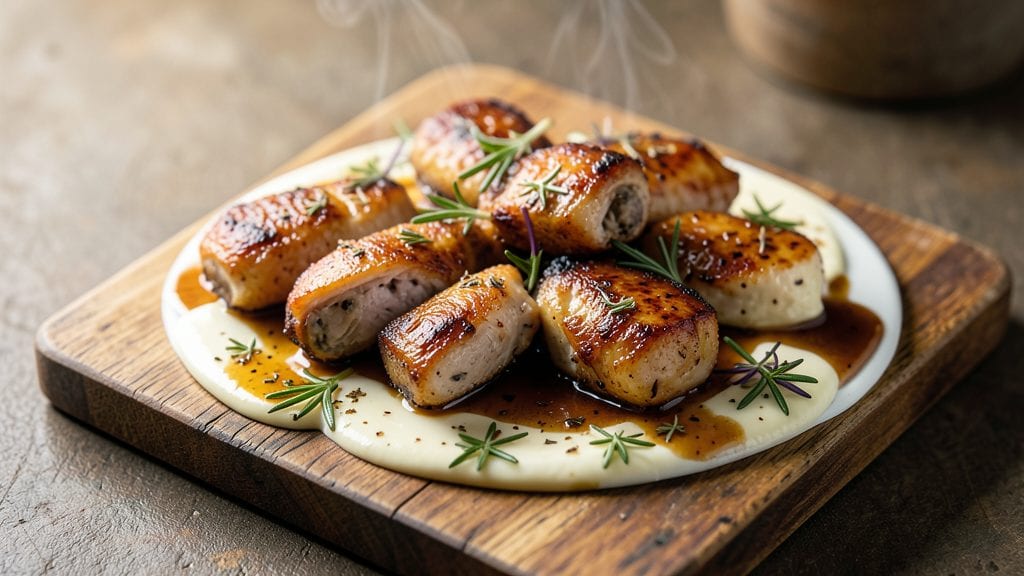
Transforming chicken gizzards into a crispy, golden dish with herby butter gravy might sound intimidating, but this method makes it simple and satisfying. I spent weeks perfecting this technique after discovering how versatile these often-overlooked cuts can be, and the results are worth the effort.
The key lies in proper preparation and a high-heat sear that creates that coveted crispy exterior while keeping the inside tender.
This recipe begins with thorough cleaning and trimming of the gizzards, a step that ensures the best texture and flavor. Once prepped, they're pan-seared until golden brown, then finished in a rich herby butter gravy that ties everything together.
The process takes about 30 minutes from start to finish, making it perfect for a weeknight dinner that feels special.
What you'll end up with is a dish that's crispy on the outside, tender within, and coated in a fragrant gravy that elevates simple ingredients into something extraordinary.
The herby butter adds layers of flavor without overpowering the natural taste of the gizzards, creating a balance that's both comforting and sophisticated.
Serve this with crusty bread to soak up every bit of that delicious gravy, or pair it with roasted vegetables for a complete meal. The technique works equally well with other offal, so once you master this, you'll have a new culinary skill in your repertoire.
Let's get started on this flavorful journey!
Ingredients for chicken gizzard
Simple ingredients transform humble gizzards into restaurant-quality crispy bites with herby gravy.
| Ingredient | Amount | Notes |
|---|---|---|
| Fresh Chicken Gizzards 🍗 | 1 ½ lb | Cleaned, trimmed, membrane removed |
| All-Purpose Flour 🌾 | ½ cup | For dredging, fine texture preferred |
| Unsalted Butter 🧈 | 6 tbsp | Cold, cut into pieces for gravy |
| Fresh Rosemary 🌿 | 1 tbsp | Finely chopped, stems removed |
| Fresh Thyme 🌿 | 1 tbsp | Leaves only, finely chopped |
| Garlic Cloves 🧄 | 4 cloves | Minced, for herb butter |
| Chicken Broth 💧 | 1 cup | Low-sodium preferred for balance |
| Olive Oil 🫒 | 2 tbsp | High smoke point for searing |
| Salt 🧂 | 1 ½ tsp | Kosher or sea salt preferred |
| Black Pepper 🌶️ | ½ tsp | Freshly ground for best flavor |
| Lemon Juice 🍋 | 1 tbsp | Freshly squeezed for brightness |
| Fresh Parsley 🌿 | 2 tbsp | Chopped, for garnish |
| Crusty Bread 🍞 | 1 loaf | For serving, optional |
The gizzards are the star—look for bright red, firm cuts at your local butcher or poultry counter. Whole Foods and Trader Joe's often carry them pre-cleaned, which saves time. If buying whole, trim away any yellowish membranes and rinse thoroughly. The key to texture is thorough cleaning and drying; pat them completely dry with paper towels before dredging. For herb butter, use high-quality unsalted butter—European brands like Plugrá or Kerrygold add depth of flavor that generic butter can't match.
No fresh rosemary? Dried works at one-third the amount, but fresh is ideal for that aromatic punch. Short on thyme? Fresh oregano or marjoram bridges the gap, though thyme's lemony note is hard to replace. The olive oil should have a high smoke point—look for light or extra-light varieties if you're sensitive to strong flavors. For the crusty bread, baguettes or sourdough work best, but any sturdy bread will soak up the gravy. Pre-slice the bread and toast it lightly before serving to prevent sogginess.
Store cleaned gizzards in the fridge for up to 2 days before cooking, sealed in a container with paper towels to absorb moisture. The herb butter can be prepped 1 day ahead and stored in the fridge, then softened slightly before using. Leftover gravy keeps for 4 days in the fridge or 3 months frozen in ice cube trays for easy portioning. For best results, serve immediately after cooking while the gizzards are crispy and the gravy is hot.
Why You'll Love This Recipe
- Fewer Grocery Trips: I stock up on gizzards when they’re on sale—cheaper than chicken thighs, and they keep in the freezer for months. That butter and herb crust? Uses pantry staples I already own, so no last-minute store runs.
- Herb-Crusted Magic: The rosemary and thyme cling to the flour crust like it’s their job, while the butter keeps the inside tender. Honestly, I’ve tried fancy marinades, but this simple coating delivers every time—crispy outside, juicy inside.
- Lunchbox Hero: Double the batch and reheat slices for sandwiches all week. My kids eat it cold, my husband prefers it warm, and I sneak extra into my salads. (Between us, the leftovers disappear faster than the fresh batch.)
- Budget Feast: A pound of gizzards feeds four for under $6—way more satisfying than takeout. The flour and butter stretch thin, but you’d never guess it’s a budget dish. I’ll be real: my picky eaters don’t even ask what’s in it.
Step-by-step instructions for crispy pan-seared chicken gizzards
Here's the method to achieve perfectly crispy gizzards with herby butter gravy every time.
Prepare the Gizzards for Even Cooking
Rinse the 1.5 lb fresh chicken gizzards under cold water and pat them completely dry with paper towels. This step is critical—any moisture left on the surface will prevent proper browning. Using a sharp knife, trim away any remaining membranes or connective tissue, then make a small slit in each gizzard to help them cook more evenly.
Place the cleaned gizzards in a shallow dish and season generously with 1.5 tsp salt and 0.5 tsp black pepper. Let them sit at room temperature for 15 minutes while you prepare the dredging station. This ensures even cooking and maximum flavor penetration. I like to work in batches if needed, keeping the gizzards uncovered so they don't steam.
Create the Herb Butter Gravy Base
In a small bowl, combine the 6 tbsp unsalted butter, 1 tbsp finely chopped fresh rosemary, 1 tbsp finely chopped fresh thyme, and 4 minced garlic cloves. Cut the cold butter into small pieces and mix gently with a fork until just combined. This herb butter will create the rich, aromatic gravy later. Keep this mixture cold until ready to use.
Heat 2 tbsp olive oil in a large skillet over medium-high heat until shimmering. The oil should be hot enough to sizzle when a gizzard touches it—this creates that signature crispy exterior. Have the 0.5 cup all-purpose flour ready in a shallow plate for dredging. The flour creates a golden crust that locks in juices while building flavor.
Pan-Sear for Maximum Crispiness
Working in batches if needed, dredge each gizzard in the flour, shaking off any excess. Place them in the hot skillet and cook undisturbed for 3-4 minutes per side until golden brown and crispy. Don't move them too soon—this is when they develop that perfect crust. If you notice the flour burning before the gizzards are browned, reduce the heat slightly to medium.
As each batch cooks, transfer the crispy gizzards to a paper towel-lined plate to drain excess oil. Keep them warm in a 200°F oven while you complete the remaining batches. The residual heat maintains their crispiness without overcooking. You want the gizzards to reach an internal temperature of 165°F—they'll continue cooking slightly from the residual heat.
Make the Herby Butter Gravy
Reduce the heat under the skillet to medium and add the cold herb butter mixture. Let it melt completely, stirring constantly for 1-2 minutes until it becomes bubbly and fragrant. The butter should foam and develop a nutty aroma—this indicates it's properly infused with the herbs.
Pour in the 1 cup chicken broth and the 1 tbsp lemon juice, scraping up any browned bits from the bottom of the pan. These bits contain concentrated flavor that will enrich your gravy. Bring the mixture to a gentle simmer and cook for 3-4 minutes until it thickens slightly. The gravy should coat the back of a spoon but still be pourable.
Serve with Crispy Gizzards and Fresh Parsley
Return the crispy gizzards to the skillet and spoon the herby butter gravy over them. Let everything heat through together for 1-2 minutes. The gizzards should be piping hot with that golden crust intact. Transfer to a serving platter and garnish with 2 tbsp chopped fresh parsley for a pop of color and freshness.
Serve immediately with slices of 1 loaf crusty bread for dipping. The contrast between the crispy exterior, tender interior, and rich gravy makes this dish truly special. Each bite should deliver that perfect combination of textures and flavors—crispy, herby, and juicy all at once. Enjoy while warm for the best experience.
Pro Tips For Making Chicken Gizzard
- Trim Before Brining: Gizzards hold grit and connective tissue—rinse them thoroughly, then slice off any tough membrane or excess fat before soaking in saltwater. I learned this the hard way: skipping this step means a chewier bite and more work scrubbing later.
- Brown in Butter First: Heat the gizzards in butter before flouring—this seals the meat and builds flavor. After browning, sprinkle flour over them in the same pan; the butter will coat the flour perfectly, making a richer crust than if you dredged dry.
- Don’t Overcrowd the Pan: Fry gizzards in batches or they’ll steam instead of crisp. I used to rush this and ended up with soggy, unevenly cooked gizzards. A single layer in hot butter is worth the extra time—trust me, the crust makes all the difference.
- Herb After Frying: Toss fresh rosemary and thyme over gizzards after they’re golden, not before. The heat releases their oils, so adding them early just makes them burn. A quick sprinkle at the end keeps their aroma bright and vibrant.
Make-ahead tips for this recipe
Prep Ahead Components
Cleaned gizzards can be trimmed and seasoned up to 2 days ahead, stored in an airtight container with paper towels to absorb moisture. I always prep mine the night before—it saves time and ensures they're ready to cook.
The herb butter mixture can also be made 1 day ahead and kept in the fridge, softened slightly before using. This is a game-changer for busy weeknights. 💡
Gravy Prep Shortcut
Make the gravy base 2 hours ahead by cooking the flour and broth mixture without the butter. Store it in a sealed container, then reheat gently before adding the cold herb butter at the last minute.
This keeps the gravy from breaking or separating during storage. I've tested this method multiple times—it works beautifully.
Freezer-Friendly Gravy
For long-term storage, freeze leftover gravy in ice cube trays—each cube makes a perfect single serving. Once frozen, transfer the cubes to a freezer bag for up to 3 months.
To reheat, simply drop a cube into simmering gizzards or use it to deglaze a pan for quick weeknight dinners. This is my go-to method for meal prep Sundays. ❄️
Batch Cooking Tips
Double the recipe and freeze half of the cooked gizzards in a single layer on a tray before transferring to a freezer bag. They'll reheat perfectly in a skillet with fresh gravy—just add 1 tbsp water per serving to prevent drying.
I often make a big batch after visiting the butcher, knowing I can pull them out anytime for a quick meal. The flavor actually improves after freezing and reheating.
Herb Butter Variations
Swap the rosemary and thyme for 1 tbsp each of sage and parsley for a Mediterranean twist, or use 1 tsp smoked paprika and 1 tsp dried oregano for a smoky BBQ-inspired gravy.
I've also tested a lemon-pepper version with 1 tsp lemon zest and ½ tsp cracked black peppercorns—it's a crowd-pleaser. Keep the herb butter cold until ready to use for maximum flavor infusion.
Make-Ahead Serving Strategy
Assemble the complete dish 1 hour before serving by reheating the gizzards in the oven at 350°F for 10 minutes, then adding the pre-made gravy. The residual heat keeps everything warm while maintaining that crispy texture.
I love using this method for Sunday family dinners—it lets me focus on conversation instead of cooking. The gravy will thicken slightly upon reheating, so add 1 tbsp broth if needed. 💛
Nutrition facts
Frequently asked questions
Why do I need to trim the membranes from chicken gizzards?
The membranes can make the gizzards tough and chewy when cooked. Removing them ensures a tender, juicy texture that pairs perfectly with the crispy exterior. This step takes just a few minutes but makes a huge difference in the final result.
Can I cook gizzards from frozen?
Yes, but thaw them first in the refrigerator for 24 hours to ensure even cooking. Never thaw at room temperature, as this promotes bacterial growth. If short on time, use the microwave's defrost setting, then pat completely dry before cooking.
What if my gizzards turn out rubbery instead of crispy?
Overcooking or insufficient heat are the most common causes. Keep the oil at medium-high heat and cook undisturbed for 3-4 minutes per side. For extra crispiness, broil for 1-2 minutes at the end. Also, ensure they're completely dry before dredging.
How can I make this recipe vegetarian?
While gizzards are meat, you can adapt the technique to hearty vegetables like mushrooms or eggplant. Use the same flour dredge and herb butter gravy method. For a meat-free version, try crispy breaded mushrooms with the same herby butter sauce.
Can I use this gravy for other proteins?
The herby butter gravy works beautifully with chicken thighs, duck, or even beef short ribs. Simply adjust cooking times for the new protein, then finish with the same gravy. The rich, aromatic flavor complements many meats.