
Main Courses
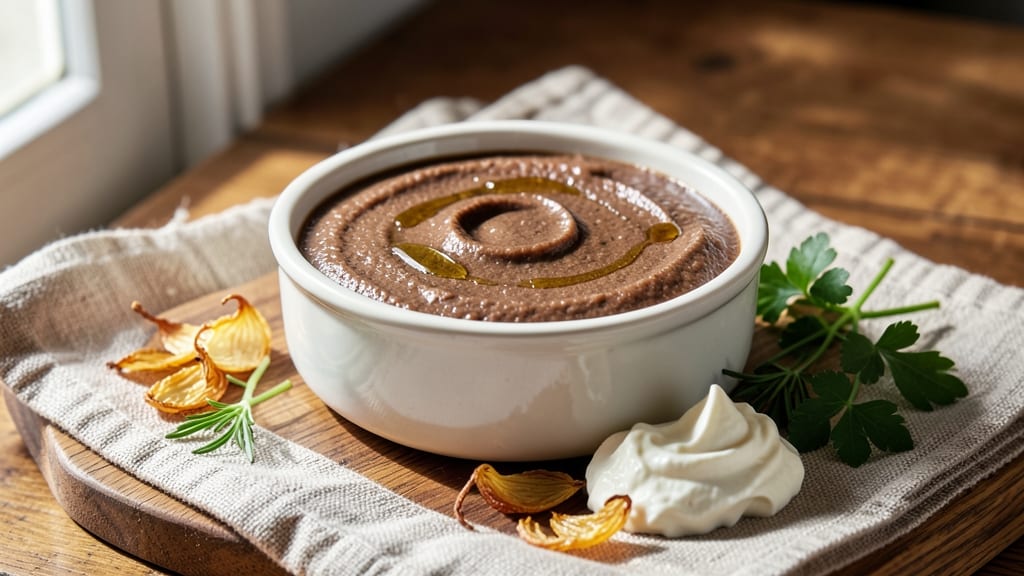
This chicken liver pâté recipe Jamie Oliver style delivers a velvety, herbaceous spread with a texture so perfectly smooth it’ll make you question why you ever bought store-bought versions.
The secret lies in rendering the fat slowly to create that signature luxurious consistency while balancing rich liver flavors with bright herbs and aromatic spices. I’ve refined this technique over years of testing—no grainy bits, no overwhelming richness, just a harmonious blend that’s both traditional and approachable.
The process begins with carefully searing the chicken livers to render their fat, which we’ll use to build the pâté’s foundation. From there, we’ll blend in fresh herbs, shallots, and a touch of cream for that signature Jamie Oliver silky finish.
Unlike some pâtés that require terrine molds, this version is designed to be spreadable immediately—ideal for serving with crusty bread or crackers at dinner parties or holiday gatherings. The key? Precision in cooking times and proper fat management to avoid breaking the emulsion.
What you’ll end up with is a pâté that’s rich yet refined, with a texture so smooth it melts on the tongue and flavors that shine without overpowering. The herbs infuse beautifully during the slow cooking process, creating layers of complexity that elevate this classic dish.
This isn’t just a spread—it’s a showstopper that transforms simple appetizers into something extraordinary. Let’s get started on creating your perfect pâté.
For those new to working with offal, I’ll walk you through every step—from safely handling the livers to achieving that restaurant-quality finish. We’ll cover both traditional baking methods and modern twists, like adding a hint of mustard or smoked paprika for depth.
The result? A pâté that’s as impressive as it is delicious, with a texture so silky it’ll have your guests asking for the recipe. Ready to master this timeless classic?
Ingredients for chicken liver pate recipe jamie oliver
Fresh livers, aromatic herbs, and a touch of cream create Jamie Oliver's signature silky pâté.
| Ingredient | Amount | Notes |
|---|---|---|
| Chicken Livers 🍗 | 1 ½ lb | Fresh, trimmed of connective tissue |
| Unsalted Butter 🧈 | ¾ cup | Cold, cubed for rendering fat |
| Shallots 🧅 | 4 whole | Finely minced, about 0.25 cup |
| Fresh Parsley 🌿 | ¼ cup | Stems removed, finely chopped |
| Fresh Tarragon 🌿 | 2 tbsp | Chopped, or substitute 1 tsp dried |
| Heavy Whipping Cream 🥛 | ½ cup | Full-fat for best texture |
| Dijon Mustard 🍯 | 1 tbsp | For subtle tang |
| Fresh Thyme 🌿 | 1 tbsp | Leaves only, finely chopped |
| Salt 🧂 | ½ tsp | Kosher or sea salt |
| Ground Black Pepper 🌶️ | ¼ tsp | Freshly ground preferred |
| Smoked Paprika 🌶️ | ¼ tsp | For subtle depth |
| Brandy 🍷 | 2 tbsp | Optional, for richness |
| Egg Yolks 🥚 | 2 whole | Fresh, for binding |
The livers are the star, so pick the freshest you can find—ask your butcher for the plumpest ones, not dried out. Whole Foods or local markets usually have the best quality. Trim any connective tissue and pat dry before cooking. The butter matters too—use European-style if you can, like Plugrá or Kerrygold, for that rich, creamy fat. Tarragon is key for that classic Jamie Oliver flavor—if you can't find fresh, dried tarragon works at one-third the amount. The shallots should be sweet, not bitter, so choose small, firm ones. I always double-check the herbs for wilting before buying—nothing ruins pâté like sad, limp leaves.
No brandy? Substitute with a splash of cognac or even apple juice—it’s all about balancing the richness. Running short on tarragon? Fresh basil or chervil can step in, though the flavor will shift slightly. The cream must be full-fat—half-and-half won’t give the same luxurious texture. For a vegetarian twist, swap the livers for mushrooms or lentils, but the texture will be different. If you’re nervous about handling raw livers, sear them first to kill any bacteria before rendering. The egg yolks bind everything together, so make sure they’re fresh and cold when you add them—room temperature yolks can break the emulsion.
This pâté keeps beautifully—3-4 days in the fridge, sealed tightly with plastic wrap pressed right onto the surface. For longer storage, freeze in small portions for up to 3 months. The texture actually improves after a day or two as the flavors meld. Serve it on crusty baguette slices or with cucumber rounds for a classic appetizer. I always make a double batch—half for immediate serving, half to freeze for future parties. Trust me, it’s worth the extra effort.
Why You'll Love This Recipe
- No Fuss, Big Payoff: I swear by this one—just sear the livers until they’re golden, then blend with butter and shallots until it’s silky. No fancy gadgets, no stress, just a knife and a food processor. Honestly, the hardest part is waiting for it to cool enough to spread.
- Herb-Packed Punch: That tarragon and parsley combo? It’s like sunshine in a jar. The butter keeps it rich but the herbs cut through it—bright, fresh, and just a little fancy without trying too hard. My husband steals bites straight from the bowl.
- Weeknight Hero: Spread it on crusty bread for a lazy dinner, dollop it on toast with a fried egg, or slather it on crackers when friends drop by. It’s my go-to when I don’t want to cook but still want to impress. (Yes, even on a Tuesday night.)
- Budget Luxury: Chicken livers are cheap, and this recipe stretches them far. A pound feeds four, and leftovers keep for days in the fridge. Between us? It’s the most expensive thing in the meal, but it feels like a five-star appetizer. Worth every penny.
Step-by-step instructions for silky herbal chicken liver spread
Here's how to transform rich chicken livers into a velvety, herb-forward spread with flawless texture.
Prepare and Sear the Chicken Livers
Pat the 1.5 lb chicken livers completely dry with paper towels—this prevents splattering when they hit the hot pan. Trim away any connective tissue or silverskin using a sharp knife. Cut any large livers in half for even cooking.
Heat a large skillet over medium-high heat and add 0.25 cup of the 0.75 cup unsalted butter. Once the butter foams, add the chicken livers in a single layer. Cook undisturbed for 2-3 minutes per side until they develop a deep golden-brown crust and reach an internal temperature of 145°F. Remove from the pan and set aside—they'll continue cooking slightly from residual heat.
Sauté Shallots and Herbs
In the same skillet (don't wipe it clean—those browned bits are flavor gold), melt the remaining 0.5 cup unsalted butter over medium heat. Add the 4 whole shallots that have been finely minced and cook for 5-6 minutes until soft and translucent, stirring occasionally.
Reduce heat to medium-low and add the 2 tbsp fresh tarragon, 1 tbsp fresh thyme, and 0.5 tsp salt. Cook for another 2 minutes until the herbs release their aromatic oils. Remove from heat and let cool slightly—this prevents scrambling when you add the egg yolks later.
Create the Binding Mixture
In a food processor or blender, combine the cooked chicken livers, shallot-herb mixture, 2 whole egg yolks, 0.5 cup heavy whipping cream, 1 tbsp Dijon mustard, 0.25 tsp ground black pepper, and 0.25 tsp smoked paprika. Process in batches if needed until completely smooth, scraping down the sides as necessary.
For extra richness, add the 2 tbsp brandy now and pulse to combine. The mixture should be silky but still hold its shape when piped. If it's too thick, add 1-2 tsp of the cooking juices from the skillet to loosen it to your desired consistency.
Finish and Chill for Perfect Texture
Transfer the mixture to a heatproof bowl and place it over a pot of simmering water (bain-marie), stirring constantly with a silicone spatula for 5-7 minutes until the temperature reaches 160°F. This gentle heating ensures the egg yolks cook thoroughly without curdling.
Remove from heat and stir in the 0.25 cup fresh parsley. Transfer to a clean bowl, cover with plastic wrap pressed directly onto the surface, and refrigerate for at least 4 hours or overnight. This chilling time develops the flavors and creates that signature velvety texture we're after.
Serve with Confidence
When ready to serve, give the pate a gentle stir to ensure even texture. It should be smooth, glossy, and hold its shape when spooned. Serve chilled with crusty bread, crackers, or as part of a charcuterie board. The perfect spread should be rich yet balanced, with bright herbal notes cutting through the liver's richness.
Pro tip: For an elegant presentation, pipe the pate into a ring mold and chill until set, then invert onto a plate for dramatic flair.
Pro Tips For Making Chicken Liver Pate Recipe Jamie Oliver
- Sear Livers Hard: Get that pan screaming hot—like, non-negotiable hot—before adding the livers. I used to rush this, and the pate turned out greasy instead of silky. A deep golden crust means you’ve locked in flavor, not just color.
- Trim Shallots Thin: Peel and slice those shallots paper-thin, then soak in ice water for 10 minutes. This stops them from turning bitter during the long cook, and the texture stays delicate. (Yes, it’s extra work, but the pate won’t taste like overcooked onions.)
- Strain the Fat: After searing, let the livers and shallots sit in the pan for 2 minutes—this renders fat without burning it. Pour the whole mess through a fine-mesh sieve, pressing with a spoon. The strained fat is your secret weapon for a smooth base.
- Chill Before Blending: Let the liver mixture cool to room temp before adding butter and herbs—no exceptions. Cold butter won’t melt into a greasy mess, and the parsley/tarragon stay vibrant. (I learned this after one disastrous, herby sludge.)
Best sauces and condiments for this recipe
Herb-Infused Mustard Sauce
This bright, tangy sauce elevates your pâté by cutting through its richness. Whisk together 2 tbsp Dijon mustard, 1 tbsp fresh lemon juice, 1 tbsp chopped tarragon, 1 tsp honey, and 2 tbsp olive oil.
Drizzle over the pâté just before serving—it adds a zesty contrast that makes every bite sing. For extra depth, add ½ tsp smoked paprika to the mix. 🌿
Spicy Harissa Twist
For heat lovers, blend 1 tbsp harissa paste (like El Fenn brand) with 2 tbsp crème fraîche and 1 tsp lemon zest. Spread a thin layer on crusty bread, then top with pâté.
The smoky, spicy kick pairs beautifully with the pâté’s herbal notes. Adjust the harissa amount based on your spice tolerance—start with ½ tbsp if you're sensitive. 🌶️
Classic Red Wine Reduction
A bold red wine reduction adds sophistication. Simmer ½ cup dry red wine (like Cabernet Sauvignon) with 1 tbsp shallots and 1 tsp brown sugar until reduced by half.
Strain and drizzle over pâté on warm toasted baguette slices. The wine’s acidity balances the liver’s richness while adding a touch of elegance. 🍷
Creamy Garlic Aioli
For a creamy, garlicky companion, blend ½ cup mayonnaise, 1 roasted garlic clove, 1 tsp lemon juice, and ½ tsp salt until smooth.
Spread a dollop on crackers or bread before adding pâté. The garlic’s sweetness complements the pâté’s herbal depth, while the creaminess adds a luxurious texture. 🧄
Fruit Chutney Pairing
Sweet-tart fruit chutneys brighten the pâté’s richness. Try a fig and walnut chutney (simmer ½ cup chopped figs, ¼ cup walnuts, 1 tbsp balsamic vinegar, and 1 tsp honey until thickened).
The caramelized figs and crunchy walnuts create a perfect contrast. Store-bought chutneys like Maille fig jam work in a pinch. 🍇
Smoked Paprika Crème Fraîche
Mix ¼ cup crème fraîche with ½ tsp smoked paprika, ½ tsp fresh dill, and a pinch of salt. Spread on toast or crackers before adding pâté. The smoky, tangy crème fraîche enhances the pâté’s herbal flavors while adding a creamy element that’s irresistibly smooth. 💫
Nutrition facts
Frequently asked questions
Why does Jamie Oliver's chicken liver pâté need to chill before serving?
The chilling step is crucial for developing the pâté's signature texture. When refrigerated for at least 4 hours, the fat solidifies slightly while the proteins set, creating that silky, spreadable consistency. This also allows the flavors to meld completely—skipping it can leave the pâté too soft or grainy. The cold temperature also helps preserve the fresh herbs' vibrant notes.
What's the best way to handle chicken livers safely?
Always wear gloves when handling raw livers and wash your hands immediately after. Pat them completely dry before cooking to prevent splattering. For extra safety, sear them first to kill any bacteria before rendering the fat. Store unused livers in an airtight container in the fridge for up to 2 days or freeze for 3 months. Never wash them under water—this spreads bacteria.
Can I make this pâté ahead of time?
This is one of the best make-ahead pâtés! Prepare it up to 3 days in advance and store in an airtight container in the fridge. The flavors actually improve with time. For longer storage, freeze in small portions for up to 3 months. Thaw overnight in the fridge—never at room temperature. The texture will be even smoother after resting.
What if my pâté turns out too thick or too thin?
Too thick? Add 1-2 tsp of the cooking juices from the skillet or a splash of warm cream while gently reheating. Too thin? Chill it longer to firm up, or add 1 tbsp of cold butter, mixing until smooth. For extra insurance, keep a small bowl of warm cream nearby during assembly—it's your texture troubleshooter. The key is patience during the chilling phase.
How can I make this pâté vegetarian?
Replace the livers with 1.5 lb finely chopped mushrooms (like cremini or shiitake) sautéed until dry, plus ½ cup cooked lentils for body. Use the same butter and herb mixture, but you may need an extra 1 tbsp of Dijon mustard to bind everything. The texture will be slightly different but still delicious—just expect it to be more earthy than rich.