
Side Dishes
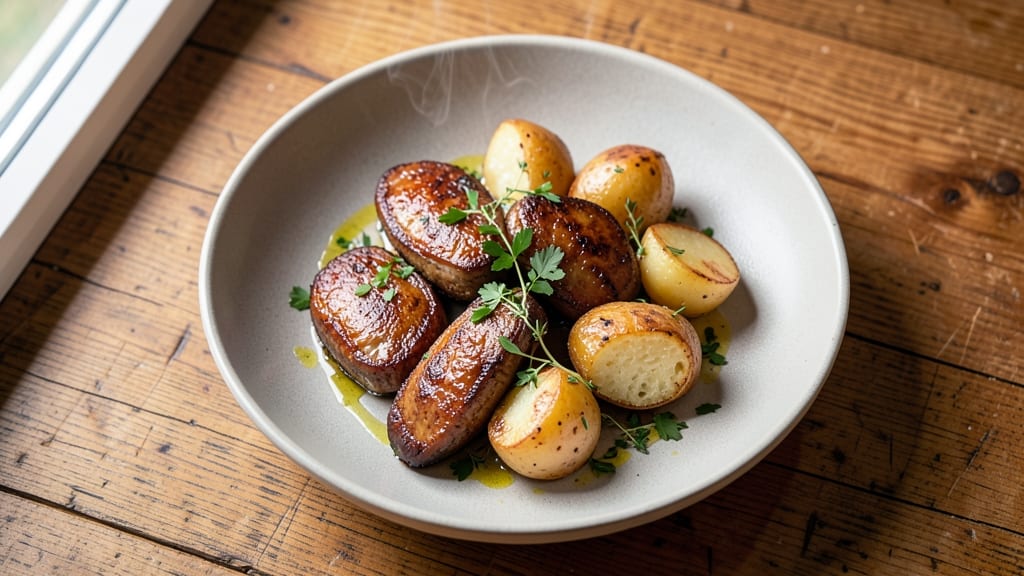
This chicken liver and potatoes recipe transforms a classic offal dish into a crispy, restaurant-worthy meal that even skeptics will love. Growing up in small-town Georgia, I learned that properly prepared liver—pan-seared until golden and paired with tender potatoes—becomes one of the most satisfying dishes on the table.
The secret lies in quick, high-heat cooking that creates that coveted crispy exterior while keeping the interior tender and rich.
Mastering chicken liver requires precision, but the results are worth every minute. We'll start by soaking the livers to remove any bitterness, then sear them in a hot pan until they develop that perfect crispy crust.
Meanwhile, the potatoes—whether boiled, roasted, or mashed—absorb the herbed butter we'll make to tie everything together. This method ensures the liver stays juicy while achieving that sought-after texture that makes it irresistible.
The herbed butter isn't just a finishing touch—it's the game-changer that elevates this dish from simple to extraordinary. A blend of fresh parsley, thyme, and garlic infuses every bite with bright, aromatic flavors that complement the liver's natural richness.
The potatoes, whether creamy mashed or crispy roasted, soak up the butter's essence, creating a harmonious plate that feels both rustic and refined.
Perfect for a weeknight dinner or a special occasion, this recipe proves that offal dishes can be just as impressive as any main course. The key is confidence in the cooking process—once you master the technique, you'll never buy store-bought liver again.
Let's get started on creating a dish that will have everyone asking for seconds.
Ingredients for chicken liver with potato
A pound of livers and two pounds of potatoes—simple ingredients for a dish that feels luxurious.
| Ingredient | Amount | Notes |
|---|---|---|
| Chicken Livers 🍗 | 1 lb | Fresh, trimmed of connective tissue |
| Russet Potatoes 🥔 | 2 lbs | Medium size, waxy preferred |
| Unsalted Butter 🧈 | ½ cup | Cold, cut into 1-inch cubes |
| Fresh Parsley 🌿 | ⅓ cup | Flat-leaf, finely chopped |
| Fresh Thyme 🌿 | 1 tbsp | Leaves only, finely chopped |
| Garlic Cloves 🧄 | 4 cloves | Minced, for herbed butter |
| Extra-Virgin Olive Oil 🫒 | 2 tbsp | For searing livers |
| Diamond Crystal Kosher Salt 🧂 | 1 ½ tsp | For soaking and seasoning |
| Black Peppercorns 🌶️ | ½ tsp | Freshly cracked |
| Lemon Juice 🍋 | 2 tbsp | Freshly squeezed |
| Cold Water 💧 | 1 cup | For soaking livers |
| Heavy Cream 🥛 | ¼ cup | Optional, for mashed potatoes |
The chicken livers are the star, so look for the freshest you can find—usually in the meat section, not the freezer aisle. Butcher shops often have the best quality, but the grocery store's fresh livers work too if you use them the same day. Trim any connective tissue or silver skin with kitchen scissors—it's bitter and chewy. The key is soaking them in cold water with lemon juice for 30 minutes to remove blood and bitterness. Don't skip this step, even if the package says they're pre-washed. For potatoes, Russets are ideal—their fluffy texture holds up to roasting or mashing. If you're making mashed potatoes, boil them whole with skins on for creamier results.
No fresh parsley? Dried works at half the amount, but it won't have the same bright punch. Short on thyme? Fresh rosemary at one-third the amount gives a similar earthy note. The herbed butter is where the magic happens—use cold butter so it melts beautifully over the livers. For the potatoes, if you're roasting them, cut into even 1-inch cubes so they cook uniformly. No heavy cream for the mash? Greek yogurt at half the amount adds tanginess without thinning the texture. And if you're nervous about the liver texture, pound it gently with a meat mallet before searing to even out thickness.
Livers keep best in the coldest part of your fridge, used within 2 days of purchase. The herbed butter can be made a day ahead and stored in an airtight container—just bring it to room temperature before using. Roasted potatoes stay crispy for 3 days in the fridge, while mashed potatoes are best used within 2 days. For leftovers, reheat gently in a skillet with a splash of water to restore moisture. This dish reheats beautifully, though the livers are best enjoyed fresh from the pan—trust me on that part.
Why You'll Love This Recipe
- One-Pan Magic: I swear by this recipe because it’s all in one skillet—no chopping boards, no extra pans, just the livers and potatoes sizzling together in butter until golden. The potatoes get crispy on the edges while the livers melt in your mouth, and honestly? That’s about as easy as it gets for a dish that feels fancy.
- Rich & Earthy: Between us, chicken livers have a reputation they don’t deserve. Sautéed in butter with thyme and parsley, they’re ridiculously good—deep, savory, and slightly sweet with a texture that’s tender but still holds its shape. Pair that with the buttery, fluffy potatoes, and you’ve got a flavor combo that’s both comforting and exciting.
- Weeknight or Weekend: This dish is my go-to when I need something hearty but don’t want to slave over it. Serve it with a simple green salad for a weeknight dinner, or double the batch and bring it to a picnic for a crowd-pleaser that’s light on effort. (Yes, even on a Tuesday night.)
- Budget-Friendly Luxury: Chicken livers are one of the best-kept secrets for stretching a meal without breaking the bank. A pound goes a long way, and the leftovers? Even better reheated the next day with a sprinkle of fresh parsley. It’s the kind of dish that makes you feel like you’re treating yourself—without the restaurant price tag.
Step-by-step instructions for chicken liver and potatoes
Here's how to transform tender chicken livers into crispy perfection paired with creamy potatoes.
Prepare the Chicken Livers for Perfect Texture
Start by trimming any connective tissue from the 1 lb chicken livers and pat them completely dry with paper towels. This step is crucial for achieving that crispy exterior we're after. Place the livers in a bowl and cover them with 1 cup cold water. Add 1.5 tsp diamond crystal kosher salt and 2 tbsp lemon juice, then let them soak for 30 minutes in the refrigerator. This soak removes any bitterness and keeps the livers moist during cooking.
After soaking, drain the livers and pat them dry again. Here's the thing—wet livers won't sear properly, so make sure they're bone dry before hitting the pan. Arrange them in a single layer on a plate and let them come to room temperature while you prepare the potatoes. Room-temperature livers cook more evenly and develop that beautiful crust we're aiming for.
Create the Herbed Butter and Roast the Potatoes
While the livers soak, make the herbed butter by combining 0.5 cup unsalted butter (cut into 1-inch cubes), 0.33 cup fresh parsley, 1 tbsp fresh thyme, and 4 minced garlic cloves in a bowl. Mix until the herbs are evenly distributed throughout the butter. This aromatic compound will elevate both the livers and potatoes.
Preheat your oven to 400°F. Cut the 2 lbs russet potatoes into 1-inch cubes and toss them in a large bowl with 2 tbsp extra-virgin olive oil and 0.5 tsp black peppercorns. Spread the potatoes on two rimmed baking sheets in a single layer (don't crowd them—this prevents steaming). Roast for 25 minutes, then flip the potatoes and roast for another 15-20 minutes until they're golden brown and tender when pierced with a fork. The potatoes should be crispy on the outside with fluffy interiors.
Sear the Chicken Livers to Crispy Perfection
Heat a large skillet over medium-high heat until it's very hot—you should see a slight shimmer when you add a drop of water. Add the 1 lb chicken livers in a single layer, being careful not to overcrowd the pan. Let them cook undisturbed for 2-3 minutes on each side until they develop a deep golden-brown crust. This is where the magic happens—the high heat creates that crispy exterior while keeping the insides tender.
Here's the moment that matters: when the livers release easily from the pan and reach an internal temperature of 145°F, they're done. Transfer them to a plate and tent loosely with foil to keep warm. Don't walk away during this step—overcooking turns livers tough and dry. If any livers release before they're fully browned, return them to the pan for another 30 seconds to finish cooking.
Finish with Herbed Butter and Serve Immediately
Remove the roasted potatoes from the oven and transfer them to a serving dish. Using a pastry brush or your fingers, distribute the herbed butter evenly over the hot potatoes. The residual heat will melt the butter and create a luscious, flavorful coating. Toss gently to coat all surfaces, then sprinkle with additional fresh parsley for freshness.
To serve, divide the crispy potatoes among plates and arrange the chicken livers alongside. For an extra touch, you can add a dollop of 0.25 cup heavy cream to the potatoes if you prefer a creamier texture. The contrast between the crispy livers and creamy potatoes makes this dish truly special. Serve immediately while everything is at its peak temperature and texture—this isn't a dish that waits well.
Pro Tips For Making Chicken Liver With Potato
- Sear Livers Fast: Hit the pan with high heat—no simmering, no fooling around. Chicken livers cook in 2-3 minutes max, and rushing the sear keeps them tender instead of rubbery. I learned this the hard way after serving a batch that tasted like overcooked meatloaf.
- Soak Livers First: Rinse them, then soak in cold water for 10-15 minutes to remove blood and bitterness. Pat dry afterward—wet livers splatter like crazy and won’t brown properly. (Yes, even if you’re impatient like me.)
- Cube Potatoes Evenly: Aim for 1-inch chunks—smaller pieces turn mushy, and giant ones stay undercooked. Toss them in cold water while prepping to keep edges sharp. My grandmother swore by this, and she was right: consistent size = consistent texture.
- Deglaze with Wine: After searing livers, splash in ¼ cup dry white wine (or broth) and scrape up the browned bits—this adds depth without extra effort. Skip this, and you’re missing the sauce’s soul. (Your future self will notice.)
Best sauces and condiments for this chicken liver with potato
Classic Herbed Butter
The star of this dish is the herbed butter—simple yet transformative. I blend ½ cup cold unsalted butter with ⅓ cup fresh parsley, 1 tbsp fresh thyme, and 4 minced garlic cloves until the herbs are evenly distributed.
The cold butter creates a luxurious, melt-in-your-mouth coating that clings to both the crispy livers and potatoes. For extra richness, I sometimes add ½ tsp lemon zest to brighten the flavors. 🧈
Creamy Garlic Sauce
For a more decadent touch, I make a quick garlic sauce by melting 2 tbsp butter in a pan, adding 2 minced garlic cloves, and deglazing with ¼ cup dry white wine. Stir in ¼ cup heavy cream and reduce until slightly thickened.
This sauce pairs beautifully with the livers and adds a silky contrast to the crispy potatoes. It’s especially good if you’re serving this dish to guests who prefer a smoother texture.
Spicy Harissa Glaze
If you love heat, a harissa glaze takes this dish to another level. Simmer 2 tbsp harissa paste (like Penzeys brand) with 1 tbsp honey and 1 tbsp olive oil until smooth.
Drizzle this over the livers just before serving—it adds a smoky, spicy kick that balances the richness. I recommend using it sparingly at first, as harissa can be intense. 🌶️
Red Wine Reduction
A classic red wine reduction elevates the dish with depth and acidity. Deglaze the pan after searing the livers with ½ cup dry red wine, reduce by half, then whisk in 1 tbsp butter to create a glossy sauce.
This works especially well if you’re serving the livers over mashed potatoes, as the sauce ties everything together beautifully. A Cabernet Sauvignon or Pinot Noir works best for this purpose.
Mustard Cream Sauce
For a tangy twist, blend ¼ cup sour cream with 1 tbsp Dijon mustard, 1 tsp lemon juice, and a pinch of salt. This sauce adds a bright, slightly sharp contrast to the rich livers and creamy potatoes.
I often drizzle it over the top of the dish just before serving. It’s a crowd-pleaser, especially if you’re serving this as a brunch dish.
Olive Oil and Lemon
Sometimes, the simplest approach is the best. A drizzle of extra-virgin olive oil and a squeeze of fresh lemon juice over the finished dish adds brightness and freshness. This is my go-to when I want to keep the flavors clean and let the natural taste of the livers shine.
It’s also a great option if you’re serving this dish with a side salad or crusty bread. 🍋
Nutrition facts
Frequently asked questions
Why do I need to soak the chicken livers before cooking?
Soaking removes blood and bitterness that can make the livers taste unpleasant. The 30-minute soak in cold water with lemon juice and salt also helps tenderize them, ensuring they stay moist during the quick sear. Skipping this step risks a tough, bitter texture that even crispy skin can't fix.
What's the best way to store leftover chicken livers and potatoes?
Store livers in an airtight container in the fridge for up to 2 days, and potatoes for 3 days. For longer storage, freeze livers (up to 3 months) wrapped tightly in plastic. When reheating, warm gently in a skillet with a splash of water to restore moisture—microwaving makes them rubbery.
Can I substitute another type of potato for this recipe?
Russets are ideal for their fluffy texture, but Yukon Golds work well too for creamier results. Avoid waxy potatoes like reds—they'll stay too firm. For roasted potatoes, cut all varieties into even 1-inch cubes to ensure consistent cooking. The key is crispy edges with tender centers, regardless of type.
How do I know when the chicken livers are fully cooked?
They're done when they reach an internal temperature of 145°F and release easily from the pan with a golden-brown crust. Overcooking by even 30 seconds turns them tough—use a meat thermometer for precision. The livers should be slightly pink inside, not gray.
What can I do if my chicken livers turn out too bitter?
Bitterness usually means they weren't soaked long enough or weren't fresh. Next time, soak for 45 minutes and use only the freshest livers. For immediate fixes, serve with extra lemon juice or a tangy sauce like mustard cream to balance flavors. If the bitterness persists, try a different cut like calf's liver instead.