
Side Dishes
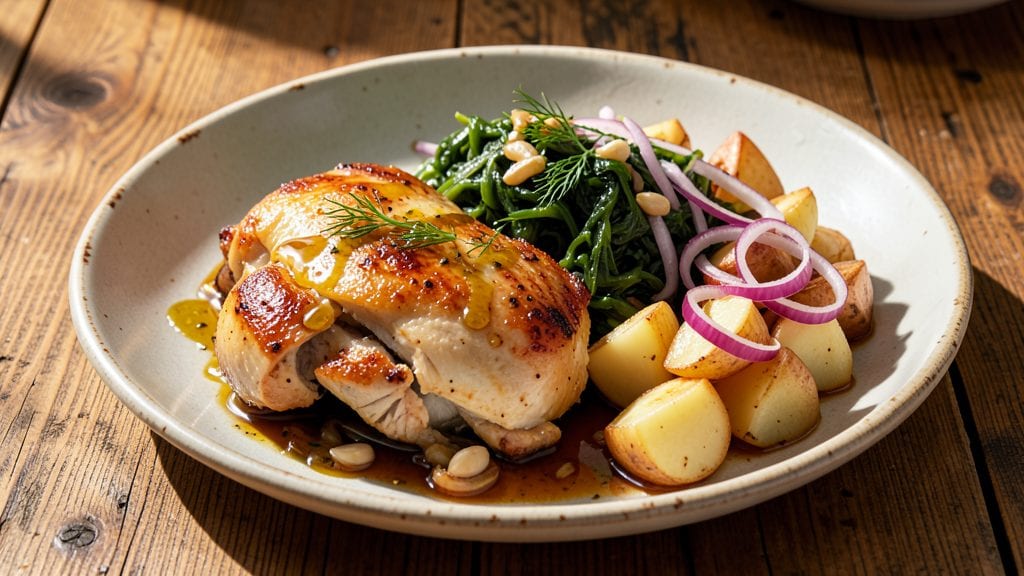
This chicken, sauerkraut, and potatoes recipe delivers the kind of hearty, one-skillet comfort that feels like a hug from your nonna’s kitchen. Growing up in small-town Georgia, I learned how simple ingredients—crispy chicken, tangy sauerkraut, and tender potatoes—could create a meal that fed a crowd and warmed the soul.
The secret lies in balancing textures: golden-brown chicken, caramelized potatoes, and fermented sauerkraut that adds just the right tang.
What makes this dish special is its foolproof technique—no fancy equipment, just a heavy skillet and 30 minutes of hands-on time. Start by searing chicken thighs until crispy, then add sauerkraut to mellow its sharpness while it cooks down.
Potatoes go in last to soak up all that flavor, emerging tender with slightly crispy edges. The result? A dish that’s rich, satisfying, and packed with layers of flavor without being heavy.
The magic happens when the chicken releases its juices into the skillet, creating a natural sauce that coats everything. The potatoes absorb the smoky, savory notes from the chicken while staying tender-crisp, and the sauerkraut cuts through the richness with its bright acidity.
This is the kind of meal that disappears fast—perfect for weeknight dinners or a rustic Sunday supper.
Serve it with a sprinkle of fresh dill or a dollop of sour cream to balance the tang, and you’ve got a complete dish that’s as impressive as it is easy. Let’s get cooking—your taste buds will thank you.
Ingredients for chicken sauerkraut potato
Simple, hearty ingredients that come together in one skillet for crispy comfort food.
| Ingredient | Amount | Notes |
|---|---|---|
| Chicken Thighs 🍗 | 1 ½ lb | Bone-in, skin-on preferred |
| Sauerkraut 🥬 | 2 cups | Unopened, drained if watery |
| Russet Potatoes 🥔 | 2 lb | Cut into 1-inch chunks |
| Onion 🧅 | 1 whole | Yellow or red, sliced |
| Garlic Cloves 🧄 | 4 cloves | Minced, fresh preferred |
| Olive Oil 🫒 | ¼ cup | For searing chicken |
| Butter 🧈 | 2 tbsp | Unsalted, for richness |
| Apple Cider Vinegar 🍎 | 1 tbsp | Balances sauerkraut tang |
| Dried Thyme 🌿 | 1 tsp | Or 1 tbsp fresh thyme |
| Salt 🧂 | 1 ½ tsp | Kosher or sea salt |
| Black Pepper 🌶️ | ½ tsp | Freshly ground preferred |
| Fresh Dill 🌿 | ¼ cup | Chopped, for garnish |
| Sour Cream 🥛 | ¼ cup | Full-fat for creaminess |
The chicken thighs are the star here—bone-in, skin-on gives you that crispy, golden crust you can't get with breasts. Trader Joe's or Costco usually have the best prices for bulk packs, but any grocery store's butcher section works. Look for thighs with a good layer of fat—it renders down and keeps everything juicy. If you can't find bone-in, skin-on, boneless thighs with skin on still work, but they'll cook faster. The potatoes? Russets are your best bet—they hold up to the long cook time without turning to mush. Cut them into even chunks so they cook at the same rate.
No sauerkraut? Store-bought coleslaw mix works in a pinch, but it won't have the same tang. The vinegar helps balance the acidity—apple cider vinegar is best, but white vinegar does the job. Fresh dill is ideal, but dried dill at one-third the amount works if that's what you've got. Short on butter? Olive oil works fine, just don't skip the fat—it's what makes everything crispy. The thyme can be swapped for rosemary if you're feeling fancy, but stick with it for that classic flavor. And if you're out of sour cream, Greek yogurt or crème fraîche are great substitutes—just add a pinch of salt.
This dish reheats beautifully—honestly tastes better the next day once everything melds. Keeps for 4-5 days in the fridge, and freezes for 3 months if you portion it out. I like to make a double batch and freeze half for lazy weeknights. The leftovers are even better cold, perfect for packed lunches. Store the sour cream separately if you're prepping ahead—it'll keep the dish from getting soggy.
Why You'll Love This Recipe
- One-Pan Magic: I swear by this—just toss everything on one sheet pan, roast, and walk away. No pots, no pans, no stress. The potatoes caramelize right next to the crispy chicken, and the sauerkraut soaks up all the juices like a flavor sponge.
- Tangy Crunch Factor: That sauerkraut isn’t just a side—it’s the star. The sharp, funky bite cuts through the richness of the chicken, while the garlic and onions deepen into something almost smoky. Honestly, I’ll take this over bland weeknight dinners any day.
- Leftovers for Days: This dish actually improves the next day. The potatoes get even softer, the chicken stays juicy, and the sauerkraut mellows into something almost sweet. Pack it for lunches or reheat it for dinner—either way, it’s a win.
- Budget Powerhouse: Russet potatoes and chicken thighs are cheap, and sauerkraut lasts forever. I’ve fed four people for under $15 with this, and no one ever complains. Between us, it’s my go-to when I’m trying to stretch groceries without sacrificing taste.
Step-by-step instructions for chicken, sauerkraut, and potatoes
Here's how to create crispy, golden chicken thighs with tender potatoes and tangy sauerkraut in one skillet.
Par-Cook the Potatoes for Perfect Texture
In a medium pot, cover the 2 pounds of russet potatoes (cut into 1-inch chunks) with cold water by about 1 inch. Add 1.5 teaspoons of salt and bring to a boil over medium-high heat. Once boiling, reduce heat to medium and simmer for 8-10 minutes until the potatoes are fork-tender but still hold their shape when pierced.
Drain the potatoes immediately and set them aside. This partial cooking ensures they'll finish perfectly in the skillet without turning mushy. If they're fully cooked now, they'll break apart when you try to crisp them later. The goal is tender but still firm potatoes that can develop that beautiful crust.
Sear the Chicken Thighs Until Crispy
Heat a large, heavy skillet (like cast iron) over medium-high heat until very hot. Add ¼ cup of olive oil and let it shimmer for about 1 minute. Place the 1.5 pounds of chicken thighs, skin-side down, in the skillet without crowding. Press down gently on each thigh with a spatula for 10 seconds to ensure good contact with the pan.
Cook undisturbed for 5-6 minutes until the skin is deep golden brown and crispy, and the chicken releases easily from the pan. Flip the thighs and cook for another 4-5 minutes on the second side until they reach an internal temperature of 165°F. Remove the chicken to a plate and tent loosely with foil to keep warm. Don't skip this resting step—it helps retain juices.
Build Flavor with Onions, Garlic, and Sauerkraut
In the same skillet (no need to wipe it clean—those browned bits are flavor gold), add the 1 whole onion (sliced) and cook over medium heat for 5-6 minutes until softened and golden. Stir in the 4 cloves of minced garlic and cook for 30 seconds until fragrant. Add the 2 cups of sauerkraut, breaking up any large chunks with a spoon.
Pour in the 1 tablespoon of apple cider vinegar and sprinkle with 1 teaspoon of dried thyme and ½ teaspoon of black pepper. Stir everything together and cook for 3-4 minutes until the sauerkraut softens slightly and the flavors meld. This step balances the tang of the sauerkraut and adds depth to the dish. If the mixture looks dry, add 1-2 tablespoons of water to keep it moist.
Combine Everything and Finish Cooking
Return the chicken thighs to the skillet, skin-side up. Add the par-cooked potatoes, spreading them evenly around the chicken. Pour in 2 tablespoons of butter, and stir gently to coat everything. Cover the skillet and reduce heat to medium-low. Cook for 10-12 minutes, stirring occasionally, until the potatoes are golden brown and crispy in spots, and the chicken is heated through.
Uncover the skillet and cook for another 2-3 minutes to let any remaining liquid evaporate and the flavors concentrate. The potatoes should be tender but still hold their shape, with crispy edges. If the mixture seems too dry, add 1-2 tablespoons of water and cover to steam for 1-2 minutes until everything is evenly moist.
Garnish and Serve with Fresh Dill
Remove the skillet from heat and stir in the ¼ cup of fresh dill and the ¼ cup of sour cream. Toss gently to distribute the dill and sour cream evenly throughout the dish. The fresh dill adds a bright, herbal note that cuts through the richness of the chicken and butter, while the sour cream adds a creamy finish.
Taste and adjust seasoning with additional salt or black pepper if needed. Serve immediately while the chicken is crispy and the potatoes are hot. This dish tastes even better the next day, but the crispy chicken skin is best enjoyed fresh. Pair with crusty bread to soak up any extra sauce.
Pro Tips For Making Chicken Sauerkraut Potato
- CRISP THE POTATOES FIRST: Par-cook the Russets in boiling salted water for 8-10 minutes until they’re fork-tender but still hold shape—not mushy. Then, rough them up with a fork and toss them in a cold pan with 1 tablespoon butter and a pinch of salt until golden. I learned this the hard way after serving dinner with sad, limp potatoes that dissolved into the juices.
- DRAIN AND RINSE THE SAUERKRAUT: Dump the sauerkraut into a colander and rinse it well under cold water—this cuts the vinegar tang that can overpower the dish. Pat it dry with paper towels afterward, or it’ll steam instead of caramelize. (Yes, even if you’re impatient like me, this step makes a real difference.)
- BROWN THE CHICKEN IN BATCHES: Don’t crowd the pan—work in two batches if needed. Searing the thighs skin-side down at medium-high heat until deep golden (5-6 minutes) builds flavor that simmering alone can’t match. I skip this when I’m lazy, but the dish is noticeably better when I don’t.
- SAVE THE CHICKEN JUICES: After removing the chicken, leave the pan juices in—they’re liquid gold. Deglaze with 2 tablespoons of white wine (or apple cider vinegar in a pinch) and scrape up every last bit. This adds depth that dry sauerkraut can’t provide. (Your future self will thank you.)
Troubleshooting this recipe
Potatoes Too Dry?
If your potatoes end up dry or crumbly, you likely overcooked them during the par-boiling step. Always aim for 8-10 minutes in boiling water—they should be fork-tender but still hold their shape. For extra insurance, reduce the par-cook time to 6-7 minutes if your potatoes are small.
The key is tender but firm potatoes that can crisp up in the skillet without falling apart. 🥔
Sauerkraut Too Tangy?
The sharpness of sauerkraut can overwhelm the dish if not balanced. To mellow it, add 1 extra tablespoon of apple cider vinegar when cooking it with onions and garlic—this helps neutralize the acidity. Alternatively, stir in 1 teaspoon of honey or brown sugar to sweeten the tang.
I’ve also found that adding ½ cup of chicken broth instead of water when cooking the sauerkraut softens its bite while keeping the dish moist.
Chicken Skin Not Crispy?
Crispy skin is all about patience and heat control. Make sure your skillet is smoking hot before adding the chicken, and resist the urge to flip it too soon. Press down gently with a spatula for 10 seconds after placing the thighs in the pan to ensure full contact.
If your skin isn’t crisping, try increasing the heat to medium-high and sear for an extra 1-2 minutes per side. A Lodge cast iron skillet retains heat better than nonstick, so it’s my go-to for this dish. 🔥
Skillet Too Crowded?
Overcrowding the skillet causes steam instead of crispiness. Cook the chicken in two batches if needed, and avoid adding all the potatoes at once. Start with half the potatoes for 5 minutes to crisp them up, then add the rest and the chicken together.
This ensures everything gets that golden crust rather than steaming in its own juices. I’ve made this mistake too—trust me, your taste buds will notice the difference. ⚡
Flavor Too Mild?
If your dish lacks depth, boost the umami with a ½ teaspoon of smoked paprika or 1 teaspoon of Worcestershire sauce when cooking the sauerkraut. For extra richness, add 1 tablespoon of chicken fat or bacon drippings to the skillet when searing the chicken.
A pinch of ground juniper berries (common in German cuisine) adds a unique earthy note that pairs beautifully with sauerkraut. Don’t be afraid to taste as you go—seasoning is your secret weapon. 💡
Leftovers Too Soggy?
Reheating this dish can turn it mushy if not done carefully. The best method is to spread leftovers on a baking sheet and reheat in a 350°F oven for 10-12 minutes until warmed through.
For stovetop reheating, use low heat and add 1-2 tablespoons of water or broth to keep everything moist. Avoid microwaving—it’ll turn the potatoes into glue. I like to reheat portions in the oven while crisping up fresh bread for dipping. 🍞
Nutrition facts
Frequently asked questions
Can I use chicken breasts instead of thighs?
While you can substitute chicken breasts, thighs are ideal for this dish because they stay juicy and develop crispy skin. If using breasts, cut them into 1-inch pieces and cook for only 4-5 minutes per side to avoid drying out. They won’t be as crispy as thighs, but they’ll still work in a pinch. For best results, brine the breasts for 30 minutes first to keep them moist.
How do I make this dish without sauerkraut?
If you don’t have sauerkraut, try store-bought coleslaw mix (drained) or even cabbage and carrot slaw for a similar texture. For extra tang, add 1 tablespoon of lemon juice or vinegar to the skillet when cooking. Another option is fermented green beans or kimchi for a different but still flavorful twist. The key is balancing the acidity with a splash of vinegar or broth.
Can I cook this in the oven instead of a skillet?
Preheat your oven to 400°F and follow the same steps, but transfer everything to a baking sheet after searing the chicken. Roast for 20-25 minutes until the potatoes are tender and the chicken reaches 165°F. For extra crispiness, broil for the last 2 minutes. The oven method is great for larger batches or if you prefer hands-off cooking. Just stir everything together halfway through for even browning.
Why does my sauerkraut taste too sharp?
The tanginess of sauerkraut can be overwhelming if not balanced. To mellow it, add 1 extra tablespoon of apple cider vinegar when cooking it with onions and garlic—this helps neutralize the acidity. Alternatively, stir in 1 teaspoon of honey or brown sugar to sweeten the bite. Another trick is to simmer the sauerkraut with ½ cup of chicken broth instead of water to soften its sharpness while keeping the dish moist.
Is this dish kid-friendly?
Yes, but with a few adjustments! Kids might find the sauerkraut too tangy, so set it aside and serve it on the side. Use boneless, skinless chicken breasts for easier eating, and cut the potatoes into smaller, bite-sized pieces. A drizzle of sour cream or mild yogurt can also help balance flavors. Serve with buttered noodles or crusty bread to make it more appealing for picky eaters.