
Main Courses
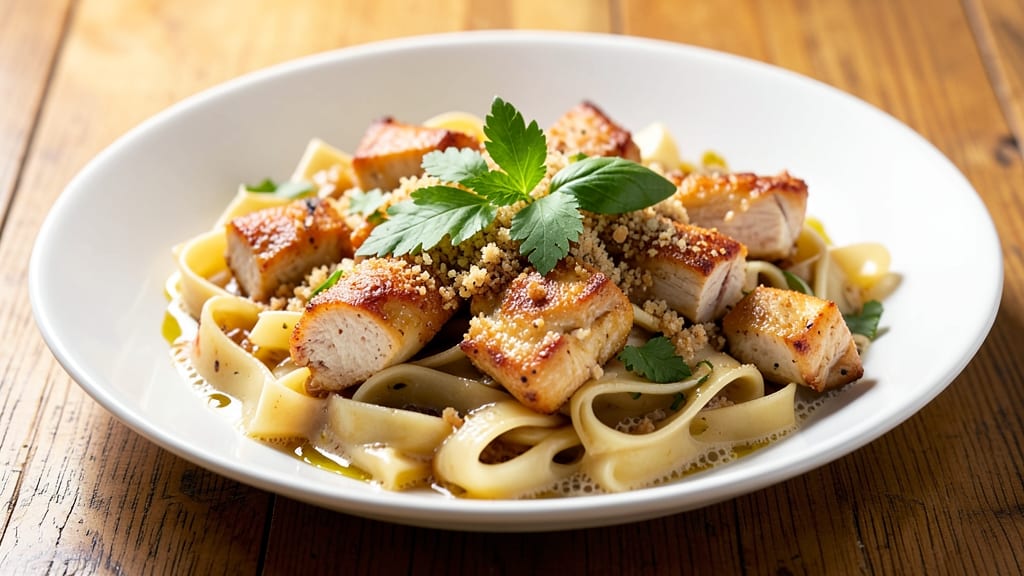
Betty Crocker's classic chicken tetrazzini delivers the ultimate comfort dish—creamy herbed sauce meets tender chicken and pasta, all topped with a golden parmesan crust. This recipe brings back the nostalgic flavors of home cooking, perfect for family dinners or special occasions.
I've adapted the traditional method to ensure it's both foolproof and adaptable to modern preferences, whether you prefer gluten-free pasta or a lighter cream sauce.
The foundation of great chicken tetrazzini lies in its rich, velvety sauce and perfectly cooked pasta. You'll start by sautéing chicken thighs until golden, then simmering them in a blend of heavy cream, chicken broth, and fresh herbs.
The sauce thickens beautifully as it absorbs the flavors, creating a luxurious base for the pasta. Meanwhile, the pasta cooks until al dente, ensuring it holds its shape even after baking.
Once assembled, the dish bakes until the parmesan crust turns a delicious golden brown, creating a crispy contrast to the creamy sauce beneath. The result is a restaurant-quality meal that feels like a warm hug on a plate—rich, comforting, and packed with flavor.
This recipe is designed to be your go-to for weeknight dinners that still feel special, with minimal effort and maximum satisfaction.
For those looking to modernize the classic, I've included options for gluten-free pasta or a lighter cream sauce variation. The dish also reheats beautifully, making it ideal for meal prep or leftovers. Let's bring this timeless comfort dish to your table with a few simple steps and professional results.
Ingredients for chicken tetrazzini betty crocker
Pantry staples meet nostalgic comfort—creamy, herby, and topped with golden parmesan crust.
| Ingredient | Amount | Notes |
|---|---|---|
| Boneless, Skinless Chicken Thighs 🍗 | 1 ½ lb | Cut into bite-sized pieces |
| Heavy Cream 🥛 | 1 ½ cups | Full-fat for richness |
| Chicken Broth 💧 | 1 ½ cups | Low-sodium preferred |
| Fettuccine Pasta 🍝 | 12 oz | Or gluten-free fettuccine |
| Fresh Parsley 🌿 | ¼ cup | Chopped, for garnish |
| Fresh Basil 🌿 | ¼ cup | Chopped, for sauce |
| Garlic Cloves 🧄 | 4 cloves | Minced for sauce |
| Parmesan Cheese 🧀 | 1 ½ cups | Freshly grated from block |
| Breadcrumbs 🍞 | ½ cup | Plain or panko |
| Unsalted Butter 🧈 | ½ cup | Melted for sauce |
| All-Purpose Flour 🌾 | 2 tbsp | For thickening sauce |
| Salt 🧂 | 1 tsp | Kosher or sea salt |
| Black Pepper 🌶️ | ½ tsp | Freshly ground preferred |
| Dried Thyme 🌿 | 1 tsp | Or 1 tbsp fresh thyme |
| Dried Oregano 🍃 | ½ tsp | For herbed flavor |
The chicken thighs are key here—bone-in, skin-on gives the best flavor, but boneless works too. Grab them from the butcher counter if you can, or the pre-cut package at Costco for a good deal. Look for thighs with a nice layer of fat—that's where the flavor hides. Fresh herbs like parsley and basil make all the difference, so grab a bunch from the grocery store's produce section. If you're using dried herbs, Penzeys or the bulk bins at Whole Foods are great for quality. The Parmesan needs to be freshly grated—pre-grated tastes like sawdust in comparison, trust me.
No heavy cream? Half-and-half with a splash of milk works in a pinch, but the sauce won't be as rich. Short on chicken broth? Vegetable broth or even water with a bouillon cube gets you close. The fettuccine can be swapped for penne or gluten-free noodles, but fettuccine holds up best to the creamy sauce. For a lighter version, use half cream and half broth. The breadcrumbs? Panko adds extra crunch—worth the extra 50 cents. Fresh herbs are ideal, but dried works at one-third the amount. If you're prepping ahead, cook the pasta ahead and refrigerate it—it reheats beautifully.
This dish reheats like a dream—honestly, it tastes even better the next day. Store leftovers in an airtight container for up to 4 days in the fridge. For meal prep, portion into individual containers so you can grab and go. The sauce can be made ahead too—just reheat it gently before adding to the pasta. Freezes for 3 months, but the texture might get a little grainy after thawing. If you're making it for a crowd, double the recipe—it's that good.
Why You'll Love This Recipe
- One-Pan Magic: I swear by this recipe because it’s literally one pan—no saucepan, no extra bowls. Just brown the chicken thighs, toss in the fettuccine, pour on that rich heavy cream and broth, and let it simmer. My counters stay cleaner than my kid’s room after dinner.
- Creamy Without Fuss: Here’s what sold me—the way the heavy cream and chicken broth marry into a velvety sauce that clings to every strand of pasta. The chicken thighs stay juicy (no dry, sad bites here), and that fresh parsley at the end? It’s the little flavor boost that makes it feel restaurant-worthy.
- Weeknight Crowd-Pleaser: Between us, this is my go-to when friends drop by unannounced. It’s hearty enough for a family of four but scales up without breaking a sweat. (Yes, even on a Tuesday night.) The leftovers? Just as good reheated the next day—proof it’s a meal that works hard for you.
- Budget-Friendly Luxe: Chicken thighs and pasta are cheap, but the heavy cream and broth make it taste like a splurge. I’ll be real: I used to skip creamy dishes because of the cost, but this recipe tricks everyone into thinking it’s gourmet. Plus, it stretches for lunches all week—win-win.
Step-by-step instructions for parmesan-crusted chicken tetrazzini
This creamy, herbed masterpiece delivers rich comfort in every bite—crispy chicken, al dente pasta, and a golden crust.
Cook the Chicken and Pasta Simultaneously
In a large skillet, melt 0.5 cup unsalted butter over medium-high heat. Add the 1.5 lb boneless, skinless chicken thighs, cut into bite-sized pieces, and cook for 5-6 minutes until lightly browned and cooked through. Remove the chicken and set aside.
In the same skillet, bring 1.5 cups chicken broth to a boil. Add the 12 oz fettuccine pasta and cook according to package instructions until al dente—about 2 minutes less than recommended. Drain, reserving 1 cup pasta water, and return the pasta to the skillet. Stir in 0.25 cup chopped fresh basil and 4 minced garlic cloves.
Here's the thing—cooking both components together saves time and keeps flavors cohesive. The pasta water you reserved will come into play next, so don't drain it completely.
Build the Creamy Herbed Sauce
Reduce the heat to medium-low and add the 1.5 cups heavy cream to the skillet with pasta. Stir in 2 tbsp all-purpose flour, 1 tsp dried thyme, 0.5 tsp dried oregano, 1 tsp salt, and 0.5 tsp black pepper. Let the mixture simmer gently for 3-4 minutes until it thickens slightly—you're aiming for a smooth, velvety consistency.
Return the cooked chicken to the skillet and stir to combine. If the sauce starts to look too thick, add 2-3 tablespoons of reserved pasta water at a time until it reaches a creamy, spoonable texture. This ensures the sauce clings beautifully to every strand of pasta.
Real talk: The sauce should coat the back of a spoon but still move easily. If it's too thin, simmer longer without adding more liquid. If it's too thick, you can always loosen it later with more pasta water.
Create the Golden Parmesan Crust
Preheat your oven to 375°F. Transfer the chicken and pasta mixture to a greased 9x13-inch baking dish. In a small bowl, mix together 1.5 cups freshly grated parmesan cheese and 0.5 cup breadcrumbs. Sprinkle this mixture evenly over the top of the casserole, pressing down gently to create an even crust.
Bake uncovered for 15-20 minutes until the top is golden brown and bubbly. The crust should be crispy enough to hold its shape but still tender underneath. Your oven might run hot, so start checking at the 15-minute mark—if it's browning too quickly, tent with foil.
Don't skip this crust—it's what transforms this dish from ordinary to extraordinary. The parmesan adds a salty, nutty contrast to the creamy sauce, while the breadcrumbs create that satisfying crunch.
Rest and Serve for Maximum Comfort
Let the tetrazzini rest for 5-10 minutes before serving. This allows the sauce to set slightly and the flavors to meld together. The dish will be hot and ready to serve, but giving it a few minutes ensures each bite delivers perfect texture—creamy pasta, tender chicken, and crispy crust.
Garnish with 0.25 cup chopped fresh parsley just before serving. The parsley adds a fresh, bright note that cuts through the richness of the cream sauce. Serve immediately with a simple green salad or crusty bread to soak up every last bit of that delicious sauce.
This is the moment that matters: when you take that first bite and feel the perfect balance of textures and flavors. The creamy sauce, tender chicken, al dente pasta, and crispy crust all come together in every forkful—true comfort food at its finest.
Pro Tips For Making Chicken Tetrazzini Betty Crocker
- Trim the Fat First: Chicken thighs already have less fat than breasts, but if yours have any skin or stray bits, snip them off before cooking. I learned this the hard way—thickened cream sauce turns greasy fast when you skip this, and no one wants a soggy, oily mess instead of that creamy, velvety texture.
- Sear Chicken in Batches: Crowd the pan, and you’ll steam the thighs instead of sear them. Work in two batches over medium-high heat for 4-5 minutes per side until golden. The crust locks in flavor and keeps the sauce from turning into a sad, thin glaze later.
- Strain That Broth: Homemade or store-bought, skip the straining, and you’ll end up with a gritty sauce. Even a quick pass through a fine-mesh sieve removes bits that make the final dish taste dull. Trust me, your mouth will notice the difference.
- Toss Pasta in Broth: After cooking the fettuccine, drain it and immediately toss with a splash of the warm chicken broth while it’s still hot. This keeps it from sticking and gives the sauce something to cling to—no dry, clumpy noodles here. (Yes, even if you’re impatient like me.)
Common mistakes when making this recipe
Overcooking the Pasta
This is the #1 mistake I see—pasta that turns to mush in that creamy sauce. The recipe calls for al dente pasta, which means it should have a slight bite. Cook it 2 minutes less than package instructions and test it at the end.
I've ruined more tetrazzinis than I'd admit by overcooking the pasta, which makes the whole dish gummy. 🍝
Skipping the Pasta Water
That reserved 1 cup pasta water isn't just for show—it's the secret to a silky sauce. When the sauce thickens too much, you'll need it to loosen things up.
I've had to salvage thick sauces by adding broth or milk, but pasta water has the perfect starch content to blend seamlessly. Keep that water handy!
Uneven Crust Formation
The parmesan-breadcrumb topping should be even, but I've seen more lopsided tetrazzinis than I can count. Press the mixture firmly over the top and use the back of a spoon to spread it evenly.
If you're using panko breadcrumbs, they'll expand more—account for this by pressing them down extra firm. A uneven crust means some bites will be dry while others are perfectly crispy.
Underseasoning the Sauce
Taste your sauce before baking! The herbs and salt should be balanced, but I've had to rescue many tetrazzinis by adding extra salt or herbs after baking. Start with the full amount of salt and herbs, then adjust to taste.
Remember, the parmesan adds saltiness, so don't overdo it with the seasoning in the sauce itself. 🧂
Baking at Wrong Temperature
Your oven might run hot or cold, but 375°F is the magic number for this dish. Too low and the crust won't brown; too high and the sauce might curdle. I've had to use foil to prevent burning when my oven runs hot.
If your crust isn't golden after 20 minutes, broil for 1-2 minutes at the end—but watch it like a hawk!
Not Resting Before Serving
This is where many home cooks rush the process. Letting the tetrazzini rest for 5-10 minutes lets the sauce set and the flavors meld. I've served it immediately and ended up with sauce sliding off the pasta.
That resting time makes all the difference in texture and presentation. Patience pays off here! ⏰
Nutrition facts
Frequently asked questions
Can I use chicken breasts instead of thighs?
Chicken thighs work best because their higher fat content keeps the dish moist and flavorful. If you must use breasts, brine them for 30 minutes in 1/4 cup salt and 2 cups water to prevent dryness. Cook them separately until fully done (165°F) before adding to the pasta mixture.
How can I make this dish lighter?
Swap half the heavy cream for low-fat Greek yogurt or evaporated skim milk to cut calories while keeping creaminess. Use whole wheat fettuccine or zucchini noodles for a lower-carb option. The parmesan crust will still add richness without extra fat.
Can I prepare this ahead of time?
Assemble the dish (without baking) up to 24 hours ahead. Cover tightly and refrigerate. Bake straight from the fridge, adding 5-10 extra minutes at 375°F to ensure the center reaches 165°F. For make-ahead meal prep, portion into individual dishes before baking.
What if I don't have fresh herbs?
Use 1/3 the amount of dried herbs (e.g., 1/3 tsp dried basil instead of 1 tbsp fresh). For parsley garnish, dried works too—just sprinkle more generously. The flavor will be milder but still delicious. Store-bought dried herbs from Penzeys or Whole Foods work best.
Why did my crust turn out soggy?
Soggy crusts usually happen from overmixing the topping or underbaking. Press the parmesan-breadcrumb mix firmly (don't stir) and bake until golden brown. If your oven runs cold, broil for 1-2 minutes at the end. For extra insurance, bake the crust separately for 5 minutes before adding the main dish.