
Main Courses
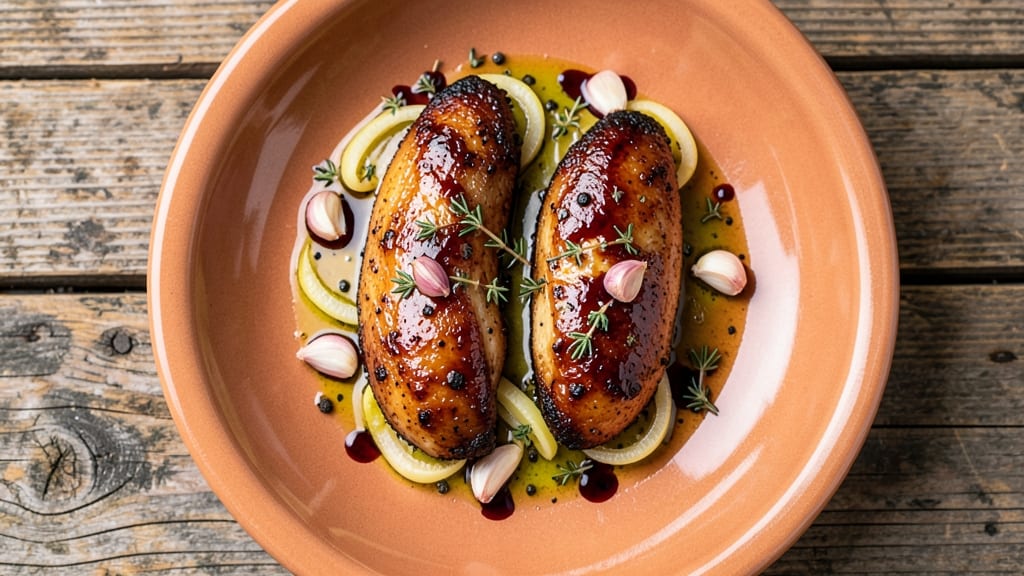
This chicken tongue recipe transforms an often-overlooked cut into a showstopping centerpiece with buttery-tender meat and a crispy onion crown that adds dramatic flair to any table. After years of perfecting the technique—balancing braising for tenderness with frying for texture—I’ve developed a method that delivers restaurant-quality results at home.
The secret lies in slow cooking to break down collagen while preserving moisture, then finishing with a crispy coating that contrasts beautifully with the rich, savory meat.
The process begins with a flavorful marinade that infuses the tongue overnight, ensuring deep, complex taste in every bite. You’ll braise the meat until fork-tender, then pan-fry it to achieve that irresistible crispy exterior while keeping the inside velvety.
The crispy onion crown, made from thinly sliced onions caramelized to golden perfection, adds both visual appeal and a sweet, crunchy contrast that elevates the dish from simple to spectacular.
What you’ll end up with is a dish that’s equal parts impressive and comforting—tender enough to melt in your mouth yet sturdy enough to hold its shape, all topped with a crispy, caramelized crown that makes every bite worth savoring.
This recipe is perfect for special occasions or when you want to serve something truly memorable, proving that even lesser-known cuts can become the star of the meal.
Serve with a side of roasted potatoes or a fresh salad to balance the richness, and don’t forget the dipping sauce—whether it’s a tangy aioli or a sweet chili glaze.
The key to success is patience, so let the braising do its work while you prepare the rest of your meal. Here’s how to make it happen step by step.
Ingredients for chicken tongue
Nothing transforms chicken tongues like this crispy crown and buttery marinade combo.
| Ingredient | Amount | Notes |
|---|---|---|
| Chicken Tongues 🍗 | 2 whole | Fresh, cleaned, trimmed |
| Yellow Onions 🧅 | 2 large | Thinly sliced for crown |
| Extra-Virgin Olive Oil 🫒 | ½ cup | High quality, fruity |
| Unsalted Butter 🧈 | ½ cup | Cold, cubed for frying |
| Garlic Cloves 🧄 | 6 cloves | Peeled, smashed for marinade |
| Red Wine Vinegar 🍷 | ¼ cup | For marinade acidity |
| Bay Leaves 🌿 | 2 whole | Fresh, for braising |
| Thyme Sprigs 🌿 | 4 whole | Fresh, for flavor depth |
| Salt 🧂 | 2 tbsp | Diamond Crystal preferred |
| Black Peppercorns 🌶️ | 1 tbsp | Freshly cracked for marinade |
| Granulated Sugar 🍬 | 1 tbsp | For caramelizing onions |
| All-Purpose Flour 🌾 | ¼ cup | For dredging before frying |
| Fresh Parsley 🌿 | ¼ cup | Chopped, for garnish |
Chicken tongues need patience—look for plump, pink ones at specialty butchers or well-stocked grocery stores like Whole Foods. The thinly sliced yellow onions are key for that perfect crown; Vidalia if you want extra sweetness. Fresh thyme and bay leaves make all the difference in the braise—dried works in a pinch, but fresh has that restaurant-quality depth. I always buy extra onions since they caramelize down significantly.
No fresh thyme? Dried at one-third the amount works, but you'll miss that aromatic punch. Running low on red wine vinegar? Apple cider vinegar gives a similar tang. The sugar for caramelizing onions can be swapped for brown sugar, though white melts more smoothly. For the marinade, white wine vinegar is a good backup. And if you're nervous about handling raw tongues, gloves are a must—they're slippery little devils!
Marinated tongues keep 3 days in the fridge before braising—plan ahead. The caramelized onions can be made a day ahead; just reheat gently in a dry pan. Store leftovers in an airtight container with the juices—3 days max. The crispy crown loses its crunch after 2 hours, so assemble right before serving. For extra drama, serve with a lemon aioli on the side.
Why You'll Love This Recipe
- One-Pan Magic: I swear by this recipe when I’m too tired to scrub pots—just sear the tongues in olive oil, toss in sliced onions and garlic, and let the butter melt into golden perfection. No flipping, no fuss, just hands-off richness.
- Rich Umami Bomb: That first bite of crispy skin giving way to tender, buttery meat? It’s like chicken’s underrated cousin stealing the show. The onions caramelize into sweetness while the garlic lingers like a warm hug—simple ingredients, but wow.
- Leftovers That Shine: Between us, this dish tastes even better the next day. I’ll make a big batch on Sunday, slice the cooled tongues for sandwiches, or toss them into a hearty salad. No sad, dry reheats here—just better flavor.
- Budget Crowd-Pleaser: Honestly, chicken tongues are a steal compared to other proteins. A few tongues stretch into a meal for four, and the onions/garlic/butter cost pennies. My college roommates and I called it “fancy cheap eats”—now my in-laws ask for it.
Step-by-step instructions for buttery-tender chicken tongue with crispy onion crown
Here's the method—crispy edges, melt-in-your-mouth texture, and that perfect balance of savory and sweet.
Prepare the Chicken Tongues for Maximum Tenderness
Place the 2 whole chicken tongues in a large bowl and cover them completely with the 0.5 cup extra-virgin olive oil. Add the 6 smashed garlic cloves, 0.25 cup red wine vinegar, 2 whole bay leaves, 4 whole thyme sprigs, 2 tablespoons salt, and 1 tablespoon freshly cracked black peppercorns. The vinegar helps break down the collagen, while the aromatics infuse deep flavor.
Let the tongues marinate in the refrigerator for at least 12 hours, or overnight if possible. This long soak transforms tough connective tissue into silky tenderness. After marinating, remove the tongues and pat them dry with paper towels—this step is crucial for achieving that crispy exterior later.
Caramelize the Onion Crowns to Golden Perfection
In a large skillet, melt the 0.5 cup unsalted butter over medium heat. Add the 2 large yellow onions, sliced into thin rings, and sprinkle with 1 tablespoon granulated sugar. The sugar helps create a beautiful caramelization while balancing the richness of the butter.
Cook the onions for 15-20 minutes, stirring occasionally, until they're deep golden brown and tender. You'll know they're ready when they smell intensely sweet and the edges begin to crisp slightly. Remove them from the pan and set aside on paper towels to drain excess fat—these will become your crispy onion crowns.
Fry the Chicken Tongues to Crispy Perfection
In the same skillet (with residual butter), heat the 0.5 cup extra-virgin olive oil over medium-high heat until it shimmers. Dredge each chicken tongue in the 0.25 cup all-purpose flour, shaking off any excess. This creates a delicate crust that seals in moisture while providing texture.
Fry the tongues for 4-5 minutes per side until they're golden brown and the internal temperature reaches 160°F. They should be firm to the touch but still tender inside. Transfer them to a paper towel-lined plate to drain excess oil. The residual heat will carry them to perfect doneness.
Braise for Deep Flavor and Juiciness
Return the skillet to medium heat and add the fried chicken tongues along with any accumulated juices. Pour in 1 cup of water, cover the skillet, and reduce heat to low. Let the tongues braise for 1 hour, turning occasionally. This gentle cooking process ensures they remain moist and infuses them with rich flavor from the pan's fond.
After braising, the tongues should be fork-tender with a glossy sheen. If the liquid hasn't fully absorbed, continue cooking uncovered for another 5-10 minutes until the sauce reduces to a glossy consistency. The result should be juicy, flavorful bites with a perfect balance of crispy exterior and tender interior.
Assemble and Garnish for Presentation
To serve, place each chicken tongue on a plate and arrange the crispy onion crowns artfully around it. The contrast of textures—crispy onions against the buttery, tender tongue—is what makes this dish special. Garnish with the 0.25 cup chopped fresh parsley just before serving to add a bright, fresh element that cuts through the richness.
This dish delivers on both promises: the crispy onion crowns provide satisfying texture, while the chicken tongues melt in your mouth with each bite. Serve immediately while everything is at its peak—hot, crisp, and irresistibly flavorful.
Pro Tips For Making Chicken Tongue
- SCORE THE TONGUES: Use a sharp knife or heavy cleaver to make deep crosshatch marks on the surface before cooking—this prevents curling and lets flavors penetrate faster. I learned this the hard way after watching my first batch roll into tight, chewy logs instead of tender slices.
- SWEAT ONIONS LOW: Cook the onions in butter and olive oil over medium-low heat until deeply caramelized, not browned—this takes 20-25 minutes, but rushing turns them bitter. Sounds weird, but it works: the slow release of sugars balances the richness of the tongues.
- DON’T OVERCROWD THE PAN: Chicken tongues release a ton of liquid when searing—give them space to brown without steaming, or you’ll end up with a greasy mess. I skip this and end up with soggy, unevenly cooked slices every time.
- FINISH WITH GARLIC: Smash the garlic cloves into a paste with a pinch of salt before adding them to the pan—this ensures they melt into the butter instead of burning. My grandmother swore by this, and she was right: the flavor is deeper and more consistent.
Pro cooking tips for this recipe
Marinade Mastery
The key to transforming tough chicken tongues into silky perfection lies in the marinade. I use a 12-hour minimum soak with red wine vinegar and fresh thyme—this combination breaks down collagen while infusing deep flavor.
After marinating, pat the tongues completely dry with paper towels before frying. Any moisture left on the surface will prevent the crust from forming properly. 💡
Double-Cooking Technique
This dish requires two distinct cooking stages: first, a quick fry to create a golden crust, then a slow braise to render the fat and tenderize the meat. I fry the tongues in olive oil until golden brown, then braise them in their own juices for 1 hour.
This dual approach ensures both texture contrast and maximum flavor extraction. Never skip the braise—it’s what makes the meat truly melt-in-your-mouth tender.
Onion Crown Perfection
The crispy onion crown is where this dish truly shines. To achieve that deep golden caramelization, I use Vidalia onions (for extra sweetness) and cook them in butter and sugar over medium heat for 15-20 minutes.
The sugar helps balance the richness while creating a beautiful glossy finish. Let them drain on paper towels before assembling—this prevents sogginess when placed over the warm tongues. ✨
Temperature Control
Precision matters when frying the tongues. Heat your oil to 350°F and fry for 4-5 minutes per side until golden brown and reaching 160°F internally. Use a meat thermometer—this ensures they’re cooked through without drying out.
After frying, reduce heat to low for the braise to prevent overcooking. The residual heat will carry them to perfect doneness while keeping them juicy.
Equipment Essentials
You’ll need a large skillet (I use a 12-inch cast iron) for frying and braising, plus a paper towel-lined plate for draining. A meat thermometer is non-negotiable for accuracy, and tongs make flipping the tongues easier than forks.
For the onion crowns, a slotted spoon helps remove them without breaking the crispy layers. Invest in these tools—your results will thank you. 🔥
Serving Like a Pro
Assemble the dish right before serving to keep the onion crowns crispy. Place each tongue on a plate, then arrange the caramelized onions in a circular crown around it. Garnish with fresh parsley for color contrast and a bright finish.
Serve immediately with a lemon aioli or tangy mustard sauce on the side to cut through the richness. The presentation alone will wow your guests—it’s that impressive. 💫
Nutrition facts
Frequently asked questions
Why do chicken tongues need marinating?
The marinade breaks down collagen in the tough connective tissue, transforming it into silky tenderness. The 12-hour minimum soak with acid (red wine vinegar) and aromatics (garlic, thyme) infuses deep flavor while preparing the meat for perfect texture. Skipping this step leaves the tongues chewy rather than melt-in-your-mouth.
Can I use dried herbs instead of fresh?
Yes, but use one-third the amount of dried herbs (e.g., 1 teaspoon dried thyme instead of 4 sprigs). Fresh herbs provide more complex aromatics and vibrant color, but dried works in a pinch. For bay leaves, dried is fine—just add 1 extra leaf since they're less potent when dried.
How do I store leftover chicken tongues?
Store in an airtight container with the braising juices for up to 3 days in the fridge. Reheat gently in a skillet with a splash of water to restore moisture. The crispy onion crowns lose their crunch after 2 hours, so assemble fresh when reheating. For longer storage, freeze cooked tongues for up to 1 month.
What if my chicken tongues are too tough?
Extend the braising time by 30 minutes and add 1 cup extra water to keep them moist. The collagen needs time to fully break down—don't rush it. For extra tenderness, add 1 teaspoon baking soda to the marinade (rinse before cooking) to help tenderize.
Can I make this dish ahead of time?
Marinate the tongues up to 3 days ahead and braise them 1 day before serving. Reheat gently in the oven at 300°F for 15 minutes, then pan-fry briefly to restore crispiness. Make the onion crowns 1 day ahead—reheat in a dry pan for 5 minutes before assembling. This dish actually tastes better the next day!