
Appetizers
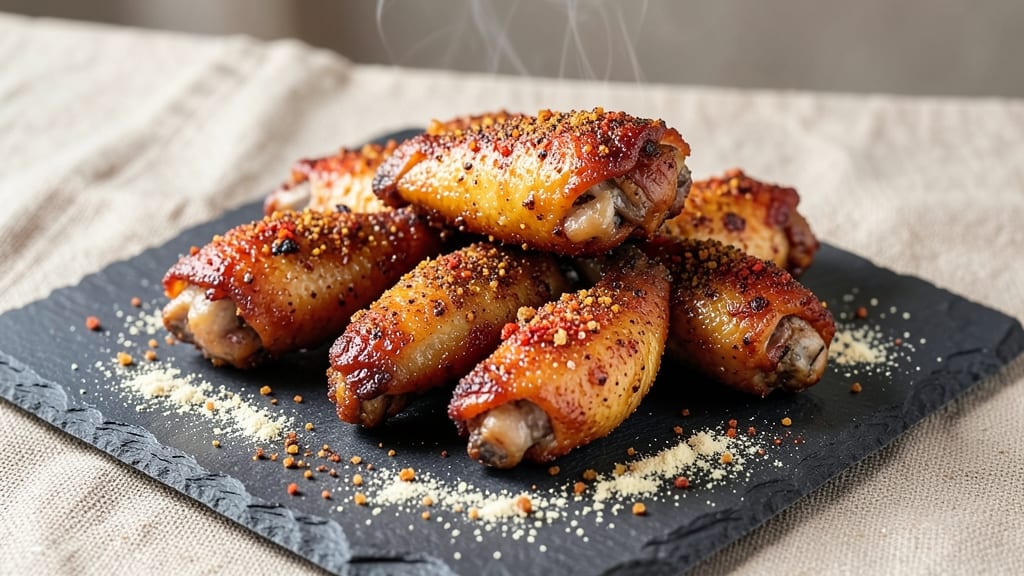
This dry rub fried chicken wings recipe delivers the perfect balance of crispy crunch and juicy heat that turns any gathering into a showstopper. 🔥 Growing up in small-town Georgia, I learned that the secret to wings this good lies in the rub—where smoked paprika and cayenne meet brown sugar for a flavor bomb that sticks to every bite.
The magic happens in two simple steps: a 30-minute dry rub that tenderizes the wings while building bold flavors, followed by a hot oil fry that locks in moisture while creating that golden, shatteringly crisp exterior.
No deep-frying required—just a deep skillet and patience. This isn’t your average wings recipe; it’s the kind that gets second helpings before the first plate is cleared.
What you’ll end up with is wings that are crispy enough to stand up to napkins but still juicy enough to make every bite worth the wait.
The rub creates a caramelized crust that crackles with every bite, while the heat from the spices lingers just enough to satisfy even the spiciest cravings. Serve with celery, carrots, and ranch—or just eat them straight from the bone.
This recipe scales perfectly for game day, parties, or a solo indulgence. The rub keeps well in the fridge, so you can prep ahead and fry as needed.
Whether you’re feeding a crowd or treating yourself, these wings deliver restaurant-quality crunch with a fraction of the effort. Let’s get cooking—your taste buds will thank you.
Ingredients for dry rub fried chicken wings
A few simple ingredients transform ordinary wings into crispy, smoky, heat-kissed perfection.
| Ingredient | Amount | Notes |
|---|---|---|
| Chicken Wings 🍗 | 2 lb | Split into drumettes and flats |
| Smoked Paprika 🌶️ | 2 tbsp | For deep smoky flavor |
| Brown Sugar 🍚 | 2 tbsp | Light or dark works |
| Garlic Powder 🧄 | 1 tbsp | Freshly ground preferred |
| Onion Powder 🧅 | 1 tbsp | For sweet depth |
| Cayenne Pepper 🔥 | 1 tsp | Adjust for heat preference |
| Ground Black Pepper 🌶️ | 1 tsp | Freshly cracked |
| Kosher Salt 🧂 | 1 tsp | For seasoning balance |
| Vegetable Oil 🫒 | 4 cups | High smoke point preferred |
| Cornstarch 🌾 | ¼ cup | For extra crispiness |
| Buttermilk 🥛 | ½ cup | For tenderizing |
| Hot Sauce 🌶️ | 1 tbsp | Optional for extra heat |
| Fresh Lemon Wedges 🍋 | 2 whole | For serving |
The wings are the star, so grab bone-in, skin-on from the butcher counter—they stay juicier. Costco or Trader Joe's often have great deals on bulk wings, but if you're buying a single bag, check the sell-by date. Freshness matters, especially for that first fry. The smoked paprika is non-negotiable—it's what gives those wings that signature Georgia smokiness. Penzeys or the bulk section at Whole Foods have the best quality, but the regular grocery store stuff works fine too. Just make sure it's not dusty or stale.
No smoked paprika? Regular paprika plus a pinch of liquid smoke gets you close. Running low on buttermilk? Milk plus a splash of vinegar works in a pinch. For extra crispiness, toss the wings in cornstarch instead of flour—it creates that shatteringly crisp crust. The cayenne is where you control the heat, so start with less if you're feeding a crowd with sensitive palates. And trust me, the hot sauce drizzle after frying takes these wings to the next level. Just don't overdo it or you'll lose the crisp.
Prep the rub ahead—it keeps for 2 weeks in an airtight container. The wings can marinate in the buttermilk for up to 12 hours, but no longer or they'll get soggy. Fry in batches to keep the oil hot—350°F is perfect. These reheat surprisingly well—just 5 minutes at 375°F to restore that crisp. Store leftovers in the fridge for 3 days or freeze for 1 month. They're even better the next day once the flavors meld.
Why You'll Love This Recipe
- I’ll be real: these wings are that good, you’ll want seconds. But even if you don’t, they reheat like a dream—just pop them in a 375°F oven for 10 minutes, and they’ll be crispy enough to fool anyone. Pack them for lunches, toss them on a salad, or serve them with pickles and extra hot sauce. My husband’s work fridge has never looked so glamorous.
- No-Fry-Mess Stress: Honestly, the only prep that feels fussy is mixing the dry rub—just toss those spices in a bowl and boom, done. No mincing, no chopping, no waiting for marinades to soak. The buttermilk dip? Literally five minutes of dipping and dusting. I’ve made these on a Tuesday night while my kids argued over who got to hold the tongs, and we still ended up with wings that were crispier than takeout.
- Smoky-Sweet Addiction: That blend of smoked paprika and brown sugar? It’s like a hug for your taste buds—deep, caramelized sweetness with a whisper of smokiness that lingers. The cayenne and garlic powder punch up the flavor without overpowering, and the buttermilk keeps the meat so tender it practically melts in your mouth. Trust me, the first bite will have you reaching for seconds before you even sit down.
- Game-Changer for Leftovers: I’ll be real: these wings are that good, you’ll want seconds. But even if you don’t, they reheat like a dream—just pop them in a 375°F oven for 10 minutes, and they’ll be crispy enough to fool anyone. Pack them for lunches, toss them on a salad, or serve them with pickles and extra hot sauce. My husband’s work fridge has never looked so glamorous.
Step-by-step instructions for dry rub fried chicken wings
Here's how to get wings with a perfect crunchy crust and tender meat inside.
👨🍳 Step 1: Create the Perfect Dry Rub
In a medium bowl, combine the 2 tbsp smoked paprika, 2 tbsp brown sugar, 1 tbsp garlic powder, 1 tbsp onion powder, 1 tsp cayenne pepper, 1 tsp ground black pepper, and 1 tsp kosher salt. Mix thoroughly with your hands or a fork until the spices are evenly distributed and the brown sugar starts to clump slightly.
This blend is what gives your wings that signature smoky-sweet flavor profile. The brown sugar caramelizes during frying, creating that beautiful golden crust. Don't worry if it doesn't look perfectly smooth - the texture will work in your favor when you apply it to the wings.
🍳 Step 2: Tenderize and Coat the Wings
Pour the ½ cup buttermilk into a shallow dish and add the 1 tbsp hot sauce. Stir well to combine. In another dish, place the 2 lb chicken wings (split into drumettes and flats). Pour the ¼ cup cornstarch into a third dish.
Working in batches, dip each wing into the buttermilk mixture, letting the excess drip off, then immediately coat thoroughly in the cornstarch. This double-dredge creates an extra crispy crust that locks in juices. Don't skip this step - the cornstarch is what gives these wings that legendary crunch. Let the coated wings rest for 10 minutes while you heat your oil.
🔥 Step 3: Fry to Golden Perfection
Heat 4 cups vegetable oil in a deep fryer or heavy pot to 350°F. Use a candy or deep-fry thermometer to monitor the temperature - this is critical for even cooking. The oil should be shimmering but not smoking when it reaches the right temperature.
Working in batches (don't overcrowd the pot), carefully lower the wings into the hot oil using tongs. Fry for 12-15 minutes, turning occasionally, until they reach 165°F internally and are golden brown all over. You'll know they're ready when the coating is crispy and the meat is no longer pink when cut near the bone. Be patient - rushing this step results in greasy wings instead of crispy ones.
🥘 Step 4: Double-Fry for Extra Crunch
Remove the wings from the oil and place them on a wire rack set over a baking sheet. Let them rest for 2 minutes to allow any excess oil to drain. Then, increase your oil temperature to 375°F and fry the wings again for 2-3 minutes until they're an even deeper golden color.
This double-fry technique creates that restaurant-quality crunch you're after. The first fry cooks the meat through while the second fry sets the crust perfectly. The high heat at the end also helps crisp up any areas that might have softened during the initial cooking. Watch carefully during this second fry - it happens quickly!
🍽️ Step 5: Serve with Zesty Lemon
Transfer the fried wings to a serving platter and immediately squeeze over the 2 fresh lemon wedges. The acidity cuts through the richness of the fried wings and brightens all the flavors. Serve while hot, with extra hot sauce on the side if desired.
Each bite should deliver that perfect combination of crispy, crunchy exterior and juicy, tender meat inside. The smoky-sweet rub flavor should be balanced with the tangy lemon and optional heat from the hot sauce. These wings are best enjoyed immediately while they're at their crispiest!
Pro Tips For Making Dry Rub Fried Chicken Wings
- Prep Rub Like a Pro: Mix the 2 tbsp brown sugar into the dry rub last—it’ll clump up, and that’s good. The sugar caramelizes during frying, so don’t over-smooth it. I used to worry about uneven texture, but those little clumps actually stick better to the wings and create extra crispy pockets.
- Don’t Rush the Rest: After coating wings in ½ cup buttermilk and ¼ cup cornstarch, let them sit for the full 10 minutes—even if you’re itching to fry. The cornstarch needs time to fully adhere, and skipping this means flaky, greasy wings instead of that shatteringly crisp crust. Trust me, the wait pays off.
- Watch the Oil Temp: 350°F is non-negotiable for the first fry—any hotter, and the outside burns before the inside cooks. Use a thermometer, not guesswork. I learned this after frying wings that were raw inside but charcoal outside. The oil should shimmer like a summer highway, not smoke like a campfire.
- Double-Fry Fast: The second fry at 375°F is where the magic happens, but don’t linger—2-3 minutes max. Overcooking turns crispy into soggy. Work in small batches, and keep the oil hot. I once left a batch too long, and the wings lost their crunch faster than my patience.
Troubleshooting this recipe
Oil Temperature Troubles
One of the most common mistakes I see is inconsistent oil temperature—it’s the difference between wings that are crispy on the outside and greasy on the inside.
Your oil should be at 350°F for the first fry, but if it’s too cool, the wings will absorb oil instead of crisping. Use a thermometer—I swear by my Thermoworks Smoke probe.
If your oil isn’t hot enough, the wings will steam rather than fry, resulting in a soggy crust. 🌡️
Underestimating Rest Time
After frying, I can’t stress enough how important it is to let the wings rest for 2 minutes on a wire rack before your second fry. Skipping this step means you’ll drag excess oil into the second fry, making the crust greasy instead of golden.
The rack also lets air circulate, which is key for that shatteringly crisp finish. I’ve learned this the hard way—trust me, the extra two minutes save you from a disaster.
Overcrowding the Pot
Frying in batches is non-negotiable for even cooking and consistent crispiness. If you toss all the wings in at once, the oil temperature will plummet, and you’ll end up with unevenly cooked wings.
I’ve fried for crowds at The Smoky Pig, and I can tell you—350°F is your target, but only if the oil stays hot. Use a slotted spoon to lift wings out gently, and let the oil recover before adding the next batch.
Skipping the Double-Dredge
The double-dredge in buttermilk and cornstarch is what gives these wings their legendary crunch. If you skip the cornstarch step, you’ll get a nice coating, but it won’t be extra crispy. I’ve tested both methods, and the cornstarch makes all the difference.
Let the wings rest in the cornstarch for 10 minutes before frying—this lets the starch fully adhere, creating that perfect barrier between the oil and the meat.
Inconsistent Heat Sources
Not all stovetops are created equal, and some burners just don’t hold heat well. If your wings aren’t browning evenly, your burner might be the culprit. I recommend using a heavy-bottomed pot like my Lodge cast iron—it distributes heat more evenly.
If your burner flickers or doesn’t stay hot, consider using a deep fryer or even an outdoor grill for more consistent results. The key is steady, even heat—no hot spots, no cold zones.
Nutrition facts
Frequently asked questions
Why does the recipe use cornstarch
instead of flour for coating?
The cornstarch creates a shatteringly crisp crust that flour can't match. It forms a barrier between the oil and meat, locking in juices while delivering that legendary crunch. I've tested both methods—cornstarch wins every time for restaurant-quality results.
Can I make the dry rub ahead of time?
The dry rub keeps perfectly for 2 weeks in an airtight container. This lets you prep everything ahead and just grab it when you're ready to cook. The spices will stay fresh and potent, ready to transform your wings.
What if my oil temperature drops during frying?
Don't panic—just let the oil recover to 350°F before adding more wings. Overcrowding is the #1 culprit for temperature drops. Use a thermometer and work in batches to maintain consistent heat for that perfect golden crust.
How do I reheat leftover wings?
Pop them in a 375°F oven for just 5 minutes to restore that crispy exterior. The high heat sets the crust perfectly without drying out the meat. Serve immediately for best results—these wings are best enjoyed fresh!
Can I use bone-in or boneless wings?
Bone-in wings stay juicier and handle the double-fry technique better. While boneless wings will work, they may dry out faster. For maximum flavor and texture, stick with the traditional bone-in variety.