
Main Courses
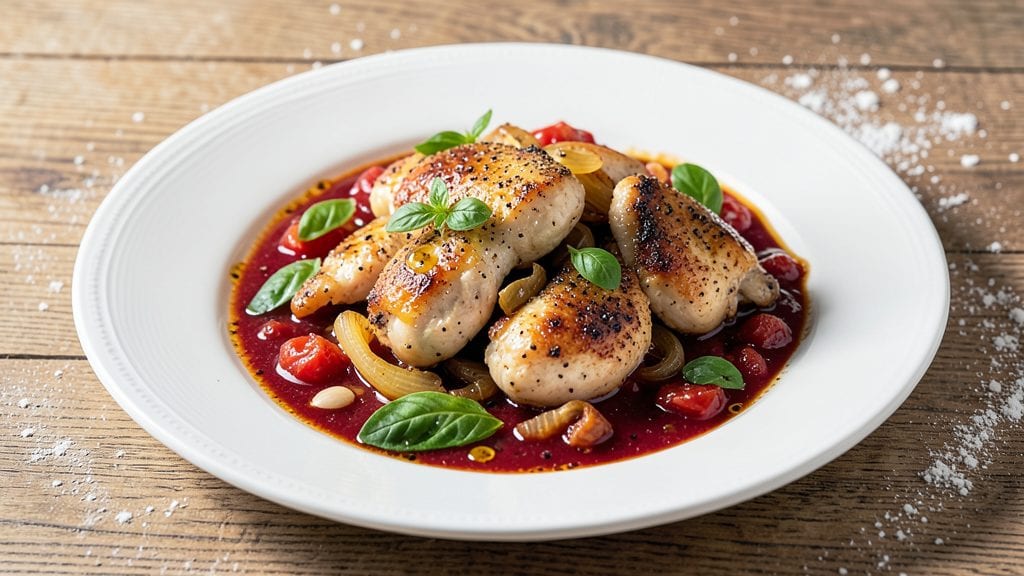
Giada De Laurentiis' chicken cacciatore transforms simple ingredients into a restaurant-worthy dish with tender meat and a rich, aromatic sauce. Growing up in small-town Georgia, I learned how braising transforms tough cuts into melt-in-your-mouth perfection—just like Giada’s technique.
The key lies in searing the chicken first, then letting it simmer slowly in a tomato-herb sauce until the meat falls apart effortlessly.
This recipe captures Giada’s signature balance of acidity and richness, where tomatoes, white wine, and fresh herbs create a sauce that’s both vibrant and deeply flavorful.
With just 15 minutes of active prep and 45 minutes of hands-off cooking, you’ll have a dish that feels like a weeknight meal but tastes like a special occasion. The secret? Deglazing the pan after searing to capture every bit of flavor—no shortcuts here.
By the time you serve this dish, your kitchen will smell like an Italian trattoria, and every bite will reward you with tender chicken swimming in a velvety sauce. The herbs add freshness, while the tomatoes provide the perfect tangy backbone.
This is the kind of recipe that gets better as leftovers, making it ideal for meal prep or feeding a crowd.
Pair it with crusty bread to soak up the sauce or serve over pasta for a heartier meal. The versatility of this dish means it works for any night of the week—just don’t skip the fresh basil at the end. Let’s get cooking!
Ingredients for giada's chicken cacciatore
Fifteen ingredients, one unforgettable Italian-inspired dish that tastes like a trattoria classic.
| Ingredient | Amount | Notes |
|---|---|---|
| Boneless, Skinless Chicken Thighs 🍗 | 1 ½ lb | Cut into 2-inch pieces |
| Extra-Virgin Olive Oil 🫒 | ½ cup | For searing chicken |
| Yellow Onion 🧅 | 1 whole | Thinly sliced, about 1.5 cups |
| Garlic Cloves 🧄 | 4 cloves | Minced, about 1 tbsp |
| Canned San Marzano Tomatoes 🍅 | 28 oz | Crushed by hand or canned |
| Dry White Wine 🍷 | ½ cup | Sauvignon Blanc preferred |
| Chicken Broth 💧 | ½ cup | Low-sodium preferred |
| Fresh Rosemary 🌿 | ¼ cup | Chopped, about 1 tbsp |
| Fresh Thyme 🌿 | ¼ cup | Leaves only, about 1 tbsp |
| Fresh Basil Leaves 🌿 | ¼ cup | Chopped, for garnish |
| Tomato Paste 🍅 | 1 tbsp | Squeeze tube preferred |
| Red Wine Vinegar 🍋 | 1 tbsp | For acidity balance |
| Kosher Salt 🧂 | 1 ½ tsp | Diamond Crystal preferred |
| Ground Black Pepper 🌶️ | ½ tsp | Freshly ground preferred |
| All-Purpose Flour 🌾 | 1 tbsp | For dredging chicken |
The chicken thighs are the star—bone-in, skin-on gives the best flavor, but boneless works too. Trader Joe's and Whole Foods carry excellent cuts, but any grocery store's butcher section will have quality options. Look for thighs with good marbling—thicker cuts stay juicier. If you can't find San Marzano tomatoes, Muir Glen is a solid second choice. The white wine should be dry—anything from Sauvignon Blanc to Pinot Grigio works perfectly. Fresh herbs make all the difference here, so don't use dried unless it's a pinch of thyme or rosemary.
No white wine? Chicken broth with a splash of red wine vinegar keeps the acidity balanced. Fresh herbs wilt fast—buy just what you need and store the rest in damp paper towels. The tomato paste can be skipped if you're using extra tomatoes, but it adds that deep, concentrated flavor. For a quicker version, jarred marinara sauce works in a pinch (about 1.5 cups), but fresh tomatoes give the best texture. The flour dredge isn't mandatory—just pat the chicken dry first for better browning.
This tastes even better the next day—make extra and freeze portions for up to 3 months. Store in airtight containers with sauce to prevent drying. Fresh basil keeps for 3-4 days wrapped in damp paper towels, but frozen basil works too if you add it at the end. The sauce reheats beautifully—just warm gently on the stove and adjust seasoning with a pinch more salt or vinegar. Perfect for meal prep or feeding a crowd!
Why You'll Love This Recipe
- One-Pan Magic: I swear by this recipe when I’m too tired to scrub pots—just brown the chicken, toss in the onions, garlic, and tomatoes, and let it simmer. The San Marzano tomatoes handle all the heavy lifting while you sip wine and pretend you’re not cooking.
- Garlic Bomb: That moment when you crush fresh garlic into the olive oil? It’s the secret weapon here. The slow simmer lets the flavor meld into the chicken so deeply, every bite has this rich, aromatic punch—no dry mouth required.
- Leftovers That Don’t Suck: Between us, most cacciatore leftovers turn into sad, mushy meals. Not this one. The chicken stays juicy, and the sauce thickens just enough to reheat beautifully—perfect for lunchboxes or lazy Fridays when you’re this close to ordering takeout.
- Budget Dinner Hero: Chicken thighs are forgiving, San Marzano tomatoes last forever, and you’re basically making a whole meal from a pantry staple. Honestly, I’ve fed four people for under $15 with this—plus, the leftovers stretch into next week’s lunches without breaking the bank.
Step-by-step instructions for tomato-braised chicken with herbs
Here's how to create Giada's signature tender chicken cacciatore with rich tomato sauce and aromatic herbs.
Prep and Sear the Chicken
Cut the 1.5 lb boneless, skinless chicken thighs into 2-inch pieces. In a large Dutch oven, heat the 0.5 cup extra-virgin olive oil over medium-high heat until shimmering. Working in batches, dredge each chicken piece in 1 tbsp all-purpose flour, shaking off any excess. This creates a light crust that locks in moisture during braising.
Add the floured chicken to the hot oil and cook undisturbed for 3-4 minutes per side until golden brown. The chicken should release easily from the pan—this indicates proper browning. Transfer the seared chicken to a plate and set aside. Don't crowd the pan or the temperature will drop too much, preventing that crucial crust formation.
Build the Flavor Base
In the same Dutch oven, reduce heat to medium and add the thinly sliced 1 whole yellow onion. Cook for 5-6 minutes until softened and translucent. Add the 4 minced garlic cloves and cook for 30 seconds until fragrant—this prevents bitter garlic flavors. Stir in the 1 tbsp tomato paste and cook for 1 minute, allowing it to deepen in color.
Pour in the 0.5 cup dry white wine and scrape up any browned bits from the bottom of the pan. This deglazing captures all the flavor you've built so far. Let the wine simmer for 2-3 minutes until reduced by half. Here's where the magic happens—those concentrated flavors form the foundation of your sauce.
Braise with Tomatoes and Herbs
Add the 28 oz canned San Marzano tomatoes, crushing any large pieces with your hands. Stir in the 0.5 cup chicken broth, 1.5 tsp kosher salt, and 0.5 tsp ground black pepper. Return the chicken to the pot, spooning some of the sauce over the top to coat. Bring to a gentle simmer, then reduce heat to low.
Add the 0.25 cup chopped fresh rosemary and 0.25 cup fresh thyme leaves. Cover partially and let it cook for 30-35 minutes, stirring occasionally. The chicken is tender when it reaches an internal temperature of 165°F and the sauce has thickened slightly. This slow cooking transforms tough chicken into melt-in-your-mouth bites while developing deep, complex flavors.
Finish and Serve
Remove the chicken and set it aside. Skim any excess fat from the sauce, then stir in the 1 tbsp red wine vinegar and remaining 0.25 cup fresh basil leaves. Return the chicken to the pot and simmer uncovered for 2-3 minutes to heat through. The acidity from the vinegar brightens all the flavors while the basil adds freshness.
Serve immediately over polenta or crusty bread, with the sauce spooned generously over each portion. Each bite should deliver perfectly tender chicken with a rich, herb-infused tomato sauce that clings beautifully. The key to success is patience—don't rush the braising time, as this is what creates that signature tender texture Giada's version is known for.
Pro Tips For Making Giada'S Chicken Cacciatore
- SEAR THIGHS IN BATCHES: Chicken thighs release a ton of fat when seared, and if you crowd the pan, you’ll steam them instead of brown. Work in two batches—high heat, 3-4 minutes per side—until they’re golden. The crust is what makes cacciatore sing, so don’t skimp on this step.
- FINELY GRATE THE ONION: Giada’s recipe calls for a "finely chopped" onion, but grating it (not mincing) gives you that silky, almost dissolved texture in the sauce. A box grater or food processor does this faster than a knife, and it prevents the onion from turning mushy later.
- DEGLAZE WITH THE TOMATO JUICE: After browning the chicken, don’t just toss in the tomatoes—first splash in the pan with ¼ cup water or white wine to lift all those browned bits. Let it simmer 2 minutes before adding the crushed tomatoes. This adds depth the recipe doesn’t always emphasize.
- SIMMER LOW AND COVERED: The sauce needs time to meld, but boiling it ruins the texture. Keep the heat at a gentle simmer (tiny bubbles, occasional stir), and cover partially for the first 20 minutes. This keeps the tomatoes from breaking down into mush—trust me, you’ll notice the difference.
Perfect pairings for this recipe
Classic Italian Bread
Nothing pairs better with chicken cacciatore than a warm, crusty ciabatta loaf or focaccia from your local Italian market. I love the Bocconcini brand from Whole Foods—their sourdough has just the right chewiness to soak up that rich tomato sauce.
For a homemade option, brush the bread with olive oil and sprinkle with flaky sea salt before baking at 375°F for 15 minutes. The garlic and rosemary in the focaccia complement the dish beautifully. 🥖
Creamy Polenta
For a heartier option, serve your cacciatore over creamy polenta made with 1 cup cornmeal and 4 cups chicken broth. Cook it slowly on the stovetop, stirring constantly, until it reaches a thick, porridge-like consistency.
Stir in 2 tbsp butter and ¼ cup grated Parmesan at the end for extra richness. The polenta acts like a spoon, making every bite of chicken and sauce even more satisfying. I often double the batch and freeze half for quick meals later. ❄️
Fresh Caprese Salad
Balance the richness of the cacciatore with a bright Caprese salad featuring heirloom tomatoes, fresh mozzarella, and basil leaves. Drizzle with extra-virgin olive oil and a pinch of flaky salt.
The acidity from the tomatoes cuts through the sauce, while the creamy mozzarella adds a delightful contrast. For extra flair, add sliced fresh figs or a balsamic glaze. 🍅
Wine Pairings
A crisp Italian white wine like Vermentino or Pinot Grigio complements the dish perfectly. The bright acidity in these wines cleanses your palate between bites of rich chicken and tomato sauce.
For red wine lovers, a Chianti with its medium body and cherry notes works beautifully. I always keep a bottle of Santa Margherita Pinot Grigio on hand—it’s reliable and affordable. 🍷
Herb-Infused Risotto
For a more substantial side, try a saffron risotto with rosemary and thyme—the same herbs used in the cacciatore. Cook 1 cup Arborio rice in 4 cups chicken broth with a pinch of saffron, stirring in 2 tbsp butter and ¼ cup grated Parmesan at the end.
The creamy texture and aromatic herbs make this a showstopper side dish. The risotto’s richness pairs beautifully with the tangy tomato sauce. 🌿
Simple Greens
If you prefer a lighter option, a simple arugula salad with lemon vinaigrette adds freshness. Toss 4 cups baby arugula with 2 tbsp olive oil, 1 tbsp lemon juice, and a pinch of honey.
The peppery bite of arugula contrasts perfectly with the richness of the chicken and sauce. For extra crunch, add toasted pine nuts or shaved Parmesan. 🥗
Nutrition facts
Frequently asked questions
Can I use chicken breasts instead of thighs?
Chicken thighs are ideal because they stay juicy during braising. If you must use breasts, pound them to ½-inch thickness and cook for only 20-25 minutes total to prevent drying. Add them to the pot last and remove when just cooked through (165°F internal temp).
What if I don't have white wine?
Use ½ cup chicken broth + 1 tbsp red wine vinegar to replicate the acidity and depth. For extra richness, add 1 tsp soy sauce or a splash of lemon juice. The dish will still taste delicious—just slightly less complex.
How do I fix a sauce that's too acidic?
Balance excess acidity by adding 1 tsp sugar or ½ tsp honey> to sweeten, or stir in 1 tbsp tomato paste> to mellow the tang. Simmer for 2-3 minutes> to let flavors meld. A pinch of salt also helps round out the flavors.
Can I make this in a slow cooker?
Yes! Sear the chicken first, then transfer everything to the slow cooker. Cook on low for 4-5 hours> or high for 2-3 hours>, stirring occasionally. The sauce may be thinner—reduce it on the stovetop at the end. Add fresh herbs at serving.
Why did my chicken turn out dry?
Overcooking is the most common mistake. Use a meat thermometer—remove chicken at 160°F> (it'll rise to 165°F> while resting). Avoid lifting the lid frequently, which lets steam escape. For extra moisture, add 2 tbsp broth> before serving.