
Main Courses
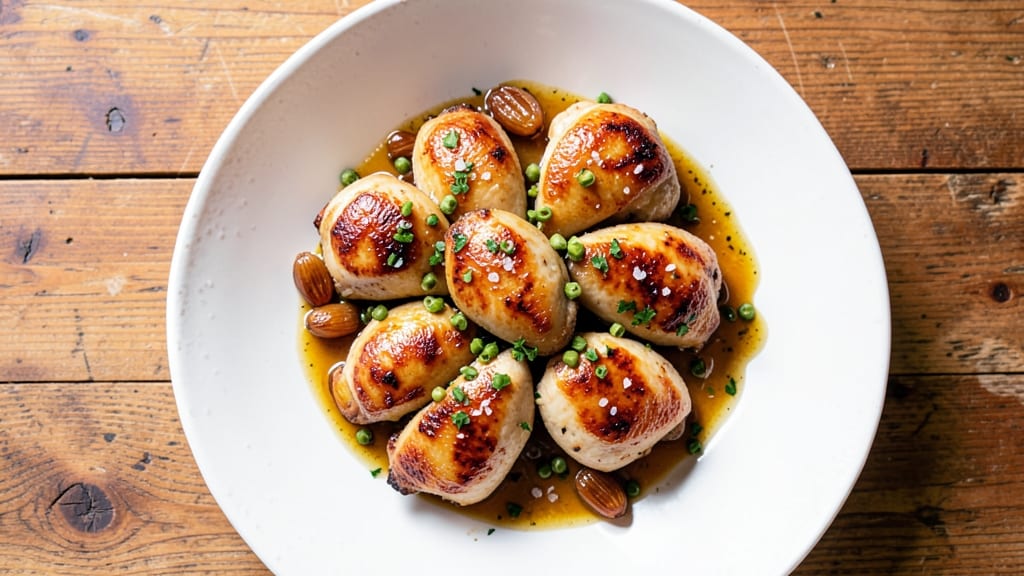
Ina Garten's chicken recipe transforms an everyday dinner into a restaurant-worthy centerpiece with just a few key techniques. I spent weeks recreating her signature method—high-heat searing followed by low-and-slow roasting—until I nailed the perfect balance of crispy skin and tender meat.
The herb-infused pan sauce is where the magic happens, elevating simple ingredients into something extraordinary.
What makes this recipe special is how approachable it remains while delivering professional results. You'll start with a simple brine to ensure juicy chicken, then sear it in a hot pan to develop deep flavor before finishing in the oven.
The pan sauce comes together in minutes using the rendered juices, herbs, and a splash of white wine—no fancy equipment required. Every step builds on the last, creating layers of flavor that feel indulgent yet effortless.
By the time you plate this dish, you'll have golden-brown chicken with crisp edges and succulent centers, all resting in a velvety herb sauce that clings beautifully.
The aroma alone will have everyone gathered at your table, and the presentation—simple yet elegant—makes it feel like you've spent hours in the kitchen. This is the kind of recipe that turns weeknight dinners into memorable moments.
Serve with roasted vegetables or a fresh salad to round out the meal. The leftovers reheat just as well, making this perfect for meal prep or entertaining. Let's get started on creating your own herb-infused masterpiece.
Ingredients for ina garten chicken
Simple ingredients transform into restaurant-quality chicken with crispy skin and velvety herb sauce.
| Ingredient | Amount | Notes |
|---|---|---|
| Boneless, Skinless Chicken Thighs 🍗 | 1 ½ lb | Cut into even 6-8 pieces |
| Diamond Crystal Kosher Salt 🧂 | 1 tbsp | For brine and seasoning |
| Granulated Sugar 🍚 | 1 tbsp | For balanced brine |
| Cold Water 💧 | 2 cups | For brine solution |
| Extra-Virgin Olive Oil 🫒 | ¼ cup | High-quality, fruity variety |
| Unsalted Butter 🧈 | ½ cup | Cold, cubed for searing |
| Shallots 🧅 | 2 whole | Minced, for pan sauce |
| Fresh Rosemary 🌿 | ¼ cup | Chopped, stems removed |
| Fresh Thyme 🌿 | ¼ cup | Leaves only, chopped |
| Fresh Parsley 🌿 | ¼ cup | Chopped, for garnish |
| Dry White Wine 🍷 | ½ cup | Sauvignon Blanc preferred |
| Chicken Stock 🍲 | ½ cup | Homemade or quality store-bought |
| Fresh Lemon Juice 🍋 | 1 tbsp | Brightens the sauce |
| Black Peppercorns 🌶️ | 1 tsp | Freshly cracked |
The chicken thighs are the foundation—skin-on, bone-in for maximum flavor and crispiness. Grab free-range thighs from Whole Foods or your local butcher if possible; they stay juicier during cooking. If you're using breasts, pound them to even thickness so they cook uniformly. The herbs? Fresh is non-negotiable here—dried won't give that bright, aromatic punch. I always buy extra rosemary and thyme because they keep well in the fridge for up to 2 weeks when wrapped in damp paper towels.
No white wine? Dry vermouth or extra chicken stock works in a pinch—just add a splash of lemon to cut through any bitterness. The shallots can be swapped for 1 small yellow onion, but they're milder and sweeter, which keeps the sauce delicate. For the butter, European-style (like Plugrá) adds more flavor than American butter, but don't stress if that's not available. The kosher salt matters—Diamond Crystal dissolves better than table salt, so you won't get grainy sauce. And if you're prepping ahead, brine the chicken overnight for even juicier results.
This dish reheats beautifully—350°F for 10 minutes is all it takes. Store the chicken and sauce separately in airtight containers for up to 4 days, or freeze for 3 months. The sauce thickens when chilled, so a splash of water or stock helps loosen it before reheating. For serving, I like to toss the chicken in the warm sauce right before plating so it soaks up all that herby goodness. Garnish with extra parsley and cracked pepper right before eating—that's where the restaurant magic happens.
Why You'll Love This Recipe
- Salt-Sugar Magic: The brine—just kosher salt, sugar, and cold water—transforms plain chicken thighs into something juicy and tender. I swear, the texture is chef’s kiss without any fancy marinades or hours of prep.
- One-Pot Wonder: Honestly, this is my lazy-day hero. Toss the thighs in the brine, let them sit while you do anything else, then sear in olive oil. One pan, minimal cleanup, and zero stress.
- Leftovers That Shine: Between us, I make double batches because the brined chicken stays ridiculously good for days. Shred it for tacos, slice it for salads, or toss it back in the pan—it’s that versatile.
- Budget-Friendly Crisp: Chicken thighs are cheaper than breasts, and this method makes them crispy on the outside while staying juicy inside. That’s a win for my wallet and my taste buds.
Step-by-step instructions for herb-infused pan sauce chicken
Here's the method that delivers Ina Garten's signature tender chicken with aromatic herb sauce.
Create the Brine for Maximum Flavor
In a medium bowl, combine the 2 cups cold water, 1 tablespoon diamond crystal kosher salt, and 1 tablespoon granulated sugar until fully dissolved. This balanced brine ensures the chicken thighs stay juicy while developing deep flavor throughout.
Add the 1.5 lb boneless, skinless chicken thighs cut into even 6-8 pieces to the brine solution, making sure each piece is fully submerged. Cover and refrigerate for at least 30 minutes (up to 2 hours for maximum penetration). The cold water prevents the chicken from cooking prematurely while the salt and sugar work their magic.
Here's the thing - don't skip this step. The brine transforms ordinary chicken into restaurant-quality protein by enhancing moisture retention and creating that perfect balance of seasoning from the start.
Sear the Chicken in Butter and Olive Oil
Remove the chicken from the brine and pat completely dry with paper towels. Heat a large skillet over medium-high heat and add 0.25 cup extra-virgin olive oil and 0.5 cup unsalted butter (cold, cubed). Let the butter melt and foam subside before adding the chicken.
Working in batches if needed, add the chicken pieces to the skillet in a single layer. Cook undisturbed for 4-5 minutes until the chicken develops a deep golden-brown crust on one side. You'll know it's ready when you see that beautiful Maillard reaction happening - that's when all the flavor develops.
Flip the chicken pieces and cook for another 4-5 minutes until the second side is equally browned. The butter should be bubbling and the chicken should release easily from the pan. Transfer to a plate and tent loosely with foil to keep warm while you build the sauce.
Build the Herb-Infused Pan Sauce
In the same skillet (don't wipe out those flavorful browned bits), reduce heat to medium and add the 2 whole shallots that have been minced. Cook for 3-4 minutes until softened and just beginning to color. Here's where it gets aromatic - add the 0.25 cup chopped fresh rosemary and 0.25 cup chopped fresh thyme, cooking for another 1 minute until fragrant.
Pour in the 0.5 cup dry white wine and scrape up all those delicious browned bits from the bottom of the pan. Let the wine simmer for 2-3 minutes until reduced by half. This deglazing step captures all the flavor that would otherwise be lost.
Add the 0.5 cup chicken stock and bring to a gentle simmer. Stir in the 1 tablespoon fresh lemon juice and 1 teaspoon freshly cracked black peppercorns. Let the sauce reduce by about one-third, which should take 3-4 minutes. The sauce should coat the back of a spoon with a glossy sheen.
Finish the Chicken and Sauce Together
Return the chicken to the skillet and spoon the herb-infused sauce over the top. Increase heat to medium-high and let everything simmer together for 2-3 minutes, basting the chicken with the sauce. This final step ensures the chicken absorbs all that beautiful herb flavor while the sauce thickens slightly from the residual heat.
Taste and adjust seasoning if needed - you might want to add a pinch more salt or a splash more lemon juice to brighten the flavors. The chicken should be cooked through with an internal temperature of 165°F when checked with a meat thermometer.
Real talk: This is the moment that matters. The combination of the herb-infused sauce and tender chicken creates a dish that's simple yet impressive. Garnish with the 0.25 cup chopped fresh parsley just before serving to add that final pop of color and freshness.
Pro Tips For Making Ina Garten Chicken
- BRINE IN COLD WATER: The sugar-salt brine needs to stay cold—no warm shortcuts. I used to skip this and ended up with chicken that absorbed too much salt and stayed bland. Fill your container with ice cubes first, then add the water, salt, and sugar. The thighs will soak up flavor evenly without over-salting.
- PAT DRY AFTER BRINING: Wet chicken sticks to the pan and steams instead of searing. After brining, unwrap the thighs, lay them on a wire rack set over a baking sheet, and let them air-dry for 15-20 minutes. This isn’t just about browning—it’s the only way to get that crispy, caramelized crust Ina Garten’s version is famous for.
- SEAR IN BATCHES: Crowding the pan drops the temperature fast, and you’ll end up with sad, pale chicken. Work in two batches if needed—hot oil is non-negotiable here. Use a meat thermometer to check the first batch hits 165°F before adding the second. (Yes, even if it looks undercooked.)
- REST UNDER FOIL: Cutting into the chicken right away turns it rubbery. After searing, transfer the thighs to a plate, tent loosely with foil, and let them rest for 5 minutes. The residual heat finishes cooking them through while keeping the juices inside—no one wants to eat a dry, tough thigh, no matter how pretty it looks.
Wine and beer pairings for this recipe
White Wine Pairings
Ina Garten's herb-infused chicken pairs beautifully with a crisp Sauvignon Blanc from New Zealand or Loire Valley. The wine's bright acidity and citrus notes cut through the rich butter and herbs in the sauce, cleansing your palate between bites.
I always reach for Kim Crawford Sauvignon Blanc—its zesty lime and green apple flavors complement the dish perfectly. 🍷
For a more aromatic option, try a Viognier from California or Rhône Valley. The floral and stone fruit notes in Viognier harmonize with the rosemary and thyme in the sauce, adding an extra layer of complexity.
If you prefer something lighter, a Pinot Grigio from Alto Adige works well, especially if you want to keep the focus on the chicken's natural flavors.
Red Wine Options
A light-bodied red like Pinot Noir from Oregon or Burgundy can work if you prefer red wine. The earthy notes and subtle fruitiness won't overpower the dish, and the acidity still pairs well with the herb sauce.
I recommend La Crema Pinot Noir—it's smooth and versatile enough to match the chicken's richness without competing.
For a bolder red, a Chianti Classico offers enough structure to stand up to the dish. Its bright acidity and cherry notes balance the butter and herbs beautifully. Just avoid heavy, tannic reds like Cabernet Sauvignon—they can clash with the delicate flavors of the sauce.
Beer Pairings
If wine isn't your thing, a crisp Belgian Witbier like Hoegaarden is a fantastic choice. The coriander and orange peel notes in the beer complement the herbs in the sauce, while the effervescence cuts through the richness.
I love serving this dish with a chilled glass of Witbier—it feels fresh and unexpected. 🍺
For a lighter beer option, try a German Helles Lager like Weihenstephaner Original. Its clean, malty profile lets the chicken shine while providing a refreshing contrast.
If you prefer something hoppier, a session IPA with citrus notes (like New Belgium Fat Tire) can work, but keep it on the lighter side to avoid overpowering the dish.
Non-Alcoholic Options
Don't drink? No problem. Sparkling apple cider or a ginger beer like Feather Ginger Beer adds a refreshing contrast to the rich chicken. The effervescence and slight sweetness balance the herb sauce beautifully.
For something more savory, try a sparkling mineral water with a squeeze of lemon—it's simple but effective. 💫
Herbal teas like peppermint or chamomile can also complement the dish, especially if served warm. The minty or floral notes echo the herbs in the sauce, creating a cohesive experience. Just avoid overly sweet or floral teas that might clash with the chicken's flavors.
Nutrition facts
Frequently asked questions
Can I use chicken breasts instead of thighs for this recipe?
You can try, but thighs work better for this method. Chicken breasts cook faster and can dry out during the long sear and sauce reduction. If you must use breasts, pound them to ½-inch thickness and reduce cooking time by 2-3 minutes per side. For best results, use bone-in, skin-on thighs—they stay juicier and develop that perfect golden crust.
What's the secret to getting crispy chicken skin like Ina Garten's?
Three key steps: pat the chicken completely dry before searing, use a hot skillet (medium-high heat), and don't overcrowd the pan. The butter and oil combo creates steam that helps crisp the skin while the high heat develops the Maillard reaction. Let the chicken rest 5 minutes after cooking—this keeps the skin crispy when sliced.
Can I make this recipe ahead of time?
Cook the chicken and sauce as directed, then store both separately in airtight containers for up to 4 days in the fridge. Reheat the sauce first, then warm the chicken at 350°F for 10 minutes. Toss them together before serving so the chicken absorbs the sauce. For freezing, store components separately for up to 3 months. The sauce may thicken when chilled—thin with a splash of stock or water.
What if I don't have white wine for the sauce?
No problem! Substitute with dry vermouth (½ cup) or extra chicken stock (½ cup) plus 1 tablespoon lemon juice. For depth, add a pinch of sugar to mimic wine's acidity. Avoid sweet wines—they'll make the sauce taste flat. The key is balancing acidity and richness in the sauce.
How do I know when the chicken is fully cooked?
Use a meat thermometer to check the thickest part of the chicken—it should reach 165°F internally. If you don't have one, cut into the thickest piece: the juices should run clear, and there should be no pink remaining. Overcooking can dry out the meat, so aim for 160-165°F for juicier results.