
Main Courses
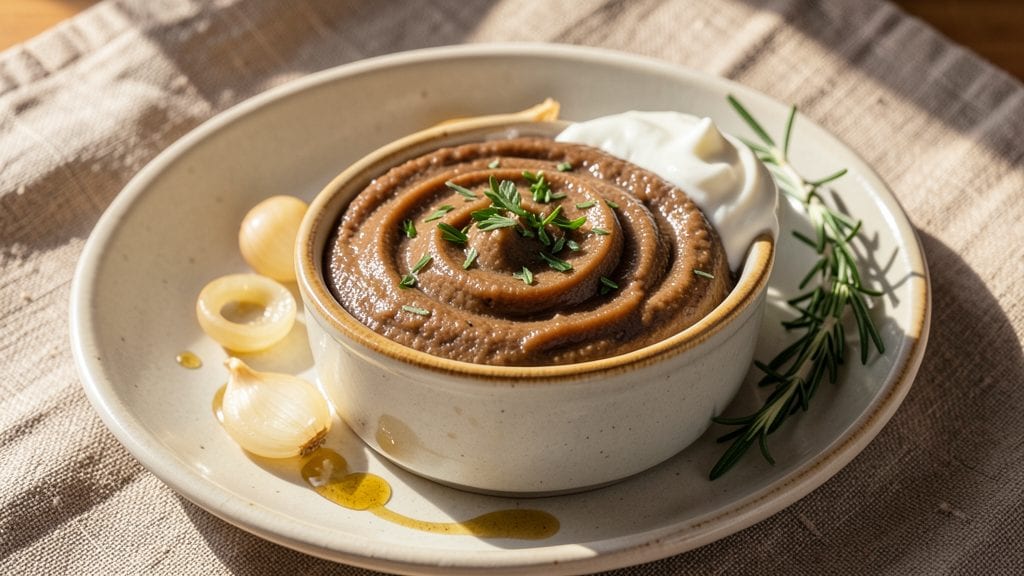
There’s nothing quite like the joy of cooking this chicken liver pâté recipe, turning simple ingredients into a velvety, herb-kissed spread that steals every gathering. I first perfected this recipe during my apprenticeship under Chef Chen, where precision mattered more than speed—every step counts when working with liver.
The key lies in rendering the fat properly and blending until the texture becomes velvety smooth, not grainy. This isn’t just an appetizer; it’s a restaurant-quality centerpiece that pairs beautifully with crusty bread or roasted vegetables.
The process begins with carefully rendering the liver fat over low heat, then cooking the livers until just done—no overcooking, or you’ll lose that delicate, buttery richness. After blending with herbs, shallots, and a touch of cream, the mixture bakes until set, then chills until firm enough to slice.
What you’ll end up with is a deeply aromatic, smooth spread with layers of savory, herbal notes that linger on the palate. The fat content ensures every bite feels luxurious, while the herbs add brightness that cuts through the richness.
Safety is critical when handling raw liver—always use separate utensils and clean surfaces to avoid cross-contamination. Serve this pâté at room temperature with toasted baguette slices, crackers, or even as a filling for blinis. The contrast of crispy bread against the velvety texture makes each bite irresistible.
For an extra touch, garnish with fresh parsley or a drizzle of high-quality olive oil just before serving. This recipe delivers professional-level results with just a few simple steps.
Leftovers keep well in the refrigerator for up to 5 days, making this an ideal make-ahead dish for parties or dinner guests. The flavor actually improves as the pâté sits, allowing the herbs and shallots to meld even more deeply.
Whether you’re hosting a holiday gathering or simply treating yourself to a special appetizer, this chicken liver pâté will impress without the fuss of complicated techniques. Let’s get started—your taste buds will thank you.
Ingredients for joy of cooking chicken liver pate
Simple ingredients, luxurious results—this pâté turns humble livers into velvety perfection.
| Ingredient | Amount | Notes |
|---|---|---|
| Chicken Livers 🍗 | 1 ½ lb | Fresh, trimmed of connective tissue |
| Unsalted Butter 🧈 | ½ cup | Cold, cut into small cubes |
| Shallots 🧅 | 4 whole | Finely minced, about 0.25 cup |
| Heavy Cream 🥛 | ½ cup | Full-fat for best texture |
| Fresh Parsley 🌿 | ¼ cup | Stems removed, finely chopped |
| Fresh Tarragon 🌿 | 2 tbsp | Finely chopped, or substitute thyme |
| Fresh Chives 🌿 | 2 tbsp | Finely chopped, for garnish |
| Extra-Virgin Olive Oil 🫒 | 1 tbsp | High-quality, fruity variety |
| Diamond Crystal Kosher Salt 🧂 | ½ tsp | Adjust to taste |
| Freshly Ground Black Pepper 🌶️ | ¼ tsp | Freshly cracked |
| Egg Yolks 🥚 | 2 whole | Room temperature |
| Baguette 🍞 | 1 whole | For serving, toasted slices |
The livers are the star, so pick the freshest you can find—they should be deep red with no yellowing. Whole Foods or local butchers usually carry the best quality, and you'll want about 1.5 pounds. Trim off any connective tissue or membranes before cooking, or they'll make the pâté grainy. The butter is non-negotiable here—use unsalted and keep it cold until it renders. For the herbs, fresh is best, but if you're in a pinch, dried tarragon works at half the amount. Shallots add sweetness without overpowering, so don't skip them—Trader Joe's sells pre-minced ones if you're short on time.
No tarragon? Fresh thyme or marjoram works in a pinch, but tarragon's anise-like flavor is what makes this pâté special. The egg yolks bind everything together—room temperature yolks blend smoother, so take them out 10 minutes before using. For a richer texture, some chefs add a splash of crème fraîche instead of heavy cream, but cream keeps it classic. If you're concerned about cross-contamination, use separate utensils and a clean bowl for the cooked livers before blending. The pâté should be silky, not chunky—if it's too thick, add a teaspoon of cream or olive oil.
This pâté tastes even better the next day as flavors meld. Store it in an airtight container in the fridge for up to 5 days, covered with a thin layer of olive oil to keep it moist. For parties, portion it into small ramekins—garnish with chives and a drizzle of olive oil right before serving. Freezes beautifully for 3 months if you want to make ahead. The baguette should be toasted until crisp—the contrast with the pâté's smoothness is what makes it irresistible
Why You'll Love This Recipe
- Foolproof First Timer: I swear, the chicken livers take five minutes of prep—just a quick soak in milk, then a quick sear. No fancy techniques, no stress—just butter, shallots, and patience while they brown.
- Rich Without Trying: That moment when the heavy cream swirls into the pan with the shallots? Chef’s kiss. The butter melts into the livers, and suddenly you’ve got this velvety, herby depth that tastes like you spent hours in a fancy kitchen.
- Weeknight to Party Fix: Spread it on crusty bread for a lazy Tuesday dinner or pipe it into puff pastry for holiday appetizers. Same recipe, totally different vibes—because who has time for separate dishes?
- Budget-Friendly Luxury: Chicken livers are the secret weapon of thrifty cooks—cheaper than steak, but way more impressive. A pound stretches to four servings, and the leftovers? Even better the next day when the flavors meld.
Step-by-step instructions for silky smooth chicken liver pâté
This method transforms rich chicken livers into velvety pâté with vibrant herbal notes.
Prepare the Chicken Livers and Aromatics
Rinse the 1.5 lb chicken livers under cold water and pat them completely dry with paper towels. Remove any connective tissue or membrane using your fingers. This step is crucial—any moisture or connective tissue will make your pâté grainy instead of silky.
In a food processor, combine the 4 whole shallots (finely minced) and pulse until they form a smooth paste. Transfer this to a mixing bowl. I like to use a food processor here because it creates an ultra-fine texture that blends seamlessly with the livers later. Add the 0.25 cup fresh parsley, 2 tbsp fresh tarragon, and 2 tbsp fresh chives to the bowl and mix well. The herbs will infuse the pâté with bright, fresh flavors that cut through the richness of the livers.
Cook the Livers and Build the Base
Heat a large skillet over medium heat and add the 1 tbsp extra-virgin olive oil. Once the oil shimmers, add the chicken livers in a single layer. Cook undisturbed for 3-4 minutes until they develop a golden-brown crust on the bottom. This step is where the magic happens—the crust adds depth of flavor and prevents the pâté from being too smooth.
Flip the livers and cook for another 2-3 minutes until they're cooked through but still moist. Transfer them to a cutting board and let them cool for 5 minutes. While they cool, add the 0.5 cup cold unsalted butter (cut into small cubes) to the skillet and melt over low heat. Pour the melted butter into the mixing bowl with the shallot-herb mixture, stirring until fully combined. This butter will create the luxurious, velvety texture that defines a great pâté.
Blend Until Silky Smooth
Once the chicken livers have cooled enough to handle, add them to the mixing bowl with the shallot-butter mixture. Use a hand mixer or stand mixer fitted with the paddle attachment to blend everything together on low speed for 2-3 minutes. You'll see the mixture start to break down into a thick, chunky paste. This is normal—we're not quite there yet.
Gradually add the 0.5 cup heavy cream while mixing on low speed. The cream will help emulsify the mixture and create that signature silky texture. Increase the speed to medium and continue blending for 3-4 minutes until the mixture is completely smooth and homogeneous. Here's the thing—patience is key. If you rush this step, you'll end up with a pâté that's more like a spreadable paste than a luxurious, velvety creation. The goal is to achieve a texture so smooth it almost feels like it's melting in your mouth.
Temper the Egg Yolks and Finish
In a separate bowl, whisk together the 2 whole egg yolks until they're pale and slightly thickened. Slowly drizzle in ¼ cup of the pâté mixture while whisking constantly. This tempering step ensures the egg yolks cook gently and don't scramble, which would ruin the silky texture. Once fully incorporated, add the egg yolk mixture back into the main pâté bowl.
Return the mixture to the food processor and blend again on high speed for 1-2 minutes until completely smooth. Taste and adjust the seasoning with the 0.5 tsp diamond crystal kosher salt and 0.25 tsp freshly ground black pepper. The pâté should be rich but not overly salty—you can always add more salt, but you can't take it out. Transfer the pâté to a serving dish and smooth the top with a spatula. Cover with plastic wrap pressed directly onto the surface to prevent a skin from forming, and refrigerate for at least 2 hours (or up to 2 days) to let the flavors meld.
Serve with Toasted Baguette
When ready to serve, slice the 1 whole baguette into ½-inch thick pieces and toast them in a 375°F oven for 5-7 minutes until golden and crisp. The contrast between the warm, crusty bread and the cool, velvety pâté is what makes this dish truly special.
Spoon generous portions of the pâté onto the toasted baguette slices and garnish with an extra sprinkle of fresh chives for a pop of color and freshness. Serve immediately with a crisp white wine or a dry sparkling wine to complement the herbal notes. The pâté should be rich, smooth, and perfectly balanced—neither too heavy nor too light. Each bite should deliver a harmonious blend of livery depth, buttery richness, and bright herbal freshness.
Pro Tips For Making Joy Of Cooking Chicken Liver Pate
- Sear Livers Fast: Hit the chicken livers with a screaming-hot pan—just 2-3 minutes per side until they’re deeply browned and still slightly pink inside. I learned this the hard way: slow cooking turns them rubbery, and you’ll regret it later when the texture’s off.
- Soak Livers First: Toss the livers in cold water for 10 minutes, then drain and pat dry. This removes excess blood and bitterness—my grandmother swore by it, and it’s the only reason I don’t dread making this dish anymore.
- Sweat Shallots Low: Don’t rush the shallots—cook them on medium-low for 8-10 minutes until they’re translucent and sweet. Rushing turns them bitter, and you’ll taste it in every bite of the pâté.
- Whisk Cream Cold: Chill the heavy cream before adding it to the pan—warm cream curdles faster than you can say "disaster." I skip this sometimes, but the texture’s noticeably smoother when I don’t.
Wine and beer pairings for joy of cooking chicken liver pate
Crisp Whites
For this rich, herbal pâté, I always reach for a dry, crisp white wine—think Sauvignon Blanc or Chardonnay with subtle oak. A bottle from New Zealand or Loire Valley works beautifully, as their bright acidity and citrus notes cut through the pâté’s richness.
My go-to is a Sancerre from Domaine Vacheron, which has that perfect balance of minerality and freshness. 🍷
If you prefer something lighter, a French Picpoul de Pinet delivers zesty lemon and green apple flavors that refresh your palate between bites. Avoid heavy whites like Chablis or oaked Chardonnays—they’ll overpower the delicate herbal notes in the pâté.
Sparkling Pairings
For a festive touch, serve this pâté with a dry sparkling wine like Prosecco or Cava. The bubbles cleanse your palate beautifully, and the slight sweetness in Prosecco complements the pâté’s depth.
I love La Marca Prosecco for its crisp acidity and floral notes—it’s a crowd-pleaser that won’t clash with the dish. 🥂
If you’re feeling adventurous, try a Spanish Gran Reserva Cava with its toasty, brioche-like complexity. The effervescence makes the pâté taste even more luxurious, especially when served with toasted baguette slices.
Beer Options
For beer lovers, a Belgian Witbier like Hoegaarden or Stella Artois is my top pick. The coriander and citrus notes in these beers mirror the tarragon and parsley in the pâté, creating a harmonious match. Serve it slightly chilled to enhance the herbal brightness. 🍺
Avoid heavy stouts or IPAs—they’ll dominate the pâté’s delicate flavors. Instead, opt for a German Helles Lager, which offers a clean, malty backbone that pairs well with the richness without overpowering it.
Bonus: Pairing Tips
Always serve the pâté at room temperature—cold pâté tastes dull, while room temp lets the flavors shine. If you’re unsure about wine, a dry rosé from Provence works wonders, especially in summer gatherings.
The red fruit notes in rosé bridge the gap between the pâté’s herbal and buttery elements. 🌿
For a non-alcoholic option, try a sparkling apple cider like Martinelli’s—its crisp acidity and slight sweetness mimic the effect of a sparkling wine. Just make sure it’s dry, not sweet, to avoid clashing with the pâté’s depth.
Nutrition facts
Frequently asked questions
Why does this chicken liver spread need to chill before serving?
Chilling for at least 2 hours (or up to 2 days) allows the pâté to set properly, creating that perfect sliceable texture. The fat solidifies slightly, making it hold its shape on bread while still remaining velvety. This also lets the flavors meld completely—skipping this step can leave it too soft or greasy.
Can I substitute duck or pork liver for chicken liver?
Duck liver adds a richer, slightly sweeter flavor, while pork liver gives a deeper umami note. For duck, reduce cooking time by 1-2 minutes per side (they cook faster). Pork liver works 1:1 but may need an extra ½ tsp salt to balance its intensity. The butter and cream ratios stay the same.
What's the best way to fix grainy pâté texture?
If your pâté turns out grainy, it likely means you didn't blend long enough or had connective tissue in the livers. Return the mixture to the food processor and blend again with 1 tbsp warm water or heavy cream to help emulsify. For extra silkiness, strain through a fine-mesh sieve before baking. Always trim livers thoroughly before cooking!
How do I store leftovers safely?
Transfer pâté to an airtight container and press plastic wrap directly on the surface to prevent skin formation. It keeps for 5 days refrigerated or 3 months frozen. For reheating, warm gently in a water bath (never microwave) to preserve texture. The flavor actually improves over time as herbs infuse deeper.
Can I make this ahead for a party?
This is one of the best make-ahead dishes! Prepare the pâté 2 days in advance and store refrigerated. Portion into ramekins, cover with parchment, and refrigerate. Just before serving, garnish with fresh chives and a drizzle of olive oil. The crowd will never know it wasn't made fresh!