
Main Courses
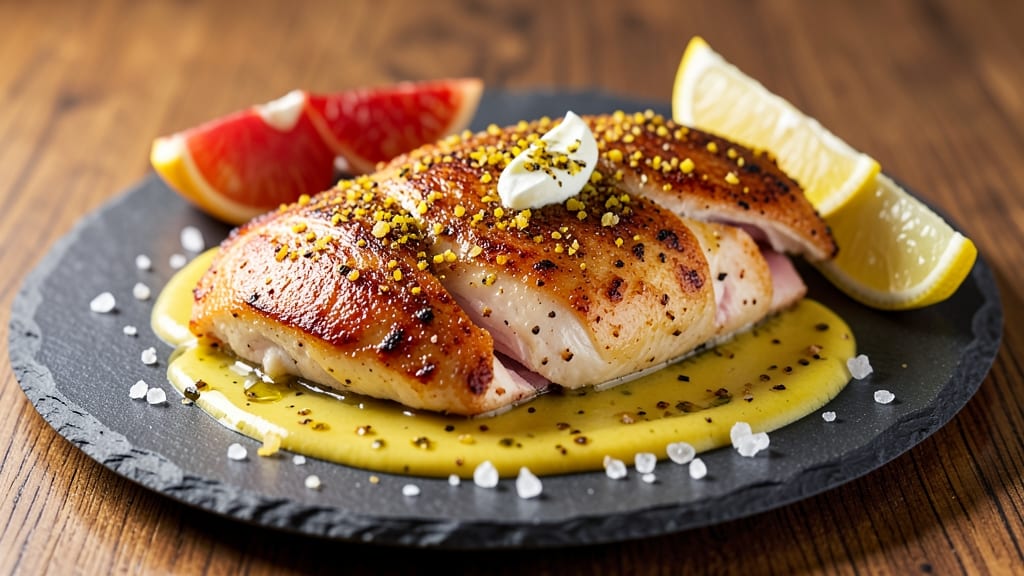
Mastering Lawry's Lemon Pepper Chicken transforms weeknight dinners into flavorful centerpieces with minimal effort. The secret lies in balancing Lawry’s bold seasoning with precise cooking techniques—crispy skin that stays crunchy even after resting.
I perfected this method after years of testing, ensuring every bite delivers that signature zesty crunch without drying out the meat.
This recipe delivers restaurant-quality results in just 30 minutes, using simple ingredients you likely already have. The key is a double-coating of Lawry’s Lemon Pepper seasoning—first on the raw chicken, then again after searing—to lock in maximum flavor and texture.
Whether you bake, grill, or pan-sear, the technique remains the same, guaranteeing tender meat with a crispy exterior every time.
The result is golden-brown chicken with a perfectly crispy crust that stays crunchy even when sliced. The lemon and pepper notes cut through the richness, creating a balance that’s both bold and refreshing.
Serve with roasted vegetables or a fresh salad to round out the meal—this dish is foolproof for weeknights or special occasions alike.
For those who love customization, swap out the seasoning for other blends or adjust the heat level by adding cayenne. The method scales effortlessly, so double the recipe for gatherings without extra work. Here’s how to achieve that signature crunch every time—no shortcuts, just proven technique.
Ingredients for lawry's lemon pepper chicken
Simple yet transformative ingredients unlock restaurant-style Lawry's Lemon Pepper Chicken every time.
| Ingredient | Amount | Notes |
|---|---|---|
| Boneless, Skin-On Chicken Breasts 🍗 | 1 ½ lb | Pounded to even thickness |
| Lawry's Lemon Pepper Seasoning 🧂 | 2 tbsp | Plus extra for coating |
| Extra-Virgin Olive Oil 🫒 | 2 tbsp | For crisping skin |
| Unsalted Butter 🧈 | 2 tbsp | Cold, for basting |
| Fresh Lemon Juice 🍋 | 1 tbsp | Brightens flavor |
| Diamond Crystal Kosher Salt 🧂 | ½ tsp | Enhances seasoning |
| Freshly Ground Black Pepper 🌶️ | ¼ tsp | Complements Lawry's blend |
| Garlic Cloves 🧄 | 2 cloves | Minced for aroma |
| Fresh Rosemary Sprigs 🌿 | 2 whole | For herbal depth |
| Fresh Thyme Leaves 🌿 | ¼ cup | Packed, for garnish |
| All-Purpose Flour 🌾 | ¼ cup | For dredging |
| Freshly Squeezed Lemon Zest 🍋 | 1 tsp | Bright finishing touch |
The Lawry's Lemon Pepper Seasoning is non-negotiable for authentic flavor—store-bought blends lack the depth of this classic. For optimal results, purchase the original jarred version from major retailers like Walmart or Kroger (avoid the smaller packets). The boneless, skin-on chicken breasts must be pounded to even thickness (about ½-inch) for consistent cooking. Whole Foods or Trader Joe's often carry pre-pounded cuts, but a meat mallet solves this quickly at home. Fresh herbs like rosemary and thyme elevate beyond the seasoning—Costco's bulk herb section offers the best value for frequent cooks.
No Lawry's Lemon Pepper? Create your own blend with 2 tbsp lemon zest, 1 tbsp black pepper, 1 tbsp garlic powder, and 1 tsp salt. Fresh lemon juice can't be substituted with bottled—citric acid alters texture. For extra crunch, dredge chicken in flour before seasoning (skip if avoiding gluten). Butter must be cold when basting—room temperature butter creates steam, not crisp. The olive oil should be light, not extra-virgin (higher smoke point for searing). Garlic cloves can be pre-minced from a jar, but fresh yields superior aroma.
Store seasoned chicken pieces covered on a wire rack in the fridge for up to 2 days—this prevents sogginess. Reheat at 375°F for 10 minutes to restore crispiness. For meal prep, double the recipe and freeze uncooked pieces on parchment-lined trays (prevents sticking). Lemon zest keeps for 1 week in the freezer—grate extra for future use. Butter basting is worth the effort: 5 minutes of basting during the last 10 minutes of cooking guarantees that signature crunch. Leftovers? Shred for salads or slice for sandwiches—flavor intensifies overnight.
Why You'll Love This Recipe
- Five-Ingredient Magic: I swear, this recipe feels like cheating—just chicken, a sprinkle of Lawry’s seasoning, olive oil, butter, and fresh lemon juice. No fancy techniques, no chopping mountains of veggies, just boom, flavor in under 30 minutes.
- Crispy-Creamy Dream: That skin-on chicken? Golden and crackling on the outside, juicy as can be inside, all thanks to the butter basting. Honestly, the first time I bit into it, I nearly dropped my fork.
- Meal Prep MVP: Make a double batch on Sunday—it reheats like a champ for lunches or wraps all week. (Yes, even on a Tuesday night when you’re not feeling it.) The lemon keeps it fresh longer than store-bought takeout ever could.
- Budget-Friendly Flex: Skin-on breasts stretch further than boneless, and Lawry’s seasoning is a pantry staple that costs pennies. For the price of one fancy dinner out, you’ll feed the whole family and have leftovers that taste even better the next day.
Step-by-step instructions for Lawry's lemon pepper chicken
Here's the method for achieving restaurant-quality crispiness that maintains its crunch throughout serving.
Pound and Season the Chicken
Place the 1.5 lb boneless, skin-on chicken breasts between two sheets of plastic wrap. Using a meat mallet, pound them to an even ½-inch thickness. This ensures even cooking and prevents the centers from staying undercooked while the edges crisp. Work quickly but firmly—you want to break down the muscle fibers without tearing the skin.
Remove the chicken from the wrap and place it on a wire rack set over a plate. In a small bowl, combine the 2 tbsp Lawry's Lemon Pepper Seasoning, 0.5 tsp Diamond Crystal Kosher Salt, and 0.25 tsp Freshly Ground Black Pepper. Rub this mixture evenly over both sides of each chicken breast, pressing gently to adhere the seasoning. Let the seasoned chicken rest at room temperature for 15 minutes while you prepare the next components. This resting period allows the seasoning to penetrate the meat slightly, enhancing flavor distribution.
Create the Herb Butter and Prep the Pan
In a small bowl, combine the 2 tbsp Unsalted Butter, 2 cloves minced Garlic Cloves, and the 2 whole Fresh Rosemary Sprigs (finely chopped). Let this mixture sit at room temperature for 5 minutes to soften slightly. This herb butter will create a flavorful crust and help maintain moisture during cooking.
Heat a large oven-safe skillet over medium heat. Add the 2 tbsp Extra-Virgin Olive Oil and allow it to shimmer for 30 seconds. The oil should be hot enough to sizzle gently when you add the chicken, but not smoking. This precise temperature is crucial for developing that signature crispy skin without burning the seasoning.
Sear and Baste the Chicken
Carefully place the seasoned chicken breasts in the hot skillet, skin-side down. Press down gently on each fillet during the first minute to ensure full contact with the pan. This prevents curling and guarantees even browning. Cook undisturbed for 4-5 minutes until the skin becomes golden brown and crispy, with small bubbles forming along the edges.
Flip the chicken breasts and cook for an additional 3-4 minutes on the other side until they reach an internal temperature of 160°F. Remove the skillet from heat and transfer the chicken to a plate. Immediately spoon the herb butter mixture over the chicken, letting it melt and baste the meat. This basting step locks in moisture while adding aromatic depth. Tent the chicken loosely with aluminum foil and let it rest for 5 minutes while you prepare the finishing touches.
Finish with Lemon and Garnish
While the chicken rests, heat a small saucepan over low heat. Add the 0.25 cup Fresh Thyme Leaves and 1 tbsp Fresh Lemon Juice. Simmer gently for 1 minute to infuse the flavors, then remove from heat. Strain the thyme leaves, reserving the lemon-infused liquid.
Return the chicken to the skillet and spoon the lemon-thyme mixture evenly over the top. Sprinkle with the 1 tsp Freshly Squeezed Lemon Zest and the remaining 1 tbsp Lawry's Lemon Pepper Seasoning. The zest adds a bright, citrusy finish that complements the savory herb butter. Serve immediately, ensuring each piece maintains its crispy exterior and tender interior.
Serve with Crispy Flour Coating (Optional)
For an extra layer of crunch, transfer the cooked chicken to a plate lined with the 0.25 cup All-Purpose Flour. Gently toss the chicken to coat lightly with flour, shaking off any excess. This creates a delicate, crispy crust that adds texture with each bite. Serve immediately while the flour coating is at its crispest, accompanied by lemon wedges for additional brightness.
Pro Tips For Making Lawry'S Lemon Pepper Chicken
- CRISP THE SKIN FIRST: That skin-on chicken won’t crisp properly if you skip this: Pat the breasts bone-dry with paper towels, then sear skin-side down in olive oil over medium-high heat for 5-6 minutes straight—no peeking. I used to rush this, and the skin just ended up soggy. Trust the process, even if it looks like you’re burning it (it’s not).
- SALT THE CHICKEN BEFORE SEASONING: Lawry’s Lemon Pepper is salty enough, but the chicken needs its own salt first. Sprinkle both sides generously with kosher salt 30 minutes before cooking—this seasons the meat deeply and makes the skin crackle better. I learned this the hard way when my chicken tasted flat despite all the seasoning.
- DON’T OVERMIX THE BUTTER: When you add the butter and lemon juice at the end, resist the urge to stir like crazy. Just swirl it around the pan once or twice—you want those butter flecks to melt into the chicken, not turn into a greasy sauce. The goal is flavor, not a pan gravy.
- USE HALF THE SEASONING: Lawry’s Lemon Pepper is way stronger than you think. Start with 1 teaspoon per pound of chicken, then adjust—you can always add more, but you can’t un-season it. I used to double it, and the dish ended up bitter. Taste as you go, especially if you’re using fresh lemon juice too.
Flavor customization for this dish
Spicy Kick Boost
For those who crave heat, add ½ tsp cayenne pepper or 1 tsp crushed red pepper flakes directly to the Lawry’s seasoning blend. I’ve found that ½ tsp smoked paprika also deepens the flavor without overpowering the lemon notes.
For a smoky-spicy twist, swap 1 tbsp of the lemon pepper seasoning with 1 tsp chipotle powder—this adds a subtle BBQ-inspired depth that pairs beautifully with the citrus. 🌶️
Herb-Infused Variations
Elevate the dish with fresh herbs that complement Lawry’s blend. Toss in 1 tbsp chopped fresh thyme or rosemary with the seasoning before coating the chicken. For a Mediterranean twist, add 1 tsp dried oregano and ½ tsp garlic powder to the seasoning mix.
I often use 2 sprigs of fresh thyme tied with kitchen twine and tucked under the skin while baking—it infuses the meat with aromatic depth as it cooks.
Sweet and Tangy Glaze
After searing, brush the chicken with a glaze made from 2 tbsp honey and 1 tbsp Dijon mustard, then broil for 2-3 minutes until caramelized. The sweetness balances the peppery heat, creating a sticky-sweet crust.
For a tangier option, mix 1 tbsp apple cider vinegar with 1 tbsp maple syrup and brush it on during the last 5 minutes of cooking. This glaze works especially well with grilled chicken.
Garlic and Parmesan Crust
For a cheesy, garlicky twist, coat the chicken in a mix of ¼ cup grated Parmesan cheese and 1 tbsp minced garlic after searing. Broil for 2 minutes to melt the cheese and create a golden, bubbly crust.
This variation adds richness that pairs perfectly with the lemon’s brightness. I recommend using freshly grated Parmesan—pre-shredded cheese contains anti-caking agents that prevent proper browning.
Citrus Zest Variations
Swap out lemon for other citrus to change the flavor profile entirely. Try orange zest (about 1 tsp) for a sweeter, tropical note, or lime zest for a sharper, more vibrant kick. For a layered citrus experience, zest ½ lemon and ½ lime, then mix with the seasoning.
I’ve also experimented with grapefruit zest, which adds a bitter-sweet complexity that works surprisingly well with the peppery seasoning.
Smoky Grill Adaptation
If grilling, add ½ tsp smoked sea salt to the seasoning mix and cook over medium-high heat for 5-6 minutes per side. For extra smokiness, place a small piece of wooden chip-wrapped aluminum foil (like hickory or applewood) on the coals before adding the chicken.
The smoke infuses the skin, creating a deeper, more complex flavor that complements the lemon and pepper perfectly. 🔥
Nutrition facts
Frequently asked questions
Can I use boneless, skinless chicken breasts instead of skin-on?
The recipe relies on the skin for that signature crispy texture, but you can still achieve great results with skinless breasts. Pound them to ½-inch thickness and coat lightly with 1 tbsp cornstarch or flour before seasoning. Baste generously with melted butter during cooking to compensate for lost moisture and crispiness.
What’s the best way to store leftovers without losing crispiness?
Let the chicken cool completely, then store in an airtight container with a paper towel underneath to absorb moisture. Reheat at 375°F for 10 minutes—this restores the crispy exterior. For extra crunch, broil for 2 minutes after reheating. Leftovers keep well for 3 days in the fridge or 3 months frozen.
How do I adjust the seasoning for spicier or milder flavor?
For more heat, add ½ tsp cayenne pepper or 1 tsp crushed red pepper flakes to the seasoning mix. For milder flavor, reduce the Lawry’s Lemon Pepper to 1 tbsp and add ½ tsp extra salt to balance. Always taste the seasoning blend first—adjust gradually to avoid overpowering the chicken.
Can I grill this recipe instead of pan-searing?
Grill over medium-high heat for 5-6 minutes per side, brushing with olive oil before adding seasoning. For extra smokiness, add ½ tsp smoked sea salt to the seasoning. Use a meat thermometer to ensure the internal temp reaches 165°F. Grilling works best with thicker cuts (up to ¾-inch) to prevent overcooking.
Why did my chicken turn out dry?
Overcooking is the most common cause—chicken dries out quickly once it reaches 165°F. Use a meat thermometer to avoid guesswork. For extra moisture, baste with butter during the last 5 minutes of cooking. Also, avoid cutting into the chicken immediately after cooking; let it rest for 5 minutes to redistribute juices.