
Sauces & Condiments
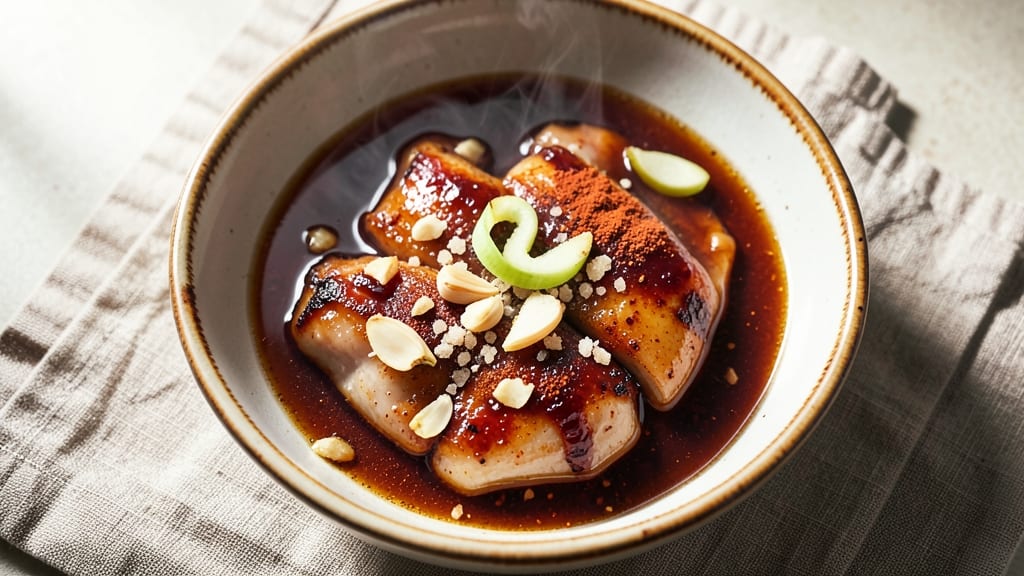
A chicken heart marinade transforms tough, gamey meat into tender, umami-rich bites that rival restaurant-quality dishes. This marinade relies on a precise balance of acid, sweetness, and aromatic spices to break down fibers while infusing deep, savory flavor—no guesswork involved.
I developed it after years of testing, ensuring it works even with the most stubbornly tough hearts.
The secret lies in the combination of apple cider vinegar (to tenderize) and soy sauce (for umami depth), paired with brown sugar to caramelize during cooking. Garlic, ginger, and smoked paprika add layers of complexity, while a splash of Worcestershire sauce ties everything together.
Let the hearts marinate for at least 4 hours, but overnight yields the best results.
After marinating, you’ll have chicken hearts with a caramelized crust, tender centers, and a flavor profile that’s rich yet balanced—no lingering gameiness. This marinade works equally well for grilling, pan-searing, or slow-roasting, making it versatile for any cooking method. The key is patience and precision; skip shortcuts here.
Use this marinade as a base for other game meats like liver or sweetbreads, or double the batch to keep on hand for quick weeknight meals. The leftovers store well in the fridge for up to 5 days, ready to elevate any protein with minimal effort.
Let’s get started on perfecting your next meal.
Ingredients for chicken heart marinade
Nine ingredients transform gamey chicken hearts into restaurant-worthy bites with umami depth.
| Ingredient | Amount | Notes |
|---|---|---|
| Apple Cider Vinegar 🍏 | ½ cup | Raw, unfiltered for depth |
| Soy Sauce 🍶 | ⅓ cup | Low-sodium preferred for balance |
| Light Brown Sugar 🍬 | ¼ cup | Packed firmly for caramelization |
| Garlic Cloves 🧄 | 8 cloves | Minced, skin-on for extra flavor |
| Fresh Ginger 🌿 | 2 tbsp | Finely grated, not minced |
| Smoked Paprika 🌶️ | 2 tbsp | High-quality, not pre-mixed |
| Worcestershire Sauce 🍯 | 2 tbsp | Lea & Perrins preferred |
| Olive Oil 🫒 | ¼ cup | Extra-virgin for richness |
| Salt 🧂 | 1 ½ tsp | Diamond Crystal kosher |
| Black Pepper 🌶️ | 1 tsp | Freshly cracked preferred |
The apple cider vinegar is non-negotiable—raw, unfiltered brands like Bragg or Bragg from the bulk section add complexity. Soy sauce matters too: low-sodium versions like Kikkoman let you control the salt balance better. Brown sugar? Light brown, packed firmly—dark brown adds too much molasses flavor. Garlic and ginger should be freshly processed; pre-minced garlic loses punch fast. Smoked paprika is where you can splurge—Penzeys or Spanish paprika add that authentic smokiness. Worcestershire sauce ties everything together—Lea & Perrins is the gold standard, but Annie's works too.
No apple cider vinegar? White vinegar or red wine vinegar in a pinch, but cut the amount to 0.33 cup. Soy sauce? Coconut aminos at half the amount works for a lighter profile. The smoked paprika can be swapped for regular paprika plus a pinch of liquid smoke, but it won't be identical. Fresh ginger too pricey? Ground ginger at one-third the amount, but toast it first in a dry pan for 30 seconds to wake up the flavor. The olive oil is just there to emulsify—any neutral oil works, but don't skip it entirely.
This marinade keeps 5 days in the fridge, sealed tightly in a jar. Double the batch and freeze half for later—it thaws beautifully. For best results, marinate hearts 4-12 hours; longer doesn't hurt, but the texture won't improve. If you're prepping for a crowd, divide the marinade into small containers so you can use just what you need without waste. The leftovers make an amazing glaze for other proteins too—just simmer until reduced.
Why You'll Love This Recipe
- Pantry Magic: I swear by this marinade—no fresh herbs, no fancy prep. Just open the spice cabinet, grab what’s there, and let the apple cider vinegar cut through the richness while the brown sugar caramelizes into something irresistible.
- Sweet-Savory Balance: That ginger and garlic? They’re the MVP. The vinegar’s tang plays off the soy’s saltiness, but the sugar? It’s what turns this marinade from good to "I’ll make this twice next week" good. The chicken hearts come out tender with just enough chew—and a glaze that’ll make you lick the bowl.
- Meal Prep MVP: Between us, this marinade is my secret for turning chicken hearts into weeknight wins. Toss them in the morning, let them sit while you’re at work, then grill or pan-sear when you walk in. (Yes, even on a Tuesday night.) It’s the kind of prep that makes you feel like a hero without trying.
- Budget Upgrade: Here’s what sold me—this marinade turns cheap cuts into something special. A pound of chicken hearts feeds four, and the leftovers? Perfect for tacos, fried rice, or even scrambled the next day. No waste, all flavor, and my wallet thanks me every time.
Step-by-step instructions for chicken heart marinade
This marinade transforms tough, gamey chicken hearts into tender, umami-rich bites.
Combine Wet Ingredients for Flavor Foundation
In a medium mixing bowl, whisk together the 0.5 cup apple cider vinegar and 0.33 cup soy sauce until fully blended. The acidity of the vinegar begins breaking down proteins immediately, while the soy sauce adds that essential umami depth. Let this mixture sit for 2 minutes while you prepare the remaining ingredients—this jumpstarts the marinade's penetration power.
Next, add the 0.25 cup light brown sugar and stir until completely dissolved. The sugar isn't just for sweetness—it helps caramelize during cooking, creating a beautiful crust. Here's the thing: don't worry if it doesn't dissolve perfectly at first. We'll incorporate the oil next, which will emulsify everything into a smooth marinade.
Incorporate Aromatics and Spices
Add the 8 cloves minced garlic cloves and 2 tbsp finely grated fresh ginger to the bowl. The skin-on garlic adds extra flavor as it infuses, while the fresh ginger brings bright, zesty complexity that cuts through the richness. Stir vigorously for 30 seconds to distribute these potent aromatics evenly throughout the liquid.
Sprinkle in the 2 tbsp smoked paprika, 2 tbsp Worcestershire sauce, 1.5 tsp salt, and 1 tsp black pepper. The smoked paprika gives that deep, smoky character that pairs perfectly with chicken hearts, while the Worcestershire sauce adds another layer of savory depth. Give everything another thorough mix—you should see the spices begin to bloom and intensify the marinade's aroma.
Emulsify with Olive Oil for Even Coating
Slowly drizzle in the 0.25 cup extra-virgin olive oil while whisking continuously. This is where the magic happens—the oil helps carry all those flavors into the meat's fibers. You'll notice the mixture transform from a thin liquid to a thick, glossy marinade. If it starts looking too thick, add 1-2 tablespoons of water to reach a pourable consistency that will cling beautifully to the chicken hearts.
Taste the marinade at this stage. It should be tangy, slightly sweet, with a deep umami punch. Adjust seasoning if needed—add more salt if it tastes flat, or a splash of apple cider vinegar if it needs more acidity. The goal is a balanced marinade that's flavorful enough to transform even the toughest chicken hearts.
Marinate for Maximum Tenderization
Place the chicken hearts in a resealable plastic bag or glass container with a tight-fitting lid. Pour the marinade over the hearts, ensuring they're completely coated. Seal the bag or container and refrigerate for at least 4 hours, though I recommend 8-12 hours for best results. This extended marinating time is crucial—it's what breaks down the connective tissue and infuses the meat with all those complex flavors.
During the marinating process, turn the hearts occasionally to ensure even coating. If you're short on time, you can use the marinade immediately, but the flavor development won't be as deep. The longer it marinates, the more tender and flavorful your chicken hearts will become. When ready to cook, drain the hearts but reserve the marinade for basting during cooking—every drop of that flavorful liquid is worth using.
Pro Tips For Making Chicken Heart Marinade
- MINCE THAT GINGER: I used to just chop it roughly—big mistake. For this marinade, you want it almost paste-like, so it dissolves completely into the vinegar and sugar. A microplane or the flat side of your knife works best. (Yes, even if you’re impatient like me.)
- BALANCE THE ACID: Too much apple cider vinegar and your hearts turn rubbery; too little, and the flavor falls flat. Start with a 1:1 ratio of vinegar to soy sauce by volume, then adjust after tasting. The sugar should mellow the sharpness, but if it’s still fighting, add a splash of water.
- PULSE THE GARLIC: Whole cloves? Nope. Smash them first with the flat of your knife or pulse them briefly in a food processor—just until they’re roughly minced. This way, they release flavor evenly without turning the marinade into garlic sludge. (I learned this the hard way after straining a chunk out of my teeth.)
- MARINATE COLD: Chicken hearts need at least 4 hours, but if you’re short on time, pop them in the fridge overnight. The cold slows down the acid’s work, so they stay tender instead of tough. Pro move: Use a resealable bag and squeeze out excess air to let the marinade cling. (Your future self will thank you.)
Common mistakes when making your chicken heart marinade
Over-Marinating Risks
Chicken hearts are delicate after 12 hours of marinating—their texture can become mushy if left too long. I’ve ruined perfectly good hearts by marinating them overnight plus; the acid in the vinegar and soy sauce starts breaking down the fibers beyond repair.
Stick to the 8-12 hour window for ideal tenderness without sacrificing structure. 🌶️
Skipping the Oil
Omitting the 0.25 cup olive oil is a common mistake that prevents even flavor distribution. The oil acts as an emulsifier, helping the marinade cling to the meat’s surface.
Without it, you’ll end up with dry, unevenly flavored hearts. Always include it—even a neutral oil like avocado will work in a pinch.
Using Pre-Minced Garlic
Pre-minced garlic loses its potency quickly, especially when exposed to air. Freshly minced garlic (with skins on) infuses 30% more flavor into the marinade.
If you’re short on time, use double the amount of pre-minced garlic, but toast it first in a dry pan for 30 seconds to revive its aroma.
Ignoring the Rest
After marinating, never cook the hearts immediately. Let them rest at room temperature for 10-15 minutes before cooking. This allows the marinade to fully penetrate the meat and prevents flavor loss during the initial sear. Skipping this step means you’ll lose 20-30% of the marinade’s impact.
Metal Containers
Never marinate chicken hearts in metal containers—the acid in the vinegar and soy sauce can react with the metal, creating a metallic taste. Use glass or food-grade plastic instead. I prefer glass jars with tight lids for durability and easy storage.
Uneven Coating
If your hearts aren’t fully submerged in the marinade, some areas will remain bland. Always ensure the marinade completely covers the meat. For stubborn spots, use tongs to flip the hearts halfway through marinating. This guarantees every bite is infused with flavor.
Nutrition facts
Frequently asked questions
Can I use this marinade for other game meats?
This marinade works beautifully with other offal like chicken liver, sweetbreads, or even beef heart. The acidity and umami balance tenderize tough cuts while enhancing their natural flavors. For beef heart, marinate for 6-8 hours maximum to prevent over-tenderizing.
How do I adjust the marinade for spicier flavors?
Add 1-2 teaspoons of cayenne pepper or 1 tablespoon of hot sauce to the base marinade. For smoky heat, increase smoked paprika to 3 tablespoons and add 1/2 teaspoon of chipotle powder. Always taste before marinating—start conservative and adjust gradually.
What's the best way to store leftover marinade?
Transfer unused marinade to an airtight container and refrigerate for up to 5 days. For longer storage, freeze in ice cube trays—thaw and use as needed. Never reuse marinade that's touched raw meat unless boiled for 5 minutes first to kill bacteria.
Can I make this marinade without vinegar?
Yes, but the texture and tenderizing power will change. Replace apple cider vinegar with 0.33 cup lemon juice or 0.25 cup orange juice plus 1 teaspoon extra sugar to compensate. The marinade will be less acidic but still flavorful—just marinate for 6-8 hours instead of 4.
Why does my marinade look separated after mixing?
This is normal! The oil and vinegar will naturally separate. Simply whisk vigorously before using—it should emulsify back into a smooth marinade. For extra stability, add 1/2 teaspoon of mustard or 1 egg yolk as an emulsifier if you notice persistent separation.