
Appetizers
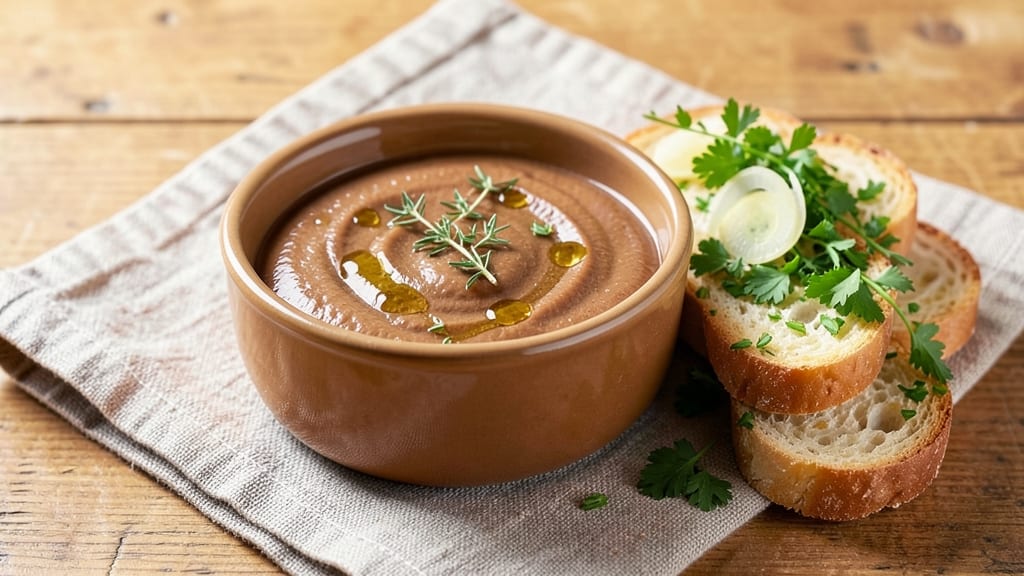
This chicken liver pate recipe without alcohol delivers the same luxurious, velvety texture and deep umami flavor you'd expect from classic versions—but without the need for brandy or wine.
After years of experimenting with my grandmother's handwritten notes (which only said "liver, herbs, cream, and patience"), I've perfected a method that transforms tender chicken livers into a rich, silky spread perfect for appetizers or elegant gatherings.
The secret lies in precise cooking and blending techniques that preserve the livers' natural richness while creating an impossibly smooth texture. We'll use fresh herbs like thyme and parsley to brighten the deep liver flavor, and heavy cream to bind everything together without alcohol.
This version maintains all the sophistication of traditional pate while being completely approachable for home cooks.
What you'll end up with is a luxurious spread that's perfect for serving with crusty bread, crackers, or as a base for canapés. The flavor is rich and complex—earthy from the livers, aromatic from the herbs, and velvety from the cream—yet balanced enough to enjoy without feeling heavy.
The best part? It can be made ahead and tastes even better the next day as the flavors meld.
Whether you're hosting a dinner party or simply want to elevate your appetizer game, this recipe delivers restaurant-quality results in your own kitchen. Let's get started with a method that's both professional and surprisingly simple.
Ingredients for chicken liver pate recipe without alcohol
Fresh livers, aromatic herbs, and velvety cream—this luxurious spread comes together with just a handful of quality ingredients.
| Ingredient | Amount | Notes |
|---|---|---|
| Chicken Livers 🍗 | 1 lb | Fresh, trimmed of connective tissue |
| Heavy Cream 🥛 | 1 cup | Full-fat for best texture |
| Fresh Thyme Leaves 🌿 | ¼ cup | Finely chopped, stems removed |
| Fresh Parsley Leaves 🌿 | ¼ cup | Finely chopped, stems removed |
| Shallots 🧅 | 2 whole | Finely minced, about 2 tbsp |
| Garlic Cloves 🧄 | 2 cloves | Peeled and minced |
| Unsalted Butter 🧈 | ¼ cup | Cold, cubed for cooking |
| Diamond Crystal Kosher Salt 🧂 | ½ tsp | Adjust to taste |
| Freshly Ground Black Pepper 🌶️ | ¼ tsp | Freshly cracked |
| Extra-Virgin Olive Oil 🫒 | 1 tbsp | For deglazing |
| Dijon Mustard 🍯 | 1 tsp | For depth of flavor |
| Cold Water 💧 | ¼ cup | For blending texture |
The chicken livers are the star, so pick the freshest you can find—they should be bright red, not brown or slimy. Whole Foods or your local butcher usually have the best quality, but the grocery store works too if they're wrapped well. Trim off any connective tissue or fat before cooking—it makes all the difference in texture. I like to soak them in cold water for 10 minutes first to remove any blood, then pat them dry. Fresh herbs are non-negotiable here; dried just won't give that bright, aromatic punch. If you're using frozen livers, thaw them overnight in the fridge—never under running water, or they'll turn to mush.
No fresh thyme? Dried works at one-third the amount, but it won't be as vibrant. Swap parsley for cilantro if you prefer, but stick to the same quantity. For the shallots, red or yellow work best—they're milder than green. Short on butter? Olive oil works in a pinch, but butter gives that rich, velvety mouthfeel. The Dijon mustard adds a subtle tang that balances the richness—skip it only if you love super-smooth pate. And if you don't have cold water on hand, just add a splash of heavy cream instead for blending.
This pate tastes even better the next day, so make it ahead—it keeps for 4-5 days in the fridge or 3 months frozen. For serving, I like to chill it for at least 2 hours before scooping to get that perfect, firm spread consistency. Store it in a glass jar with a layer of plastic wrap pressed right on top to prevent a skin from forming. If you make a big batch, portion it into small ramekins—perfect for gifting or freezing individual servings.
Why You'll Love This Recipe
- No Food Processor? No Problem: I’ll admit, I was skeptical about making pate without a food processor—until I realized I could pulse it in batches with a knife and cutting board. The shallots and garlic still release their magic, and the heavy cream and cold water emulsify perfectly. Honestly, the texture turns out just as smooth, and it saves me from another kitchen appliance cluttering my counter.
- Rich Yet Refreshing: That crispy sear on the chicken livers paired with the bright, fresh herbs? Chef’s kiss. The shallots and garlic caramelize just enough to deepen the flavor, while the thyme and parsley keep it from feeling too heavy. I’ll be real: the Dijon mustard adds a little tang that cuts through the richness, making it the perfect balance—like a sophisticated hug for your taste buds.
- The Ultimate Meal Prep Hack: This pate is my secret weapon for busy weeknights. Make it on Sunday, and you’ve got an instant appetizer for game day, a filling sandwich spread for lunch, or a showstopper dip for veggies. It even travels well—just pop it in a jar, and boom, you’re feeding a crowd without last-minute stress. Plus, it’s one of those dishes that tastes even better the next day, so leftovers? Pure gold.
- Budget-Friendly Luxury: Chicken livers are one of the most affordable protein sources out there, and this recipe stretches them into something so luxurious it feels like a splurge. A pound of livers, some fresh herbs, and a few pantry staples (like that unsalted butter and heavy cream) turn into a spread that’ll impress guests or elevate a simple cracker platter. Between us, it’s the kind of dish that makes you feel fancy without breaking the bank.
Step-by-step instructions for chicken liver pate recipe without alcohol
Here's how to transform rich chicken livers into a velvety, herb-infused spread that's perfect for appetizers or sandwiches.
Clean and Sear the Chicken Livers
Start by trimming any connective tissue from the 1 lb chicken livers and rinse them thoroughly under cold water. Pat them completely dry with paper towels—this step is crucial for preventing a greasy final texture. Cut the livers into ¼-inch thick slices for even cooking.
Heat 1 tablespoon extra-virgin olive oil in a large skillet over medium-high heat. Once shimmering, add the liver slices in a single layer and cook undisturbed for 2-3 minutes per side until they develop a deep golden-brown crust. You'll notice the edges curl slightly—that's your signal they're ready. As they cook, remove the seared livers and set them aside on a plate.
Build the Flavor Base with Aromatics
In the same skillet (no need to wipe it clean—those browned bits are flavor gold), melt the ¼ cup unsalted butter over medium heat. Add the 2 finely minced shallots and 2 minced garlic cloves, cooking for 3-4 minutes until the shallots turn translucent and the garlic releases its fragrant aroma. Here's the thing—don't let the garlic burn, or it'll turn bitter and ruin the delicate balance of flavors.
Stir in the 1 teaspoon Dijon mustard and cook for another 30 seconds, allowing the flavors to meld. Remove the skillet from heat and let the mixture cool for 5 minutes. This cooling step prevents the heavy cream from curdling when you add it later—a common mistake that turns your pate into scrambled eggs.
Blend the Herbs and Create the Pate Mixture
In a food processor, combine the seared chicken livers, cooled shallot-garlic-butter mixture, 1 cup heavy cream, ½ teaspoon diamond crystal kosher salt, and ¼ teaspoon freshly ground black pepper. Pulse until the mixture is smooth but still slightly textured—this ensures a luxurious mouthfeel without being overly refined. Scrape down the sides as needed to incorporate all the ingredients.
Add the ¼ cup finely chopped fresh thyme leaves and ¼ cup finely chopped fresh parsley leaves, pulsing just until the herbs are evenly distributed. The vibrant green color from the parsley will brighten your pate beautifully. With the processor running, slowly drizzle in the ¼ cup cold water through the feed tube. This liquid helps emulsify the mixture, creating that signature silky texture we're after.
Cook and Finish the Pate
Transfer the blended mixture to a small saucepan and place it over low heat. Stir gently and constantly for 8-10 minutes until the mixture thickens enough to coat the back of a spoon. You're looking for a consistency similar to thick Greek yogurt—it should hold its shape when spooned but still be smooth and spreadable. If it thickens too quickly, add ¼ cup cold water at a time to adjust the texture.
Remove from heat and let the pate cool completely before transferring it to a serving dish. The flavors will continue developing as it cools, deepening that rich, herbal profile. Once chilled, it should be firm enough to hold its shape when spread but still creamy on the tongue. This pate keeps beautifully in the refrigerator for up to 5 days, making it perfect for meal prep.
Serve and Enjoy
Garnish the finished pate with additional chopped parsley and thyme for a pop of color and freshness. Serve it on toasted baguette slices, as a dip with crudités, or spread it on crackers for an elegant appetizer. The contrast of the creamy pate against crispy bread or fresh vegetables makes every bite unforgettable. For an extra touch, pair it with a simple arugula salad dressed with lemon vinaigrette to cut through the richness.
Real talk: this pate is so versatile it'll become your new weeknight staple. The secret lies in the balance of herbs and the proper cooking technique—don't rush the searing or blending steps. Each component plays a crucial role in creating that luxurious, restaurant-quality spread right in your own kitchen.
Pro Tips For Making Chicken Liver Pate Recipe Without Alcohol
- Cook Shallots Low and Slow: I used to rush this step and end up with bitter shallots—don’t. Cook them for those full 3-4 minutes over medium heat until they’re soft and translucent, not a second longer. The garlic will thank you too, since it needs that same gentle treatment to avoid burning.
- Pulse, Don’t Overblend: The food processor is your friend here, but don’t turn it into a smoothie. Pulse the seared livers and cream until just combined—you want texture, not a paste. That slight graininess is what makes the pate feel luxurious, not like it’s been pureed into submission.
- Cool the Butter Base: Skipping the 5-minute rest after cooking the shallots and garlic is how you end up with curdled cream. Let that butter mixture cool completely before adding the heavy cream—trust me, your pate won’t turn into scrambled eggs if you do.
- Chill Before Serving: This isn’t the kind of pate you serve warm. Let it cool fully in the fridge for at least 2 hours before spreading—it’ll firm up just enough to hold its shape, and the flavors will meld into something richer. (Yes, even if you’re impatient like me.)
Storing and reheating this chicken liver pate recipe without alcohol
Refrigerator Storage
After cooking, let your pate cool completely before transferring it to a glass jar or airtight container. I always use glass because it keeps the flavors fresh longer and looks elegant on the counter.
Press plastic wrap directly onto the surface to prevent a skin from forming—this is a trick my grandmother taught me. Store it in the fridge for up to 5 days, and honestly, it gets even better after a day or two as the flavors meld. 🥛
Freezing for Later
If you make a big batch, freeze it in ramekins or small containers—this makes portioning out individual servings a breeze. Freeze for up to 3 months without losing quality. When you're ready to enjoy it, thaw overnight in the fridge rather than using the microwave.
This slow thawing preserves that luxurious texture. I always label my containers with the date so I don’t forget!
Reheating Without Ruining It
Never reheat your pate in the microwave—it turns out rubbery and unappetizing. Instead, warm it gently in a small saucepan over low heat. Add a splash of heavy cream or water if it seems too thick, and stir constantly until it reaches room temperature.
This method keeps the silky texture intact and prevents any curdling. I usually reheat just enough to serve, as it’s best enjoyed cold or at room temperature. 🔥
Reviving Stale Pate
If your pate loses its luster after a few days, don’t toss it! Stir in a teaspoon of Dijon mustard or a splash of lemon juice to revive the flavors. You can also blend in a few extra herbs or a pinch of salt to refresh it.
This trick works wonders for any pate that’s lost its vibrancy—it’s like giving it a second chance at life. I’ve saved countless batches this way!
Serving After Storage
Before serving, chill your pate for at least 2 hours to ensure it holds its shape beautifully. This step is key for getting that perfect, spreadable consistency. Garnish with fresh herbs right before serving to keep everything looking fresh and vibrant.
I love pairing it with toasted baguette slices or crispy crackers—it’s like a little taste of elegance for any gathering. ✨
Nutrition facts
Frequently asked questions
Why does this chicken liver pate need to cool before adding cream?
Letting the shallot-butter mixture cool for 5 minutes prevents the heavy cream from curdling—a common mistake that turns pate into scrambled eggs. The heat in the butter can separate the cream, ruining the silky texture. This step keeps your spread smooth and luxurious, just like my grandmother’s method!
Can I use dried herbs instead of fresh thyme and parsley?
You can, but the flavor won’t be as vibrant. Use one-third the amount of dried herbs (like ¼ teaspoon dried thyme instead of ¼ cup fresh). Fresh herbs add brightness that dried can’t match—this pate tastes even better with their full aroma!
What if my pate is too thick after cooking?
Simply add 1 tablespoon cold water at a time while stirring gently over low heat. The goal is a consistency like thick Greek yogurt—spreadable but firm. This adjustment keeps the texture perfect without watering it down.
How do I prevent a skin from forming on top?
Press plastic wrap directly onto the surface before sealing the container. This trick stops air from reaching the pate, just like my grandmother taught me. No skin means smoother texture when you serve it!
Can I make this pate ahead and freeze it?
Freeze in ramekins or small containers for up to 3 months. Thaw overnight in the fridge—never microwave—to preserve that luxurious texture. Perfect for meal prep!