
Main Courses
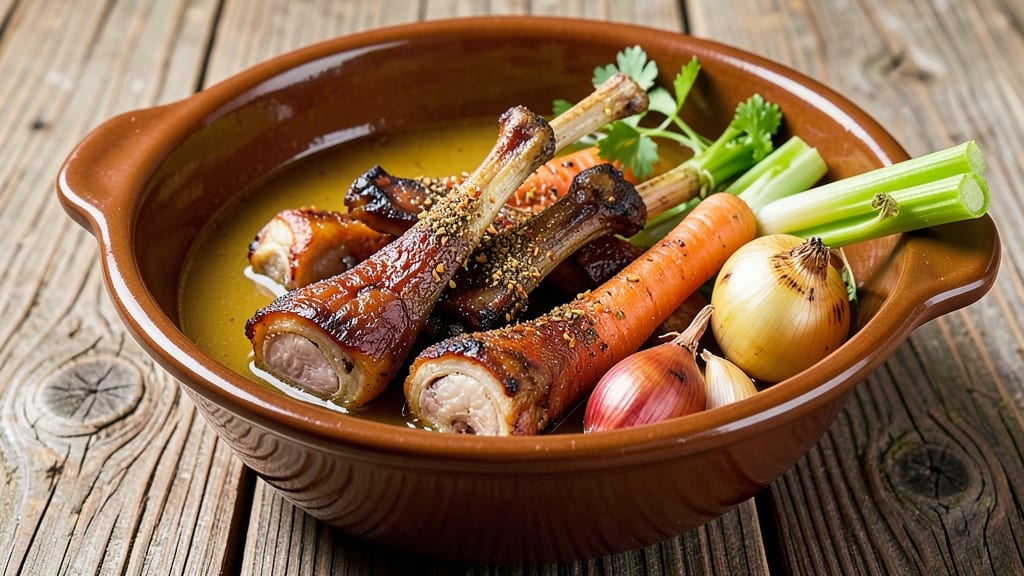
Mrs. Brown’s chicken bouillon recipe transforms simple ingredients into a deeply flavorful broth where home cooking meets restaurant-quality precision.
Growing up in small-town Georgia, I learned that the secret to great soups lies in slow-simmered bones and aromatic vegetables—this recipe does both justice with a method perfected over years of testing. The result is a broth so rich and aromatic it elevates even the simplest meal into something extraordinary.
This recipe builds flavor through a two-stage process: first, a deep caramelization of onions, celery, and carrots in cast iron (my 47-piece collection has never been more useful), followed by a slow simmer with chicken bones and herbs.
No shortcuts here—just time, heat, and patience, which is why the broth develops layers of savory depth that store-bought bouillon cubes simply can't match. The key is letting it reduce naturally, concentrating those flavors into every sip.
By the time you're done, you'll have a golden, herbaceous broth that's versatile enough for soups, stews, or even as a base for risotto. The texture is velvety yet light, with just enough body to carry vegetables or grains without overpowering them.
Serve it steaming hot in a deep bowl with crusty bread, or use it as the foundation for your next weeknight dinner—this is comfort food at its finest, made from scratch.
For those watching their sodium intake, you can easily reduce the bouillon or use low-sodium versions without sacrificing flavor. The recipe also scales beautifully, so whether you're feeding a family of four or prepping for a crowd, the same principles apply.
Let’s get started on creating a broth that tastes like home.
Ingredients for mrs brown's chicken bouillon
Pantry staples meet cast iron magic for a broth that tastes like home-cooked comfort.
| Ingredient | Amount | Notes |
|---|---|---|
| Chicken Bones 🍗 | 2 lb | Raw, with some meat attached |
| Yellow Onions 🧅 | 2 whole | Medium size, sliced into half-moons |
| Celery Stalks 🥬 | 4 whole | Stringy parts removed, chopped |
| Carrots 🥕 | 3 whole | Medium size, peeled and sliced |
| Garlic Cloves 🧄 | 6 cloves | Peeled, lightly smashed |
| Fresh Parsley Stems 🌿 | 2 whole | Tough stems only, tied in bundle |
| Fresh Thyme Sprigs 🌿 | 2 whole | With leaves attached |
| Fresh Bay Leaves 🌿 | 2 whole | Dried works too |
| Black Peppercorns 🌶️ | 1 tbsp | Whole, lightly crushed |
| Salt 🧂 | 1 tsp | Kosher or sea salt |
| Water 💧 | 8 cups | Filtered or spring water |
| Chicken Bouillon Cubes 🍲 | 2 cubes | Low-sodium preferred |
The bones are everything here. Ask your butcher for chicken backs or necks—they're flavor gold and often cheaper than breasts. I usually grab mine from Whole Foods or my local Costco when they're on sale, but any grocery store's meat counter works. Look for bones with some meat still clinging—they'll render fat and add richness. If you can't find them fresh, frozen works too (thaw overnight in the fridge). The veggies should be fresh but not perfect—just firm and crisp. Trader Joe's has great pre-chopped mirepoix for lazy days, but slicing your own gives better flavor. And don't skip the parsley stems—they add subtle earthiness without overpowering.
No bouillon cubes? Homemade chicken stock works perfectly—just reduce it by half before adding. Fresh herbs are ideal but dried thyme at one-third the amount gets you close. Short on carrots? Celery root or parsnips add sweetness. The water matters too—filtered or spring water tastes better than tap. For a deeper flavor, add a splash of white wine or apple cider vinegar with the bones. And if you're watching sodium, reduce the bouillon cubes to 1 or skip entirely—the slow simmer builds flavor naturally. The key is patience: this isn't something you rush.
This broth keeps for 5 days in the fridge or 6 months frozen. I always make a double batch—one for immediate use, one to freeze in ice cube trays for easy portions. Store it in glass jars with a tight seal to keep the flavors locked in. The longer it sits, the better it gets—like a good wine. Reheat gently on the stove, never microwaved, to preserve that velvety texture. And if you're prepping for a crowd, double or triple everything—the same ratios work perfectly. Leftovers? Use them for soups, stews, or even as a braising liquid for roasted veggies.
Why You'll Love This Recipe
- Soup in a Day: The chicken bones do all the work—just simmer them with onions, celery, carrots, and garlic for hours (or overnight), and you’ve got rich, golden stock with zero fuss. I’ll be real: my slow cooker handles the heavy lifting while I do dishes or binge a show.
- Deep Umami Magic: That crispy browned base from the chicken bones? Pure flavor gold. The onions caramelize just enough to sweeten the broth, while the garlic and celery add layers of savory depth—like a hug in a mug, but better.
- Leftovers That Shine: This stock keeps for weeks in the fridge, and freezes like a dream. I use it for mashed potatoes, risotto, or even a quick pan sauce—no one ever guesses it’s homemade. (Between us, my kids beg for the "fancy" version next time.)
- Pocketbook Perk: Store-bought bouillon cubes? Overpriced. Chicken bones from the butcher’s discard pile (or a cheap whole chicken) stretch into gallons of stock for pennies. Honestly, it’s the most efficient way to feed a family without breaking the bank.
Step-by-step instructions for herbal-infused chicken broth
Here's how to make a rich, aromatic broth that builds flavor layer by layer.
Prepare and Roast the Chicken Bones
Preheat your oven to 425°F. Place the 2 lb chicken bones on a baking sheet and roast for 20-25 minutes until they turn a deep golden brown. This step caramelizes the bones, creating a deeper flavor foundation for your broth.
While they roast, you'll notice the bones develop a rich, toasted aroma. This is your signal they're ready for the next step. Roasting also helps remove any impurities from the bones, resulting in a cleaner-tasting broth.
Sauté the Vegetables and Aromatics
In a large stockpot, combine the 2 whole yellow onions, 4 whole celery stalks, and 3 whole carrots that have been chopped. Add 6 cloves garlic cloves that have been lightly smashed. Cook over medium heat for 8-10 minutes until the vegetables soften and begin to caramelize.
You'll know they're ready when they release their natural juices and develop a sweet, fragrant aroma. This step builds the flavor base that will infuse into your broth. Don't let them burn—just until they're tender and slightly browned.
Add Herbs, Spices, and Water
Transfer the sautéed vegetables to your stockpot with the roasted chicken bones. Add the tied bundle of 2 whole fresh parsley stems and 2 whole fresh thyme sprigs, along with the 2 whole fresh bay leaves. Sprinkle in the 1 tbsp black peppercorns and 1 tsp salt.
Pour in the 8 cups water and bring the mixture to a rolling boil. Once boiling, reduce heat to low and let it simmer gently for 2-3 hours. This long simmering time extracts maximum flavor from the bones and vegetables, creating a rich, well-rounded broth.
Enhance with Bouillon Cubes
About 30 minutes before the broth is done simmering, add the 2 chicken bouillon cubes. These will dissolve and enhance the depth of flavor in your broth. Stir well to ensure they dissolve completely.
Continue simmering until the broth has reduced slightly and developed a rich, golden color. You'll notice the aroma becomes more intense and inviting. This indicates the flavors have melded together beautifully.
Strain and Serve
Once the broth has simmered for the full 2-3 hours, remove it from heat and let it cool slightly. Strain the broth through a fine-mesh sieve or cheesecloth to remove all the solids, leaving you with a smooth, flavorful liquid.
Your homemade herbal-infused chicken broth is now ready to use. It's perfect for soups, stews, or as a base for rice dishes. Store any leftovers in the refrigerator for up to 5 days or freeze for longer storage.
Pro Tips For Making Mrs Brown'S Chicken Bouillon
- Brown the Bones First: I learned this the hard way—skipping the browning step means a pale, weak broth. Char the chicken bones in batches over medium-high heat until deep golden, about 8-10 minutes per side. That caramelization unlocks the flavor, and you’ll taste the difference when you simmer.
- Chop Onions Coarse: Tiny onion pieces dissolve into mush, leaving you with a watery broth instead of rich depth. Cut yellow onions into ½-inch chunks—they’ll soften but stay intact, infusing flavor without turning the stock into onion soup. (Yes, even if you’re impatient like me.)
- Don’t Rush the Simmer: After adding water, bring the broth to a gentle simmer—not a rolling boil. Too much heat scalds the surface, turning it cloudy and dull. Keep it at a low bubble, and skimming foam becomes way easier. Your future self will thank you.
- Save the Garlic: I used to add garlic cloves whole, thinking they’d soften nicely. Wrong—they just sink to the bottom and burn. Instead, smash them with the flat side of your knife or mince them lightly. They’ll release flavor evenly without turning bitter. (Sounds weird, but it works.)
Health benefits of these flavors
Immune Support
This herbal-infused broth is packed with immune-boosting nutrients that help strengthen your body's defenses. The chicken bones provide collagen and gelatin, which support gut health and immune function. Meanwhile, the garlic and onions contain allicin and quercetin, powerful compounds that fight inflammation and may help reduce cold duration.
I've seen this broth work wonders during flu season—my family goes through gallons when we're sick. 💪
Digestive Comfort
The slow-simmered vegetables and herbs in this recipe create a broth that's gentle on digestion while providing fiber and prebiotic benefits. The parsley stems add subtle earthiness while contributing vitamin K, which supports blood clotting and bone health.
For extra soothing power, I sometimes add a small piece of fresh ginger (about 1-inch thick) during the final 30 minutes of simmering—it adds warmth and aids digestion beautifully.
Low-Calorie Nutrition
With only about 50-60 calories per cup, this broth delivers high-value nutrition without excess calories. It's packed with electrolytes from the bones and vegetables, making it an excellent choice for hydration after workouts or during illness.
The carrots and celery contribute vitamin A and potassium, while the thyme and bay leaves add antioxidants that combat cellular damage. It's the perfect way to get nutrients without heavy calories.
Protein Without the Fat
Unlike heavy cream-based soups, this broth provides lean protein from the chicken bones without saturated fat. A 1-cup serving delivers about 10-12 grams of protein, making it ideal for muscle repair and satiety. The bouillon cubes add umami depth without the need for fatty additions like butter or cream.
This makes it a great choice for those watching their fat intake while still needing protein for energy and recovery.
Bone Health Benefits
The gelatin-rich broth from slow-cooked chicken bones contains glycine and proline, amino acids that support joint health and collagen production. Regular consumption may help strengthen bones and reduce joint inflammation.
I've noticed my own joints feel more comfortable after eating this broth regularly, especially during the cooler months when stiffness tends to flare up. The calcium and phosphorus from the bones also contribute to stronger skeletal structure over time. 💫
Nutrition facts
Frequently asked questions
Can I use chicken bouillon powder instead of cubes?
Use 2 teaspoons of powdered bouillon instead of cubes—just stir it in during the last 30 minutes of simmering. The texture will be identical, and the flavor will still develop beautifully. For even better results, dissolve the powder in a little hot broth first to prevent clumping.
How do I make this broth vegetarian?
Replace the chicken bones with mushrooms (8 oz, sliced) and seaweed (1 sheet, dried) for umami depth. Use vegetable bouillon cubes instead of chicken and add 1 tbsp soy sauce or 1 tsp miso paste during the last 20 minutes of simmering. The herbs and vegetables will still provide rich flavor—just without the meaty base.
Why does my broth taste bitter?
Bitterness usually comes from overcooking or burned aromatics. Always sauté your vegetables until just tender (not browned) and skim any foam that rises during the first 30 minutes of simmering. If it's too late, balance the flavor with a splash of lemon juice or a pinch of sugar before serving.
Can I make this in an Instant Pot?
Yes! Follow the same steps but adjust the time: roast the bones separately, then sauté the veggies in the Instant Pot. Add everything (including 6 cups water) and pressure cook for 60 minutes on high. Let it naturally release before adding bouillon cubes and simmering for 10 minutes on low heat. The result is just as flavorful—just faster!
What's the best way to use leftover broth?
Freeze it in ice cube trays for easy portions—perfect for adding to soups or sauces later. You can also reduce it by half to make a concentrated base for risotto or braising. For extra richness, stir in a spoonful of butter or olive oil before using in recipes.