
Main Courses
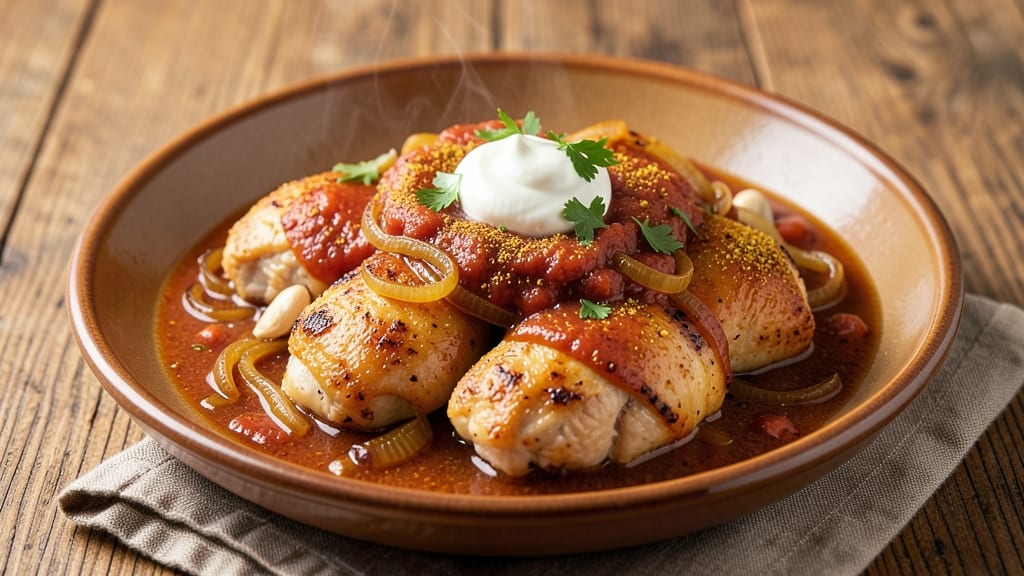
This traditional Hungarian chicken paprikash recipe brings the heart of Eastern Europe to your kitchen table with its deep, smoky paprika flavor and velvety sour cream finish. Growing up, my neighbor Mrs. Henderson would make this dish for family gatherings, and the aroma alone would draw everyone to the table.
The secret lies in slow simmering the chicken until tender while building layers of flavor through sweet paprika and onions.
The beauty of this recipe is its simplicity combined with rich tradition. You'll start with chicken thighs—tougher cuts that become melt-in-your-mouth tender when cooked low and slow.
The sauce develops its signature depth from caramelized onions, sweet paprika, and a touch of tomato paste, all balanced by the tang of sour cream. This method ensures every bite delivers that perfect harmony of smoky, creamy, and slightly sweet flavors.
By the time you serve this dish, your kitchen will smell like a Hungarian home, and your guests will be transported to another time. The tender chicken, thickened sauce, and traditional serving options like egg noodles or dumplings make this a meal worth celebrating.
Whether you're cooking for a special occasion or a cozy weeknight dinner, this recipe delivers authentic comfort food at its finest.
One of the best parts? The leftovers taste even better the next day as the flavors meld further. Let's get started on creating this classic dish that's been warming hearts for generations.
Ingredients for traditional hungarian chicken paprikash
Chicken thighs, sweet paprika, and creamy sour cream—just the basics for this Hungarian classic.
| Ingredient | Amount | Notes |
|---|---|---|
| Chicken Thighs 🍗 | 1 ½ lb | Bone-in, skin-on preferred |
| Yellow Onions 🧅 | 2 whole | Medium-sized, thinly sliced |
| Sweet Paprika 🌶️ | 2 tbsp | Hungarian variety preferred |
| Tomato Paste 🍅 | 2 tbsp | Squeeze tube or canned |
| Garlic Cloves 🧄 | 4 cloves | Minced for caramelization |
| Sour Cream 🥛 | ½ cup | Full-fat for creaminess |
| Chicken Broth 💧 | 1 ½ cups | Low-sodium preferred |
| All-Purpose Flour 🌾 | 1 tbsp | For thickening sauce |
| Bay Leaves 🍃 | 2 whole | Fresh or dried |
| Black Peppercorns 🌶️ | ½ tsp | Freshly ground |
| Salt 🧂 | 1 ½ tsp | Kosher or sea salt |
| Olive Oil 🫒 | 2 tbsp | For caramelizing onions |
| Fresh Parsley 🌿 | ¼ cup | Chopped for garnish |
The chicken thighs are key here—bone-in, skin-on gives you that crispy skin and rich flavor. Trader Joe's or Costco usually have good prices on bone-in thighs, but any grocery store's fresh chicken works. Look for thighs with a good layer of fat—it keeps the meat juicy during the long cook. The onions should be sweet, not bitter, and medium-sized so they caramelize nicely. For the paprika, Hungarian sweet paprika is non-negotiable—it's what gives this dish its signature color and depth. You can find it at World Market or online if your local store doesn't carry it.
No sweet paprika? Regular paprika plus a pinch of smoked paprika gets you close, but it won't be quite the same. Short on chicken broth? Water plus a bouillon cube works in a pinch, but don't skip the low-sodium version. The tomato paste can be that squeeze tube from Trader Joe's—it's perfect for this recipe. Fresh parsley is ideal for garnish, but dried parsley at half the amount will do if you're out. The flour is just for thickening at the end—don't worry about measuring it precisely. And if you're feeling fancy, add a splash of white wine when you deglaze the pan after browning the chicken.
This sauce thickens as it sits, so it actually tastes better the next day—make extra. Keeps in the fridge for 4-5 days and freezes beautifully for 3 months. I like to portion it into containers with egg noodles or dumplings so I can reheat it straight from the fridge. The chicken will stay juicy if you reheat it gently on the stove with a splash of broth. And if you're making this ahead, the raw chicken and sauce can sit in the fridge overnight—just cook it straight from cold.
Why You'll Love This Recipe
- One-Pan Magic: I swear by this recipe when I’m too tired to wash dishes—just brown the thighs, toss in onions and paprika, and let it simmer. The sweetness of the paprika and tomato paste caramelizes right there, turning a simple pan into a flavor bomb.
- Deep, Smoky Richness: That first spoonful of the finished sauce—where the sweet paprika meets the garlic and simmered onions—is like a hug in a bowl. The chicken stays juicy while the sauce thickens into something dangerously addictive, especially with a dollop of sour cream on top.
- Leftovers That Shine: Between us, this dish begs to be made extra. The flavors only get better the next day, especially if you reheat it gently with a splash of water. I’ve taken it to potlucks, packed it for lunch, and even frozen portions—it’s that reliable.
- Budget-Friendly Feast: Chicken thighs are forgiving and cheap, and paprikash stretches them into a meal that feeds four for under $15. Honestly, the onion-paprika base costs pennies, and the tomato paste adds depth without breaking the bank. My college self would’ve cried.
Step-by-step instructions for traditional Hungarian chicken paprikash
Here's how to make this classic dish with rich, smoky flavors and creamy perfection.
Caramelize the Onions and Garlic
Heat the 2 tablespoons olive oil in a large, heavy-bottomed pot over medium-low heat. Add the 2 whole yellow onions, sliced into thin half-moons. Cook them slowly, stirring occasionally, for about 20-25 minutes until they turn a deep golden brown. You'll know they're ready when they smell sweet and caramelized—this is where the deep flavor develops.
In the last 5 minutes of cooking, add the 4 cloves minced garlic and stir gently. The garlic should sizzle lightly but not burn. Remove the pot from heat and set aside—this aromatic base is the foundation of your paprikash.
Brown the Chicken and Build the Sauce
Increase the heat to medium-high and add the 1.5 pounds chicken thighs, skin-side down. Let them sear undisturbed for 4-5 minutes until golden brown. Flip and cook another 3-4 minutes until the other side is also browned. Remove the chicken and set it aside on a plate.
Return the pot to the stove and reduce heat to medium. Add the 2 tablespoons tomato paste and stir for 1 minute until it darkens slightly. Sprinkle in the 2 tablespoons sweet paprika and stir constantly for 30 seconds—this prevents burning. Add the 1.5 teaspoons salt and 0.5 teaspoon black peppercorns, then pour in the 1.5 cups chicken broth. Bring to a gentle simmer.
Simmer the Chicken in Paprika Sauce
Return the chicken to the pot, skin-side up, along with the 2 whole bay leaves. The liquid should come about halfway up the chicken. Bring to a gentle simmer, then reduce heat to low. Cover and cook for 30-35 minutes, stirring occasionally, until the chicken is tender and the sauce has thickened slightly. You'll see the paprika's vibrant color deepen as it cooks.
Here's the thing—if the sauce reduces too much before the chicken is done, add a splash of water or broth to keep it from drying out. The goal is a velvety consistency that coats the chicken beautifully.
Finish with Sour Cream and Rest
Remove the chicken from the pot and set it aside again. Stir the 0.5 cup sour cream into the sauce over low heat for 1-2 minutes until it's fully incorporated but not curdled. The sauce should be smooth and creamy with a rich, smoky depth. Return the chicken to the pot and let it soak up the sauce for 5 minutes off the heat.
Garnish with the 0.25 cup chopped fresh parsley just before serving. This bright green color contrasts beautifully with the deep red of the paprikash. Let the dish rest for 5 minutes before serving—this allows the flavors to meld perfectly.
Serve with Crusty Bread
Traditionally, paprikash is served with crusty bread to soak up every last bit of that creamy, paprika-infused sauce. The bread should be warm, just out of the oven, to contrast with the rich chicken. For an authentic touch, serve with a side of buttered egg noodles or steamed rice to round out the meal.
Each bite should deliver tender chicken, smoky paprika, and that luxurious sour cream finish. The sauce should cling beautifully to the chicken, with just enough body to coat your spoon. This is comfort food at its finest—simple ingredients transformed into something truly special.
Pro Tips For Making Traditional Hungarian Chicken Paprikash
- CRISP THE SKIN FIRST: Skip the rush to paprika—pat the chicken thighs bone-dry and sear them skin-side down in a hot pan for 6-8 minutes until golden. I used to skip this and ended up with sad, pale chicken drowning in sauce. The crisp skin holds up better and adds texture that cuts through the richness.
- BLOOM THE PAPRIKA: After cooking the onions, turn the heat to medium-low and add the paprika before the liquids. Let it sit for 30 seconds—it’ll sizzle and darken slightly. This step deepens the flavor way more than just dumping it in. (Yes, even if you’re impatient like me.)
- DON’T SKIP THE DEGLAZE: After browning the onions and garlic, scrape up every last bit of fond from the pan with a wooden spoon. Add a splash of water or broth, let it bubble, then reduce before adding the tomato paste. That stuck-on bit? Pure flavor. Ignore it, and you’re missing the soul of the dish.
- USE FULL-FAT SOUR CREAM: Stir in the sour cream off the heat and let the sauce cool slightly first—hot cream curdles like a nightmare. I used to add it straight to simmering sauce, and it’d turn grainy. Full-fat is non-negotiable here; the fat keeps the sauce luscious. (Your future self will notice.)
Serving suggestions for this dish
Classic Side Pairings
Nothing complements paprikash like egg noodles or buttered dumplings—both traditional choices that soak up the creamy sauce beautifully. I prefer homemade egg noodles (just flour, eggs, and salt) for that tender bite, but store-bought works in a pinch.
For a lighter option, steamed jasmine rice adds a neutral base that lets the paprika flavors shine. 🍜
Bread Essentials
Hungarians serve paprikash with crusty bread to mop up every last drop of sauce. A warm rye or pumpernickel loaf from your local bakery adds a hearty touch, while fresh baguette slices bring a crisp contrast.
I keep a batch of no-knead bread in the freezer—just toast it before serving for that perfect crunch. 🥖
Vegetable Accompaniments
For balance, add roasted seasonal vegetables like carrots or cauliflower—tossed in olive oil and roasted at 400°F for 20 minutes. Or try sautéed green beans with garlic for a bright, fresh contrast. My garden's zucchini works well too, especially in summer. 🥦
Dessert Pairings
End the meal with something light like Hungarian strudel (apple or cherry) or sour cherry compote with vanilla ice cream. For simplicity, fresh berries with whipped cream offer a refreshing finish. I often make a quick lemon curd tart—the tartness cuts through the richness of the paprikash beautifully. 🍒
Drink Recommendations
A dry Hungarian white wine like Furmint or Tokaji pairs perfectly with the dish's smoky-sweet flavors. For non-alcoholic options, sparkling water with lemon keeps things fresh, while hot tea (like chamomile) complements the meal's comfort. I love a glass of Pinot Noir if I'm feeling indulgent. 🍷
Leftovers Strategy
Paprikash tastes even better the next day—store leftovers in an airtight container for up to 5 days. Reheat gently with a splash of broth to restore moisture. I often serve it cold as a sandwich filling with crusty bread and a dollop of extra sour cream. 🥪
Nutrition facts
Frequently asked questions
Can I use chicken breasts instead of thighs for this recipe?
While you can use chicken breasts, thighs are ideal for paprikash because they stay juicier during the long simmer. If you prefer breasts, cut them into 1-inch pieces and reduce cooking time to 20-25 minutes after the sauce forms. They'll dry out faster, so keep an eye on them and cover the pot tightly.
What's the secret to getting that authentic Hungarian flavor?
The magic lies in three things: Hungarian sweet paprika, slow caramelization of onions, and proper simmering. Use 2 tbsp sweet paprika (not smoked) and cook the onions until deep golden brown—this creates the signature sweetness. Simmering the chicken low and slow for 30-35 minutes lets all flavors meld perfectly.
Why did my sauce turn bitter instead of smoky?
This usually happens when the paprika burns. Always stir constantly when adding it to the pan—it cooks fast! Also, don't walk away while the sauce simmers. If it does get bitter, try balancing it with a splash of lemon juice or more sour cream at the end. For next time, keep heat at a gentle simmer.
Can I make this dish ahead of time?
Paprikash actually tastes better the next day as flavors deepen. Cook it completely, then refrigerate in an airtight container for up to 5 days. Reheat gently on the stove with a splash of broth to restore moisture. For serving, you can even assemble it cold as a hearty sandwich with crusty bread.
What's the best way to store leftovers?
Store in an airtight container with a layer of plastic wrap pressed directly on the sauce to prevent skin formation. Keeps for 4-5 days in the fridge. For freezing, portion into individual servings with noodles or dumplings—this way you can reheat just what you need. Thaw overnight in the fridge before reheating.