
Main Courses
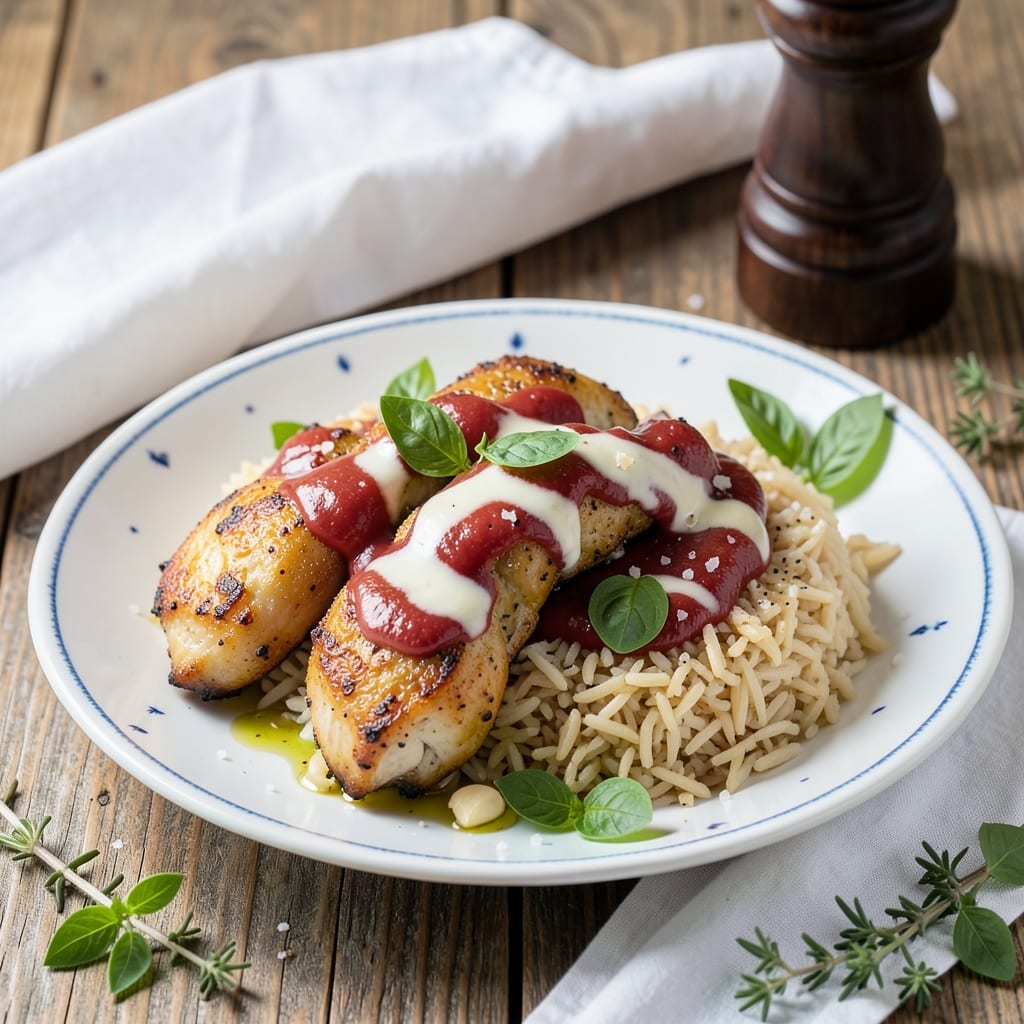
This basil chicken and rice recipe delivers restaurant-quality harmony in a single pan, where tender chicken meets fragrant basmati rice in a luscious tomato-cream sauce. The secret lies in balancing fresh basil with aromatic herbs, creating layers of flavor that transform a simple weeknight meal into something special. I developed this technique after craving a dish that combined the richness of creamy chicken with the simplicity of one-pan cooking—no complicated steps, just bold flavors.
The recipe begins with juicy chicken thighs seasoned with garlic, lemon, and fresh basil, then seared to golden perfection before simmering in a velvety tomato-cream sauce. Meanwhile, basmati rice cooks directly in the pan, absorbing the rich flavors for an effortless, foolproof result. The dish is elevated by a final touch of fresh basil and a sprinkle of parmesan, adding brightness and depth to every bite.
What makes this recipe stand out is its versatility—serve it as a hearty main course for dinner or pack leftovers for lunch the next day. The creamy tomato sauce pairs beautifully with the nutty texture of basmati rice, while the basil infuses a fresh, herby note that ties everything together. Whether you're cooking for a family or treating yourself, this dish delivers restaurant-quality results with minimal effort.
The best part? It’s a one-pan wonder, meaning less cleanup and more time enjoying the meal. The chicken stays tender and flavorful, the rice absorbs the sauce perfectly, and the dish comes together in under 45 minutes. Perfect for weeknights or special occasions, this basil chicken and rice recipe is a game-changer for anyone looking to elevate their home cooking without the fuss.
Ingredients for basil chicken rice
Juicy chicken thighs, fragrant basmati rice, and velvety tomato-cream sauce come together in this one-pan masterpiece.
| Ingredient | Amount | Notes |
|---|---|---|
| Boneless, Skinless Chicken Thighs 🍗 | 1 ½ lb | Cut into 1-inch pieces |
| Basmati Rice 🌾 | 1 cup | Uncooked, long-grain |
| Heavy Cream 🥛 | ½ cup | Full-fat for richness |
| San Marzano Tomato Sauce 🍅 | 14 oz | Canned, no salt added |
| Fresh Basil Leaves 🌿 | ½ cup | Packed, stems removed |
| Garlic Cloves 🧄 | 4 cloves | Minced, fresh preferred |
| Lemon Juice 🍋 | 2 tbsp | Freshly squeezed |
| Chicken Broth 💧 | 1 cup | Low-sodium preferred |
| Extra-Virgin Olive Oil 🫒 | 2 tbsp | For searing chicken |
| Grated Parmesan Cheese 🧀 | ¼ cup | Freshly grated preferred |
| Salt 🧂 | 1 tsp | Diamond Crystal preferred |
| Black Pepper 🌶️ | ½ tsp | Freshly ground preferred |
| Dried Oregano 🍃 | ½ tsp | For depth of flavor |
| Red Pepper Flakes 🌶️ | ¼ tsp | Optional for heat |
The chicken thighs are the foundation—juicy and flavorful when cooked properly. Look for plump, firm thighs with good marbling at Whole Foods or your local butcher. If using pre-cut thighs, check for even size to ensure consistent cooking. The San Marzano tomato sauce is non-negotiable here; its natural sweetness and depth elevate the dish. I always grab the Mueller brand from specialty stores—it's worth the extra cost for that authentic Italian flavor. Fresh basil should be vibrant green with no yellowing stems; Trader Joe's often carries high-quality bunches at reasonable prices. If using dried basil, reduce to one-third the amount—fresh is ideal for this recipe's bright, herby profile.
No San Marzano sauce? Crushed tomatoes with a pinch of sugar work in a pinch, though the flavor won't be identical. Short on fresh basil? Dried basil plus a splash of lemon juice mimics the brightness, though texture will differ. The heavy cream can be swapped for half-and-half if preferred, though the sauce will be slightly lighter. For a dairy-free version, use coconut cream—just note the flavor will shift toward tropical notes. The chicken broth should be low-sodium to avoid over-salting the dish; Pacific Foods or Imagine brands are excellent choices. If you're feeling adventurous, try white wine instead of broth for a more complex sauce base—just reduce it by half first.
This dish reheats beautifully—better the next day as flavors meld. Store leftovers in an airtight container for up to 4 days in the fridge or 3 months in the freezer. For freezer storage, portion into single servings to prevent thawing multiple portions. The rice absorbs flavors well when reheated, so a splash of broth or water helps restore moisture. Fresh basil wilts quickly, so store it in a damp paper towel-lined container in the fridge for up to 5 days. The Parmesan keeps well in the fridge for weeks when stored in its original packaging with a slice of bread to absorb moisture. Pre-portion the sauce separately if you plan to freeze—it reheats better alone than mixed with rice.
Why You'll Love This Recipe
- One-Pan Magic: The chicken thighs brown right alongside the rice—no switching pans, no extra dishes. Just toss everything in one deep skillet, let the San Marzano sauce simmer into the grains, and walk away while it works its flavor. Honestly, I’ve made this on nights when I’d rather binge Netflix than cook, and it still tastes like I slaved over it.
- Creamy Basil Bomb: That heavy cream swirled into the tomato sauce? It’s the secret weapon—rich but not heavy, with fresh basil cutting through like a bright green hug. The first bite gives you that oh yeah moment, where the chicken stays juicy and the rice soaks up all the herby, tangy goodness. (Yes, even on a Tuesday night.)
- Lunchbox Hero: Between us, this is my go-to for meal prep—portion the rice and chicken into containers, and you’ve got a lunch that feels fancy but costs next to nothing. The rice stays fluffy for days, and the sauce keeps the chicken from drying out. My kid picks out the basil leaves first, but still asks for seconds.
- Budget Weeknight Win: Chicken thighs are cheaper than breasts, and basmati rice stretches farther than you’d think. A can of San Marzano sauce (the good stuff) and a handful of fresh basil elevate it without breaking the bank. I’ll be real: this feeds four for under $15, and leftovers taste just as good reheated the next day.
Step-by-step instructions for basil chicken and rice
This one-pan method delivers perfectly balanced flavors and textures every time.
Sear the Chicken for Maximum Flavor
Heat the 2 tablespoons extra-virgin olive oil in a large, deep skillet over medium-high heat until shimmering. Working in batches if needed, add the 1.5 lb boneless, skinless chicken thighs cut into 1-inch pieces, arranging them in a single layer. Let them sear undisturbed for 3-4 minutes until golden brown on one side—this creates the foundational crust we'll build upon.
Flip the chicken pieces and continue cooking for another 3-4 minutes until they develop a deep golden color on the second side. The chicken should release easily from the pan when ready. Transfer the seared chicken to a plate and set aside, leaving all the rendered juices and browned bits in the pan. These flavorful components will form the base of our sauce and rice.
Sauté Aromatics and Prepare the Rice
In the same skillet, reduce heat to medium and add the 4 cloves minced garlic cloves. Sauté for 30 seconds until fragrant—you should smell that distinctive garlic aroma wafting through your kitchen. Immediately add the 1 cup uncooked basmati rice, stirring to coat each grain with the garlic-infused oil. This step ensures every bite of rice carries the aromatic foundation.
Pour in the 1 cup chicken broth and bring to a gentle simmer. The liquid should just cover the rice—this ratio is crucial for perfectly fluffy grains. Sprinkle the rice with the 1 teaspoon salt, 0.5 teaspoon black pepper, and 0.5 teaspoon dried oregano, stirring gently to distribute the seasoning evenly. Let the mixture simmer uncovered for 5 minutes, allowing the rice to begin absorbing the liquid and developing a slight crust on the bottom of the pan.
Build the Herbed Tomato Cream Sauce
Return the seared chicken to the skillet and pour in the 14 oz San Marzano tomato sauce, stirring to combine. Add the 2 tablespoons freshly squeezed lemon juice and 0.25 teaspoon red pepper flakes, then bring the mixture to a gentle simmer. The acidity from the lemon will brighten the dish while the red pepper flakes add subtle heat that complements the rich flavors.
Simmer the mixture uncovered for 10 minutes, allowing the flavors to meld together. The sauce should thicken slightly as it reduces. Just before the rice is fully cooked (after about 15 minutes of total simmering), stir in the 0.5 cup heavy cream and 0.25 cup freshly grated Parmesan cheese. The cream will create a luxurious texture while the Parmesan adds umami depth and helps bind everything together.
Finish with Fresh Basil and Rest
Taste the mixture and adjust seasoning if needed—you might need a touch more salt or pepper to balance the flavors. Once the rice is tender (it should take about 20 minutes total from when you added the broth), remove the skillet from heat. Stir in the 0.5 cup packed fresh basil leaves, cutting them into ribbons with a knife as you add them. The fresh basil will add a bright, aromatic finish that cuts through the richness of the cream and tomato sauce.
Let the dish rest covered for 5 minutes before serving. This resting period allows the flavors to fully meld together and the rice to absorb any remaining liquid. The result should be a harmonious blend of tender chicken, perfectly cooked rice, and a velvety tomato-cream sauce infused with basil and garlic. Serve immediately while the chicken is still warm and the flavors are at their peak.
Pro Tips For Making Basil Chicken Rice
- Sear Chicken First: Hit the chicken thighs with a hot pan—no oil needed, just let their fat render. I learned this the hard way: skipping the sear makes the sauce taste flat, like it’s missing something. Two minutes per side until golden, then pull them out. The crust adds depth that heavy cream alone can’t match.
- Rinse Rice Twice: Basmati rice clumps like a stubborn guest if you don’t rinse it first. Toss it in a fine-mesh strainer under cold water for 30 seconds, repeat. This removes excess starch, so your rice comes out separate and fluffy—not glued together like a sad, sticky mess.
- Simmer Cream Low: Heavy cream burns faster than a gossip at a family reunion. After adding it to the tomato sauce, reduce heat to low and let it bubble gently. Stir often, or you’ll end up with a sauce that looks like it lost a fight with the stove. A minute or two is all it needs to blend in.
- Tear Basil, Don’t Chop: Whole basil leaves turn bitter when boiled, but tearing them keeps the flavor bright. Pinch off the stems, then rough up the leaves with your fingers—no knife required. The torn edges release aroma without turning the sauce into a sad, mushy green sludge. (Yes, I’ve made that mistake.)
Pro cooking tips for great basil chicken rice
Searing Secrets
Don’t skip the sear—this step builds flavor depth through the Maillard reaction. Use a 12-inch cast-iron skillet like Lodge for even heat distribution. Pat chicken pieces very dry with paper towels before searing to ensure maximum browning. If your pan isn’t hot enough, the chicken will steam instead of sear—wait until oil shimmers before adding. 🔥
Rice Timing
Basmati rice needs exact liquid ratios—too much water makes it mushy. For 1 cup uncooked rice, use 1.5 cups liquid (broth + sauce) total. Stir the rice once after adding broth to prevent clumping, then let it cook undisturbed. If your rice finishes too early, cover with a damp towel to steam for 2-3 minutes.
Sauce Control
The cream should be added just before the rice is done—adding it too early can make the sauce break. Warm the cream slightly first by whisking it with a splash of hot broth. For extra richness, stir in 1 tbsp butter alongside the Parmesan. If the sauce seems too thick after adding cream, thin it with 1-2 tbsp warm broth.
Basil Freshness
Fresh basil makes all the difference—never use dried here. For maximum flavor, chop basil leaves into ribbons with kitchen shears before adding. If you’re prepping ahead, store chopped basil in an ice cube tray with water, freeze, and add straight from the tray to reheated dishes. The frozen basil won’t wilt and retains vibrant color. 🌿
One-Pan Mastery
Use a deep skillet (at least 3-quart capacity) to prevent overflow when adding broth and sauce. If your pan isn’t deep enough, transfer the rice to a separate pot after sautéing garlic, then combine everything at the sauce stage. For even cooking, rotate the pan halfway through if using a stovetop burner with uneven heat distribution.
Resting Matters
Never skip the 5-minute rest**—this lets juices redistribute in the chicken and rice absorb final flavors. Cover the pan loosely with foil (tent-style) to retain heat without steaming. For extra fluffiness, fluff the rice gently with a fork before serving. The resting phase is where the dish truly comes together—patience pays off! ✨
Nutrition facts
Frequently asked questions
Can I use chicken breasts instead of thighs?
Chicken breasts work but require extra care to stay moist. Use bone-in, skin-on breasts for better flavor retention, and cut them into thin strips rather than chunks. Cook them at medium-low heat for 5-6 minutes per side to prevent drying out. The thighs in this recipe are ideal because they stay juicy during the long simmering process.
What if I don't have San Marzano tomatoes?
No problem! Use high-quality crushed tomatoes with a pinch of sugar (1/2 tsp) or honey (1 tsp) to enhance sweetness. For deeper flavor, add 1/2 tsp balsamic vinegar along with the lemon juice. Avoid tomato paste—it's too concentrated and will make the sauce too thick. The key is balancing acidity and sweetness to complement the basil.
How do I make this dish spicier?
Add 1/2 tsp cayenne pepper or 1 chopped fresh chili (like jalapeño) when sautéing the garlic. For heat that lingers, stir in 1 tsp hot sauce at the end. If you love smoky flavors, add 1/2 tsp smoked paprika with the oregano. Always taste as you go—spices build up during cooking!
Can I make this ahead of time?
Yes! Prepare it one day ahead for even better flavor. Let it cool completely, then refrigerate in an airtight container. Reheat gently in a skillet with 1-2 tbsp broth to restore moisture. The rice may dry out slightly, so cover it with a damp paper towel while reheating. Add fresh basil just before serving to keep it vibrant.
What's the best way to serve this?
Garnish with extra basil, a sprinkle of toasted pine nuts, and a drizzle of balsamic glaze for elegance. Serve with a crisp green salad and warm crusty bread to soak up the sauce. For a modern twist, pair it with roasted asparagus or grilled zucchini. The creamy sauce also makes it perfect for meal prep lunches!