
Main Courses
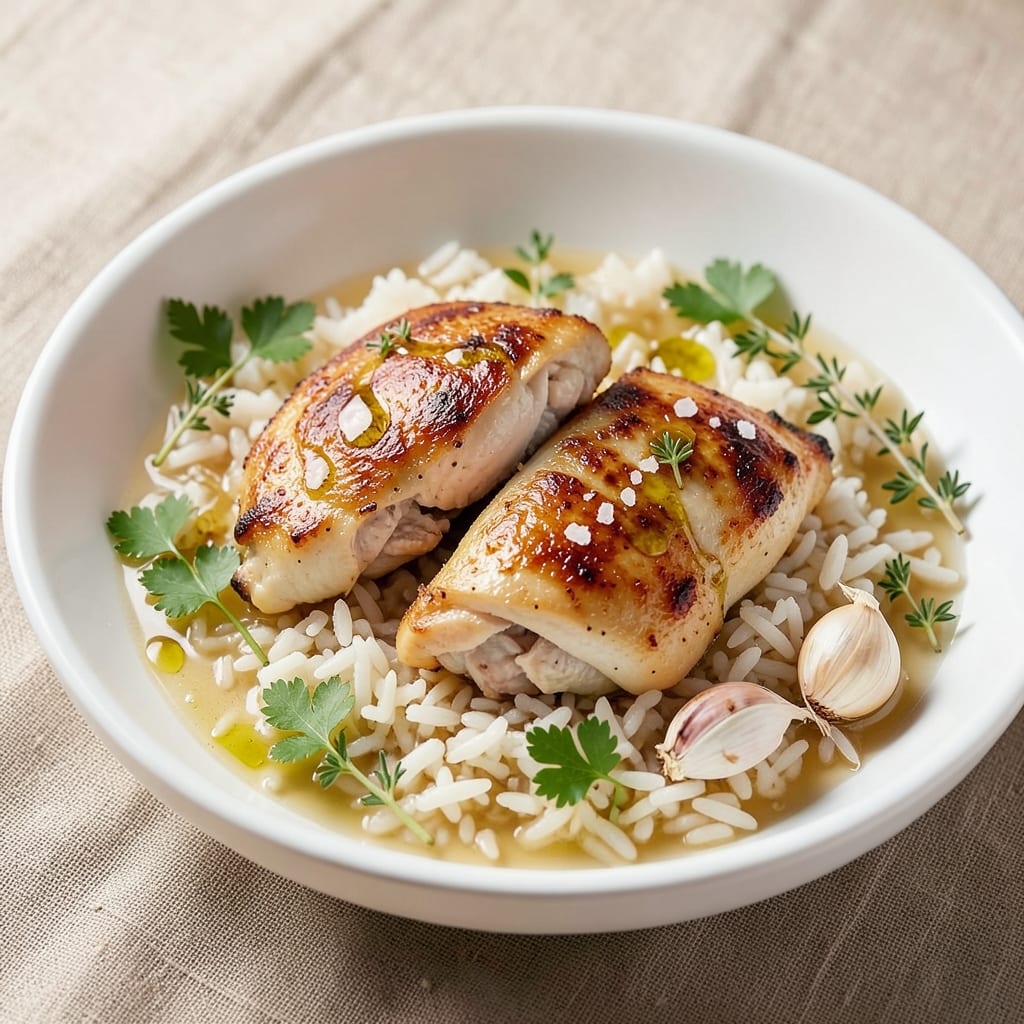
This bland chicken and rice recipe delivers a foolproof, comforting one-pot meal that’s gentle on the palate yet packed with subtle savory depth. The secret lies in a simple herb blend—just enough to enhance without overwhelming—while the chicken cooks tender and the rice absorbs natural flavors effortlessly. Perfect for when you want nourishing simplicity without bold spices clashing. What sets this recipe apart is its minimalist approach: no complicated techniques, no last-minute shopping runs, and a single pot that handles everything. The chicken stays juicy while the rice develops a light, fluffy texture, all thanks to a balanced liquid-to-grain ratio and gentle simmering. It’s the kind of dish that feels like a warm hug for busy nights or when you’re craving familiar comfort. The result is a harmonious blend where each bite offers consistent mildness—no overpowering notes, just well-seasoned protein and perfectly cooked grains. The herbs infuse just enough to make it interesting without demanding attention, making it ideal for picky eaters or those recovering from strong flavors. Every component works together seamlessly. For those who want to elevate it slightly, optional additions like a touch of lemon zest or a sprinkle of fresh parsley can brighten the dish without altering its core simplicity. Let’s get to the straightforward steps that make this recipe work every time.
Ingredients for bland chicken and rice
Twelve simple ingredients create this comforting, herb-infused one-pot meal perfect for mild palates.
| Ingredient | Amount | Notes |
|---|---|---|
| Boneless, Skinless Chicken Thighs 🍗 | 1 ½ lb | Trimmed of excess fat for mild flavor |
| Long-Grain White Rice 🍚 | 1 cup | Uncooked, medium grain preferred |
| Low-Sodium Chicken Broth 🥄 | 2 ½ cups | Homemade or quality store-bought |
| Fresh Parsley 🌿 | ¼ cup | Chopped, for subtle herbal touch |
| Fresh Thyme 🌿 | ¼ cup | Leaves only, finely chopped |
| Garlic Cloves 🧄 | 3 cloves | Minced, for gentle aromatic base |
| Extra-Virgin Olive Oil 🫒 | 1 tbsp | For even cooking and subtle richness |
| Diamond Crystal Kosher Salt 🧂 | ½ tsp | Adjust to taste for mild seasoning |
| Fresh Lemon Zest 🍋 | 1 tsp | Optional, for subtle brightness |
| Black Peppercorns 🌶️ | ¼ tsp | Freshly ground, minimal for mildness |
| Fresh Bay Leaves 🌿 | 2 whole | For subtle herbal depth, remove before serving |
| Unsalted Butter 🧈 | 1 tbsp | Optional, for gentle richness at the end |
The chicken thighs are key here—their natural juiciness holds up beautifully during the gentle simmer, ensuring consistent mildness. Look for packages labeled 'boneless, skinless' at your local grocery store's meat counter, as they're prepped for even cooking. If you prefer breasts, use them, but thighs stay moister. The low-sodium chicken broth is essential—it prevents the dish from becoming over-seasoned while still delivering savory depth. For the herbs, fresh is ideal, but if you're short on time, dried thyme at one-third the amount will work in a pinch. The bay leaves add subtle complexity without overpowering the delicate flavors.
No fresh herbs? Dried thyme and parsley at one-third the amount will suffice, though the texture and aroma won't be as refined. Short on lemon zest? A splash of fresh lemon juice at the end achieves the same brightness. The olive oil and butter are purely for texture and mild richness—don't skip them, but use them sparingly to maintain the dish's gentle profile. For the rice, long-grain white works best—it stays separate and fluffy, not mushy. If you're using pre-minced garlic, measure carefully; fresh minced garlic has more concentrated flavor. The kosher salt is crucial—it's less dense than table salt, so the 0.5 teaspoon measurement is precise for mild seasoning.
This dish reheats beautifully—simply add a splash of water or broth and warm through. It keeps well in the fridge for 4-5 days, making it perfect for meal prep. For longer storage, freeze portions for up to 3 months. The bay leaves should be removed before serving, as they can become bitter if left in too long. If you're serving this to picky eaters, the optional lemon zest and butter can be omitted entirely without compromising the dish's core simplicity. The rice-to-liquid ratio is balanced for perfect texture, but if you prefer softer rice, add an extra 0.25 cup of broth.
Why You'll Love This Recipe
- Here’s what sold me: this is the meal I make on Sundays for the week. The rice stays firm enough for leftovers, and the chicken reheats like it was just cooked. Pack it cold or microwave it—either way, it’s a hit with kids (yes, even my picky one) and adults who refuse to eat sad, dry rice.
- One-Pot Magic: Honestly, I swear by this recipe because it’s literally dump-and-simmer. Chicken thighs go in raw, rice gets tossed in, and the broth does all the work—no chopping, no fuss. The thyme and parsley wilt into the broth, so you’re left with a fragrant, cohesive flavor without extra prep.
- Herb-Packed Depth: Between us, this isn’t your sad cafeteria chicken and rice. The fresh thyme and parsley infuse the broth so the rice comes out with a bright, herby lift—not overpowering, just there. The chicken stays juicy, and the low-sodium broth means the herbs shine without salt masking everything.
- Lunchbox Hero: Here’s what sold me: this is the meal I make on Sundays for the week. The rice stays firm enough for leftovers, and the chicken reheats like it was just cooked. Pack it cold or microwave it—either way, it’s a hit with kids (yes, even my picky one) and adults who refuse to eat sad, dry rice.
Step-by-step instructions for savory herb-infused one-pot chicken and rice
This gentle, flavorful method delivers perfectly tender chicken and fluffy rice in a single pot.
Sear the Chicken for Gentle Flavor Development
Heat the 1 tablespoon extra-virgin olive oil in a large, heavy-bottomed pot over medium heat. Pat the 1.5 lb boneless, skinless chicken thighs completely dry with paper towels—this ensures a proper sear without excess moisture. Working in batches if needed, add the chicken thighs to the pot and cook for 4-5 minutes per side until they develop a light golden crust. You'll know they're ready when they release easily from the pan.
The reason we sear first is to build subtle depth of flavor through the Maillard reaction while keeping the cooking process gentle. Avoid overcrowding the pot, as this would steam the chicken rather than brown it. Once seared, remove the chicken and set it aside on a plate.
Sauté Aromatics for Subtle Herbal Depth
In the same pot, reduce the heat to medium-low and add the 3 minced garlic cloves. Sauté for 30 seconds until fragrant but not browned—this prevents bitterness. Add the 0.25 cup chopped fresh parsley, 0.25 cup chopped fresh thyme leaves, and the 2 whole fresh bay leaves, stirring constantly for 1 minute to release their essential oils. The herbs should perfume the pot with their delicate aromas without overpowering the mild profile.
Here's where the magic happens: these subtle aromatics infuse the broth and rice with gentle herbal notes. Don't let them burn—just enough time to wake up their flavors. I like to use a wooden spoon for this step, as it won't scratch the pot's surface.
Build the Gentle Herb-Infused Base
Add the 1 cup long-grain white rice to the pot, stirring to coat it evenly with the aromatic oils. Pour in the 2.5 cups low-sodium chicken broth and bring the mixture to a gentle simmer over medium heat. Stir once to distribute the rice evenly, then add the 0.5 teaspoon diamond crystal kosher salt, 0.25 teaspoon freshly ground black peppercorns, and 1 teaspoon fresh lemon zest (if using). The lemon zest adds a subtle brightness that complements the mild flavors.
Return the seared chicken thighs to the pot, arranging them on top of the rice. The goal here is to create a gentle cooking environment where the chicken finishes cooking slowly while the rice absorbs the flavorful broth. The broth should just barely bubble at the edges—this indicates a proper simmer for even cooking.
Simmer for Perfect Texture and Flavor
Cover the pot with a tight-fitting lid and reduce the heat to low. Let the mixture simmer gently for 20-25 minutes. You'll want to maintain a very gentle simmer—just enough to keep the liquid moving without boiling vigorously. This slow cooking ensures the chicken stays tender while the rice absorbs the broth without becoming mushy.
After 15 minutes, check the rice for doneness by pressing a grain against the side of the pot with a fork. If it's still firm, continue cooking for another 5-10 minutes. The chicken should reach an internal temperature of 165°F—use an instant-read thermometer to check the thickest part of the thigh. If the broth reduces too much before the rice is done, add 1-2 tablespoons of hot water to maintain the proper liquid level.
Finish with Gentle Richness and Rest
Once the rice is tender and the chicken reaches 165°F, remove the pot from heat and let it sit covered for 5 minutes. This resting period allows the flavors to meld and the rice to finish absorbing any remaining liquid. Add the 1 tablespoon unsalted butter (if using) and stir gently to distribute it throughout the dish. The butter adds a subtle richness that enhances the mild flavors without overpowering them.
Before serving, remove and discard the 2 fresh bay leaves. Fluff the rice gently with a fork, being careful not to break up the chicken thighs. Serve immediately, allowing each person to enjoy the tender chicken and perfectly cooked rice infused with the subtle herbal notes. The dish should be comforting yet delicate, with each component maintaining its own gentle character.
Pro Tips For Making Bland Chicken And Rice
- CRANK THE HEAT FIRST: Start your chicken thighs in a cold pot with broth, then bring to a full rolling boil for 3-4 minutes before lowering to simmer. I learned this the hard way—skipping the initial high heat leaves the chicken gray and tough instead of juicy and tender.
- TRIM THYME STEMS HALFWAY: Snip thyme stems in half lengthwise (not crosswise) so they release flavor without turning the broth into a green sludge. Fresh herbs are worthless if they just float there looking pretty.
- DON’T RINSE THE RICE: The starch in unrinsed rice thickens the broth and makes every bite stickier—exactly what bland rice needs. I know it’s the opposite of what most recipes say, but trust me on this one.
- SALT THE BROTH LATE: Wait until the chicken’s done before adding salt to the broth—otherwise, you’ll end up with chicken that tastes like it’s been swimming in a salt mine. A pinch of salt at the end makes all the difference.
Essential equipment for this recipe
Heavy-Bottomed Pot
A 5-6 quart heavy-bottomed pot with a tight-fitting lid is your best friend for this recipe. I swear by my All-Clad Stainless Steel Dutch Oven—it distributes heat evenly and prevents hot spots that can burn your rice or chicken. For budget-friendly options, Cuisinart MultiCooker or Le Creuset Stoneware work beautifully too. The key is avoiding thin, lightweight pots that can't maintain consistent heat during simmering. 🌡️
Instant-Read Thermometer
Never guess your chicken's doneness—use a ThermoWorks ThermoPop or Meater Plus to check for 165°F internal temperature. These affordable probes give you precise readings in seconds, ensuring your chicken is safe to eat without overcooking. I keep mine handy for all my one-pot meals—it's a game-changer for perfect results every time. 💡
Wooden Spoon
A long-handled wooden spoon (like OXO Good Grips) is perfect for stirring the rice and herbs without scratching your pot. Wood distributes heat better than metal and won't react with acidic ingredients. I also use it to fluff the rice at the end—just be gentle to keep those chicken thighs intact. 🍲
Fine-Mesh Strainer
For rinsing your rice before cooking, a fine-mesh strainer removes excess starch that can make your rice gummy. I love the OXO Good Grips Collapsible Strainer—it's durable, easy to clean, and fits perfectly in my sink. Rinse your rice under cold water until the water runs clear, then drain well before adding to the pot. 💦
Chef's Knife & Cutting Board
Sharp tools make prep effortless. A 8-inch chef's knife (like Wüsthof Classic) and a non-slip cutting board (I use John Boos Maple) are essential for mincing garlic and chopping herbs efficiently. Dull knives crush garlic instead of mincing it, which can make your dish taste bitter. Keep your knife sharp with a Whetstone sharpening stone for consistent results. ✨
Measuring Spoons
Precision matters with mild seasoning. Use stainless steel measuring spoons (like OXO Good Grips) for accurate measurements of salt, pepper, and lemon zest. The 0.5 teaspoon kosher salt and 0.25 teaspoon pepper are critical—too much can overpower the dish's gentle profile. I keep my set near the stove for quick adjustments during cooking. 🧂
Nutrition facts
Frequently asked questions
Why does this recipe use chicken thighs instead of breasts?
Chicken thighs stay juicier and more tender during the gentle simmering process, which is perfect for this mild dish. Their natural fat content helps keep the meat moist while the rice cooks, ensuring every bite remains tender. Breasts would dry out more easily in this one-pot method.
Can I substitute white rice for brown or jasmine?
For this recipe, stick with long-grain white rice to maintain the light, fluffy texture that absorbs flavors gently. Brown rice would take much longer to cook and might leave the dish dry. Jasmine rice could work, but it has a distinct aroma that might slightly alter the mild profile.
What if my rice turns out mushy?
Mushy rice usually means too much liquid or heat. Next time, use 2.5 cups broth for 1 cup rice and maintain a gentle simmer—not a boil. Also, rinse your rice before cooking to remove excess starch. If it's already mushy, stir in 1 tablespoon cold butter to help restore texture.
How can I make this even milder for picky eaters?
Skip the lemon zest and fresh herbs completely, and reduce the salt to ¼ teaspoon kosher salt. Use plain chicken broth instead of herb-infused, and omit the butter at the end. The chicken and rice will still be flavorful but very neutral, making it perfect for sensitive palates.
Can I make this recipe ahead of time?
Yes! This dish reheats beautifully. Cook it as directed, then store in an airtight container in the fridge for 4-5 days or freeze for 3 months. When reheating, add 1-2 tablespoons of water or broth and warm through gently to restore moisture and texture.