
Main Courses
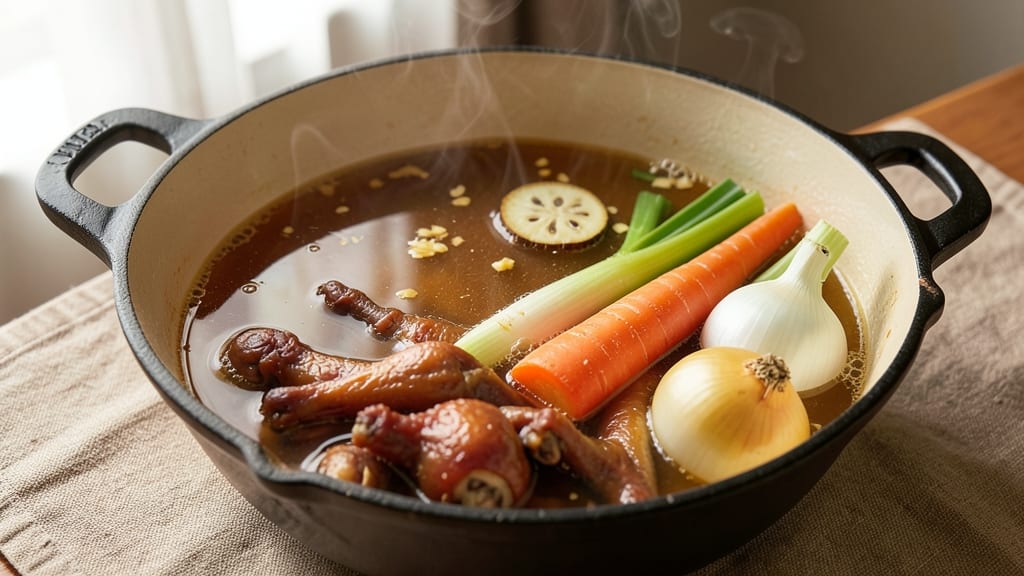
This chicken feet stock recipe unlocks a deep, umami-rich foundation that transforms ordinary soups and stews into restaurant-quality dishes. After years of perfecting the technique, I’ve developed a method that extracts maximum gelatin and flavor from every part of the chicken feet—no waste, just pure depth.
The result is a silky, golden broth that builds layers of complexity with each sip, making it the secret weapon behind my favorite braises and pho.
The process begins with thorough cleaning and parboiling to remove impurities, followed by a slow simmer with aromatic spices like star anise, ginger, and bay leaves. These ingredients infuse the stock with warmth and balance the natural richness of the chicken feet, creating a harmony that’s both comforting and sophisticated.
Unlike commercial stocks, this one develops a robust, almost meaty depth that’s impossible to replicate with store-bought alternatives.
What sets this stock apart is its versatility—use it as the base for pho, ramen, or braised short ribs, and watch your dishes elevate to new heights. The gelatin-rich broth clings to noodles and vegetables, intensifying their flavors while adding a luxurious mouthfeel.
With proper storage, it keeps for weeks in the fridge, ready to transform any meal with minimal effort.
For those new to chicken feet, don’t let the initial prep intimidate you—the payoff is worth every step. Once you taste the difference, you’ll never go back to ordinary stock again. Let’s get started on creating your own umami powerhouse.
Ingredients for chicken feet stock
The secret weapon behind restaurant-quality soups and stews starts with these 13 ingredients.
| Ingredient | Amount | Notes |
|---|---|---|
| Chicken Feet 🦶 | 2 ½ lb | Cleaned and trimmed |
| Cold Water 💧 | 8 cups | Filtered preferred |
| Yellow Onion 🧅 | 1 whole | Quartered, skin on |
| Carrots 🥕 | 2 whole | Scrubbed, cut into chunks |
| Celery Stalks 🧅 | 3 whole | Cut into 2-inch pieces |
| Fresh Ginger 🌿 | 1 oz | PEELLED, sliced thinly |
| Garlic Cloves 🧄 | 6 cloves | Smash lightly with knife |
| Bay Leaves 🌿 | 2 whole | Dried, standard size |
| Star Anise Pods 🌶️ | 2 whole | Whole, not ground |
| Black Peppercorns 🌶️ | 10 whole | Crushed lightly |
| Salt 🧂 | 1 tbsp | Kosher or sea salt |
| White Wine Vinegar 🍷 | ½ cup | For initial cleaning |
| Extra-Virgin Olive Oil 🫒 | 2 tbsp | For deglazing |
Chicken feet are the star—look for clean, intact feet at Asian markets (they freeze beautifully too). The skin-on variety gives more gelatin, but skinless works if that's what you find. Onions, carrots, and celery form the aromatic base—no need for organic here, just fresh. Fresh ginger is ideal, but substitute 1 tbsp ground ginger in a pinch. Star anise and bay leaves are non-negotiable for that deep, aromatic complexity. I always grab mine from Penzeys or the spice aisle at Whole Foods—they stay potent for months.
No star anise? Cinnamon stick or cardamom pods add warmth, though not the same anise note. Running short on vinegar? Lemon juice works 1:1. The olive oil matters here—use something fruity and peppery to balance the umami. For the cleaning step, white vinegar is key—it removes impurities without overpowering. If you're nervous about chicken feet, start with 1 lb to test the waters. The feet should smell clean, not funky—discard any with a strong odor.
This stock tastes even better after 24 hours in the fridge—the flavors meld beautifully. Keeps for up to 5 days refrigerated or 3 months frozen. I portion mine into 2-cup containers for easy use in recipes. Freeze flat in a shallow dish before transferring to bags to save space. The gelatin-rich broth thickens as it cools, so reheat gently—no boiling or you'll lose that silky texture.
Why You'll Love This Recipe
- No Chopping Chaos: I swear by the "dirty mirepoix" hack—just toss in whole onion, carrots, and celery stalks with the chicken feet. The stock simmers down to pure flavor without me ever holding a knife.
- Umami Bomb: That first sip? Rich, deep, and meaty—like chicken broth’s cooler, more complex cousin. The collagen from the feet turns the water into liquid gold, especially when reduced.
- Soup Pantry Hero: Freeze it in ice cube trays for quick broth boosts in ramen, braises, or even instant noodles. I keep a batch on hand for lazy nights when I need depth without effort.
- Budget Magic: A pound of chicken feet costs pennies compared to pre-made stock. Honestly, this recipe stretches one batch into three uses—soup, rice cooking, even marinades—without breaking the bank.
Step-by-step instructions for chicken feet stock
Here's how to transform chicken feet into a deep, flavorful stock perfect for soups and braises.
Prepare and Clean the Chicken Feet
Rinse the 2.5 lb chicken feet under cold water to remove any debris, then place them in a large pot. Add the 0.5 cup white wine vinegar and enough cold water to cover the feet by about 2 inches. This acidic soak helps remove impurities and prepares them for cooking.
Bring the mixture to a boil over medium-high heat, then reduce heat to medium-low and simmer for 15 minutes. You'll see scum rise to the surface—this is normal. Skim it off with a fine-mesh strainer or ladle, then drain the vinegar water. Rinse the feet again under cold water to remove any remaining scum. This step ensures your stock starts with a clean, bright foundation.
Build the Flavor Base
Return the cleaned chicken feet to the pot and add 8 cups cold water. Place the pot over medium heat and bring to a gentle simmer. This is where the magic begins—you want a slow, steady simmer that extracts collagen from the feet without boiling too vigorously.
Add the 1 whole yellow onion (quartered), 2 whole carrots (cut into chunks), 3 whole celery stalks (cut into 2-inch pieces), 1 oz fresh ginger (sliced thinly), 6 cloves garlic (lightly smashed), 2 whole bay leaves, 2 whole star anise pods, 10 whole black peppercorns, and 1 tbsp salt. The star anise and bay leaves will infuse deep, aromatic notes, while the ginger and garlic add warmth. Let the mixture simmer gently for 45 minutes, occasionally skimming any foam that rises to the surface.
Simmer for Deep Flavor Extraction
After the initial 45 minutes, the chicken feet should be softening and releasing their rich collagen into the broth. This is the long cook where patience pays off. Reduce the heat to low and continue simmering uncovered for 3 to 4 hours. You'll know it's working when the broth turns a deep amber color and the chicken feet become tender enough to pull apart with a fork.
Here's the thing—don't rush this step. The collagen in the feet breaks down slowly, creating that luxurious, velvety texture in your stock. If the liquid reduces too much, add hot water 1 cup at a time to maintain the level. The broth should always be at a gentle simmer, never a rolling boil.
Strain and Finish
Once the chicken feet are fully tender and the broth has developed a rich, deep color, it's time to strain. Remove the pot from heat and let the contents cool slightly for 10 minutes. This makes handling easier and prevents burning your hands. Line a fine-mesh strainer with cheesecloth or a coffee filter to catch any fine particles.
Strain the broth into a clean pot or large bowl, pressing gently on the solids to extract every last bit of flavor. Discard the solids or save them for another use, like making chicken feet confit. Return the strained broth to the pot and add 2 tbsp extra-virgin olive oil. This adds a silky finish and helps stabilize the stock when reheated. Taste and adjust the seasoning with additional salt if needed.
Pro Tips For Making Chicken Feet Stock
- Parboil First: Drop those chicken feet into boiling water for 5 minutes before simmering—this loosens the skin and connective tissue so they render flavor instead of floating like rubbery bricks. I learned this after my first batch tasted like I’d boiled chicken gloves instead of stock.
- Chop Veggies Coarse: Dice onions, carrots, and celery into 1-inch chunks, not matchsticks. They’ll break down anyway, but big pieces add body to the stock without turning it into soup. (And yes, you’ll still strain them later—no one wants a celery stalk in their pho.)
- Simmer, Don’t Boil: Keep the stock at a gentle simmer—tiny bubbles, just visible. Boiling clouds the stock and wastes flavor. After the first hour, skim the foam off the top like you’re removing bad memories. (Your future self will notice the difference.)
- Add Vinegar Early: Toss in 2 tablespoons of white vinegar or apple cider vinegar with the chicken feet at the start. It breaks down collagen faster and cuts through any funky odors. (Sounds weird, but it works—trust me, I’ve smelled the alternative.)
Make-ahead tips for this chicken feet stock
Prep Ahead Strategy
Start by cleaning and parboiling the chicken feet up to 3 days ahead—store them in an airtight container in the fridge. This removes the most labor-intensive step when you're ready to cook.
I often do this on a Sunday so the stock is ready for weekday meals. The vinegar soak can also be prepped separately and refrigerated for 24 hours before use. 💡
Freezer-Friendly Base
Freeze the cleaned, parboiled chicken feet in a single layer on a tray for 2 hours to prevent clumping, then transfer to a freezer bag with 1 inch of headspace. Label with the date—these keep for up to 3 months.
When ready to cook, thaw overnight in the fridge and proceed with the recipe. This is a game-changer for busy weeks.
Stock in Bulk
Double or triple the recipe and freeze the finished stock in 2-cup portions using silicone ice cube trays or small freezer-safe containers. These thaw in 10 minutes in a bowl of hot water, perfect for quick soups.
I keep a stash of these in my freezer at all times—no more last-minute stock shopping! The gelatin-rich broth thickens beautifully when reheated gently. ❄️
Flavor Boost Shortcut
Pre-mix the aromatic vegetables—onion, carrots, celery, ginger, and garlic—in a ziplock bag and store in the fridge for up to 5 days. When ready to cook, simply dump the veggies into the pot with the chicken feet.
This saves 15 minutes of prep time and keeps your countertops clean. I also pre-crush the peppercorns and store them in a small jar for easy access. 🌶️
Long-Simmer Prep
Set up your stock pot the night before by adding all ingredients except the olive oil. Cover and refrigerate overnight. In the morning, bring to a simmer and cook as directed—this jumpstarts the flavor extraction.
The aromatics will have infused the water slightly, giving you a head start on that deep, umami-rich profile. This method is especially useful if you're short on time during the week.
Storage Hacks
For maximum shelf life, cool the stock quickly by placing the pot in an ice bath for 15 minutes before transferring to containers. This prevents bacterial growth and preserves freshness. Store in the fridge for up to 5 days or freeze in glass jars (leave 1 inch headspace for expansion).
The broth thickens as it cools, so reheat gently over low heat or in the microwave on low power to maintain texture. 💫
Nutrition facts
Frequently asked questions
Why does chicken feet stock taste so much richer than regular chicken broth?
Chicken feet contain high levels of collagen and connective tissue that break down during slow cooking, creating a thick, gelatin-rich broth with intense umami flavor. The long simmer (3-4 hours) extracts maximum gelatin, which gives the stock its signature velvety texture and deep savory taste that regular broth simply can't match.
Can I use frozen chicken feet for this recipe?
Thaw frozen chicken feet overnight in the refrigerator before starting the recipe. The vinegar soak will still work perfectly to clean them. Just ensure they're fully thawed before beginning the simmering process to maintain even cooking.
What can I do with leftover chicken feet after making stock?
Don't discard the cooked chicken feet! They're perfect for making crispy chicken feet confit, adding to stir-fries, or even blending into flavorful pastes. The tender, gelatinous texture works beautifully in dumplings or as a topping for noodle dishes. Every part of the chicken feet contributes to delicious results.
How do I know when the stock is done simmering?
The stock is ready when the chicken feet become tender enough to pull apart with a fork and the broth turns a deep amber color. This typically takes 3 to 4 hours of simmering. The broth should also have a rich, aromatic smell that's more intense than regular chicken broth.
Can I make this stock in an Instant Pot or pressure cooker?
While possible, it's not recommended. Pressure cooking breaks down the collagen too quickly, resulting in a thinner, less flavorful broth. The slow simmer is essential for extracting the maximum gelatin and developing the deep umami flavor. For best results, stick with stovetop simmering.